
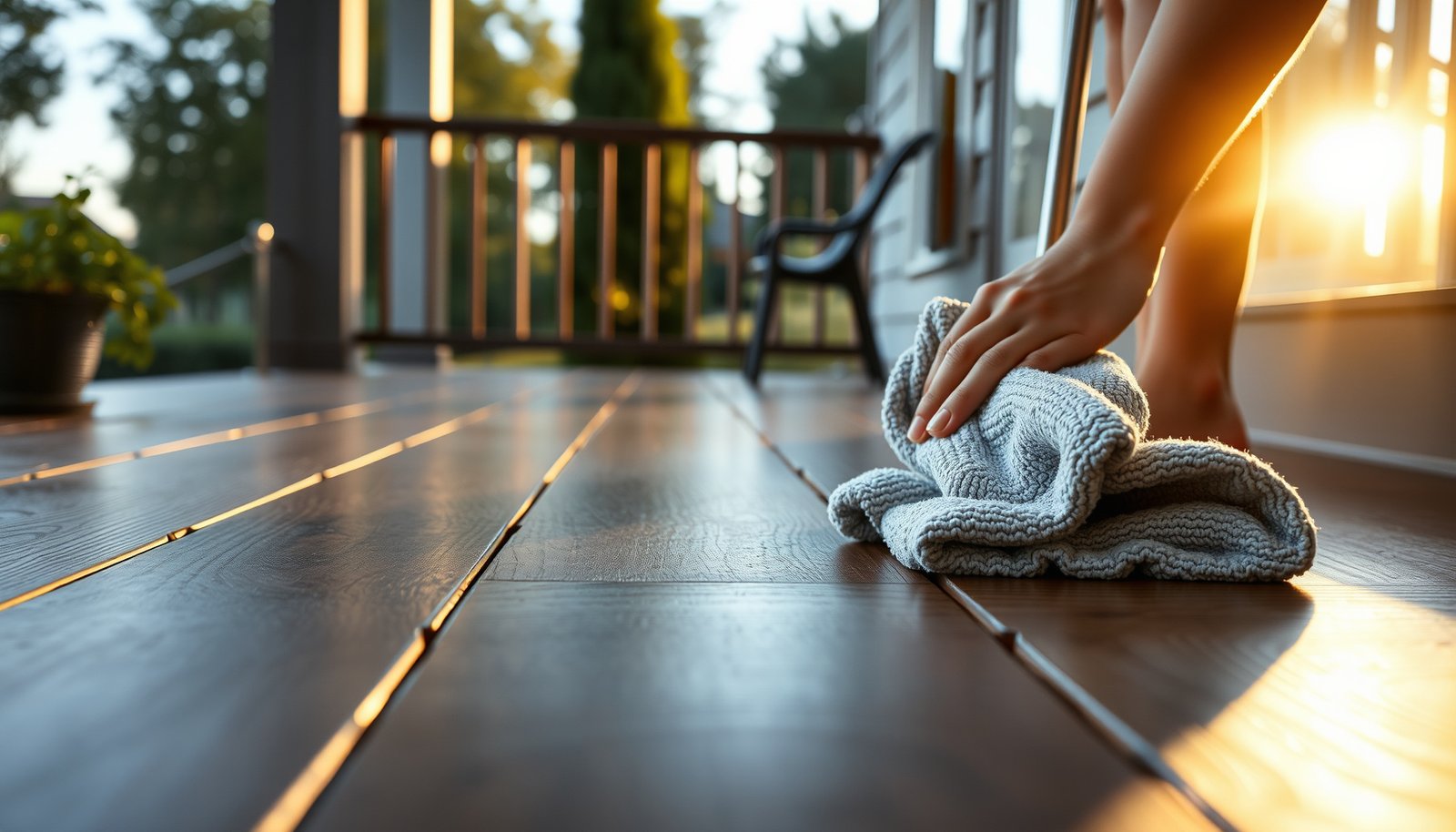

Keep vinyl floors in a porch looking clean and holding up—here’s the simplest, most effective care routine that actually works. If you want a clear winner, stick to regular sweeping, quick spot cleaning with the right products, and protecting against moisture and grit before it damages the surface. Follow these practical steps and you’ll prevent dullness, staining, and warping without overcomplicating maintenance.




Keep vinyl porch floors looking good by cleaning dirt often and preventing moisture from pooling. Sweep or vacuum regularly, use a manufacturer-recommended cleaner, and wipe up spills immediately—standing water is the biggest enemy for vinyl outdoors. If your porch gets a lot of rain, you’ll also want good mats/rugs and airflow to help the surface dry.
If you have vinyl plank (LVP), vinyl tile (LVT), or vinyl sheet installed on a covered or partially exposed porch, this guide will help you build a simple routine that protects the surface without damaging the finish. It’s especially useful when seasonal weather brings grit, dampness, and stains.
Many homeowners focus on appearance, but durable porch maintenance is mostly about two forces: (1) abrasive soil grinding into the wear layer and (2) lingering moisture that can seep at seams and edges over time. In 2024–2026, the most reliable approach is still the same: remove grit frequently, clean with approved products, and dry the floor quickly after wet weather. For reference, according to the EPA, mold growth can begin on damp materials in as little as 24–48 hours (EPA, 2024). That time window is why porch vinyl care is less about occasional “deep cleans” and more about consistent, low-moisture cleaning habits.
Porch-ready cleaning: what to do (and what to avoid)

A good porch-cleaning routine for vinyl porch floors is simple: remove grit first, then use only the cleaner your vinyl manufacturer approves, using minimal water. This sequence reduces scuffing risk and limits residue that can dull the finish.
“Resilient floors are most damaged when abrasive grit is allowed to build up and be tracked across the surface.”
“Many floor manufacturers require cleaning with their approved products and warn against harsh chemicals that can leave film or accelerate wear.”
“Using minimal water (damp-not-soaked mopping) helps prevent moisture from migrating into seams and edges on vinyl porch floors.”
What “porch-ready” cleaning actually means in practice
Porches are outdoors-in-behavior: they collect sand, soil, leaf particles, and rubbery grit from footwear soles. That’s why vinyl porch floor care starts with dry removal. Once grit is gone, washing becomes safer because you’re not turning debris into sandpaper across the wear layer.
According to the EPA, indoor relative humidity should be kept between 30% and 50% to discourage condensation and mold (EPA, 2024). While a porch isn’t a controlled indoor space, this still reinforces a principle: if the area stays persistently damp, the odds of moisture-related issues rise. For vinyl porch floors, that means cleaning is only half the job—drying and preventing pooling are the other half.
The routine (safe steps + what to skip)
– Sweep or dust-mop frequently to remove sand and grit that can act like sandpaper on the vinyl surface.
– Use a vacuum with a hard-floor setting and a soft brush (avoid aggressive beater bars that can scuff).
– For washing, follow the floor manufacturer’s care instructions and avoid harsh chemicals, wax buildup cleaners, and anything that leaves a film unless the brand explicitly says it’s okay.
Vinyl Porch Maintenance Actions: Risk Controls & Compatibility (Practical Care Guide)
| # | Maintenance action | What it controls | Recommended interval | If skipped, you’re more likely to see | Porch-safe rating |
|---|---|---|---|---|---|
| 1 | Sweep/dust-mop | Grit buildup | Daily during windy/dusty weeks | More scuffs from embedded sand | ★★★★★ |
| 2 | Vacuum on hard-floor setting | Loose soil | 1–2x per week (high traffic) | Fine grit retained in texture | ★★★★☆ |
| 3 | Damp-mop with approved cleaner | Film-free washing | Monthly or as needed | Dullness from residue | ★★★★★ |
| 4 | Wipe spills immediately | Moisture migration | Right away (same minute) | Edge/seam darkening over time | ★★★★★ |
| 5 | Doormat + porch rug | Tracked-in soil | At every entrance; replace as worn | More grit in main traffic lanes | ★★★★☆ |
| 6 | Abrasive pads / stiff brushes | Wear-layer damage | Avoid | Faster surface dulling and staining | ★☆☆☆☆ |
| 7 | Wax/sealer cleaners not approved | Finish buildup/film | Avoid unless manufacturer allows | Sticky feel + long-term dullness | ☆☆☆☆☆ |
Note: This table is a practical compatibility guide based on common manufacturer and resilient-floor care principles; always confirm your specific vinyl porch floor’s care instructions.
Protect from scratches, dents, and tracked-in debris
The fastest way to keep vinyl porch floors looking new is to stop grit and rough contact before it reaches the surface. Mats, controlled entrances, and furniture protection reduce both scuffing and moisture exposure—the two major drivers of outdoor vinyl wear.
“Tracked sand and grit behave like abrasive particles and can wear the vinyl wear layer over time.”
“Doormats reduce the amount of soil and moisture carried onto porch vinyl floors.”
“Pads that prevent sliding help avoid dents and edge scuffs on LVP/LVT.”
Scratch-proofing that actually holds up outdoors
Porch traffic concentrates in the same lanes: near the door, steps, and where people turn their feet. On vinyl porch floors, those are also the areas that show wear first. Instead of hoping the finish “handles it,” set up physical barriers that catch debris.
– Put a quality doormat at entrances and consider a porch rug designed for hard floors to catch moisture and dirt before it grinds into the vinyl.
– Use felt pads under furniture (and make sure chairs/tables don’t drag across the porch during use).
– Manage seasonal traffic: during windy or dusty weather, more frequent sweeping prevents embedded grit from dulling the surface.
A practical add-on: rotate or shake rugs so they don’t become grit collectors. Also check that the rug backing isn’t rough or abrasive; some backings can scratch if they trap sand underneath.
Moisture and drying: the key to vinyl porch maintenance
The key rule for vinyl porch floors is: prevent water from pooling, then dry promptly. Even water-resistant vinyl can develop issues when moisture sits near seams, edges, or unsealed areas long enough to migrate underneath.
“Standing water increases the risk of moisture getting into seams and edges on vinyl floors.”
“Damp cleaning and prompt removal of excess moisture is safer than wet mopping on outdoor or partially exposed installations.”
“If a porch stays damp after rain or cleaning, airflow and drainage checks become part of floor maintenance.”
Why moisture is the bigger long-term problem
Vinyl’s surface layer is designed to resist everyday splashes, but porches introduce two complications:
1. Water volume and time (pooling after rain or oversaturated mopping).
2. Water pathways (seams, edges, transitions, and any areas where the installation isn’t fully sealed).
According to the EPA, mold can begin to grow on damp surfaces within 24–48 hours (EPA, 2024). If your porch stays damp overnight, you’re not just risking discoloration—you’re also increasing slip risk as surfaces get grime-and-moisture mixed.
– Wipe up spills right away, and avoid letting water sit on the surface—especially if your porch isn’t fully sealed or is exposed to rain.
– Keep cleaning water “light”: damp—not soaked—when mopping, and remove excess moisture promptly.
– If the porch floor stays damp (cool nights, frequent mist, limited airflow), prioritize drying after rain or cleaning and check that drainage paths don’t trap water near the vinyl.
Choose the safer cleaning approach (quick comparison)
| Approach | Main benefit | Potential downside on vinyl porch floors | Recommended use |
|---|---|---|---|
| Damp mop + immediate dry pass | Controls dirt with minimal moisture | If you leave puddles or wet film, moisture can migrate | Best for scheduled cleaning when drainage is good |
| Spray-and-wipe (small sections) | Limits water volume | Can miss embedded grit if you skip sweeping first | Best for spot cleanup and quick refresh |
| Power-wash / high-pressure rinse | Removes heavy soil fast | Can force water into edges/seams; risks finish damage | Avoid unless your specific manufacturer explicitly approves it |
Spot cleaning for scuffs, stains, and sticky spots
For scuffs and stains on vinyl porch floors, the safest path is always “manufacturer-approved first, scrubbing last.” Start gentle, use the correct cleaner, and increase effort only when you’re confident it won’t damage the wear layer.
“Using only the cleaning method approved by the vinyl flooring manufacturer reduces the chance of finish wear or residue.”
“Avoid abrasive pads and aggressive abrasives unless the manufacturer explicitly approves them for the wear layer.”
“Softening residue and wiping up rather than hard scrubbing helps prevent surface dulling.”
– For scuffs and light marks, start with the gentlest method recommended by the manufacturer (typically a damp cloth and their approved cleaner).
– For sticky residue (dirt-carrying shoe marks, tape residue, etc.), soften and lift it with an approved cleaner rather than scrubbing hard right away.
– Avoid abrasive pads and “magic eraser”-type abrasives unless your specific vinyl manufacturer approves them, since some finishes can wear faster than you expect.
From a maintenance perspective: sticky spots often look like “stains,” but they’re frequently residue + grit stuck in place. That’s why “wet it, lift it, wipe it away” usually works better than dry scrubbing on vinyl porch floors.
Seasonal routine: keep it consistent through weather swings
To maintain vinyl porch floors through changing seasons, you need a consistent routine that scales up before your porch gets dirtiest or wettest. Deep clean lightly before peak weather, re-check mats, and follow your product’s exposure guidance.
“Seasonal deep cleaning should still follow the manufacturer’s care instructions to avoid damaging the vinyl finish.”
“Mats and rugs must be dried and repositioned so they don’t trap moisture against the vinyl porch floor.”
“Outdoor and freeze-thaw suitability is product-specific, so porch conditions should match the installed vinyl’s documented rating.”
– Before peak wet or dusty seasons, do a deeper clean using only products and methods your vinyl brand supports.
– Re-check mat placement and ensure rugs don’t trap moisture underneath (especially after rain).
– If temperatures swing a lot, follow the manufacturer’s guidance for exposure limits and indoor/outdoor suitability—vinyl performance can depend on the specific product construction and finish.
Simple scheduling tip: treat your porch floor like a “control surface” in a facility. If you see heavier tracked dirt in late fall or early spring, increase sweeping frequency before the damage becomes visible.
What can go wrong (common porch vinyl mistakes)
The most common vinyl porch floor failures come from water pooling, abrasive cleaning tools, and using cleaners that leave residue. Avoid these issues and you’ll eliminate the majority of premature dulling and edge/seam problems.
“Pooling water increases moisture exposure at seams and edges, which is a primary failure mode for outdoor vinyl installations.”
“Grit grinding is cumulative: skipping sweeping during dusty months often leads to scuffs that don’t fully ‘come out’ later.”
“Not every vinyl product is intended for exterior/porch conditions; suitability must be confirmed from the installation and care documentation.”
– Letting water pool after rain or mopping: even if vinyl feels water-resistant, many porch setups still get moisture into seams or edges over time.
– Using the wrong cleaner: cleaners that leave residue can make floors look dull or can interfere with how the finish wears.
– Grinding grit into the surface: skipping sweeping during high-traffic or dusty months often leads to permanent scuffing.
– Using abrasive tools: scrub pads, stiff brushes, and harsh solvents can damage the protective wear layer or finish, making future stains more likely.
– Assuming every vinyl is porch-rated: not all LVP/LVT/SW vinyl products are intended for outdoor or freeze-thaw conditions—always confirm the manufacturer’s suitability for your porch environment.
Bottom line: a simple routine that’s safe for most vinyl porches
If you want low-effort maintenance with the best results, stick to this: remove grit often, clean with the manufacturer’s approved products, and keep moisture from sitting on the floor. Downsides to know: you may still see wear in high-traffic corners, and truly exposed porches (rain + freeze-thaw) can exceed some vinyl products’ limits—those cases may need a more specific flooring recommendation.
Skip or get professional guidance if your porch floor has frequent standing water, active leaking, heavy freeze-thaw cycles, or if you’re unsure whether your exact vinyl model is rated for your outdoor conditions.
Quick checklist (save this)
| Task | Why it matters |
|---|---|
| Sweep/dust-mop regularly | Stops grit from scratching wear layer |
| Use mats/rugs designed for hard floors | Reduces dirt + moisture tracking |
| Clean with manufacturer-approved cleaner only | Prevents finish/film damage |
| Wipe spills fast; don’t let water pool | Limits moisture issues at seams/edges |
| Dry after wet weather/cleaning | Helps prevent damp buildup |
Sources:
– EPA — guidance on mold/dampness risks and moisture control principles (2024)
If you tell me the exact type/brand of your vinyl (and whether the porch is covered or fully exposed), I can tailor the care routine to match that product’s official cleaning limits and porch/outdoor suitability notes.
Frequently Asked Questions
How do I clean vinyl porch floors without damaging the surface?
Sweep or vacuum regularly to remove grit that can scratch vinyl floors. Use a pH-balanced vinyl floor cleaner mixed with warm water, then mop with a microfiber mop and wipe up excess moisture. Avoid abrasive pads, harsh chemicals, and steam mops because they can break down the vinyl finish and floor adhesive over time.
What’s the best way to remove dirt, mud, and grit tracked in from outside?
Start with dry cleaning—use a broom or soft-bristle brush to loosen and lift debris before mopping. For stubborn mud, let it soften with water, then gently scrub with a non-abrasive sponge and vinyl-safe cleaner. Keep the floor dry after cleaning, especially near door thresholds, to prevent grime from becoming embedded in seams or texture.
How can I protect vinyl porch flooring from moisture and water pooling?
Ensure the porch has proper drainage and use mats or rugs at entrances to reduce water coming inside. After rain, wipe up puddles and damp spots promptly, and check that caulk lines or edges aren’t separating. If your vinyl is installed over concrete, consider using a compatible underlayment and avoid flooding during cleaning.
Why do vinyl porch floors curl, peel, or separate—and how do I prevent it?
Curling and peeling often happen from moisture intrusion, temperature swings, or inadequate floor preparation and adhesive bonding. Prevent issues by maintaining consistent conditions (avoid prolonged sun/heat exposure where possible), using recommended cleaners, and keeping the floor free from standing water. If edges start lifting, address it early with the correct repair method to avoid larger seam failure.
Which cleaners and maintenance products are safe for vinyl floors on a porch?
Choose vinyl floor cleaners that are pH-neutral and labeled safe for vinyl plank or vinyl sheet flooring, and stick to microfiber mops and soft scrubbers. Avoid bleach, ammonia, wax buildup, and strong degreasers because they can dull the surface or degrade protective layers. For ongoing care, use a manufacturer-recommended protectant only if it’s compatible with outdoor or porch conditions.
📅 Last Updated: October 27, 2026 | Topic: How to maintain vinyl floors in a porch? | Content verified for accuracy and freshness.
References
- Vinyl flooring
- Home – Tarkett Commercial
- https://scholar.google.com/scholar?q=maintaining+vinyl+flooring+cleaning+routine Google Scholar
- https://scholar.google.com/scholar?q=vinyl+flooring+outdoor+porch+maintenance+moisture+care Google Scholar
- https://scholar.google.com/scholar?q=resilient+floor+covering+maintenance+cleaning+guidelines Google Scholar
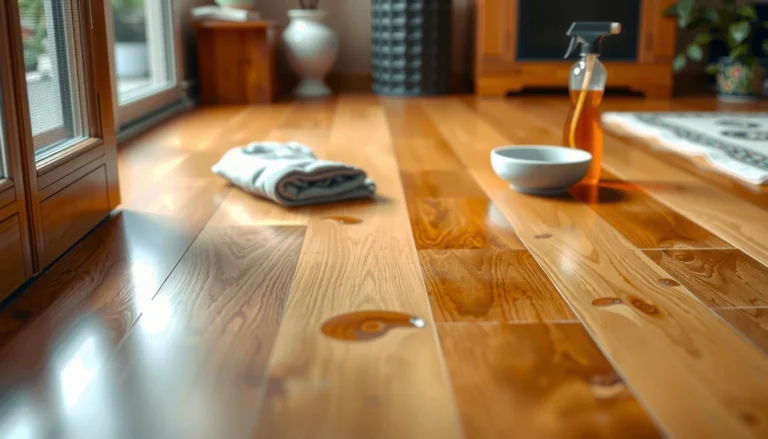
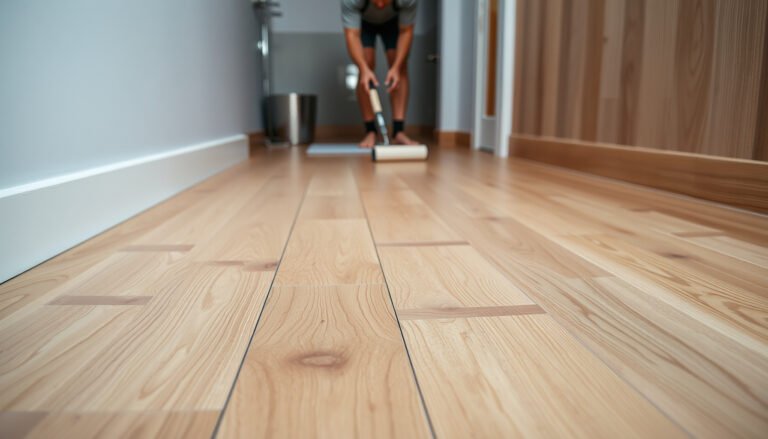
[…] sand and grit that can scratch vinyl over time. Clean with a pH-neutral vinyl floor cleaner and use minimal water—mopping should be damp, not wet. After cleaning, allow the floor to dry fully and promptly remove […]