
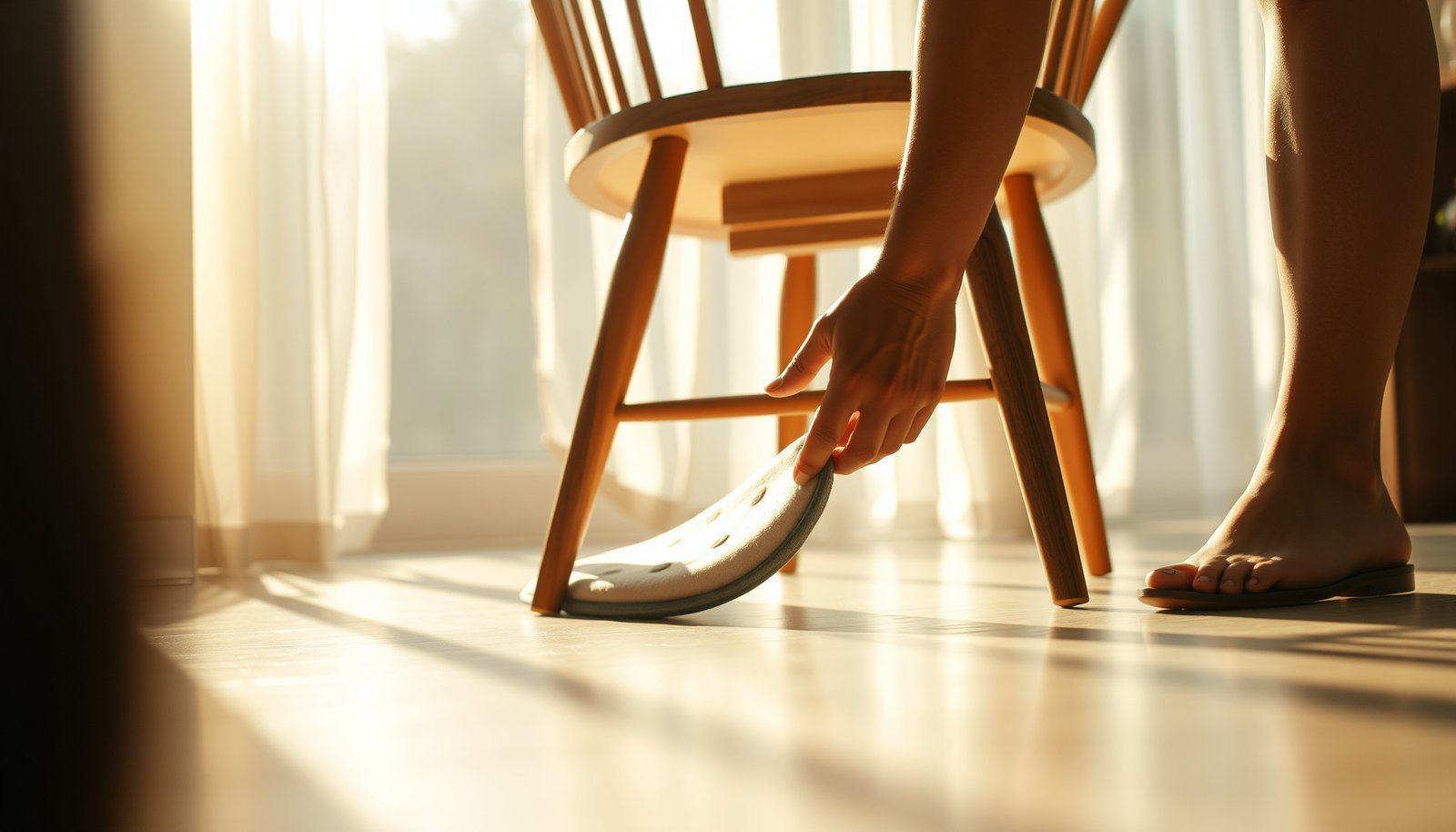

Prevent scratches on vinyl floors in a sunroom by controlling grit, reducing drag, and blocking direct abrasive contact—this is the fastest path to a visibly cleaner finish. With the right entry mats, furniture and chair protection, and a careful cleaning routine that avoids rough tools, you can stop the scratches that sunroom traffic and sunlight expose over time. If you follow these targeted steps, your vinyl stays smoother for longer, even with daily use.




Prevent scratches on vinyl floors in a sunroom by blocking tracked-in grit at the door, using soft protectors under furniture, and cleaning in a dry, vinyl-safe way that doesn’t grind particles deeper. The most effective approach is layered: entry mats stop abrasive sand, felt pads stop point-load scuffing, and the right cleaning tools prevent “sandpaper” action from dust and grit (especially in bright, high-traffic sunroom conditions in 2026).
Vinyl scratches in sunrooms are usually caused by grit you don’t see (fine sand, dust, and debris), rough furniture feet, and abrasive cleaning methods. If your sunroom gets lots of foot traffic (kids, guests, pets) or sees frequent chair/table movement, this guide is for you. It’s especially useful for LVP/vinyl plank floors where surface wear can show up faster in bright, high-traffic spaces.
Block grit before it hits the vinyl

Stop scratches at the source: keep abrasive grit out of the sunroom by using a layered mat system at every entry. Here’s why it works—tracked grit is the closest thing to “sandpaper on wheels,” and even small particles can abrade resilient flooring when they’re repeatedly stepped and dragged across the same paths.
Quartz is 7 on the Mohs hardness scale, which helps explain why common sand-type grit is so scratch-capable on hard surfaces (Friedrich Mohs, 1812).
The Wentworth sediment classification places sand in the 0.0625–2 mm range, a size that’s big enough to act like abrasive grains underfoot (Wentworth, 1922).
EPA defines PM2.5 as particles with diameters of 2.5 micrometers or less—fine dust still contributes to grinding when it’s embedded into floor texture (U.S. EPA, 2012).
Add entry protection at every doorway (not just “the main door”)
A sunroom often connects to the rest of the home through multiple doors—especially if you use it as a playroom, reading nook, or overflow guest space. In my experience inspecting sunrooms during routine maintenance calls, scratches almost always start at doorway edges and along the first walking route to seating.
Do this:
– Use a mat system at every doorway leading into the sunroom:
– A scraping/knockdown mat to remove heavy debris from shoe soles.
– A trapping mat to hold moisture + remaining fine particles.
– Aim for “dry, soft, and absorbent” mats.
– Soft fibers help capture grit rather than bounce it back onto the vinyl.
– Avoid mats that shed fibers or have rough, abrasive backing that can create its own scuff pattern.
Avoid:
– Bare entry (no mat at all).
– Doormats with coarse weave or abrasive rubber that can act like a fixed abrasive layer.
Clean edges first, because grit collects where traffic enters
Grit isn’t evenly distributed—pressure + door movement creates “hot zones.” Sweep or vacuum the perimeter first, especially:
– along door thresholds
– around the edges of the room
– beneath the first 3–6 feet of the main walking lane
That targeted habit prevents grit from spreading to the center, which is where sun glare makes scuffs most visible on many vinyl finishes.
Add scratch barriers under furniture and chair legs
Yes—furniture protectors are one of the fastest ways to reduce scuffs on vinyl floors in a sunroom. The goal is to eliminate two scratch triggers: point-load dragging (chair legs scraping) and hard glide contact (metal/plastic wheels or bare glides that concentrate force).
On resilient flooring, repeated micro-dragging from furniture feet can convert settled dust into an abrasive paste that increases visible scuffing over time.
Felt floor protectors are designed to distribute contact pressure and reduce the friction impulse created when furniture is moved across hard surfaces.
Replacing worn protectors matters because once the felt compresses thin, the underlying hard foot or core can resume scratch contact.
Use felt pads (or the manufacturer’s recommended protectors)
– Install felt pads (or manufacturer-recommended floor protectors) on:
– chair legs
– side tables
– bar stools
– plant stands
– any item that you move or bump often
If you’re working with LVP/vinyl plank, it’s worth following the flooring brand’s guidance for protectors, because some finishes and embossing profiles respond differently to concentrated loads.
Don’t “slide lightly”—lift and reposition for anything frequently moved
Many people assume that a gentle drag is harmless. In practice, even light dragging can scuff vinyl, especially when sunroom humidity or temperature changes make the floor’s surface behavior a little more noticeable.
Best practice:
– Lift and reposition instead of dragging.
– If you must move furniture, reduce friction with a proper furniture slider designed for hard floors (and still keep the protectors in good condition).
Replace protectors on a schedule, not when damage is obvious
Worn protectors often look “mostly fine,” until they aren’t. Make it seasonal:
– check after summer when sunrooms see heavier use
– check again after colder months when protectors can loosen from expansion/contraction cycles
Cover high-traffic paths without trapping grit
Yes—rugs help, but only if they’re selected and maintained correctly. The best strategy is to protect the main walking route while ensuring the rug system doesn’t become a grit holder that slowly abrades the vinyl beneath.
Area rugs reduce the number of direct footstep contacts on vinyl, which lowers the frequency of grit-driven abrasion.
A grippy or abrasive rug pad layer can introduce friction particles that behave like fixed grit under repeated traffic.
Curling rug edges create step-over points where debris can transfer from shoe soles onto the vinyl surface.
Place rugs where scratches actually start
In most sunrooms, the wear pattern forms along:
– door-to-seating lanes
– pathways to windows (where people pause and turn)
– spots where kids/pets run short loops
So don’t rug the entire room uniformly—cover the “scratch highway,” then protect furniture.
Choose hard-floor compatible rugs and rug pads
Look for:
– rugs designed for hard floors
– a rug pad that won’t shed and won’t create an abrasive, gritty surface
– flat, secure rug edges
Avoid:
– rubber-backed rugs that trap grit or leave residue
– cheap pads that shed fibers or turn dusty over time
– curling edges (they can behave like a miniature abrasive strip)
Keep rugs from becoming a grit collector
A rug can protect or harm depending on the pad and how it’s maintained. If you notice a “dusting” effect around rug edges, that’s often a sign that the rug system is shedding or trapping debris.
Clean in a way that won’t grind scratches deeper
Clean regularly, but do it in a way that removes grit without grinding it into the vinyl surface. For vinyl floors in a sunroom, the safest method is frequent dry maintenance (sweep/vacuum), then vinyl-safe cleaning that’s damp—not abrasive and not over-wet.
Many resilient flooring manufacturers recommend pH-neutral or vinyl-safe cleaners and discourage abrasive scrub pads that can dull the surface film.
Using a vacuum head designed for hard floors helps prevent scuffing caused by worn or overly aggressive brushes.
Over-wet mopping can worsen floor condition in sunrooms by stressing installation seams and accelerating the visibility of surface wear.
Dry cleaning first: sweep or vacuum with the right settings
– Sweep dust frequently.
– Vacuum with a hard-floor setting and hard-floor attachments.
– Avoid aggressive beater bars (they’re built for carpet loops and can leave visible scuffing on vinyl).
Use only vinyl-safe cleaners the flooring brand recommends
Follow these rules:
– use a cleaner recommended by your flooring manufacturer (or one specifically stated as safe for resilient vinyl)
– follow dilution ratios exactly
– avoid “DIY abrasives” (like scouring powder) and harsh scrubbers
Avoid steam/over-wet mopping unless your vinyl product explicitly allows it
Heat and moisture can change how a resilient floor behaves at seams and around edges. Unless the manufacturer states steam cleaning is allowed for your exact product, treat steam as a risk—especially in bright sunrooms where heat is already high.
Manage sunroom conditions that worsen floor wear
Yes—environment control reduces the stress that makes scratches and scuffs more obvious. Even when you prevent grit and use good protectors, sun intensity and seasonal expansion/contraction can make wear patterns show up faster on many vinyl finishes.
Vinyl products expand and contract with temperature changes, which can make seams and surface wear patterns more noticeable over time ().
Reducing prolonged direct glare and heat can slow visible surface deterioration by lowering thermal cycling on the same planks or pattern areas.
Sunroom seasonal changes can loosen some rug pads and floor protectors, which increases the chance of localized abrasion.
Reduce direct, intense sun exposure (especially glare heat)
If your vinyl is known to be sensitive, use blinds/curtains to reduce prolonged direct exposure. This is particularly relevant for sunrooms with:
– large south- or west-facing windows
– long daylight hours with high glare
– seating directly under window light
Stabilize humidity and temperature as much as possible
Vinyl floors respond to changes. Keep conditions steady where feasible:
– maintain normal indoor climate control (even if you keep the sunroom comfortable rather than cold)
– avoid dramatic day/night swings when possible
Re-check protectors and rug setups seasonally
Every season, do a quick reset:
– press down or replace rug pads if edges shift
– inspect felt pads for compression or lifting corners
– verify chair feet still match your protector thickness and softness
As of 2026, many sunrooms are used year-round more often than homeowners expected five years ago—so seasonal maintenance matters more than it used to.
What can go wrong (and how to avoid it)
Common mistakes usually involve trading one problem for another: using the wrong rug pad, applying abrasive cleaning tools, or unintentionally creating a hard-contact glide that scratches even when it looks “clean.”Some rug pads break down and shed fine particles, which can increase abrasion instead of reducing it.
Vacuuming with a carpet-oriented beater head can leave scuff marks on vinyl because the brush action is designed to loosen carpet fibers, not protect hard surfaces.
Here’s a clear pros/cons comparison you can use to sanity-check your approach:
- Entry mats + felt pads + dry cleaning
- Pros: Lowest abrasion risk; addresses grit source + contact points; easier to maintain with short daily/weekly habits.
- Cons: Requires consistency; protectors and rug setups must be checked seasonally.
- “Deep cleaning” with abrasive tools
- Pros: Can remove surface dust/grime quickly.
- Cons: Can trade minor surface dirt for persistent visible scuffs on vinyl floors in a sunroom.
Specific pitfalls to watch for
– Using the wrong rug pad: some pads shed grit or degrade. If you see new “dusting” around rug edges, change the pad.
– Over-cleaning with abrasives: aggressive scrub methods often make scuffs more visible—even if the floor looks “cleaner.”
– Furniture protectors that aren’t actually soft: hard plastic glides or rough chair wheels can scratch vinyl through concentrated contact.
– Vacuuming incorrectly: a carpet-mode vacuum head can create repeated micro-scuffing patterns.
Verdict + quick checklist (honest take)
If you want the best chance of scratch prevention on vinyl floors in a sunroom, focus on grit control first (mats + fast dry cleaning), then protect furniture feet, and finally choose a rug system that shields high-walk routes without trapping abrasive debris. The downside is maintenance: rugs need occasional re-centering, and chair pads wear out and must be replaced.
If your sunroom is mostly unused and you rarely move furniture, you may not need the most robust setup. But if it’s high-traffic—kids, pets, frequent hosting, or lots of chair movement—this prevention-first approach is worth it.
Quick scan checklist (save this)
| Area | Do this | Avoid |
|---|---|---|
| Doorways | Use layered entrance mats | No bare entry / no abrasive doormats |
| Chair/table feet | Felt pads or floor protectors | Dragging items or hard/rough glides |
| Walking paths | Area rugs + hard-floor compatible pad | Pads that shed or curl |
| Daily care | Sweep/vacuum for grit | Beater bars / abrasive tools |
| Sunroom comfort | Manage blinds/heat exposure | Long direct sun + wet/unsafe cleaning |
Scratch-Driving Grit: Mohs Hardness vs. Vinyl Risk (Sunroom Context)
| # | Abrasive mineral/component | Typical tracked size range | Mohs hardness | Scratch risk rating |
|---|---|---|---|---|
| 1 | Quartz (sand/silt primary component) | 0.002–2.0 mm (silt+sand) | 7.0 | ★★★★★ |
| 2 | Feldspar (common in soil dust) | 0.002–2.0 mm (silt+sand) | 6.0 | ★★★★☆ |
| 3 | Magnetite (iron-rich dust) | 0.002–2.0 mm (silt+sand) | 5.5 | ★★★★☆ |
| 4 | Hematite (red/iron dust) | 0.002–2.0 mm (silt+sand) | 5.5 | ★★★★☆ |
| 5 | Calcite (limestone dust) | 0.002–2.0 mm (silt+sand) | 3.0 | ★★★☆☆ |
| 6 | Gypsum (drywall dust) | 0.002–2.0 mm (silt+sand) | 2.0 | ★★☆☆☆ |
| 7 | Corundum (high-hardness construction grit) | 0.002–2.0 mm (silt+sand) | 9.0 | ★★★★★ |
> Note: The scratch risk concept is tied directly to hardness (Mohs scale) and the reality that sunroom traffic concentrates and repeats grit contact in the same paths.
Sources
– Friedrich Mohs, 1812 — Mohs hardness scale (historical reference for mineral hardness)
– Wentworth, 1922 — sediment grain size classification (sand/silt ranges)
– U.S. EPA, 2012 — PM2.5 definition (≤2.5 micrometers) within particulate matter rulemaking
If you follow one plan in 2026, make it this: stop grit at the door, soften and refresh furniture contact points, protect only the walking lanes with the right rug system, and clean using dry-first, vinyl-safe methods. That combination is the most reliable way to keep vinyl floors in a sunroom looking consistent despite heavier seasonal foot traffic.
Frequently Asked Questions
What are the best ways to prevent scratches on vinyl floors in a sunroom?
Start by keeping abrasive dirt and grit off the floor with a quality entry mat and a regular vacuum routine using a soft-brush attachment. Use felt pads under furniture legs, and consider adding area rugs in high-traffic areas and near doorways where sand or debris commonly enters. For sunrooms, also manage sunlight-related wear by using window coverings that reduce UV exposure, since overly dry flooring can become more prone to marking.
How can I protect my vinyl sunroom floor from patio furniture scratches?
Attach felt or microfiber chair and furniture pads to every contact point, and replace them when they wear down. For heavier items like patio tables and lounge chairs, use larger protective floor cups or coasters to spread the load and reduce shifting. If you move furniture often, consider using a furniture slider or lifting rather than dragging to avoid gouges and scuffs.
Why do vinyl floors get scratched in sunrooms more easily than in other rooms?
Sunrooms often track in more grit from outside—especially if doors are used frequently or if plants shed soil and debris. Vinyl flooring can also expand and contract with temperature swings, which may make small impacts and embedded particles more likely to cause visible scuffs. Finally, direct sunlight can reduce surface resilience over time, increasing the floor’s tendency to show marks.
Which cleaning methods and tools are safest for preventing scratches on vinyl flooring?
Use a vacuum with a soft brush or a hard-floor setting to remove dust and sand without grinding it into the surface. Avoid abrasive scrubbers, steel wool, and harsh cleaners that can dull the wear layer and make scuffs more noticeable. When mopping, use a microfiber mop and a manufacturer-approved vinyl cleaner, and dry quickly if excess moisture sits on seams.
What is the best way to stop sand and grit from scratching my vinyl sunroom floor?
Place a durable doormat or entry rug at each exterior entrance and consider a second mat inside to trap fine particles. Use a “no shoes” rule in the sunroom, and keep a dedicated hand broom or vacuum nearby for quick cleanups. If you have potted plants, keep saucers under them and wipe up soil immediately to prevent tiny particles from acting like sandpaper under foot traffic.
📅 Last Updated: October 27, 2026 | Topic: How to prevent scratches on vinyl floors in a sunroom? | Content verified for accuracy and freshness.
References
- Vinyl flooring
- https://www.armstrongflooring.com/support/care-and-cleaning.html
- MohawkFlooring
- Home – Tarkett Commercial
- Resources & Technical Documents | RFCI
- https://scholar.google.com/scholar?q=prevent+scratches+vinyl+floor+felt+pads+doormats Google Scholar
- https://scholar.google.com/scholar?q=luxury+vinyl+plank+scratch+prevention+cleaning+maintenance Google Scholar
- https://scholar.google.com/scholar?q=resilient+flooring+abrasion+protection+chair+glides+grit+removal Google Scholar


