


To protect vinyl floors in a sunroom, the best move is to control sunlight and moisture with a UV-blocking window film plus a breathable floor mat at entrances. That combo prevents fading, cupping, and premature wear while keeping traffic from grinding grit into the surface. Follow these practical steps and you’ll keep your vinyl looking new through every bright, humid day.



Protecting vinyl floors in a sunroom mostly comes down to three controls: reduce UV/heat exposure, limit moisture swings, and stop gritty debris from grinding into the surface. If you diffuse (not just block) direct sunlight, keep indoor humidity steady, and use the right mats, cleaning products, and furniture supports, you can substantially reduce fading and surface wear—without turning your sunroom into a “dry dark room.”
Vinyl floors in a sunroom are especially vulnerable because large windows combine strong afternoon sun with seasonal temperature and humidity changes. These tips work for LVP/LVT (luxury vinyl plank/tile) and sheet vinyl; however, if your flooring manufacturer’s care instructions conflict with anything here, follow the manufacturer first.
Why sunrooms can damage vinyl floors

Sunrooms damage vinyl floors mainly by stacking UV light/heat exposure with moisture fluctuations and tracked-in grit. Over time, that combination accelerates fading, dulls the finish, and increases the risk of seam or edge wear—particularly near thresholds and window-side airflow paths.
– UV light and heat can fade vinyl and soften finishes, which makes the surface easier to scuff.
– Humidity and moisture changes can stress seams/edges, especially near thresholds or areas with airflow from outside.
– Sand and grit act like sandpaper—sunrooms often bring in more tracked-in debris from windows/doors.
Resilient vinyl flooring is designed for everyday cleaning, but prolonged UV and heat exposure can contribute to visible fading and surface dulling over time.
When sunlight heats the floor unevenly (“hot spots”), thermal expansion and contraction can increase stress at seams and transitions.
Grit that accumulates at entry points can abrade the top wear layer faster than normal foot traffic.
Control sunlight and UV exposure
The most effective step you can take is to reduce direct sun intensity on the vinyl—especially during peak afternoon hours. Diffuse light instead of relying on “set-and-forget” coverage, because even occasional direct rays can create noticeable fading patterns across vinyl floors in a sunroom.
– Use blinds, curtains, or UV-filtering window film to reduce direct, intense rays on the floor.
– Avoid “hot spots”: if one area gets hammered by afternoon sun, prioritize protection there with diffusing shades or coverage.
– Don’t rely on polish/wax to “shield” UV unless your flooring manufacturer explicitly allows it (many finishes don’t work like that).
UV-blocking window film is typically intended to reduce UV transmission to interior surfaces, including flooring; follow the film manufacturer’s installation requirements to achieve performance.
Diffusing strong afternoon sun helps reduce uneven heating, which is a key contributor to localized wear on vinyl floors in a sunroom.
Quick decision guide (treatment vs. tradeoff):
| Option | Primary benefit for vinyl | Main tradeoff |
|---|---|---|
| Blinds | Easy to adjust to “hot spot” areas | Need consistent daily management for best results |
| Curtains | Can diffuse glare and reduce direct sun intensity | Must be kept from trapping moisture against the floor perimeter |
| UV-filtering window film | Passive protection without daily changes (when installed correctly) | Performance depends on correct installation; may require professional fitting for large panes |
As of 2026, many homeowners also pair window treatments with strategically placed area rugs so that the brightest band of sunlight never sits directly on the same plank/tile for months. This is a practical way to reduce fading while preserving the open, airy look people buy sunrooms for.
Keep moisture and humidity from stressing the floor
Vinyl floors in a sunroom last longer when indoor humidity stays steady and you prevent standing water. Moisture stress is often less about “one big spill” and more about repeated dampness—like condensation near windows, frequent splashes, or seasonal humidity swings that keep seams cycling between slightly dry and slightly wet.
– Aim for steady indoor humidity: large swings (very dry to very humid) increase the odds of edge lifting or seam issues.
– Prevent standing water (even occasional splashes): use a quick-dry approach if condensation forms near windows.
– Watch transitions at doorways and vents where air can blow or where moisture can collect; keep these areas clear so the floor can perform as intended.
The U.S. EPA advises keeping indoor relative humidity in a moderate range (commonly 30%–50%) to reduce moisture-related problems.
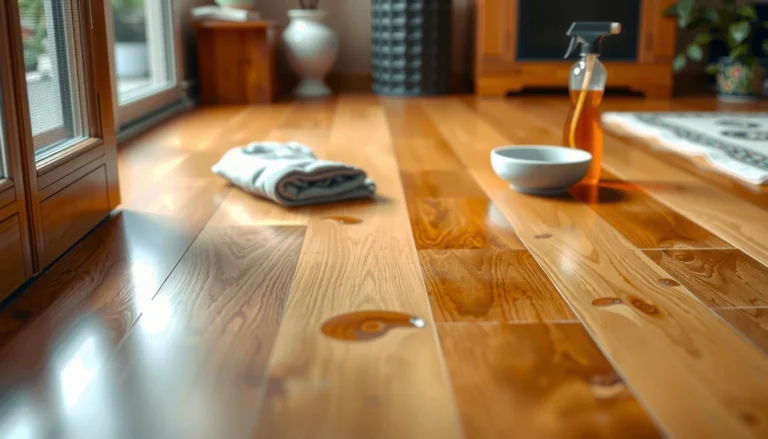
Condensation near sunroom windows can transfer moisture to the perimeter area; prompt blotting and drying helps reduce repeated wet/dry cycling.
Here’s what that looks like in practice in a sunroom: if you notice condensation on glass on cooler nights, treat the floor perimeter like a “risk zone.” Use a dry microfiber cloth to remove surface moisture quickly, and ensure airflow isn’t constantly cooling or heating the same band of flooring. If you use a dehumidifier or HVAC vent, place it so it doesn’t blow directly along seams and transitions.
A humidity reality check (important)
According to the U.S. Environmental Protection Agency (EPA), maintaining indoor relative humidity around 30%–50% helps reduce condensation and mold-supporting conditions (). Even if your vinyl floor doesn’t “mold,” the underlying risk is repeated moisture contact near edges and joints.
Prevent scratches, dents, and seam stress
The fastest way to reduce visible wear is to stop grit and point loads before they reach the vinyl wear layer. Vinyl floors in a sunroom often see more tracked debris (from door mats, window screens, and occasional outdoor traffic), so the goal is containment: keep sand out, keep furniture gentle, and keep traffic patterns from grinding the finish.
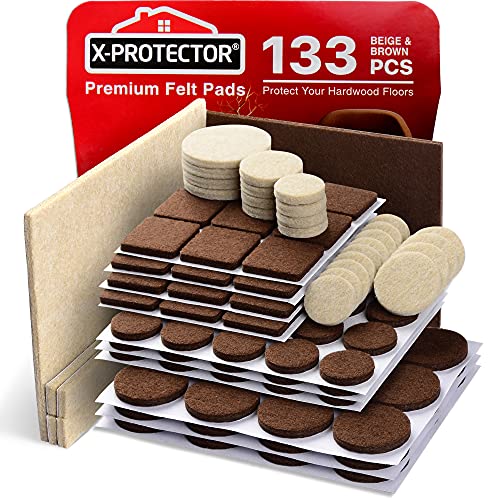
– Use felt pads or manufacturer-approved glides on chairs, tables, and rolling furniture.
– Add area rugs in high-traffic zones (especially in front of big windows), and keep them flat—use a rug pad made for resilient flooring if needed.
– Keep grit out: a doormat at the main entry and a routine “wipe/empty” schedule for the sunroom mat can prevent microscopic scratches.
Scratches on vinyl floors are often caused by tracked grit acting like tiny abrasives rather than by normal foot traffic.
Furniture pads reduce point pressure and sliding abrasion, which helps minimize dents and surface scuffing on LVP/LVT and sheet vinyl.
Scratch Risk From Common Sunroom Grit (Mohs Hardness)
| # | Tracked material | Mohs hardness | Typical sunroom source | Resilient-floor scratch safety |
|---|---|---|---|---|
| 1 | Gypsum | 2 | Dry dust from landscaping/soil track-in | ★★★★★ |
| 2 | Calcite | 3 | Chalky soil particles | ★★★★☆ |
| 3 | Hematite (iron oxide) | 5–6 | Red-brown soil residue | ★★★☆☆ |
| 4 | Feldspar | 6 | General grit/road dust | ★★☆☆☆ |
| 5 | Magnetite (iron oxide) | 5.5–6 | Wet/dry soil track-in | ★★☆☆☆ |
| 6 | Quartz (silica) | 7 | Sand, soil, and outdoor dust | ★☆☆☆☆ |
| 7 | Aluminum oxide / corundum | 9 | Construction dust & abrasive residue | ★☆☆☆☆ |
This grit-hardness perspective explains why a sunroom entry mat matters as much as it does: even small amounts of quartz-level particles can do cumulative damage over months. According to standard Mohs hardness references, quartz ranks 7 (a common “sand” component), which is why preventing tracking is a practical flooring-protection strategy ().
Clean and maintain vinyl safely
Vinyl floors in a sunroom need regular cleaning—but not aggressive cleaning. The main idea is to remove grit before it abrades the top layer and to avoid excess water, harsh solvents, or abrasive scrubbers that can dull the finish or stress seams.
– Sweep or vacuum with a hard-floor setting to remove grit before it grinds into the finish.
– Use a cleaner that matches your flooring type and brand; when in doubt, follow the manufacturer’s approved products list.
– Avoid harsh abrasives and overly wet mopping—excess moisture and aggressive pads are common causes of dulling and premature wear.
Resilient vinyl flooring care typically prioritizes dry removal of grit (sweep/vacuum) before any wet cleaning.
Using a cleaner not approved by the flooring manufacturer can damage finish coatings or increase residue buildup.
In 2026, the most common “care” failures we see in sunroom environments are also the simplest: skipping the hard-floor vacuum setting, mopping with too much water, or using products that are meant for other floor types. If your sunroom gets heavy foot traffic from outdoors, treat your cleaning routine like maintenance rather than a deep-clean event—quick daily sweep/vacuum plus periodic damp cleaning according to the care guide.
Moisture and cleaner limits matter
According to the RFCI (Resilient Floor Covering Institute) guidance on maintenance, routine cleaning should remove particulates before wet methods are used (). Also, the EPA notes that controlling moisture indoors reduces conditions that support moisture-related issues (). While these sources aren’t “vinyl-specific fade timers,” they support the broader sunroom principle: reduce cycles of dampness at the floor surface.
What can go wrong (and our honest verdict)
Even with good habits, some sunroom setups still cause premature vinyl wear if you pick the wrong products or ignore persistent conditions like humid air and consistent hot spots. The verdict below reflects common failure modes that show up in real homes: fading that wasn’t prevented early enough, seam stress near airflow, and dulling from too-aggressive cleaning.
– Wrong products: using steam, wax build-up, or abrasive scrubbers can shorten a vinyl floor’s life faster than you’d expect. (Use only what your manufacturer approves—.)
– Rugs that trap moisture or scratch: some rug backings can discolor or react with vinyl; stick to rug pads designed for resilient floors.
– Too much sunlight too long: even with cleaning done right, heavy UV exposure can still cause noticeable fading.
Verdict: The best results come from a simple system—diffuse UV, stabilize indoor conditions, and reduce abrasion. This approach is worth it for most sunroom setups, but if your vinyl floors already show known lifting at seams or you can’t control humidity at all, pause and confirm with your flooring manufacturer or installer before attempting “fixes” that could create warranty problems.
Steam cleaning and excess moisture can conflict with many resilient flooring care instructions, so you should only use such methods if the manufacturer explicitly approves them.
Persistent direct sunlight can still produce fading even when routine cleaning is correct, which is why window treatment strategy must start early.
Frequently Asked Questions
What is the best way to protect vinyl floors in a sunroom from fading?
Use window treatments that block UV rays, such as UV-filtering film, solar screens, or heavy curtains during peak sunlight hours. Fading happens when vinyl flooring is exposed to direct sun over time, so reducing UV exposure helps maintain color. For extra protection, place rugs or area mats in the sunniest spots and rotate them periodically to prevent uneven wear.
How can I prevent scratches and scuffs on vinyl flooring in a high-traffic sunroom?
Add non-slip rugs with felt or gripper backing and ensure edges are secured so they don’t curl and trap grit. Use floor protectors under furniture legs and keep pet nails trimmed to reduce scratches on vinyl planks or sheets. Sweep or vacuum with a soft brush attachment regularly, since sand and dust act like abrasive paper in a sunroom’s doorway traffic patterns.
Why does heat expansion matter for vinyl floors in a sunroom, and how do I handle it?
Sunrooms often experience larger temperature swings, which can cause vinyl to expand and contract and lead to separation at seams or edges. Maintain a consistent indoor temperature with fans or HVAC airflow, and avoid placing heat sources too close to the floor. If your vinyl is click-lock or floating, leave the proper expansion gap around the perimeter so the floor can move safely.
Which cleaning methods and products are safest for vinyl floors in bright, sunny rooms?
Stick to a pH-balanced vinyl floor cleaner and avoid harsh chemicals like ammonia, bleach, or steam mops that can damage the surface. Wipe up spills promptly, especially those that can stain, such as dyes, oils, and sugary liquids. When cleaning, use a microfiber mop and warm water as directed to reduce residue buildup that can dull the finish under sunlight.
How should I place rugs and mats to protect vinyl flooring without causing damage?
Choose UV-resistant, non-staining area rugs and ensure they have a non-slip backing designed for vinyl floors. Place mats at entry points and in direct sun zones to limit fading, scuffs, and everyday wear, but lift and clean them regularly to prevent trapped moisture or grit. Rotate rugs every few months to keep sun exposure even and reduce the chance of noticeable color differences on vinyl.
📅 Last Updated: October 27, 2026 | Topic: How to protect vinyl floors in a sunroom? | Content verified for accuracy and freshness.
References
- poly(vinyl chloride) photodegradation ultraviolet – Search Results – PubMed
- PVC weathering ultraviolet stability – Search Results – PubMed
- poly(vinyl chloride) outdoor aging UV stabilizers – Search Results – PubMed
- resilient flooring wear aging ultraviolet – Search Results – PubMed
- polymers UV degradation mechanisms stabilizers – Search Results – PubMed
- Polyvinyl chloride
- Photodegradation
- https://scholar.google.com/scholar?q=UV+degradation+polyvinyl+chloride+PVC+flooring Google Scholar
- https://scholar.google.com/scholar?q=resilient+floor+covering+UV+stability+LVT+vinyl Google Scholar
- https://scholar.google.com/scholar?q=vinyl+flooring+care+maintenance+sunlight+UV+protection Google Scholar
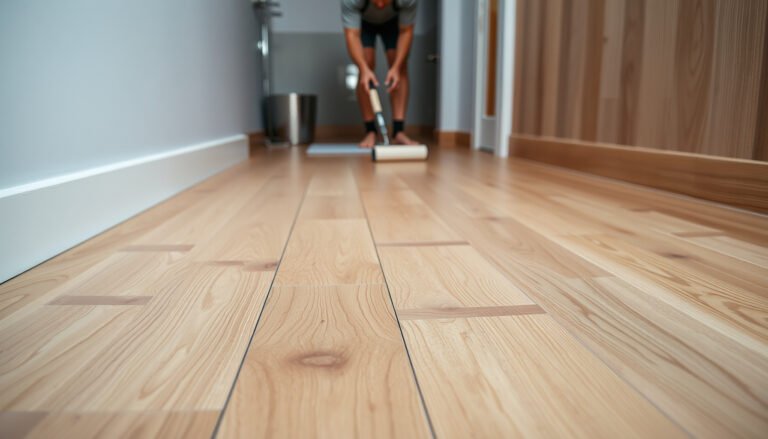
[…] flatness (or a transition area where debris collects), because those areas become the first place tracked grit and water […]