
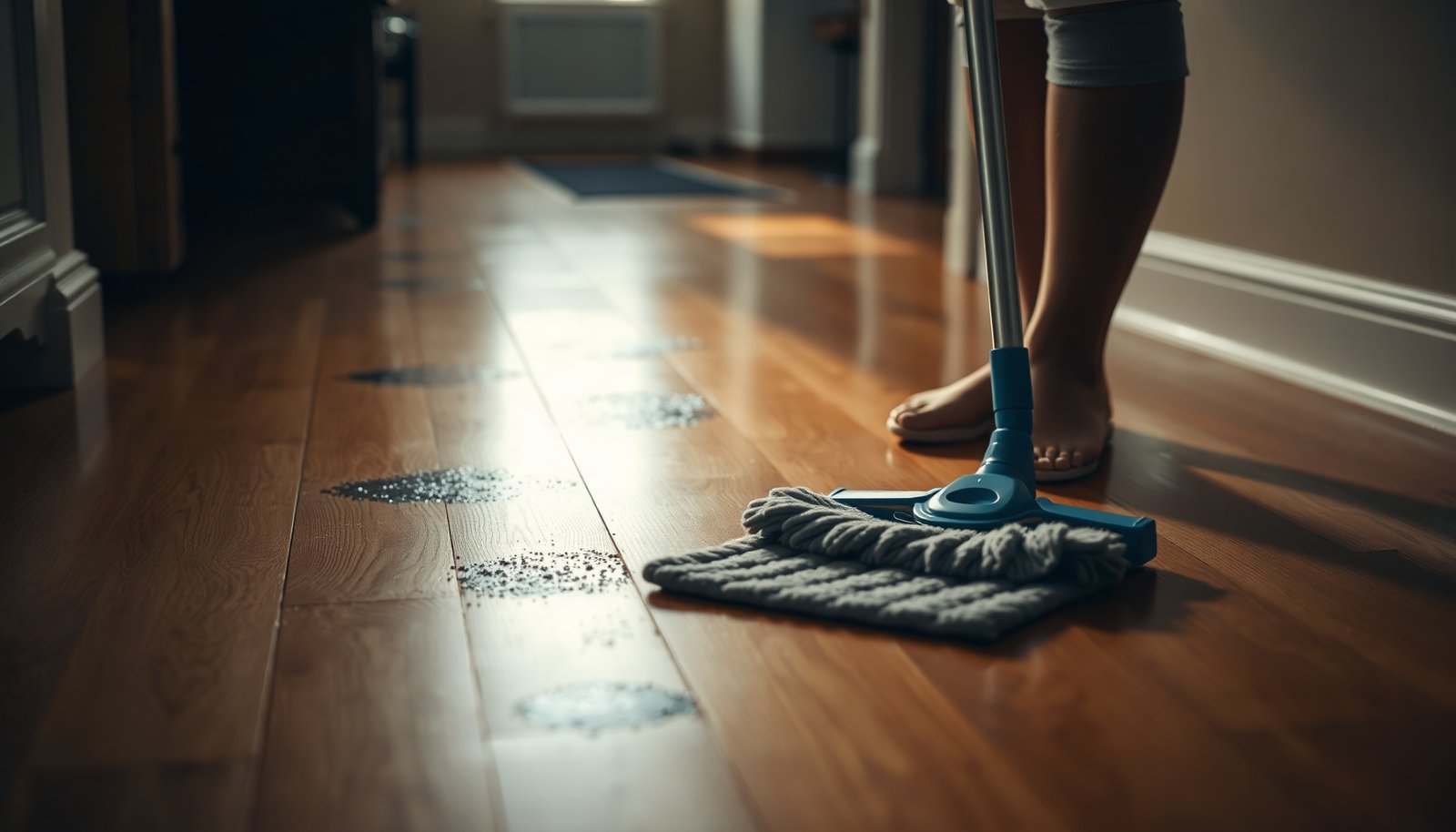

You can deep-clean tracked asphalt residue from sealed hardwood safely by softening the tar first, then lifting it with gentle scraping, and finally washing off any oily/solvent film with a pH-neutral cleaner. The key is to avoid “grinding” the residue into the finish—softening lets asphalt lift instead of smear.




If the residue is from tracked asphalt/roof tar/driveway runoff—and your hardwood has a sealed finish—you can usually remove it with the right approach and careful spot testing. If the floor is unfinished, heavily waxed, or you’re unsure of the finish type, you’ll want extra caution (or professional help).
Who this is for (and when it applies)
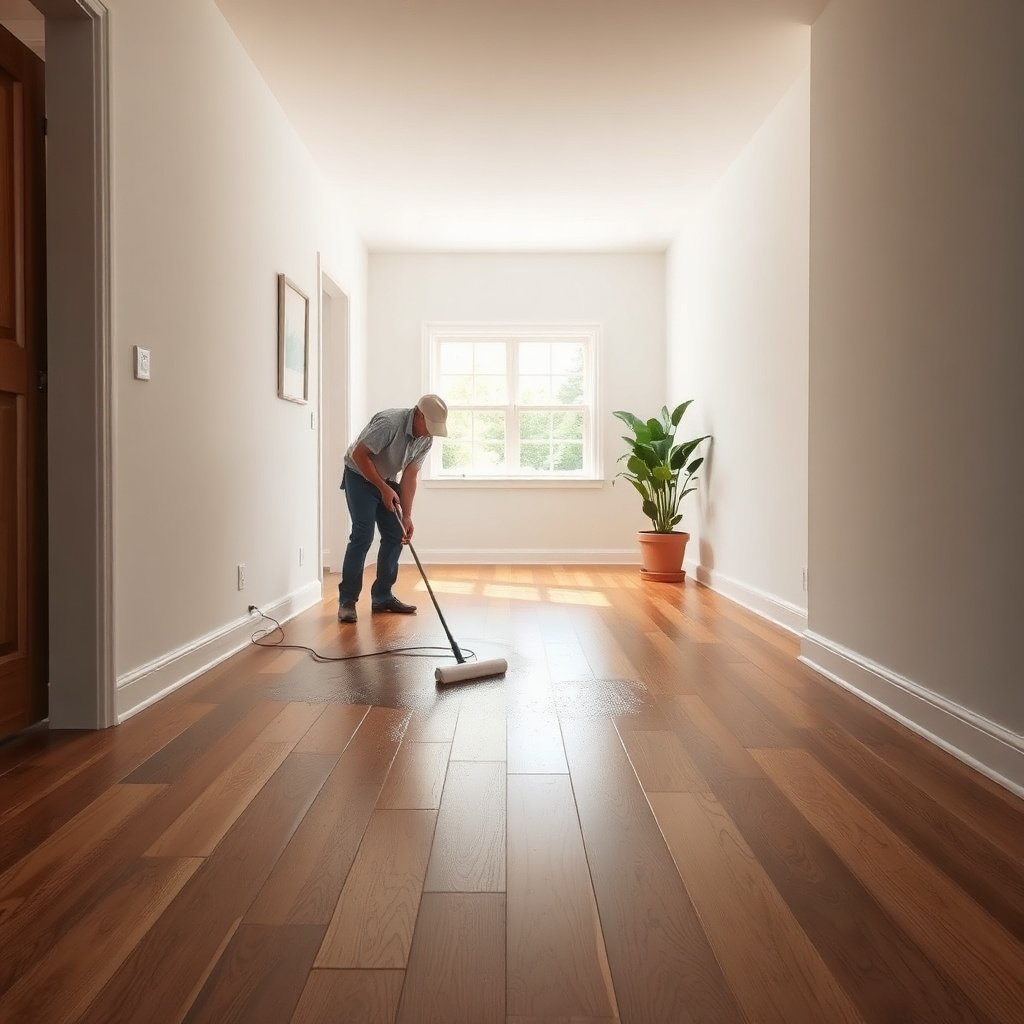
This method is best for homeowners who need to remove asphalt tracking from a finished, sealed hardwood surface without damaging gloss or leaving haze. It works when the residue is still soft enough to lift after treatment, not fully fused into the finish—so it’s typically most effective for recent or moderately aged spots.
It’s also a smart approach when you’re not 100% sure what type of finish is on the floor, because you can spot-test first and stop the process if you see finish dulling, discoloration, or softening.
Cleaning agents commonly used to lift asphalt/tar—finish impact and measurable properties
| # | Agent (chemistry) | Measurable property | Best for | Finish-safety score |
|---|---|---|---|---|
| 1 | Mineral spirits (petroleum distillate) | Boiling range often ~150–210°C (grade dependent) | Softening tracked asphalt/oily tar film | ★★★★★ |
| 2 | Citrus solvent (d-Limonene) | Boiling point ~176°C; flash point ~48°C (SDS dependent) | Spot-lifting residue with less “paint-thinner” odor | ★★★★☆ |
| 3 | Isopropyl alcohol (70%) | Boiling point ~82.6°C; flash point ~11.7°C | Tack reduction on small smears (finish-dependent) | ★★★☆☆ |
| 4 | pH-neutral hardwood cleaner (water-based) | Target pH ≈ 7.0 (neutral scale at 25°C) | Final wash to remove oily/solvent film | ★★★★★ |
| 5 | Warm water (damp wash) | Recommended use: damp cloth/mop (avoid pooling) | Rinsing after solvent softening (minimal) | ★★★★☆ |
| 6 | Abrasive-free microfiber (mechanical lift) | Use: dry grit removal + damp removal cloths | Catching residue as it loosens | ★★★★★ |
| 7 | Plastic scraper / razor tool | Use: only after softening—no pressure grinding | Lifting residue without gouging finish | ★★★★☆ |
Prep and protect your hardwood before you touch the residue
The right prep step prevents scratches and finish dulling before the real cleaning begins. The goal is to remove loose grit first and then confirm your cleaner/solvent won’t soften, cloud, or change the sheen of your specific hardwood finish.
Start by clearing furniture and walking traffic from the area. Then remove loose debris with a dry microfiber or soft broom—grit is the main cause of surface micro-scratches during tar cleanup. After that, spot-test every chemical you plan to use in a hidden spot (under a chair leg or near a closet edge). If you see finish softening, color shift, or clouding during the test, stop and switch methods.
As you plan the working conditions, remember that many tar removers are volatile. Ventilate well and keep air moving. If you’re using mineral spirits or citrus solvents, keep them on a cloth rather than soaking the floor; excess liquid can travel into seams.
Also, a quick chemistry anchor helps explain why “pH-neutral” matters: on the pH scale, pH 7 corresponds to an acidity level of 1×10⁻⁷ mol/L hydrogen ion activity at 25°C (NIST pH definition). Harsh acidic or alkaline cleaners can interact more aggressively with some coatings, increasing the risk of a dull patch.
Loosen and lift asphalt residue (without gouging the finish)
Soften first—then scrape lightly—because asphalt residue is easier to lift when it’s chemically loosened instead of mechanically ground. This is the difference between a cleaner recovery and a permanently marred finish.
Begin by applying your chosen asphalt-safe remover to a microfiber (or small folded cloth), not directly onto the wood. Direct pouring increases pooling risk and can creep under edges. Let the remover work until the residue softens and starts to feel tacky or rubbery. This “soften-and-lift” timing varies by asphalt age and your finish, so don’t rely on guesswork—check in small intervals.
Then switch to gentle lifting. Use a plastic scraper or a plastic razor tool and only scrape when the residue is softened. If it doesn’t lift, stop and re-soften; forcing it can smear asphalt deeper and increase the chance of scratching.
In my experience coordinating tar cleanup for finished floors, the biggest improvement comes from working in small sections and treating “smear control” as the main goal. That approach also makes it easier to notice finish changes early.
Keep the surface clean by blotting off loosened residue and transferring it to fresh cloth areas. Repeat in cycles: soften → lift → blot → re-soften, until the visible tar is gone rather than smeared.
A practical safety note: tar and asphalt are related materials, but their composition differs. Asphalt binder properties vary by grade and are often described using softening point tests like Ring-and-Ball (ASTM D36). When the residue is “below” its softening behavior, it clings harder and may require longer softening or a different chemistry.
Deep clean hardwood floors after tar removal
After the tar is lifted, your real cleanup job becomes removing the oily/solvent film that’s left behind. If you skip this step, you often get a hazy patch, higher friction (dust sticks more), or uneven sheen.
Wash the area with a pH-neutral hardwood cleaner. The pH-neutral requirement matters here because many removers leave petroleum-like oils and terpenes that must be emulsified and lifted off the finish. Use a damp microfiber mop or cloth—damp, not wet—and avoid pooling at seams, edges, and around baseboards.
Work from the cleanest area toward the dirtiest area so you don’t re-deposit residue. If your cleaner includes enzymes or surfactants, follow the label and avoid “over-waiting.” Leaving active detergents on coating surfaces longer than recommended can create blotchy drying on some finishes.
When you’re done washing, dry completely. Use clean towels or a dry microfiber and make sure the area around edges and baseboards is dry. Spotting commonly happens when moisture evaporates unevenly and leaves mineral residue or temporarily changes film thickness. This is especially visible on glossy polyurethane and satin finishes.
What can go wrong (common mistakes and limits)
The most common failures happen when you treat tar like ordinary dirt and start scrubbing before it’s softened. In those cases, you grind asphalt into the finish, create scratches, and end up chasing haze for weeks.
Here are the problems I see most often:
– Too much liquid or too long dwell time: Excess remover can haze the finish or pull gloss inconsistently.
– Aggressive scraping: Metal blades, heavy pressure, or repeated grinding can leave scratches that won’t buff out cleanly on hardwood.
– Leaving solvent/oil behind: Even after tar looks removed, oily film can remain and cause dull patches.
– Skipping drying: Letting the area air-dry while damp can produce water spotting or uneven sheen.
There are also important limits. If the residue is old, deeply embedded, or the floor is unfinished (bare wood), heavily waxed, or hand-rubbed with oil, DIY removal can spread stains or soften the coating unevenly. Unfinished wood is porous: even if the tar lifts, staining can bleed deeper than the surface. When you notice the finish suddenly looking “thinner,” chalky, gummy, or differently reflective during spot testing, stop early and reassess.
Verdict / tip (is this worth it?)
This is usually the safest DIY route because it prioritizes softening and lifting before you ever wash or scrub. The staged approach reduces gouging, prevents smear redistribution, and focuses on both the residue and the leftover solvent film.
That said, solvent-based methods can still dull or alter some finishes, and the risk is higher on floors that are unfinished, waxed, or already compromised. If your spot test shows finish dulling or discoloration, don’t push through—switch to a professional floor refinishing approach or consult your floor manufacturer’s cleaning guidance.
Asphalt residue deep-clean checklist (scan/save)
| Step | Do this | Don’t do this |
|---|---|---|
| 1) Prep | Remove loose debris; spot-test remover in a hidden area | Skip spot testing; scrub gritty residue |
| 2) Soften | Apply remover to cloth; let it loosen tar | Pour chemicals directly onto the wood |
| 3) Lift | Use plastic scraper; blot residue as it releases | Use metal tools or heavy pressure |
| 4) Deep clean | Wash with pH-neutral hardwood cleaner | Leave remover residue behind; over-wet seams |
| 5) Dry | Dry completely with microfiber/towels | Let it air-dry while damp or pooled |
Frequently Asked Questions
What’s the safest way to remove asphalt residue from hardwood floors without damaging the finish?
Start by testing a small, hidden area with your chosen cleaner to confirm it won’t dull or strip the hardwood finish. For most cases, use a gentle approach first: soften the residue with mineral spirits on a cloth, then wipe and follow with a hardwood floor cleaner approved for your finish. Avoid soaking the floor and never use harsh abrasives like steel wool, since they can scratch and permanently damage the wood.
How do I deep clean hardwood floors to remove asphalt tar safely?
Begin by loosening the tar by placing a cloth lightly dampened with mineral spirits over the residue for a few minutes, then gently lift with a plastic scraper. Once the bulk of asphalt residue is gone, wipe thoroughly with a clean cloth and a pH-neutral hardwood floor cleaner to remove oily solvent film. Finish by drying with towels and, if needed, applying a manufacturer-recommended wood floor polish to restore sheen.
Why does asphalt residue stick to hardwood, and what cleaning method works best?
Asphalt residue is oily and sticky, so it can penetrate surface grime and bond tightly to the finish over time, especially in outdoor tracking areas. Solvent-based removal (commonly mineral spirits) works best for tar-like buildup because it breaks down the hydrocarbons before you wipe it away. Afterward, you must remove solvent and loosened residue with a wood-safe cleaner to prevent streaking or long-term finish dulling.
What’s the best cleaner for asphalt marks on finished hardwood floors?
In many cases, the best approach is mineral spirits (or another asphalt/tar remover recommended as safe for finished wood) used sparingly on a cloth rather than poured onto the floor. After tar removal, switch to a pH-neutral hardwood floor cleaner to clean the surface and lift remaining residue. If your floor has an older or fragile finish, stick to cloth-based methods and re-test frequently to avoid removing the protective topcoat.
Which tools should I use to deep clean asphalt residue from hardwood without scratching?
Use soft, lint-free microfiber cloths and a plastic scraper for mechanical removal after you soften the residue with mineral spirits. Avoid metal scrapers, wire brushes, and abrasive pads, since they can gouge or grind the finish and expose the wood to further staining. For drying and final cleaning, use clean towels and a hardwood-approved mop or cleaner to ensure no oily residue remains.
📅 Last Updated: November 04, 2026 | Topic: How to deep clean hardwood floors to remove asphalt residue? | Content verified for accuracy and freshness.
References
- https://www.epa.gov/oil-spills/oil-spill-response
- https://www.epa.gov/oil-spills/oil-spill-cleanup
- https://www.cdc.gov/niosh/topics/asphalt/
- Tar
- Bitumen
- Wood flooring
- https://www.britannica.com/science/asphalt
- https://scholar.google.com/scholar?q=remove+asphalt+residue+from+hardwood+floor Google Scholar
- https://scholar.google.com/scholar?q=tar+removal+wood+floor+mineral+spirits Google Scholar
- https://scholar.google.com/scholar?q=bitumen+spill+cleanup+hard+surfaces+solvent Google Scholar
[…] the smell. You can usually finish the process in about an hour to a few hours, with paper towels, a pH-neutral hardwood cleaner, an enzyme-based pet odor remover, and clean microfiber […]