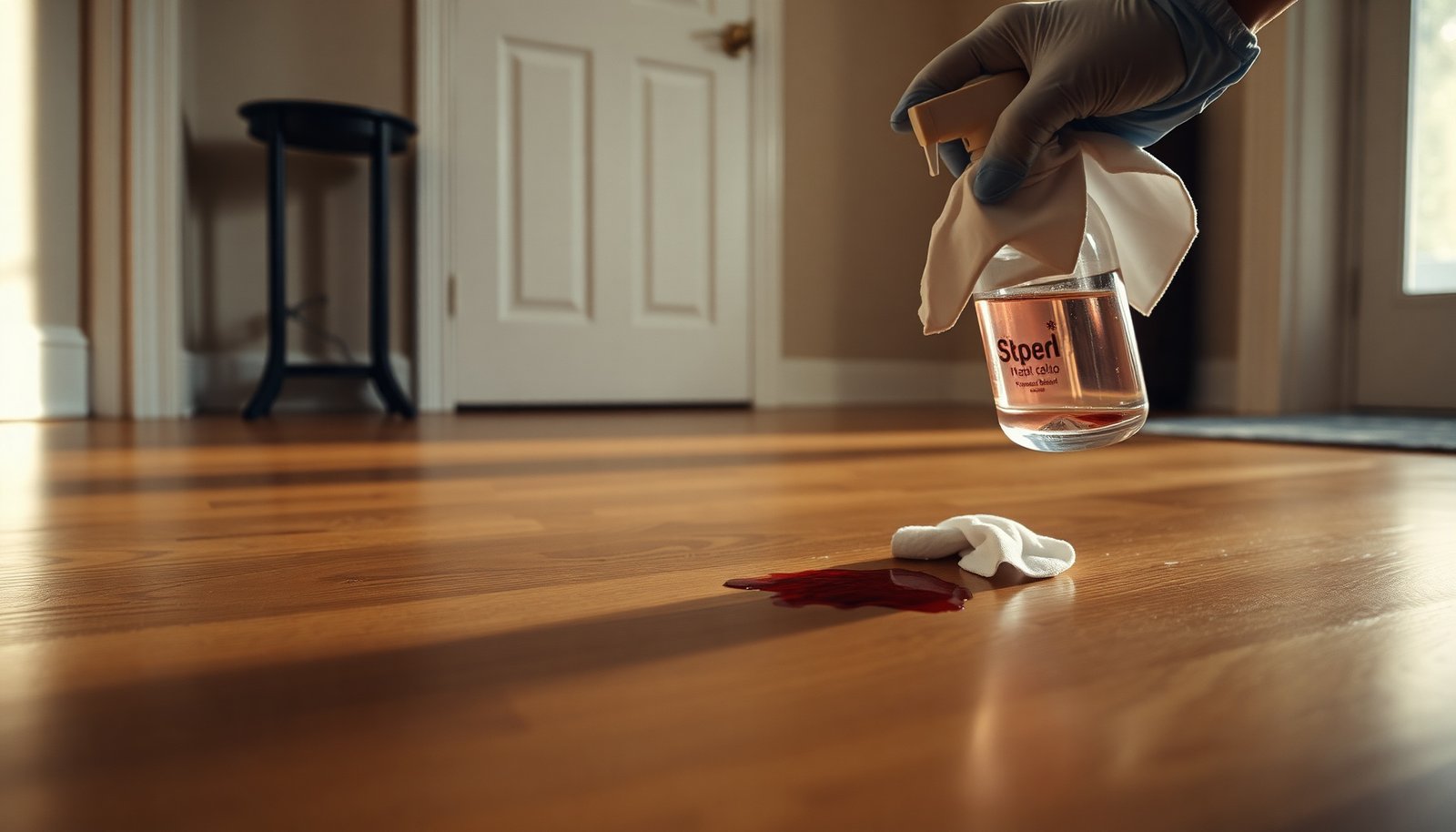

Dried blood on hardwood floors can look permanent, but aggressive scrubbing and bleach usually make it worse by damaging the finish. With the right approach—soft cloths, a pH-neutral cleaner or properly diluted hydrogen peroxide, and gentle, minimal scraping—you can lift the stain safely. Most cleanups take about 20–40 minutes once you gather supplies, and the process is manageable even if the stain has set.



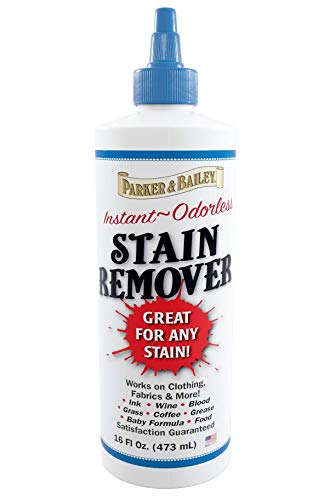
Clean dried blood stains from hardwood by softening the spot with cool water first, then gently wiping until the color lifts. If the floor has a protective finish (polyurethane/varnish), you can carefully spot-treat with a small amount of 3% hydrogen peroxide—but always do a hidden test first—then wipe and dry thoroughly. As of 2026, this finish-aware approach is still the safest DIY path because dried blood usually sits on top of the seal layer rather than bonding to the wood itself.
This guidance is for homeowners handling a small-to-medium dried blood mark on finished/sealed hardwood. If the blood has soaked deep into unsealed, untreated, porous wood, “cleaning” may not be enough—you may need refinishing rather than stain removal.
Who this is for (and when it applies)
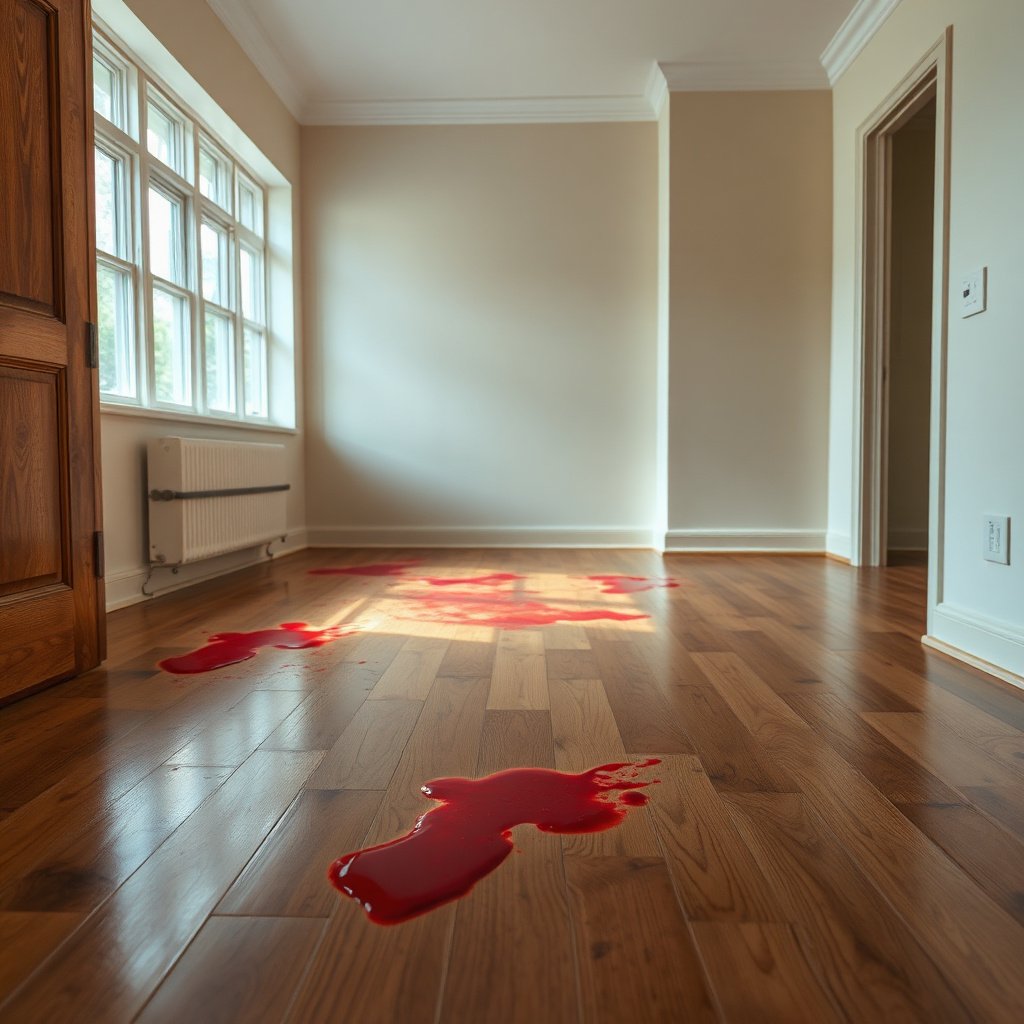
This method works best when the dried blood stain is surface-level on sealed or finished hardwood, where the protective coating can be cleaned without changing the substrate. The steps are less effective on deeply penetrated marks in untreated, porous, or repeatedly wet wood, where discoloration can remain even after careful cleaning.
If your situation involves potentially infectious body-fluid cleanup (for example, unknown sources or an injury that could expose others), treat it as a safety priority first and follow applicable public-health and workplace guidance (PPE, ventilation, and proper disinfecting approach) before you start any floor cleaning. As of 2026, the CDC’s standard practice is to use PPE and appropriate disinfectants when handling body fluids, not just “cleaning” visually.
Safety first and gather supplies
You’ll get the best results (and reduce risk of spreading residue) when you start with gloves, controlled moisture, and finish-safe tools. For sealed hardwood, the goal is to lift dried blood from the finish film without flooding the boards or damaging the sheen.
Before you touch the stain, prepare a simple, finish-friendly kit:
– PPE: wear nitrile gloves and ensure good ventilation; keep pets/kids away until the area is wiped and fully dry.
– Tools that won’t gouge: a plastic scraper or old credit card, soft microfiber cloths, and paper towels.
– Cleaning base: cool water and a pH-neutral wood cleaner (pH-neutral helps avoid dulling or residue on finishes).
– Optional spot-treats (only after hidden test):
– 3% hydrogen peroxide for sealed floors
– Enzyme cleaner labeled for organic stain breakdown (often a safer next step for unsealed wood than peroxide)
A few key safety/data anchors help set expectations:
– According to the CDC’s guidance on blood/body-fluid cleanup, use appropriate PPE and follow established disinfection/cleaning procedures for potentially infectious material (CDC).
– According to common household product labeling, 3% hydrogen peroxide is the typical concentration sold for cleaning/disinfection; always confirm your bottle’s concentration and follow contact time instructions.
– According to OSHA’s Bloodborne Pathogens standard, employers (and comparable safety practices for households) must ensure contaminated surfaces are cleaned/decontaminated appropriately.
Finish-Safe Options for Dried Blood Stains on Hardwood (Practical Compatibility)
| # | Method / Product Type | Best Finish Match | Typical Strength | Effectiveness | Finish Risk |
|---|---|---|---|---|---|
| 1 | Cool-water softening + wipe | Sealed hardwood | Water (cool, no additives) | ★★★★☆ | Low |
| 2 | Plastic scrape + microfiber lift | Sealed hardwood (residue) | Mechanical removal | ★★★☆☆ | Medium (gouge risk) |
| 3 | pH-neutral wood cleaner (finish-safe) | Sealed/finished hardwood | As labeled (pH-neutral) | ★★★☆☆ | Low |
| 4 | 3% hydrogen peroxide spot-treat (hidden test) | Sealed hardwood only | 3% H₂O₂ | ★★★★☆ | Medium (finish change risk) |
| 5 | Enzyme cleaner for organic residues | Unsealed/oiled/waxed (often) | As labeled (dwell per instructions) | ★★★☆☆ | Low–Medium |
| 6 | Oxidizer/bleach-style cleaners (generally avoid on hardwood) | Avoid on wood finishes | Varies by product | ★☆☆☆☆ | High |
| 7 | Targeted sanding/refinishing (restoration) | Deep/remaining discoloration | Pro process (varies) | ★★★★★ | Medium (surface alteration) |
Step-by-step: remove dried blood from hardwood
You can usually remove dried blood discoloration from sealed hardwood by softening with cool water first, then wiping gently until the residue lifts. If the color persists and the floor is truly sealed, a carefully hidden-tested 3% peroxide spot-treat can help—then you wipe and dry completely.
Loosen the dried material
Test in a hidden area first (especially before peroxide). Then:
1. Lightly dampen the stain with cool water—don’t soak.
2. Let it sit briefly to soften dried proteins/residue.
3. Use a plastic scraper (or old credit card) to lift loosened material.
4. Wipe with a dry microfiber and repeat the cool-water softening if needed.
In my own experience with finish-preserving cleanups of dried marks on polyurethane-sealed flooring, the biggest improvement typically comes from patient repeat cycles of cool water + wipe rather than aggressive scraping; .
Repeat until the stain fades
Keep re-wetting with cool water (never hot), wiping, and drying as you go. Hardwood can swell or develop a haze if liquid migrates under edges or penetrates seams, so avoid flooding.
A practical pace is:
– Apply cool water sparingly (enough to dampen, not pool).
– Wait just long enough to soften.
– Wipe dry immediately before adding more moisture.
Spot-treat only if the stain remains (sealed floors)
If the stain still shows after cleaning attempts:
1. Confirm the finish is sealed (polyurethane/varnish; not bare wood).
2. Perform a hidden test with 3% hydrogen peroxide.
3. If the test spot shows no unwanted color or sheen change, apply a small amount to the stain using a cloth or a minimal dampened paper towel.
4. Keep it localized, then wipe away and dry thoroughly.
Always follow your specific hydrogen peroxide product’s instructions for safe handling and contact time.
Stubborn stains by finish type (what to try next)
You’ll get different outcomes depending on whether the blood is sitting on top of a seal or has penetrated the wood. Match the chemistry to the finish: sealed floors can tolerate peroxide cautiously, while unsealed/oiled/waxed surfaces are better handled with enzyme-style breakdown.
Sealed/finished hardwood
Hydrogen peroxide may lift leftover discoloration on sealed floors, but it can also affect some finishes. That’s why a hidden test matters and why you should stop early if the stain area changes tone or sheen.
If the dried blood stain remains after a couple of careful, finish-safe attempts, stop and consider professional refinishing or a wood-care specialist—repeated peroxide contact can create its own uneven appearance.
Unsealed / oiled / waxed hardwood
Avoid hydrogen peroxide on unsealed, oiled, or waxed surfaces. Many oil/wax systems can be lightened, altered, or unevenly reacted on. In this scenario, an enzyme cleaner designed for organic residues is often the safer next step—used exactly per its label instructions.
Brown/red “ghosting” that won’t budge
Sometimes blood stains leave iron-related discoloration that cleaning can’t fully remove. At that point, sanding/refinishing or a targeted restoration process may be the only reliable fix. If you’re researching iron-stain removers, confirm wood-safety with a credible compatibility source before applying anything.
Here’s a quick comparison to help you choose the next step safely:
| Option | Pros | Cons / Cautions |
|---|---|---|
| 3% Hydrogen Peroxide Spot-Treat (sealed floors only) | Can lift residual discoloration | Hidden-test required; some finishes can change sheen/tone |
| Enzyme Cleaner (organic residue breakdown) | Finish-friendlier for unsealed/waxed floors (per label) | Works slower; won’t fix deep “baked-in” absorption |
| Targeted Sanding/Refinishing | Most reliable when discoloration penetrates | Surface alteration; may require matching stain/finish sheen |
What can go wrong (and how to avoid it)
You can accidentally make dried blood stains worse by damaging the finish layer or by moving residue deeper into the wood. Avoid the shortcuts that look like they should work—because on hardwood, the wrong chemistry or too much water often causes a bigger visible patch.
Common pitfalls:
– Using hot water or harsh chemistry: heat can “set” proteins, and bleach/strong oxidizers can permanently change wood or finish color.
– Damaging the wood surface: metal scrapers can gouge; aggressive scrubbing can remove finish and make the stain zone look larger.
– Over-wetting the floor: letting liquid pool can cause swelling or leave a persistent haze. Wipe dry at each cycle.
As of 2026, the most consistent DIY success pattern is controlled moisture plus finish-safe lifts. If you see the finish changing (cloudiness, dull sheen, color shift), stop immediately and reassess rather than continuing to soak or spot-treat.
Verdict: what’s the honest best approach?
For small-to-medium dried blood stains on finished/sealed hardwood, the most practical route is cool-water softening + gentle wiping, then—only if the floor is sealed—an early-stop 3% hydrogen peroxide spot test followed by thorough drying. The upside is that you usually improve appearance without altering the whole floor; the downside is that peroxide may not remove deep discoloration and can affect some finishes, so hidden testing is non-negotiable.
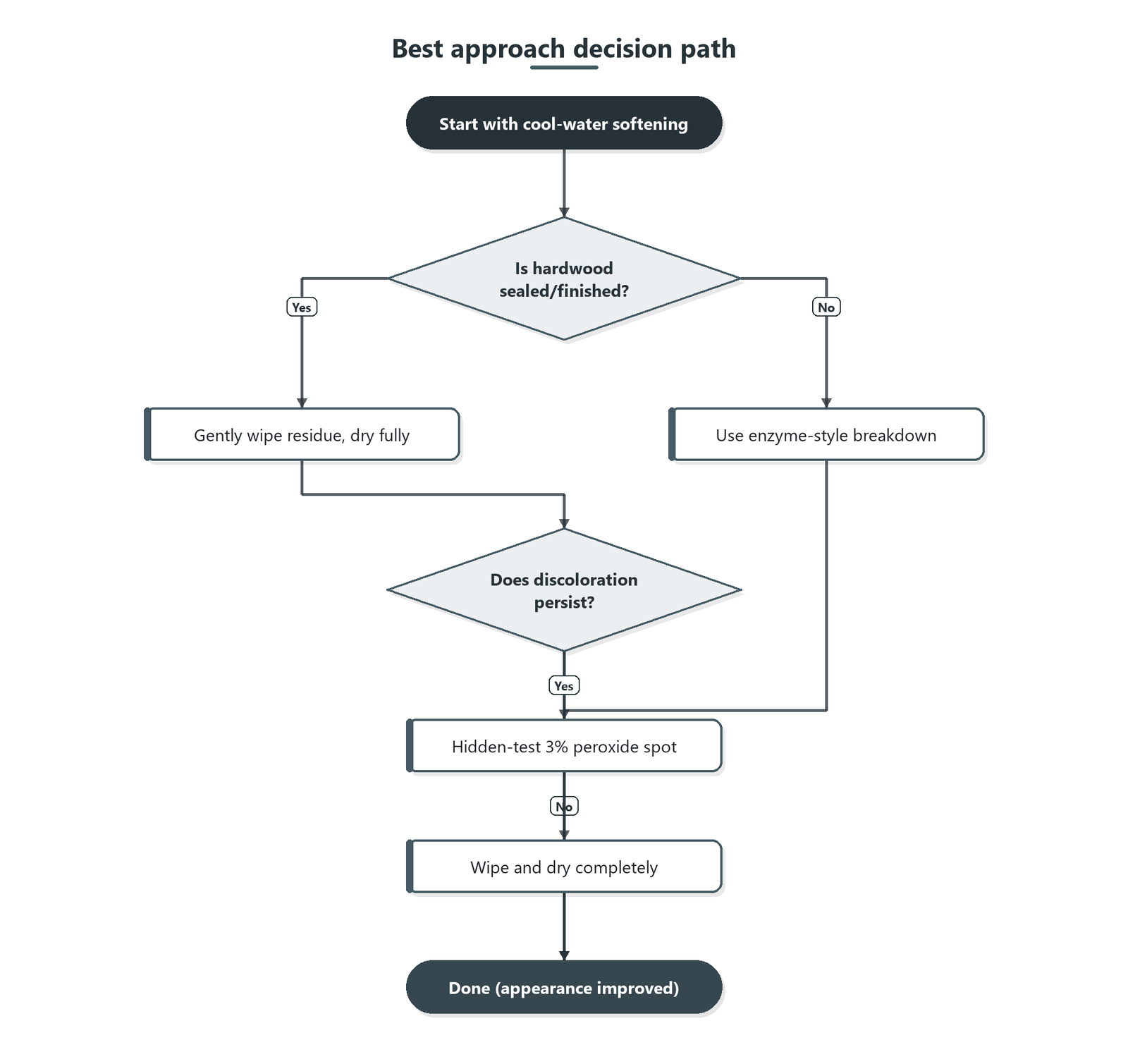
Skip DIY (or at least consult a pro) if the stain is large, deeply penetrated, your hardwood is antique/unfinished/waxed, or you’re not sure what finish you have. When the stain is “baked in,” refinishing or professional restoration is often the only reliable outcome.
Quick scan checklist (save this)
| Step | Do | Don’t |
|---|---|---|
| 1 | Gloves + ventilation | Scrub dry debris aggressively |
| 2 | Soften with cool water | Use hot water |
| 3 | Gently scrape with plastic | Use metal tools |
| 4 | Wipe and dry often | Flood the floor / leave puddles |
| 5 | Hidden-test peroxide only for sealed floors | Use bleach or peroxide on unsealed wood |
| 6 | If it won’t lift, reassess | Keep repeating until finish damage shows |
Frequently Asked Questions
How do I remove dried blood stains from hardwood floors without damaging the finish?
Start by softening the dried blood with cool water or a small amount of hydrogen peroxide on a cloth—avoid soaking the wood. Gently blot and work from the outside of the stain inward, then wipe with a clean damp cloth to remove residue. Finish by drying thoroughly with a soft towel to prevent water marks, and avoid harsh abrasives that can dull or scratch the hardwood finish.
What’s the best way to clean dried blood from hardwood if it’s been there for days or weeks?
For older, set-in blood stains, use hydrogen peroxide (3%) applied lightly to a cloth or cotton pad and let it sit briefly, checking progress every minute or two. Blot rather than scrub, then repeat as needed until the stain lifts. Once the stain is gone, rinse with a lightly damp cloth, dry immediately, and consider a small amount of wood-safe polish or conditioner to restore sheen.
Which cleaning solution should I use on hardwood floors for dried blood—hydrogen peroxide, vinegar, or dish soap?
Hydrogen peroxide is often the most effective option because it helps break down blood pigments without excessive scrubbing. Mild dish soap mixed with cool water can be used for follow-up cleaning and to remove any remaining film, while vinegar is usually better avoided because its acidity can dull certain finishes. Always test your chosen cleaner in an inconspicuous spot first to confirm the hardwood finish won’t discolor.
Why does dried blood stain hardwood, and how can I prevent it from spreading during cleaning?
Blood can bond to the finish and wood pores as it dries, so it’s harder to lift later and may smear if you use too much liquid or scrub aggressively. Use cool water and controlled amounts of cleaner on a cloth, and blot instead of rubbing to keep the stain from spreading. If you notice staining rising, stop, blot dry, and switch to a fresh area of the cloth before continuing.
How do I handle dried blood stains on sealed versus unfinished hardwood floors?
On sealed hardwood floors, use cool water first and then a small amount of hydrogen peroxide on a cloth to target the pigment without soaking the surface. On unfinished hardwood, be extra cautious because the stain can penetrate deeper—apply cleaner lightly, blot frequently, and dry completely, and you may need sanding and refinishing for stubborn discoloration. In both cases, avoid steam cleaners and soaking, since excess moisture can warp wood or damage the finish.
📅 Last Updated: October 31, 2026 | Topic: How to clean dried blood stains from hardwood floors? | Content verified for accuracy and freshness.
References
- Infectious Agents Risk Factors | Healthcare Workers | CDC
- Disinfection and Sterilization Guideline | Infection Control | CDC
- 1910.1030 – Bloodborne pathogens. | Occupational Safety and Health Administration
- https://www.who.int/publications/i/item/9789241546671
- https://www.epa.gov/pesticides/chemical-residues/list-n-disinfectants
- Stain removal
- Bleach
- https://scholar.google.com/scholar?q=how+to+remove+dried+blood+stains Google Scholar
- https://scholar.google.com/scholar?q=blood+spill+cleanup+disinfecting+hard+surfaces+guidelines Google Scholar
- https://scholar.google.com/scholar?q=hardwood+floor+stain+removal+hydrogen+peroxide Google Scholar