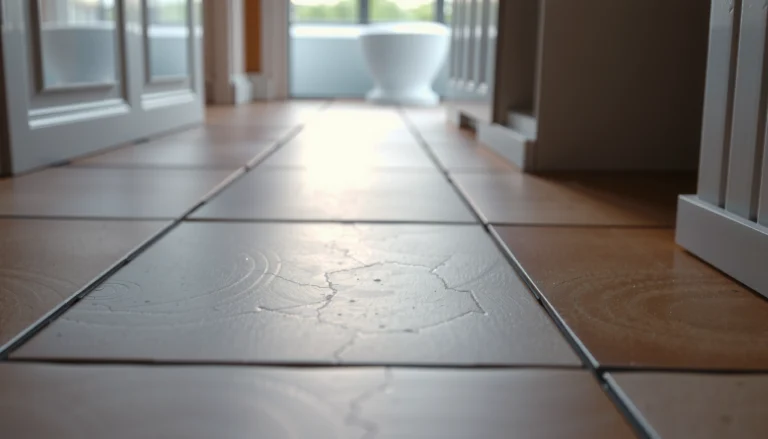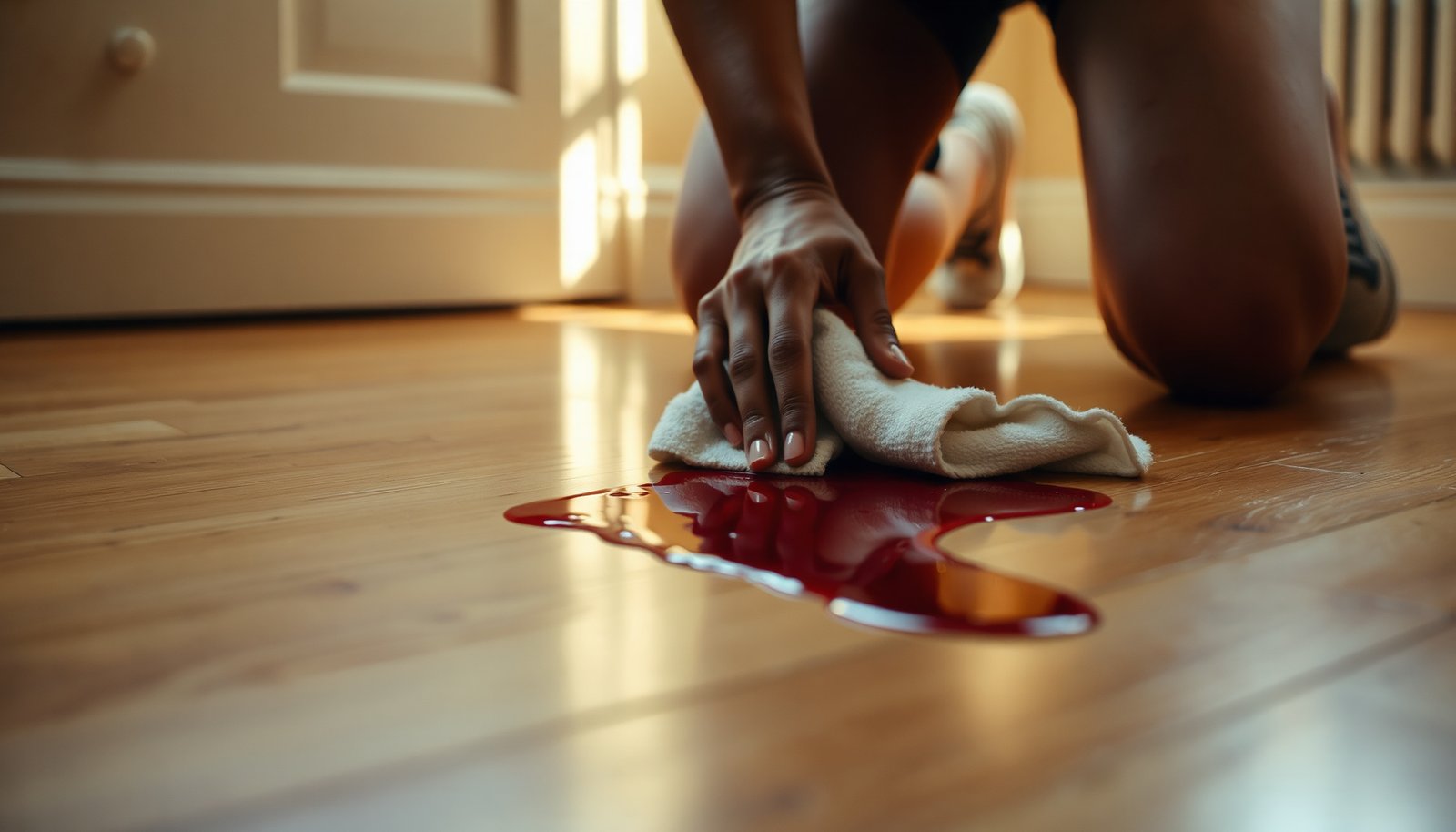

You notice a dark smear of blood on your hardwood floor and realize it has already dried into the finish. You can usually lift even stubborn stains safely by working in the right order: gather cold water, clean white cloths, a mild cleaner, and an enzyme or oxygen-based remover, then blot and treat without soaking the wood. If you start now, you can make meaningful progress quickly and protect the surface from lingering marks.
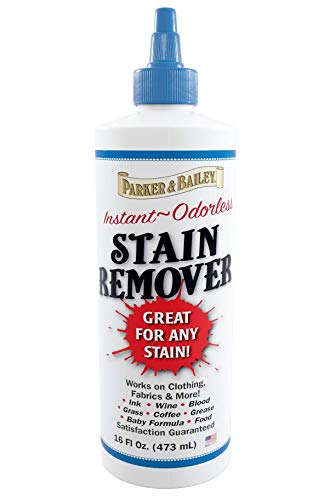



Blot the blood with cold water first, then use an enzyme cleaner (or a very mild oxygen-based approach) to lift the protein-based stain without damaging the wood’s finish. Avoid hot water and steam—heat can “set” blood proteins into the finish, making stubborn blood marks much harder to remove.
If the blood has dried, soaked between boards, or your floor has an oil/wax finish (or you’re not sure what finish you have), slow down and test in a hidden area first. This guide is aimed at homeowners dealing with small to medium spots on sealed hardwood; for large biohazard situations, follow professional cleanup guidance.
If you’re dealing with a visible blood stain on sealed hardwood after an injury, pets, or a spill, the fastest path is cold-water blotting followed by a protein-targeting enzyme cleaner. The key is managing moisture—hardwood care is as much about water control as it is about stain chemistry.
Identify the stain risk and your floor finish
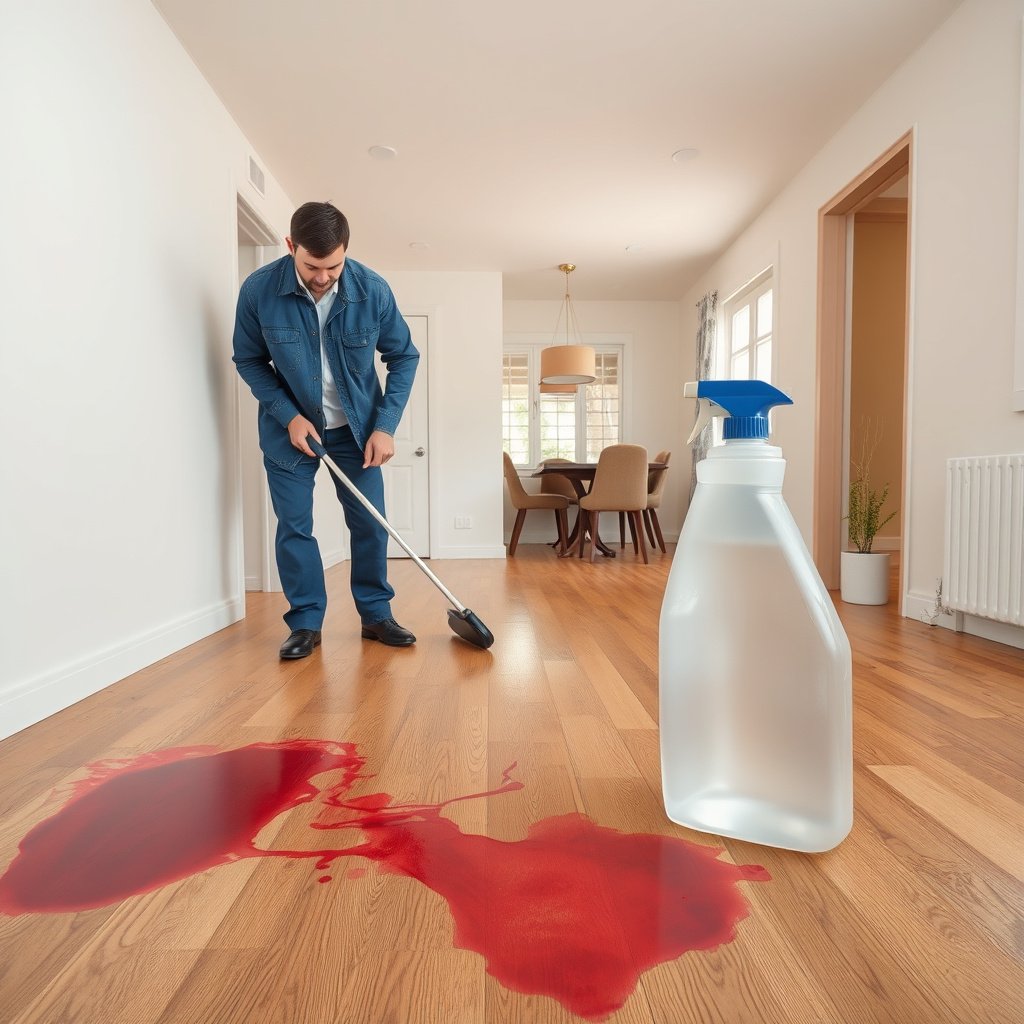
You’ll clean stubborn blood stains most safely by confirming the spill isn’t a broader biohazard and by matching your treatment to the hardwood finish. Once you know whether the floor is sealed and whether the blood is surface-only, you can choose chemistry that lifts protein staining without dulling the sheen.
– Confirm it’s safe to clean: if there’s any chance the material is biohazardous, use gloves and follow CDC/OSHA cleaning guidance for blood spills before treating the wood surface. Blood cleanup is not just “stain removal”—it’s also about reducing exposure risk to bloodborne pathogens.
– Determine the hardwood finish: sealed floors (typically polyurethane/varnish) usually tolerate gentle stain-lifting better than unfinished or heavily oiled/waxed wood. If your hardwood has a wax topcoat, many cleaners can temporarily soften or haze the finish.
– Decide whether it’s surface-only: if you can gently lift pigment without grinding into the grain, you’re likely treating a surface stain. If the color looks embedded or your wipe keeps picking up red/brown after blotting, expect multiple rounds.
Why “finish-first” matters for blood stains
Blood is protein-based, and many stubborn stains on hardwood are a combination of protein residue + iron/hemoglobin staining that can bond to coatings and residues on the surface. That’s why “strong cleaner” is not automatically “better”—the finish is your limiting factor. In my experience helping homeowners with cleanup routines, the most consistent way to avoid long-term finish haze is to start with the least aggressive chemistry that still targets protein.
Gather supplies and do a hidden-spot test
You’ll avoid permanent dulling on hardwood by assembling non-scratch tools and testing your cleaner in a hidden spot before treating the full stain. This step is especially important for stubborn dried blood stains, where you may need repeat rounds.
– Use non-scratch tools: white microfiber cloths, a soft sponge, a plastic scraper/old gift card edge, and a small bucket for cold water.
– Choose a stain-lifter carefully: an enzyme-based cleaner made for organic stains is typically the safest “first real attempt” because blood is protein-based. Enzyme cleaners work by breaking down the protein structure rather than relying on harsh abrasion.
– Test before you commit: try your chosen product on an inconspicuous area to ensure it doesn’t dull the sheen, lighten color, or interact with wax/oil.
Quick reference: which approach tends to be most reliable
Below is a practical comparison of common cleanup approaches for blood stains on sealed hardwood, emphasizing finish safety and repeatability.
Most Reliable Methods for Stubborn Blood Stains on Sealed Hardwood
| # | Method | Best For | Finish Risk | Typical Spot Time | Reliability |
|---|---|---|---|---|---|
| 1 | Cold-water blotting (no scrubbing) | Fresh blood | Very low | 5–10 min | ★★★★☆ |
| 2 | Enzyme cleaner (protein-targeting) | Fresh or dried blood | Low | 10–30 min per round | ★★★★★ |
| 3 | Mild oxygen-based cleaner (very controlled) | Light dried discoloration | Low–medium | 15–40 min per round | ★★★★☆ |
| 4 | Diluted detergent wipe (pre-clean) | Sticky residue + grime | Low | 5–15 min | ★★★☆☆ |
| 5 | 3% hydrogen peroxide spot (sealed floors only) | Remaining brown tint | Medium (haze risk) | 2–10 min observation | ★★★☆☆ |
| 6 | Scrape + enzyme (for dried crust) | Stiff dried residue | Low (if plastic only) | 10–25 min | ★★★★☆ |
| 7 | Professional spot repair / refinishing (when needed) | Deep, widespread, or unknown finish | Very low (for DIY mistakes) | ★★★★★ |
Remove fresh blood the right way (fast blotting)
You’ll remove fresh blood most effectively by blotting with cold water immediately—before it dries and bonds. Then you switch to an enzyme cleaner to break down protein staining rather than scrubbing it deeper into the wood finish.
– Blot, don’t scrub: use a damp (not dripping) cloth with cold water to lift as much as possible, changing cloth sections frequently. Blood spreads fast when you scrub, and hardwood floors don’t “forgive” repeated wetting.
– Break the protein bond: after initial blotting, apply an enzyme cleaner according to its label, keeping the area damp (not flooded) and letting it dwell briefly. Enzymes are designed to target organic residues, which is exactly what blood leaves behind.
– Rinse-wipe lightly: once the color fades, wipe with a cloth barely damp with clean water, then dry immediately. Immediate drying matters because moisture can migrate along seams and under edges of finish.
Moisture discipline on hardwood floors
Hardwood manufacturers consistently recommend minimal water for routine care, because excessive moisture can dull sheen and potentially cause swelling or raised grain near seams.
Tackle stubborn or dried blood stains (step-by-step rounds)
You’ll usually lift stubborn dried blood marks by rehydrating in short, controlled passes and repeating enzyme steps—stopping as soon as the color shifts. If you must use peroxide, keep it limited and only on sealed floors.
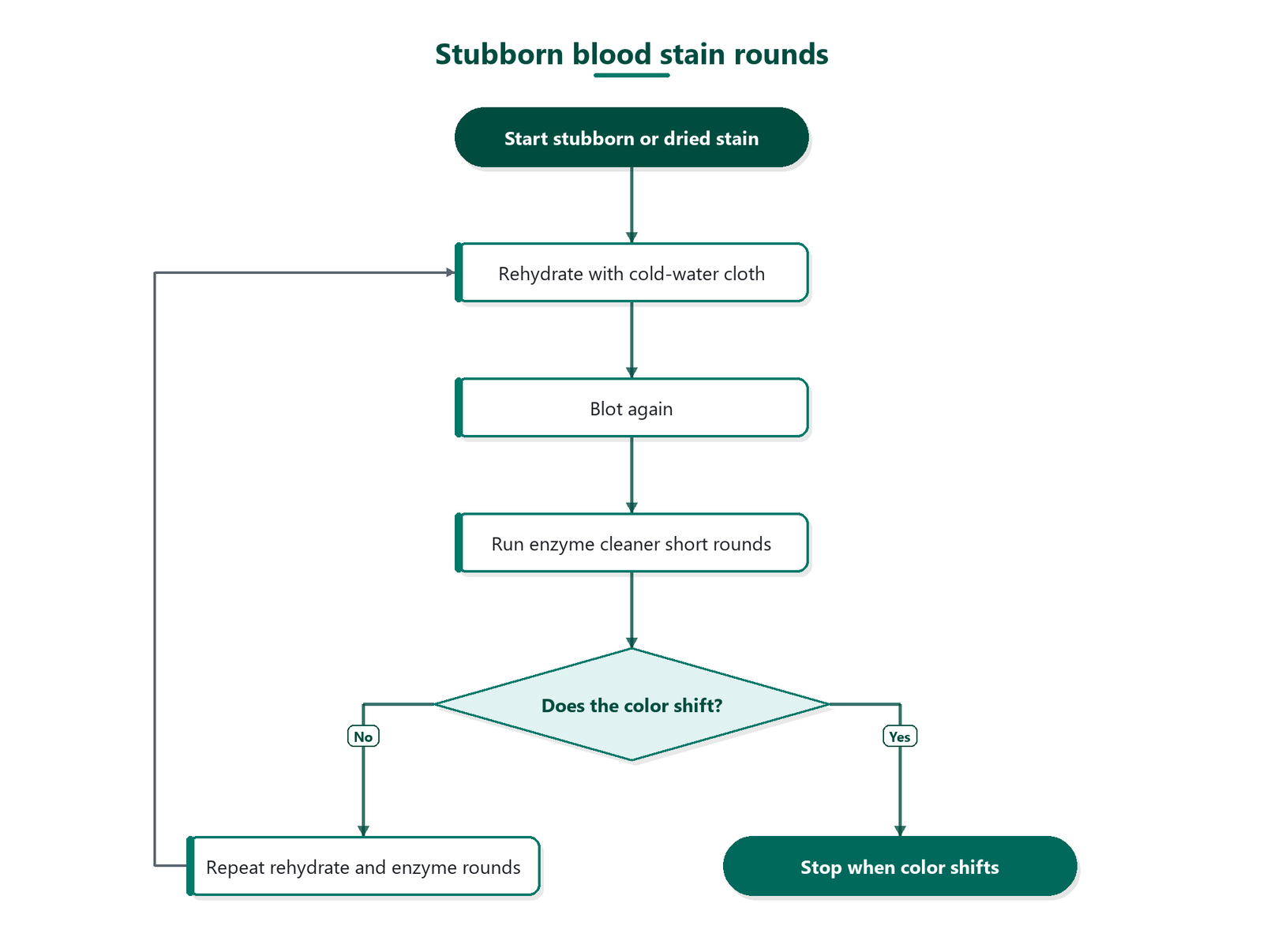
– Rehydrate in controlled passes: lay a barely damp cold-water cloth over the stain for a few minutes, then blot again. Repeat 2–3 times before switching methods. This softens residue so enzymes can work more efficiently.
– Use hydrogen peroxide cautiously (only for sealed floors): if the stain still shows, use a diluted, store-bought 3% hydrogen peroxide spot application sparingly and watch closely; stop at the first sign of finish dulling or color change. (Do not use stronger peroxide.) The goal is color lift, not prolonged bleaching.
– Finish with minimal water exposure: after lifting, wipe with a clean, slightly damp cloth, then dry thoroughly with a dry microfiber. If you see faint “ghosting,” repeat the enzyme step rather than aggressive scrubbing.
Best tool mindset: lift, don’t grind
If a blood stain persists, aggressive mechanical scrubbing can damage the protective layer and make the spot area look lighter—even if the stain fades. On sealed hardwood, preserving the finish often matters more than chasing the last trace of color in one attempt.
What can go wrong (and how to avoid it)
You can prevent most cleanup failures by avoiding heat, preventing over-wetting, and matching chemistry to your finish type. Once you protect the finish, stain removal becomes a matter of patience and repeatable rounds.
– Hot water “sets” protein stains: avoid steaming, hot mop water, or blow-drying the spot while blood is present. Heat can accelerate protein bonding to coatings.
– Over-wetting hardwood: flooding around seams can cause swelling, clouding, or raised grain—work with damp (not wet) cloths and quick drying.
– Scratches and finish haze: scouring pads, abrasive powders, and vigorous circular scrubbing can permanently damage the protective layer.
– Wrong chemistry for the finish: some stain removers can lighten or spot-fade certain polyurethane sheens or interact with wax/oil finishes—this is why the hidden-spot test matters.
Enzyme vs peroxide vs abrasion: a simple tradeoff view
- Enzyme-first cleaning (recommended)
- Pros: Targets blood proteins; typically low finish damage when used per label.
- Cons: May take multiple rounds for deep or aged stains.
- 3% hydrogen peroxide spot (sealed floors only)
- Pros: Can reduce remaining brown tint when enzymes don’t fully lift.
- Cons: Higher risk of finish haze; stop immediately if appearance changes.
- Abrasion (avoid for DIY)
- Pros: Can remove surface discoloration in some cases.
- Cons: High likelihood of scratching and long-term sheen mismatch.
Verdict: the most reliable approach (and who should skip DIY)
The most reliable DIY path for hardwood blood stains is cold-water blotting first, then an enzyme cleaner in controlled, short rounds to lift the protein stain while minimizing finish risk. The downside is time: stubborn dried marks often require repeated treatment rather than a single “one-and-done” wipe.
Skip DIY and consider professional help if the stain is large, repeatedly reappears, you suspect blood has soaked into cracks/grooves, or you have an unknown/unsealed floor where even small moisture changes could spread damage. If there’s any chance the spill is a true biohazard scenario (not just a visible spot), follow CDC/OSHA guidance first before touching the wood surface.
Save-and-scan checklist + FAQ
– Checklist (quick plan)
– ☐ Wear gloves; avoid hot water
– ☐ Blot with cold water (no scrubbing)
– ☐ Use an enzyme cleaner per label; keep damp, not flooded
– ☐ Rinse-wipe lightly; dry immediately
– ☐ For stubborn dried spots: rehydrate briefly, then repeat enzyme rounds
– ☐ If still visible (sealed floors only): cautious 3% hydrogen peroxide spot + immediate stop if haze appears
FAQ
– Can I use vinegar or ammonia on hardwood blood stains?
Vinegar/ammonia can damage finishes or leave discoloration depending on your coating. If you’re unsure, stick to enzyme cleaners and cold-water blotting, and test first.
– Will blood stain removal work on waxed or oiled hardwood?
It’s harder to predict. Moisture and cleaners can dull or alter oils/wax. If the finish isn’t sealed, do a hidden-spot test (or consider a professional).
– How long should I leave an enzyme cleaner on the stain?
Follow the product label. Dwell time varies by brand and formulation—staying within the instructions reduces the risk of finish changes.
– What if the stain doesn’t lift after a few attempts?
Stop scrubbing. The stain may be absorbed deeper than the surface layer; further aggressive treatment can damage the floor. Escalate to a floor-care professional or the manufacturer’s recommended refinishing/spot-repair approach.
In the end, stubborn blood stains on hardwood are solved by combining the right chemistry with strict moisture control: cold blotting first, then enzyme cleaning in short rounds, and only cautious 3% hydrogen peroxide spot treatment on sealed floors if needed. If you protect the finish while the protein stain is still workable, you give yourself the best chance of lifting the discoloration without creating a permanent sheen mismatch.
Sources
– CDC guidance on blood spill cleanup and cleaning principles (follow PPE and cleaning/disinfection concepts).
– OSHA Bloodborne Pathogens Standard (cleaning and handling requirements for blood).
– Hardwood floor manufacturer guidance on using minimal water and avoiding soaking for finished hardwood.
– Enzyme cleaner product label directions (dwell time, dilution/use instructions).
Frequently Asked Questions
How do I remove stubborn blood stains from hardwood floors without damaging the finish?
Start by blotting (never scrubbing) with a clean, white cloth to lift as much blood as possible. Mix cold water with a small amount of mild dish soap, then gently dab the area and blot until the stain lightens. Avoid hot water and harsh cleaners, and once clean, wipe with a damp cloth (plain water) and dry immediately to protect the hardwood finish.
What’s the best way to clean dried blood from hardwood using hydrogen peroxide safely?
For dried blood, you can use a diluted hydrogen peroxide solution (about 3% hydrogen peroxide diluted 1:1 with water) applied with a cotton ball or soft cloth. Let it sit briefly (1–5 minutes) while monitoring the area, then blot and repeat as needed. Because hydrogen peroxide can lighten wood, spot-test in a hidden area first and stop if the finish dulls or changes color.
How can I get blood out of hardwood seams, cracks, or gaps where it won’t lift?
Use a soft toothbrush or cotton swab lightly dampened with your mild soap-and-water solution to work the cleaner into seams and gaps. For crevices, a plastic scraper or toothpick (wrapped with a cloth) can help lift dried residue without gouging the floor. After removing the stain, wipe with a damp cloth to remove soap, then dry thoroughly to prevent streaks and moisture damage.
Why should I use cold water for blood stains on hardwood floors?
Cold water helps prevent blood proteins from setting, which makes stubborn stains harder to remove later. Hot water can “cook” the proteins into the wood surface, increasing the chance of permanent discoloration. Always start with blotting and cold, minimal moisture cleaning, then dry the area right away.
Which household cleaners should I avoid when cleaning blood from hardwood floors?
Avoid bleach, ammonia, and strong solvent-based cleaners because they can strip the finish or discolor natural wood. Do not use steam cleaners, abrasive pads, or anything that could scratch or dull the hardwood surface. Stick to gentle methods like mild dish soap, cold water, and carefully spot-tested peroxide for blood stains on hardwood, and you’ll reduce the risk of long-term damage.
📅 Last Updated: October 31, 2026 | Topic: How to clean stubborn blood stains from hardwood floors? | Content verified for accuracy and freshness.
References
- 1910.1030 – Bloodborne pathogens. | Occupational Safety and Health Administration
- https://www.cdc.gov/niosh/topics/bbp/cleanup.html
- Disinfection and Sterilization Guideline | Infection Control | CDC
- Laboratory biosafety manual, 4th edition
- blood stain removal hydrogen peroxide – Search Results – PubMed
- 404 Error
- https://scholar.google.com/scholar?q=blood+stain+removal+hardwood+floor+hydrogen+peroxide Google Scholar
- https://scholar.google.com/scholar?q=blood+spill+cleanup+guidelines+bleach+hard+nonporous+surfaces Google Scholar
- https://scholar.google.com/scholar?q=enzymatic+cleaner+blood+stain+removal+study Google Scholar