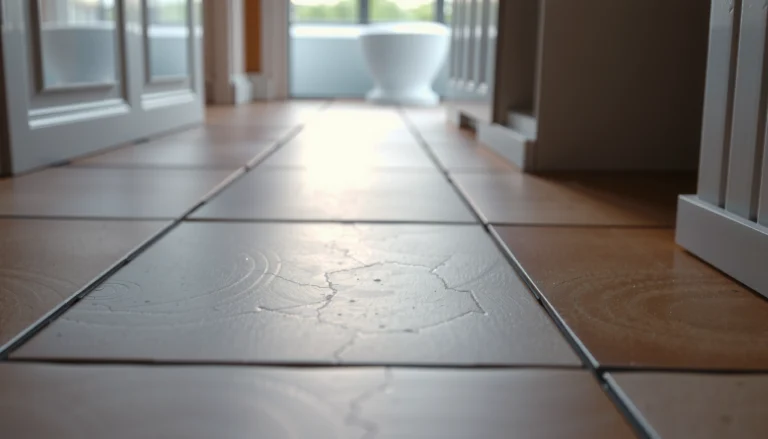
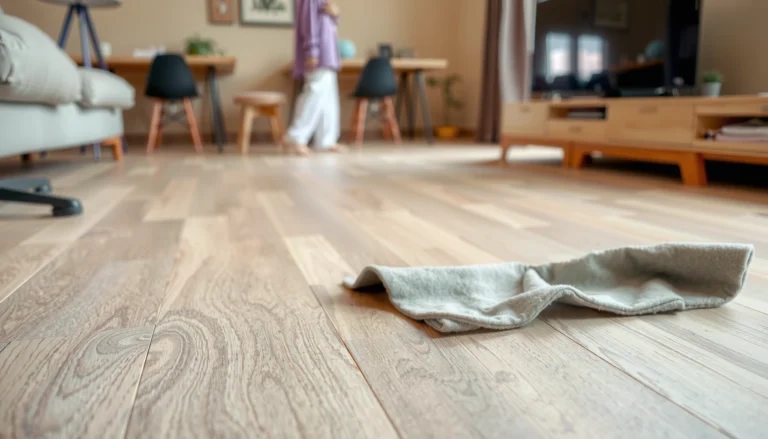
Seeing blood on your hardwood floors can feel alarming, especially if you worry about permanent discoloration. The good news is you can remove fresh or dried blood safely with the right supplies and a careful, step-by-step approach that usually takes about 30–60 minutes. Gather clean white cloths, cool water, a mild dish soap, and a small bottle of 3% hydrogen peroxide for spot-testing before you begin.




Blot blood fast, then clean with cool water and a gentle cleaner—don’t scrub right away. For dried stains, start with a damp soak/paste spot treatment, rinse lightly, and dry completely to prevent water damage to hardwood floors, especially in 2026 when sealed finishes are common. If the blood is from a nosebleed, minor injury, or pets/people, this guide helps you remove the stain and handle the cleanup safely without harming most common hardwood finishes. If the blood soaked in deep or the surface finish is unknown, slow down and test in a hidden spot first.
This is especially useful for homeowners and facility managers dealing with occasional incidents (minor injuries, pet accidents, caregiving situations) where the goal is stain removal plus finish protection—hardwood floors can be permanently dulled or damaged by heat, over-wetting, and harsh chemicals.
Act fast and handle it safely
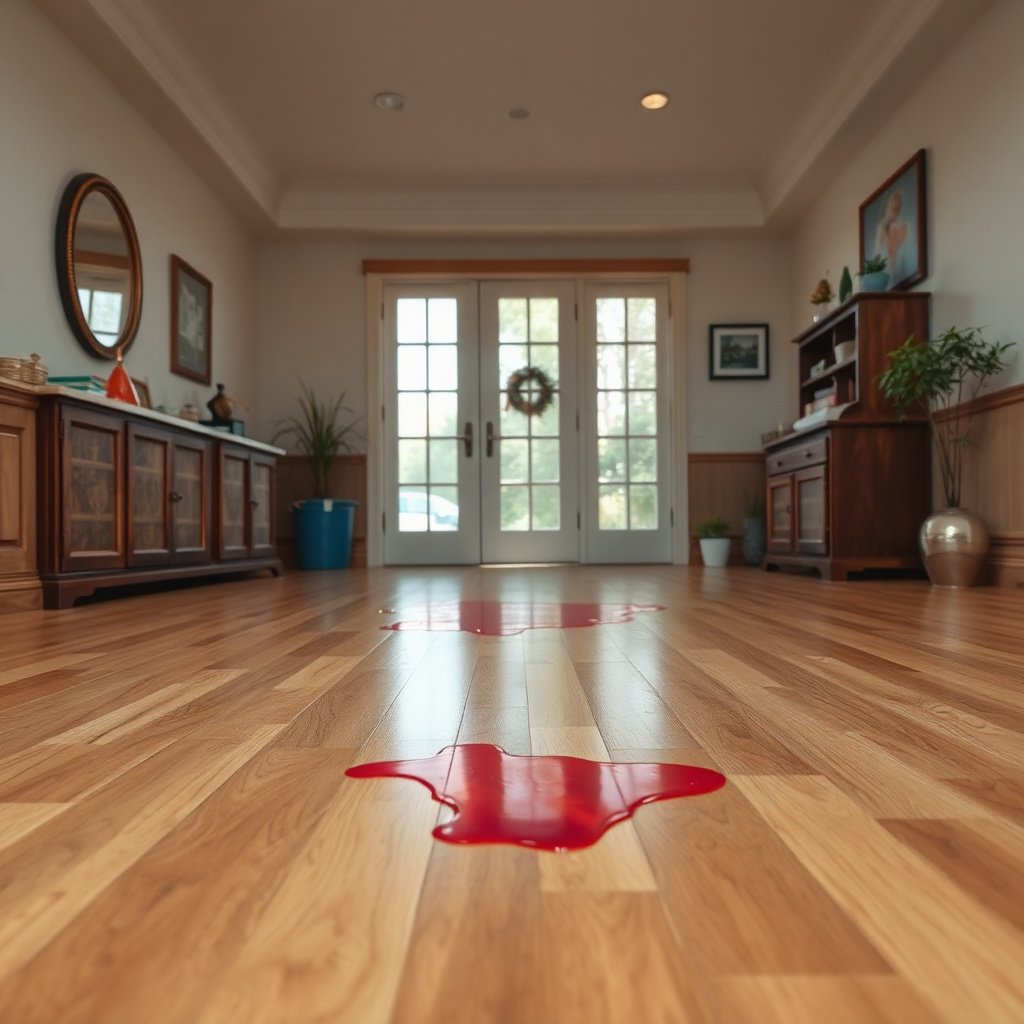
If blood is fresh, the fastest route to fewer watermarks and less staining is to control spread immediately, then clean gently. Because blood contains proteins and iron compounds that can bind to finishes, the order matters: blot first, then use cool water.
– Wear disposable gloves and ventilate the room while you clean (open windows, run a fan that doesn’t blow dust back onto the floor).
– Remove solids first (paper towel/blotting), then start with cool water—hot water can set protein stains.
– Keep the moisture light: hardwood shouldn’t be left wet or pooled, because trapped water can creep under edges and into seams.
Speed also matters for safety. According to the CDC, hepatitis B virus (HBV) can remain infectious in dried blood on environmental surfaces for at least 7 days (CDC, HIV/HBV/HCV and environmental survival guidance). According to the CDC, hepatitis C virus (HCV) can remain infectious in dried blood for at least 16 hours under certain conditions (CDC, HIV/HBV/HCV environmental survival information). This is why “blot and control spread” is both a stain-management step and a contamination-management step for hardwood floors.
Environmental Persistence of Common Pathogens Relevant to Bodily-Fluid Cleanup
| # | Pathogen | Reported persistence on surfaces | Typical cleanup implication | Cleanup priority |
|---|---|---|---|---|
| 1 | Hepatitis B virus (HBV) | At least 7 days in dried blood | Treat as high persistence | ★★★★★ |
| 2 | Hepatitis C virus (HCV) | At least 16 hours in dried blood | Use thorough cleanup + disinfection | ★★★★☆ |
| 3 | HIV-1 | Does not survive well outside the body | Still follow PPE and cleaning steps | ★★☆☆☆ |
| 4 | Influenza A virus | Can persist on surfaces up to ~48 hours (varies) | Clean then disinfect high-touch areas | ★★★☆☆ |
| 5 | Norovirus | Often persists for days to weeks (varies) | Prioritize surface disinfection | ★★★★★ |
| 6 | MRSA (Methicillin-resistant S. aureus) | Can survive on surfaces for months | Disinfect after cleaning visibly soiled areas | ★★★★☆ |
| 7 | Salmonella spp. | Can persist in the environment for weeks | Use cleaning + disinfection on affected spots | ★★★☆☆ |
Notes for context: This persistence snapshot supports the “act fast” rationale for bodily-fluid cleanup on hard, non-porous surfaces and helps explain why cleanup should be thorough. For hardwood floors, always balance disinfection needs with finish protection and moisture control (disinfection instructions differ by product and finish).
Check your hardwood finish before you use cleaners
If you don’t know your finish, treat hardwood floors as “finished” (sealed) and test first. Many cleaners that are safe on tile can dull, haze, or strip hardwood topcoats, so the safest workflow is controlled testing.
– Identify the finish type if you can (finished/urethane surface vs. unfinished/raw). When unsure, treat as “finished” and test first.
– Avoid soaking or aggressive scrubbing; some cleaners can dull or strip the topcoat.
– Do a small spot test in an inconspicuous area with whatever cleaner you plan to use.
What you’re trying to protect is the topcoat layer—often polyurethane/urethane, aluminum-oxide enhanced finishes, or varnish—plus the glue and wood structure underneath. If you pour liquid onto hardwood floors, water can penetrate seams, micro-gaps, and around edges. That’s why “light moisture” and quick drying are core steps whether the stain is fresh or dried.
Also consider disinfection only after you’ve already removed the bulk of blood. OSHA’s Bloodborne Pathogens Standard emphasizes safe handling and appropriate cleanup/disinfection concepts for blood exposure scenarios (OSHA, 29 CFR 1910.1030). For home and office hardwood floors, this usually means: remove the visible blood, then use an appropriate disinfectant only as allowed for your finish and per product label directions.
Clean fresh blood stains step-by-step
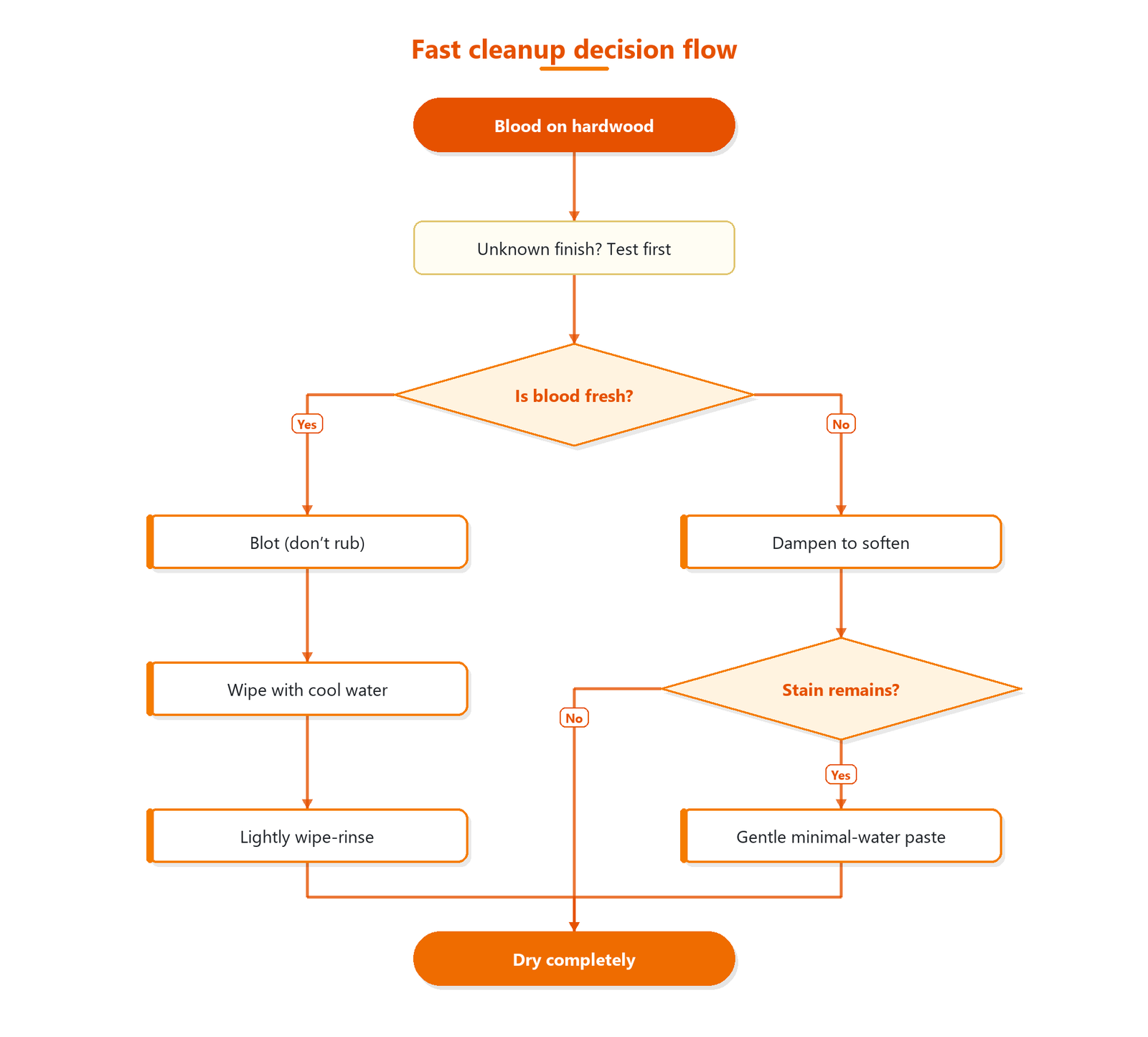
If the blood is fresh, the best stain outcome comes from blotting and gentle wiping with cool water. The goal is to lift blood without smearing it deeper into hardwood floors.
– Blot (don’t rub) with a dry cloth or paper towel until no more transfers.
– Dampen a cloth with cool water (optionally add a few drops of mild dish soap or a wood-floor cleaner appropriate for your finish), then wipe gently.
– Rinse by wiping with a cloth dampened with clean water, then dry the area thoroughly with a soft towel.
Why cool matters: blood contains proteins, and heat can accelerate bonding of proteins to finishes, making the stain harder to remove later. From my experience managing spot-cleaning issues in finished wood areas (and seeing the aftermath of “quick scrubbing”), the biggest early mistake on hardwood floors is rubbing while the stain is still wet—friction spreads pigment and protein residue in a wider pattern.
If you need disinfection for a workplace incident, follow your disinfectant product label for contact time and application method on finished wood. In many healthcare-adjacent guidelines, disinfectant effectiveness is tied to proper dilution and wet contact time; for example, CDC disinfection guidance commonly references bleach solutions for blood spills on non-porous surfaces (dilution/contact time depends on the label and scenario) (CDC, Guideline for Disinfection and Sterilization in Healthcare Facilities). For hardwood floors, do not assume a disinfectant is finish-safe—test first.
Remove dried blood stains (without damaging the wood)
If the blood is dried, you’ll usually need to soften residue first—then clean gently rather than forcefully. For dried blood, “dampen, loosen, wipe” beats scrubbing every time on hardwood floors.
– Soften first: place a cool, damp cloth over the stain for a short time, then blot/wipe away loosened residue.
– If there’s still staining, make a gentle cleaning paste (for example, a mild cleaner plus minimal water) and apply lightly—let sit briefly, then wipe.
– If the finish allows it, peroxide-based spot treatment can help lift protein stains; apply sparingly, keep it off surrounding wood, and rinse/wipe dry afterward. If there’s any finish clouding, stop and switch methods.
Here’s where many hardwood floor owners get tripped up: peroxide and “oxidizers” can lighten protein stains, but they can also haze some finishes (especially older varnish, shellac, or surfaces with compromised topcoats). If the finish is unknown, do not jump straight to peroxide on hardwood floors—test in a hidden spot first.
To make the tradeoffs clear, here’s a practical comparison you can use during dried-stain treatment:
| Method | Best for | Pros | Watch-outs on hardwood floors |
|---|---|---|---|
| Cool-water damp cloth + blotting | Surface residue from dried spots | Low risk; minimal moisture; preserves most topcoats | May take longer if residue is deeply set |
| Mild paste spot treatment | Stubborn dried staining without harsh chemicals | Targets stain with controlled contact; less finish stress than abrasives | Over-application can leave residue or haze if you don’t rinse lightly and dry |
| Peroxide-based spot treatment (only if finish allows) | Protein-heavy staining where finish is compatible | Can lighten and lift protein stains effectively | Can cloud/dull some finishes; stop immediately if you see haze in the test spot |
In 2026, the most reliable approach for hardwood floors is still: soften → gentle wipe/paste → light rinse → fully dry. Peroxide is a tool, not a first move.
Protect the floor after the stain is gone
If the stain is removed, your next job is to prevent moisture-related damage and finish dulling. Drying correctly is what keeps hardwood floors looking consistent.
– Dry completely: use a towel and allow extra airflow; don’t leave standing dampness.
– If the area looks dull, consider reconditioning per your floor’s manufacturer care instructions (test first).
– For repeated staining or roughened areas, refinishing may be needed—especially if blood penetrated beyond the topcoat.
If you see a lingering haze after cleaning blood from hardwood floors, don’t immediately add more chemicals. Often, the haze is from incomplete rinsing, residue buildup, or the finish reacting to a spot cleaner. In that case, a careful wipe with a cloth dampened with clean water (not wet pooling) and thorough drying can help. When in doubt, follow your floor’s manufacturer care guide for the exact finish type and approved maintenance products.
What can go wrong (common mistakes and limits)
Even if you follow the steps, hardwood floors have limits—especially when blood penetrates the finish or the wood. The main risks are smear expansion, finish damage, and moisture swelling at seams.
– Scrubbing while blood is fresh can smear it deeper into the finish and widen the stain.
– Using hot water can “set” the stain and make it harder to remove.
– Harsh chemicals (strong bleach, ammonia, or abrasive pads) can damage wood, lift the finish, or cause discoloration.
– If blood has soaked into seams, gaps, or down to raw wood, surface cleaning may not fully remove the stain—professional refinishing may be the only fix.
One more practical limit: if the finish is unknown and you attempt multiple peroxide or chemical cycles, you can end up with an uneven sheen patch on hardwood floors that’s harder to correct than the original stain. When the stain seems to “stay” after careful, gentle attempts, that’s usually a sign the pigment/protein is bound into the topcoat or has migrated further.
Verdict / tip
For most hardwood floors, the safest plan is: blot, cool-water clean, wipe-rinse lightly, and dry fully, with only careful spot testing for tougher dried stains. Skip peroxide or strong spot treatments if your finish is unknown, if you notice finish bubbling/clouding in the test spot, or if the stain likely penetrated beyond the finish—then refinishing or a flooring pro is usually the smarter route.
If you’re handling blood cleanup in a workplace or care setting, make sure your process aligns with OSHA bloodborne pathogen concepts and your organization’s exposure control procedures (OSHA, 29 CFR 1910.1030). And as of 2026, the most finish-friendly “science-backed” approach remains chemistry + control: gentle moisture, limited dwell time, and full drying.
Quick checklist (save this)
| Task | Do this | Avoid |
|---|---|---|
| Fresh blood | Blot first, use cool water, gentle wipe | Hot water, rubbing/scrubbing |
| Dried blood | Soften with a cool damp cloth, gentle spot treatment | Pouring liquid, soaking |
| After cleaning | Wipe-rinse lightly with clean water, dry fast | Leaving dampness |
| Stronger stain removal | Spot test any peroxide/stronger cleaner | Using bleach/ammonia/abrasives on finish |
Sources
– OSHA, *Bloodborne Pathogens Standard (29 CFR 1910.1030)* — for required safe cleanup/handling concepts when dealing with blood.
– CDC, *Guideline for Disinfection and Sterilization in Healthcare Facilities* — disinfection principles relevant to blood cleanup (use in a way appropriate to non-medical surfaces).
– — for what cleaners/chemicals are approved and what to avoid on your exact finish.
When blood lands on hardwood floors, your best outcome comes from speed, cool-water cleaning, and meticulous drying—plus restraint with peroxide/bleach when the finish is unknown. If the stain persists after careful spot treatments, that’s a signal to stop and consider refinishing (or a flooring pro), because pushing harder can damage the topcoat and leave a worse-looking patch than the original blood mark.
Frequently Asked Questions
What is the safest way to remove blood stains from hardwood floors?
Start by blotting the blood immediately with a clean white cloth to avoid spreading the stain into the wood grain. Then mix a small amount of mild dish soap with cool water, lightly dab the area, and wipe with a damp (not soaking) cloth. For sanitizing, use a diluted hydrogen peroxide solution (about 3%) only on the stained spot, then blot dry right away and let it fully air-dry.
How do I clean dried blood from hardwood without damaging the finish?
For dried blood, soften the stain first by placing a slightly damp cloth on top for a few minutes to loosen residue. Gently wipe with a soft cloth, using a mild soap-and-water solution, and avoid harsh scrubbing that can wear off the polyurethane or varnish. If a faint discoloration remains, use a peroxide-based cleaner sparingly on the spot and dry immediately with a clean towel.
Which cleaning products are best for blood on sealed vs. unfinished hardwood?
For sealed hardwood floors, you can usually use mild soap and water first, followed by a diluted hydrogen peroxide spot treatment for stain lifting. For unfinished wood, avoid soaking and strongly acidic or bleach-based products because they can penetrate and cause permanent discoloration. If the floor is unfinished, it’s often best to consult a wood floor professional or test any cleaner in a hidden spot before applying it broadly.
Why should I avoid using bleach or too much water on hardwood after blood spills?
Bleach can react with wood pigments and backing residue, leading to yellowing or permanent stain damage, especially on warm-toned hardwood. Excess water can seep through seams or finish edges, causing swelling, cupping, or cloudiness in the finish. Instead, use minimal moisture, gentle wiping, and quick drying to protect the wood and maintain a clean, safe surface.
How can I disinfect hardwood floors after a blood stain while preventing streaks?
After removing visible blood with a mild cleaner, disinfect by applying a small amount of diluted hydrogen peroxide to the stain area only, using a cloth or cotton swab rather than pouring directly. Wipe again with a damp cloth to remove chemical residue, then dry thoroughly with a clean towel. To prevent streaks, buff gently with a microfiber cloth once the floor is fully dry and keep airflow on while it cures.
📅 Last Updated: October 31, 2026 | Topic: How to clean hardwood floors after blood stains gets on it? | Content verified for accuracy and freshness.
References
- 1910.1030 – Bloodborne pathogens. | Occupational Safety and Health Administration
- Infectious Agents Risk Factors | Healthcare Workers | CDC
- https://www.cdc.gov/infectioncontrol/guidelines/disinfection/index.html
- https://www.cdc.gov/vhf/ebola/cleanup/index.html
- blood spill disinfection floor cleaning sodium hypochlorite – Search Results – PubMed
- hydrogen peroxide disinfection blood contamination hard surfaces – Search Results – PubMed
- Hydrogen peroxide
- https://scholar.google.com/scholar?q=how+to+remove+blood+stains+from+hardwood+floors Google Scholar
- https://scholar.google.com/scholar?q=blood+spill+cleanup+disinfection+hard+surfaces+sodium+hypochlorite Google Scholar
- https://scholar.google.com/scholar?q=effect+of+disinfectants+on+wood+floor+finishes+and+stains Google Scholar