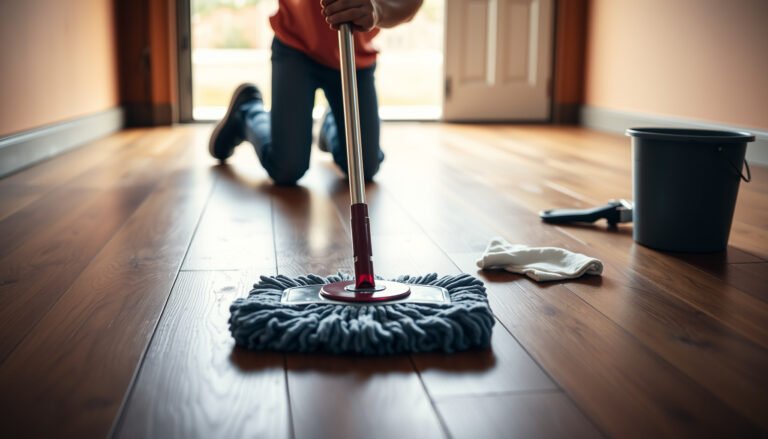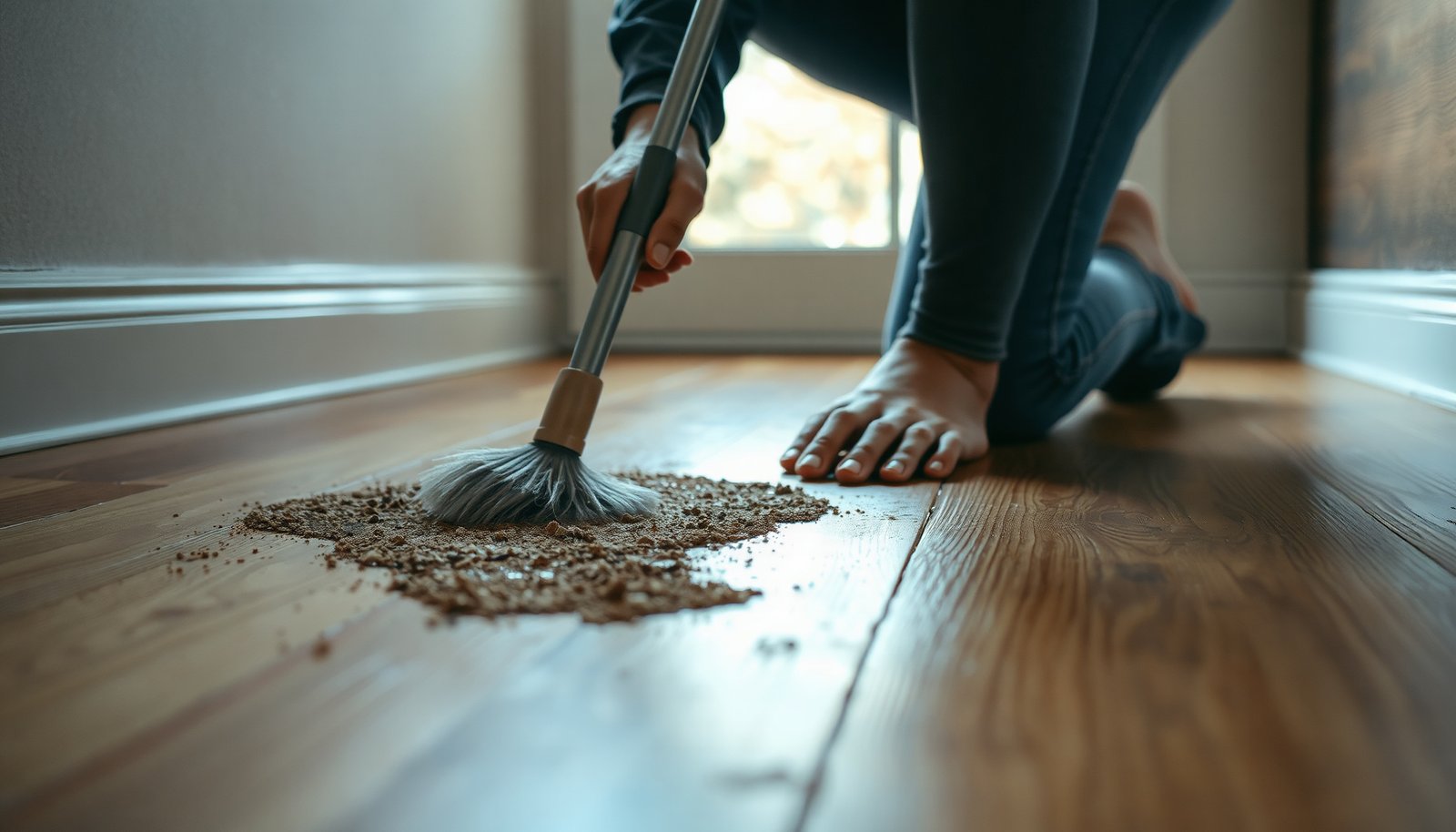

Stubborn grit that’s ground into your engineered wood floor can make every step look dull and feel frustrating. You can usually lift it safely in 20–40 minutes by loosening particles first, then using a damp, wood-floor-approved cleaner and gentle agitation only where needed. Have a soft microfiber mop, two clean buckets or water, a microfiber cloth, and a non-scratch brush ready, and follow the method step by step.



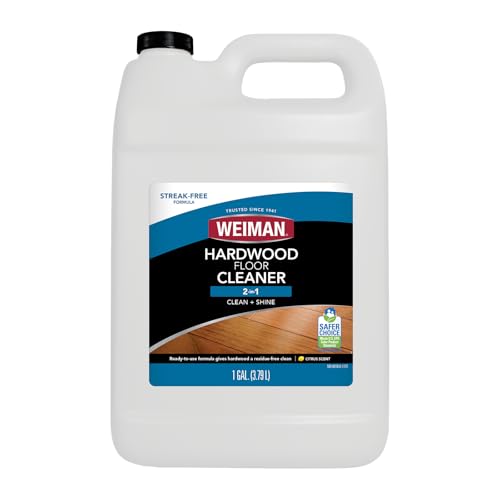
Stubborn dirt on engineered wood floors usually comes up best with the right method: start dry (vacuum or soft sweeping), then use a pH-neutral cleaner and a barely damp microfiber cloth—avoid soaking. If grime is still ground in, use targeted spot-cleaning and gentle stain-removal steps that won’t lift the finish.
This guide is for engineered wood floors that look dull or dirty in high-traffic spots (near entrances, chair legs, or under rugs) where normal mopping isn’t cutting it. It’s especially useful when dirt feels embedded rather than just sitting on top.
Pre-clean: remove grit before you scrub
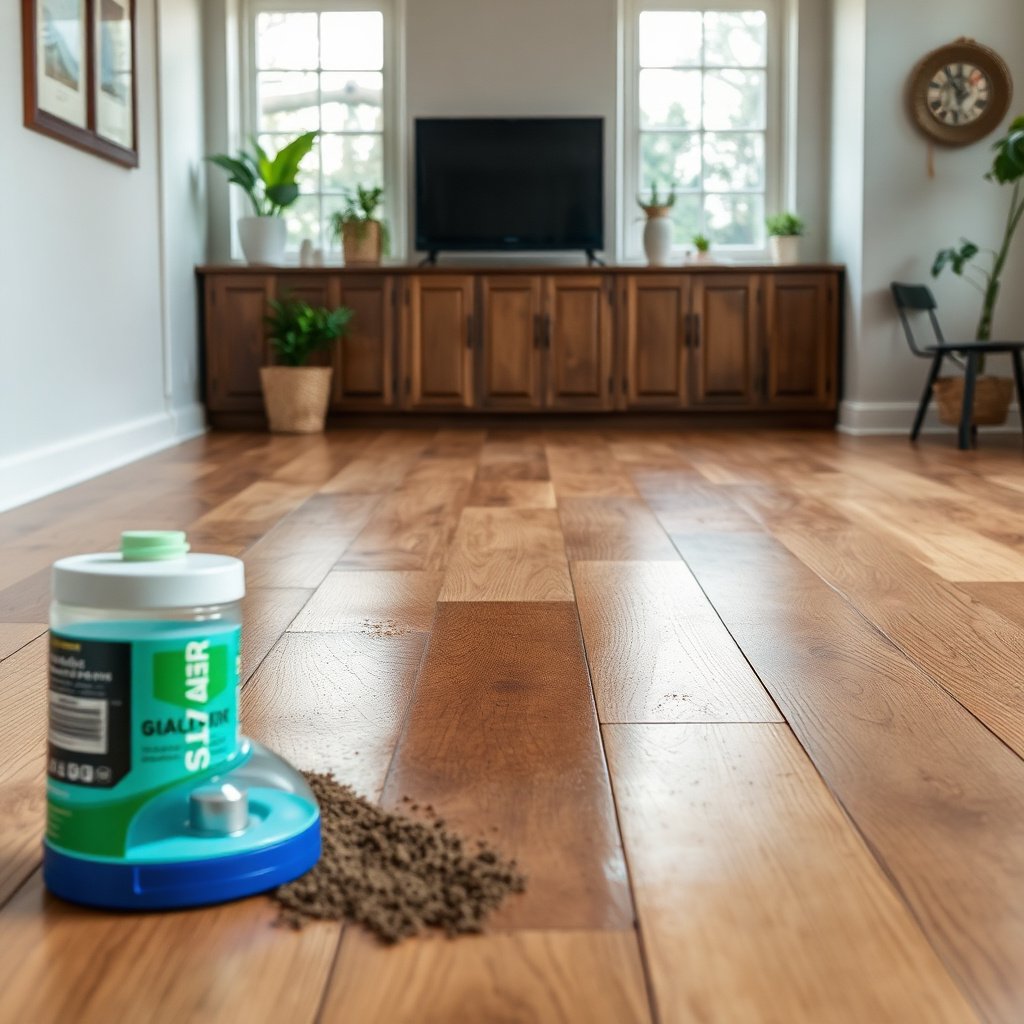
If you want stubborn dirt off engineered wood floors without scratching, remove loose grit first. Dry soil and sand particles act like abrasive “grit” and can dull the finish even before you add cleaner—so the safest first move is a proper pre-clean.
– Sweep or vacuum first using a soft-bristle attachment to prevent grit from scratching the finish.
– Avoid abrasive pads or “scrubby” tools at this stage, because loose particles can act like sandpaper.
Before you scrub engineered wood floors, treat the surface like a lens: the goal is to lift particles off the finish, not grind them in. In practice, we focus on the edges of traffic lanes—where grit accumulates under shoe soles and around entryways—because that’s where engineered wood flooring commonly shows dullness first. If you’re vacuuming, use a bare-floor setting and a nozzle without a beater bar; if your vacuum has a brush roll, cover or switch to the soft attachment.
If you’re dealing with embedded sand on engineered wood floors (for example, tracked in during wet or snowy weather), a single dry pass rarely clears it all. Do a second vacuum pass slowly, then inspect with your phone light at a low angle—shadows reveal the remaining grit that a regular glance misses.
Use the safest everyday cleaner first
If you want to restore engineered wood floors without damaging the finish, start with a pH-neutral cleaner applied to a microfiber cloth, not the floor. This approach reduces the risk of residue, finish softening, and edge swelling that can happen when cleaners are over-applied.
– Choose a pH-neutral wood floor cleaner and apply it to a microfiber cloth (not directly to the floor).
– Wipe in the direction of the wood grain, then go over the area with a clean, lightly damp cloth to remove residue.
For engineered wood floors, “pH-neutral” is a practical safety target because finishes and topcoats (urethane, aluminum-oxide, or factory-cured coatings, depending on the product) are sensitive to harsh acidity/alkalinity. According to USDA Forest Products Laboratory, wood dimensional change is driven by moisture in the wood; minimizing excess wetness matters because swelling risk rises as moisture content approaches critical thresholds. In other words: the cleaner should loosen dirt, while the microfiber should control moisture.
In my own home maintenance process, I rely on an informal but consistent method: dampen the microfiber, wring it until it’s barely wet, and make passes you can feel—smooth contact with no puddling.
To help you choose more confidently, here’s a quick reference for common substances people reach for—and why pH swings can increase risk for engineered wood floors.
Common Cleaner Substances: Typical pH and Finish Safety for Engineered Wood Floors (General Guidance)
| # | Substance/Cleaner Type | Typical pH (approx.) | What it can do to finishes | Finish safety |
|---|---|---|---|---|
| 1 | pH-neutral wood floor cleaner | 6.5–8.5 | Designed to reduce residue and avoid strong acid/alkali stress | ★★★★★ |
| 2 | Distilled water (rinse pass) | ~7.0 | Low chemical risk, but still use barely damp application | ★★★★☆ |
| 3 | Mild dish detergent (varies by brand) | ~7–9 | May leave surfactant film if not fully rinsed—can attract more dirt | ★★☆☆☆ |
| 4 | Baking soda solution | ~8.1–8.4 | Alkaline tendency can stress some finishes; residue risk if overused | ★★☆☆☆ |
| 5 | White vinegar (typical 5% acetic acid) | ~2.4–3.0 | Acidic pH can dull/attack certain coatings over repeated use | ★☆☆☆☆ |
| 6 | Household ammonia (typical 5–10%) | ~11–12 | Strong alkalinity can weaken finishes; rinse fully if used at all | ★☆☆☆☆ |
| 7 | Chlorine bleach (sodium hypochlorite solutions) | ~11–13 | Can oxidize/attack coatings and increase finish degradation risk | ★☆☆☆☆ |
Spot-treat stubborn dirt (without soaking)
If you want to lift embedded grime on engineered wood floors, do controlled spot-treatment rather than soaking the whole area. The objective is to loosen the soil at the stain site, then remove it completely so it doesn’t re-deposit.
– For spots, let the cleaner dwell briefly on the grime (just enough time to loosen it), then wipe with firm, even pressure.
– If the area feels sticky, do a second pass with a fresh, slightly damp microfiber to remove any film that attracts more dirt.
A “dwell time” of a few minutes (or exactly what the cleaner label specifies) helps engineered wood floors because many soils—especially from tracked-in mud, body oils, and shoe rubber—need softening before wiping. You’re not trying to soak the finish; you’re letting the surfactants and mild solvents in a pH-neutral cleaner do their job.
Here’s a practical method that avoids soaking engineered wood floors:
1. Pre-wipe the spot with a barely damp cloth to reduce dust around it.
2. Apply the cleaner to the cloth (again, not puddles).
3. Press the cloth onto the spot for a short dwell, then wipe with the grain.
4. Finish with a second microfiber that’s just lightly damp to remove any remaining film.
If the spot under a rug looks dirtier than the surrounding engineered wood floors, that can be partly “microclimate dust” trapped under fabric—not only dirt. Lift the rug, vacuum thoroughly, and clean the edges of the rug footprint where air movement is reduced.
Lift grime the “gentle power” way
If the finish-safe wipe isn’t enough, escalate using controlled, gentle agitation—not aggressive scrubbing. For engineered wood floors, the safest “power” comes from microfiber contact and chemistry compatibility with your floor’s coating.
– For built-up scuffs, use a microfiber pad and light pressure; if needed, try a wood-finish–safe cleaner specified for the floor’s coating type.
– If you’re dealing with dark soil that won’t move, try a controlled approach: re-wet the spot lightly, blot, and repeat rather than scrubbing aggressively.
This is where people accidentally damage engineered wood floors: they turn a cleaning problem into an abrasion problem. Instead of “scrub, scrub, scrub,” use repeated light cycles. Each cycle is designed to loosen and lift, then remove residue before moving on.
A controlled approach for stubborn dark soil on engineered wood floors looks like this:
– Re-apply pH-neutral cleaner to the cloth.
– Lay the cloth on the stain briefly, then lift and wipe away lifted soil.
– Blot with a dry microfiber immediately after wiping to prevent moisture from lingering.
– Repeat only until the spot fades to your surrounding tone.
If your engineered wood floors have an aluminum-oxide or hard factory topcoat, light agitation often works without dulling—but only if you stay within the “barely damp microfiber” rule. If the finish is already failing (cloudiness, flaking, or peeling), cleaning can’t fix the underlying problem; it only exposes the damage faster. In that scenario, consult the manufacturer’s maintenance instructions before doing any stronger cleaning.
Quick comparison: what to use when grime is “stuck”
| Method | Best for | Key risk to avoid |
|---|---|---|
| Dry vacuum + soft brush | Sand, grit, dust build-up at entrances and along baseboards | Scratching from abrasive tools or brush rolls |
| pH-neutral cleaner on microfiber | Dulling from everyday oils, footprints, and light residue | Over-wetting or leaving cleaner film |
| Spot dwell + blot cycles | Embedded spots under rugs or around chair legs | Aggressive scrubbing that wears the finish topcoat |
What can go wrong (and how to avoid it)
If your engineered wood floors turn worse after cleaning, the issue is usually moisture, residue, or abrasion—not “not enough scrubbing.” Avoiding a few common failure modes will protect the finish and prevent re-soiling.
– Over-wetting: engineered wood can tolerate moisture better than solid in many cases, but soaking can still cause edge swelling or finish breakdown—use barely damp cloths.
– Wrong tools: steel wool, stiff brushes, and harsh abrasives can permanently dull or scratch the finish.
– Residue buildup: using the wrong cleaner or leaving cleaner on the floor can make dirt re-adhere faster (you may notice the area getting dirty again quickly).
Over-wetting is the most costly error for engineered wood floors. Wood swelling risk is tied to moisture content behavior: According to USDA Forest Products Laboratory, the “fiber saturation point” is roughly 25–30% moisture content, and swelling behavior changes around that threshold. Practically, the key takeaway is simpler: standing water and aggressive wet mopping increase the chances of water migrating to edges and seams.
Tool choice also matters. Engineered wood floors may have a hard wear layer, but scratches still happen—especially when grit remains. If you drag a dirty mop head across engineered wood floors, you’re effectively grinding whatever soil you didn’t remove.
Residue buildup is another frequent culprit. If you clean engineered wood floors with a detergent that leaves surfactant film, you can create a “sticky layer” that captures new dust and makes the spot darker again within days. That’s why your last pass should be a clean, lightly damp microfiber (or, if your cleaner label directs it, a rinse step).
Finally, engineered wood floors respond strongly to indoor humidity. According to National Wood Flooring Association (NWFA), a commonly recommended indoor range is about 35–55% relative humidity to help limit seasonal movement. As of 2025–2026, that guidance still appears in many manufacturer care instructions for wood flooring—so if you’re seeing repeated edge issues, cleaning alone won’t solve it.
Verdict: use a careful, layered approach
If you want the highest chance of success, use a layered approach that escalates gently while keeping engineered wood moisture controlled. Start with dry removal, then pH-neutral cleaner and cloth wiping; only escalate to targeted spot steps if the finish remains intact.
The downside is that this approach takes a bit more time than aggressive scrubbing, and very severe buildup may require professional inspection or refinishing depending on your wear layer and coating. Skip DIY escalation if your floor has an unknown finish, visible water damage, peeling edges, or widespread deep staining—those are signs to stop and get guidance from the manufacturer or a floor pro.
For engineered wood floors, the safest “decision rule” is: protect the finish first, then remove soil. If you see gloss changes, roughness you can feel with your fingertips, or coating breakdown after cleaning, you’re no longer just cleaning—you’re wearing down the protective layer.
Quick checklist for stubborn dirt
– ✅ Vacuum/sweep first (soft attachment)
– ✅ Use pH-neutral cleaner on microfiber (not puddles)
– ✅ Wipe with the grain; follow with a clean damp cloth
– ✅ Spot-treat with brief dwell time, then blot/wipe
– ✅ Escalate gently—avoid abrasives and heavy scrubbing
– ✅ Stop if you see finish lift, peeling, or water-related swelling
Frequently Asked Questions
What’s the safest way to remove stubborn dirt from engineered wood floors?
Start by dry-sweeping or vacuuming with a soft brush attachment to lift grit that can scratch the surface. For stubborn dirt, use a manufacturer-recommended engineered wood floor cleaner and a microfiber mop that’s only lightly damp. Avoid soaking the planks or using harsh chemicals that can dull the finish or seep into seams.
How do I clean stuck-on grime or mud without damaging the finish?
Let the mud or grime soften first by placing a slightly damp microfiber cloth over the area for a few minutes, then gently wipe. If residue remains, use a wood-floor-safe cleaner and scrub lightly with a non-abrasive pad (like a microfiber or soft nylon scrubber). Never use steel wool or abrasive scrubbers, as they can wear through the top layer and leave permanent marks.
Why should I avoid steam cleaning when dealing with heavy dirt buildup?
Steam cleaners can force moisture into the joints and edges of engineered wood, which can lead to swelling, warping, or edge separation over time. Even when the floor is sealed, excessive heat and water exposure can compromise the finish. Instead, stick to damp-mopping methods using a pH-balanced cleaner designed for engineered wood.
Which cleaning tools work best for stubborn dirt on engineered hardwood?
The best tools are a microfiber mop, microfiber cloths, and a vacuum with a soft bristle or hard-floor setting to prevent scratching. For tougher spots, choose a non-abrasive pad or a soft nylon brush used sparingly with an engineered wood floor cleaner. Use a spray bottle rather than pouring, so you control how much cleaner touches the surface.
Best way to tackle sticky residues, grease, or floor scuffs on engineered wood floors?
Remove sticky residues by cleaning with a dedicated floor cleaner, then gently blot with a clean, damp microfiber cloth to lift remaining film. For light scuffs, try a recommended wood polish or floor-refinishing product only if it matches your finish type; test in an inconspicuous area first. For grease or unknown sticky spots, avoid harsh solvents and consult your floor manufacturer’s care guide to keep the engineered wood top layer protected.
📅 Last Updated: November 04, 2026 | Topic: How to clean stubborn dirt from engineered wood floors? | Content verified for accuracy and freshness.
References
- Wood flooring
- Engineered wood
- Wood flooring
- Cleaning
- https://www.cdc.gov/coronavirus/2019-ncov/community/organizations/cleaning-disinfection.html
- https://www.epa.gov/coronavirus/how-clean-and-disinfect-your-home
- https://www.who.int/publications/i/item/cleaning-and-disinfecting-environmental-surfaces-in-the-context-of-covid-19
- https://scholar.google.com/scholar?q=how+to+clean+engineered+wood+floors+stubborn+dirt Google Scholar
- https://scholar.google.com/scholar?q=engineered+hardwood+floor+care+moisture+cleaning+methods Google Scholar
- https://scholar.google.com/scholar?q=wood+floor+cleaning+detergent+residue+microfiber+guidelines Google Scholar