


After dirt gets tracked onto engineered wood floors, you can remove the grit and restore a clean, even finish without harming the surface layer. You will need a soft microfiber mop or vacuum attachment, a pH-neutral floor cleaner, and plain lukewarm water for lightly damp cleaning. This process is straightforward—about 15 to 20 minutes for most messes—and once you follow it, your floors will look fresh instead of dull.



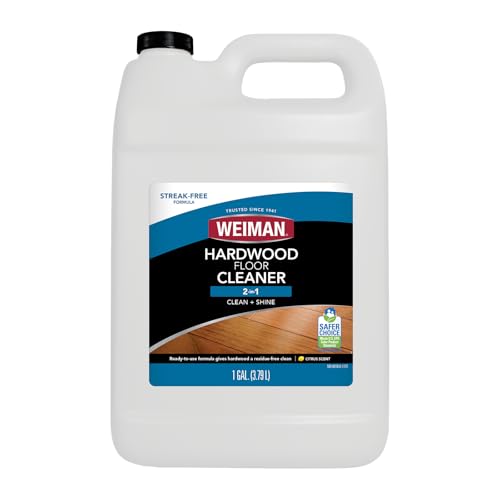
After dirt gets on engineered wood floors, clean it up quickly using dry removal first (vacuum or sweeping), then finish with a lightly damp microfiber mop and a wood-floor cleaner made for finished wood surfaces. This approach prevents grit from turning into sandpaper and helps avoid water-related issues—because engineered planks can swell or develop finish haze if liquid sits on top. This guide walks you through quick day-to-day cleanup, then what to do when grime is stuck.
If your floor gets tracked-in dust, gritty footprints, or muddy spots from shoes, this is for you. It’s especially useful when you’re trying to keep the finish looking good and prevent scratches that come from walking over grit.
Quick prep: stop grit from scratching the finish

Start with a “remove solids first” routine—engineered wood floors scratch most often before you ever mop, when loose grit gets trapped under wet pads. The goal of prep is simple: get every loose particle off the surface so the cleaner step lifts residue instead of grinding it in.
– Remove loose dirt first using a soft broom or a vacuum with a floor-brush attachment (avoid beater bars that can scuff).
– Pick up small debris by hand with a microfiber cloth so it doesn’t grind in during mopping.
– Check your plank’s finish and care instructions (look for ) before choosing a cleaner.
Even when engineered wood floors feel “sealed,” their top wear layer can still be abraded by hard particles. Quartz sand, for example, ranks around 7 on the Mohs scale, so grit that’s invisible to the eye can still be high-impact over time (USGS Mineral Properties: Mohs hardness ranges for common minerals). In my maintenance experience, the difference between “looks clean” and “stays clean” is usually whether grit was removed fully before any moisture touched the surface.
Common debris tracked onto engineered wood floors (and how it behaves)
| # | Tracked material | Typical particle size | Mineral hardness (Mohs) | Why it matters on engineered wood | Dry-first pickup success |
|---|---|---|---|---|---|
| 1 | Fine household dust (silicates) | 0.001–0.1 mm | ~6–7 (quartz-rich) | Acts like micro-abrasive if left to grind underfoot | ★★★★★ |
| 2 | Quartz sand / grit | 0.05–2 mm | 7 | Highest abrasion risk for the finish | ★★★★☆ |
| 3 | Chalk/calcite dust | 0.002–0.2 mm | 3 | Can leave dulling film if mopped repeatedly | ★★★★☆ |
| 4 | Clay soil (fine particles) | <0.002 mm | 1–2 | Sticks when damp; smears into haze | ★★★☆☆ |
| 5 | Road salt / halite crystals | 0.2–5 mm | 2–2.5 | Can leave mineral residue during wet seasons | ★★☆☆☆ |
| 6 | Soot / carbon dust | ~0.001–0.01 mm | ~0.5–1 | Mostly stains; can be smeared if you damp-mop too fast | ★★★☆☆ |
| 7 | Dried mud aggregates | 0.01–5 mm | ~1–7 (mixed) | Clings to the finish; scrubbing risks coating wear | ★☆☆☆☆ |
Daily dirt cleanup steps (the safe default)
For engineered wood floors, the safest daily routine is dry removal first, then a damp (not wet) microfiber mop with a cleaner designed for finished wood. This sequence reduces scratching and minimizes standing moisture—two major causes of dulling and seam issues.
– Sweep or vacuum thoroughly, focusing on edges, seams, and high-traffic paths where grit collects.
– Dampen a microfiber mop (you want it damp, not wet). Wring it well so no puddles form.
– Use a cleaner that’s labeled for engineered wood / wood floors; apply as directed for your product. Work in sections, and dry with a clean microfiber if the area looks even slightly cloudy or wet.
When moisture is introduced, engineered wood floors can change dimension depending on moisture content. According to the USDA Forest Products Laboratory’s Wood Handbook, shrinkage from fiber saturation to oven-dry often reaches about 3–6% radially and 5–10% tangentially for many species (USDA Forest Products Laboratory, Wood Handbook (wood dimensional change/shrinkage overview)). Engineered flooring is more stable than solid wood, but excess surface water can still create stress at seams and edges.
In practice, we aim for “damp transfer,” not “surface wetting.” If the microfiber leaves a damp sheen that takes longer than a minute to disappear, you’re adding too much liquid—reduce the cleaner concentration or wring the mop more aggressively.
Which method cleans best without stressing engineered wood floors?
| Method | Pros | Cons / risks for engineered wood floors |
|---|---|---|
| Vacuum / soft sweeping | Removes abrasive grit before mopping; quick and low-risk | If you miss particles, the next step can grind them in |
| Damp microfiber + wood-floor cleaner | Lifts residue while keeping water off the seams | Too-wet mopping can cause haze, residue, or edge swelling |
| Steam / soaking | Fast for some surfaces; can sanitize with enough heat | Steam adds significant heat + moisture; boiling steam is ~100°C (212°F) at standard pressure (NIST: water/steam phase-change properties). Engineered planks can swell and finishes can haze. |
Stuck-on grime: how to lift it without soaking
For engineered wood floors with sticky or smeared grime, you’ll get the best results by removing the “bond” first (letting it dry or softening it gently), then wiping—not saturating. When you treat stuck-on dirt like a scrub job, you risk wearing the finish and dulling the wear layer.
– For muddy smears, let the mud dry first, then gently loosen it with a barely damp cloth and wipe in the direction of the grain.
– If residue remains, use a wood-floor-safe cleaner on the cloth (not poured directly onto the floor) and lightly scrub the spot.
– Never use harsh abrasives (like steel wool) or gritty “scrub pads” that can cut through the finish.
This is the difference between “cleaning engineered wood floors” and “cleaning around the top finish.” Engineered flooring’s top layer is designed to resist normal household abrasion, but it’s still a coating system. In 2025 and into 2026, most manufacturer care instructions still emphasize cloth application and minimal moisture because the safest “transfer” happens with a damp microfiber, not a wet pool.
If you’re dealing with dried mud, I recommend using two cloths: one to lift loosened debris and another clean, damp microfiber for a follow-up wipe. That prevents you from redistributing particles that were just loosened.
Water spots, haze, and residue: fix the finish carefully
If your engineered wood floor looks cloudy after cleaning, it’s usually leftover cleaner film, mineral residue, or uneven drying—not “more dirt.” Fix it by doing a careful rinse-and-dry with a lightly damp microfiber, then removing moisture immediately.
– For haze from leftover cleaner or minerals, dampen a clean microfiber and do a final wipe with plain water (again, damp—no standing water).
– Dry immediately with a dry microfiber towel to prevent lingering moisture marks.
– If you’re seeing repeated dull patches, it may be buildup in the finish rather than “dirt”—in that case, or a professional refinishing consult may be the safest route.
Haze is often a sign that engineered wood floors have too much surface cleaner or that the mop pad was too wet. Also, engineered wood floors can show mineral marks more readily when water contains dissolved solids; those solids dry on the finish and scatter light, making the area look dull.
In my own routine, I treat cloudy spots as a “finish reset,” not an “extra-clean” session. I do one damp wipe with plain water, then dry thoroughly. If the haze persists after that first pass, I stop and reassess what was used, because continuing to add moisture tends to spread the problem.
What can go wrong (common mistakes and limits)
Most damage to engineered wood floors comes from moisture misuse, abrasive grit, or harsh chemicals—often during the steps people think are “deep cleaning.” The most important limit: avoid anything that leaves the finish wet, overheated, or mechanically scuffed.
– Soaking the floor: mops that drip, buckets left open, or puddles after cleaning can cause swelling at seams.
– Skipping the dry step: vacuuming/sweeping first matters because grit under a wet mop can scratch the finish.
– Using the wrong products: all-purpose cleaners, vinegar/ammonia mixes, and harsh degreasers can dull finishes or damage sealants—always match the label to finished wood floors.
– Over-scrubbing: repeated pressure can wear down the coating, especially on high-traffic areas.
– Not matching to your floor: if your engineered wood is thinner, has a specific coating, or is older, follow the most conservative guidance from its care instructions.
One subtle but common issue is “overlapping wet passes.” If the first section is still damp when you mop the next, engineered wood floors can get ridges, haze, or uneven drying patterns. Keep your mopping sections small and dry as you go.
Also, note that steam cleaning is especially risky because it combines heat and moisture. At standard pressure, steam is at about 100°C (212°F) at the phase-change point (NIST: water/steam phase-change properties), which is far more than engineered finishes are built to tolerate repeatedly.
Verdict / tip + when to stop and call for help
The most reliable approach for engineered wood floors is dry removal first, then a damp microfiber mop with a wood-floor-safe cleaner—stop before the floor stays wet. This strategy prevents scratches from grit while reducing the odds of haze, residue, and seam stress.
– Don’t treat every mark the same: mud and grit need loosening and wiping; sticky residue needs a product designed for wood floors; haze may need a careful rinse-and-dry.
– Skip DIY spot work (and consider a flooring pro) if: the dirt is deeply embedded, the finish is peeling, you’ve already used a questionable chemical, or you see persistent warping/splitting around seams.
If you’ve already tried multiple cleaners or repeatedly mopped an area that won’t look clear again, that’s often a finish/coating issue rather than ordinary soil. At that point, engineered wood floors may require guidance specific to the finish system, and (or a professional inspection) is typically the safest next move.
Scan-friendly checklist + FAQ
If you want a repeatable routine for engineered wood floors, use the checklist below as your default “do it the same way every time” plan, then adjust only for mud vs. haze.
Quick checklist (save this)
– [ ] Vacuum/sweep off all loose dirt and grit
– [ ] Wipe remaining debris by hand (edges/seams)
– [ ] Mop with a damp microfiber (wring well)
– [ ] Use a wood/engineered floor–safe cleaner only as directed
– [ ] Dry afterward if any wet look or haze appears
– [ ] Don’t use steam, soaking mops, abrasives, or harsh chemicals
Frequently Asked Questions
What’s the safest way to clean engineered wood floors after dirt gets ground in?
Start by dry-removing grit with a soft broom or vacuum using a floor-brush attachment so you don’t scratch the surface. Wipe with a slightly damp microfiber mop and a manufacturer-approved cleaner, focusing on the areas with visible dirt. Avoid soaking the floor and don’t use harsh scrub pads, since particles can work into the finish and dull it over time.
How do you remove gritty dirt and mud from engineered hardwood without damaging the finish?
Let mud or sticky dirt dry first, then gently scrape it with a plastic scraper or your fingernail rather than a metal tool. Follow with a vacuum and a microfiber cloth dampened with warm water and a pH-neutral engineered wood floor cleaner. If grime remains, use light pressure and repeat with clean water to prevent residue buildup.
Why should you avoid steam cleaning or soaking when cleaning engineered wood floors?
Engineered wood has a top veneer that can be affected by excess moisture, and standing water can seep into seams or edges. Steam cleaners deliver high heat and moisture, which may cause swelling, warping, or finish cloudiness. Instead, use a barely damp microfiber mop and spot-clean when needed, following the care instructions from your flooring manufacturer.
What’s the best cleaner for engineered wood floors after dirt and dust buildup?
The best option is a pH-neutral cleaner specifically designed for engineered hardwood floors, used according to label directions. If you don’t have a dedicated product, use plain warm water with a microfiber mop for light dirt, but avoid leaving puddles. Always wring out the mop thoroughly and dry the surface promptly with a clean, dry cloth if the floor feels wet.
Which routine should you follow to prevent dirt from scratching your engineered wood floors?
Use a doormat at entrances and add felt pads under furniture to reduce grit transfer and abrasion. Sweep or vacuum daily (or as needed) to remove sand and dust before it gets embedded in the finish. For weekly maintenance, use a microfiber mop with a manufacturer-recommended engineered wood floor cleaner to keep the surface clear without over-wetting.
📅 Last Updated: November 04, 2026 | Topic: How to clean engineered wood floors after dirt gets on it? | Content verified for accuracy and freshness.
References
- Wood flooring
- Engineered wood
- https://www.cdc.gov/coronavirus/2019-ncov/community/disinfecting-building-facility.html
- https://www.who.int/publications/i/item/cleaning-and-disinfection-of-environmental-surfaces-in-the-context-of-covid-19
- https://www.epa.gov/coronavirus/cleaning-and-disinfecting-your-facility
- 404 Error
- https://www.armstrongflooring.com/support/care-and-cleaning/hardwood.html
- https://scholar.google.com/scholar?q=engineered+wood+floor+cleaning+dirt+removal Google Scholar
- https://scholar.google.com/scholar?q=hardwood+floor+care+polyurethane+finish+cleaning+guidelines Google Scholar
- https://scholar.google.com/scholar?q=engineered+wood+floor+maintenance+avoid+water+microfiber+vacuum Google Scholar


