
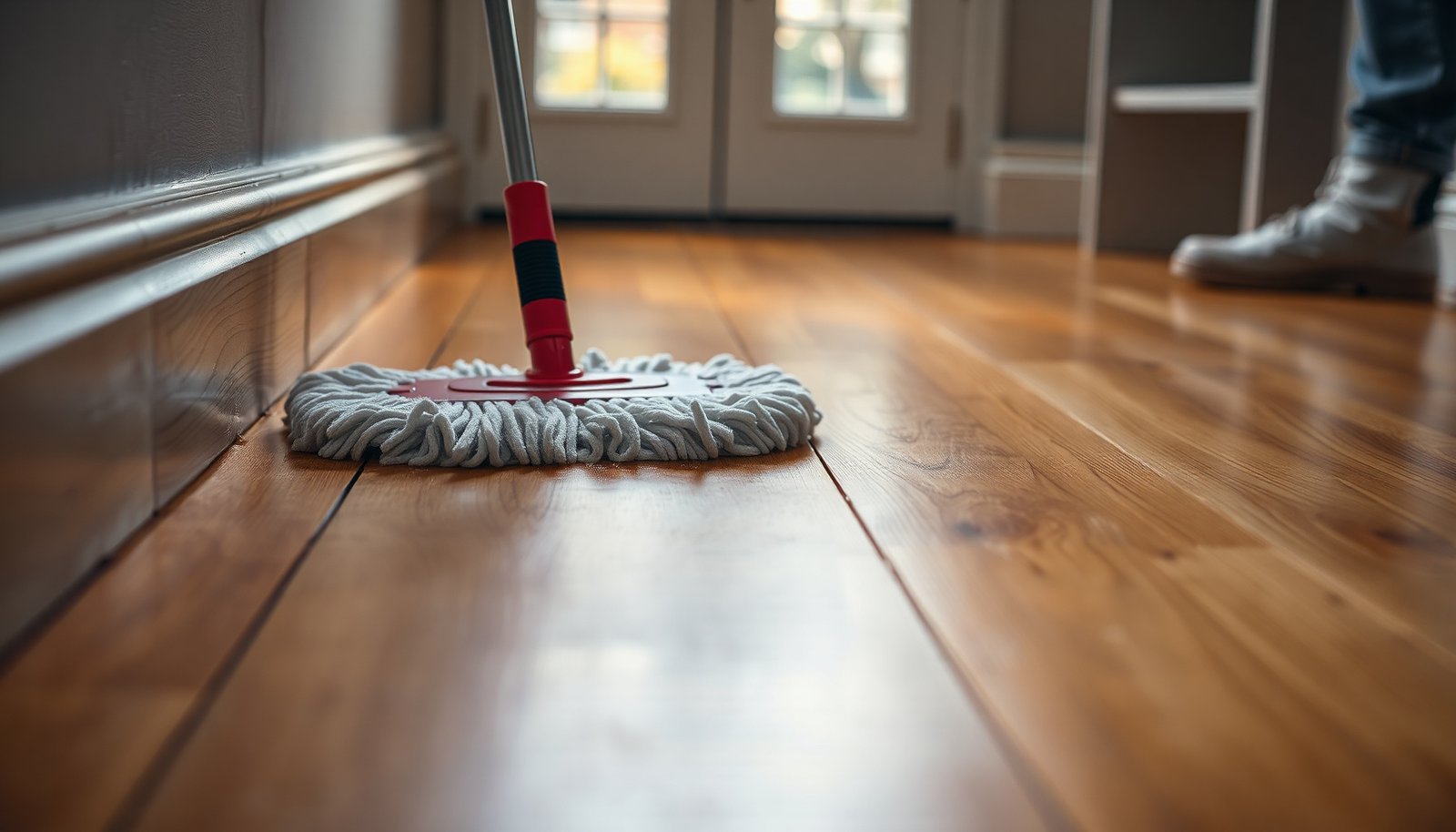

Engineered wood floors can look dull fast when everyday grit settles in the seams and on the surface. You want them clean without risking scratches, lifting layers, or a cloudy finish, and that urgency is completely understandable. With a soft broom or vacuum attachment, a dry microfiber pad, and a lightly damp mop with a manufacturer-approved, pH-neutral cleaner, you can clear dirt in minutes and bring back a smooth, even look.



Clearing dirt from engineered wood floors is a two-step process: remove loose grit first (vacuum or dry sweep), then clean with a barely-damp microfiber mop using a wood-floor cleaner made for engineered wood. The key is minimizing moisture so water doesn’t creep into seams, edges, or click-lock joints while still lifting embedded grime.
This approach works for most engineered wood floors with a factory finish (including many click-lock/plank systems). If your floor is unfinished, heavily damaged, or coated differently than a standard sealed finish, follow the manufacturer’s cleaning guidance first.
Prep: protect the finish before you clean
Before you touch the floor with a cleaner, you need to confirm it’s sealed/finished and set yourself up to prevent scratches. Engineered wood floors protect best when you avoid abrasive grit and use only products designed for finished, factory-sealed surfaces—because the surface film does the heavy lifting against dirt and moisture.
– Check the floor’s finish (look for “sealed/finished” vs. “unfinished”) and use only cleaners recommended for that type.
– Remove grit from doorways first (doormats help prevent the “grinding” dirt that causes scratches).
– Gather a vacuum with a soft brush, microfiber pads/mop, and a wood-floor cleaner labeled safe for engineered wood.
Quick fit check (so you don’t clean the wrong way)
Engineered wood floors vary by finish system. If your product documentation says “no wet mopping,” “use damp only,” or “use the manufacturer’s cleaner,” treat that as the rule—even if your neighbor swears by something else. Also, if you’re dealing with a floor that has visible joint gaps, raised edges, or ongoing moisture issues, don’t try to “scrub through” the problem; you’ll likely push debris deeper or worsen the edges.
According to the National Wood Flooring Association (NWFA), maintaining indoor humidity in the approximate 35–55% relative humidity range helps prevent dimensional movement in wood flooring (2023) (NWFA humidity guidance, 2023). That matters because when engineered wood floors shift, dirt and moisture can behave differently along seams.
Dry cleaning: lift grime without scratching
The fastest way to prevent scratches on engineered wood floors is to dry-remove the abrasive particles first. Loose grit (sand, soil, grit from shoes) acts like sandpaper, and it only takes a tiny amount to dull or scratch the finish film.
– Vacuum or dry-sweep to remove dust, sand, and crumbs—start with corners and along edges.
– Use a microfiber dry mop (or dust mop) for daily buildup before switching to any liquid cleaner.
– Don’t use stiff brooms or abrasive pads; engineered wood scratches faster than people expect once grit is ground in.
What “dry first” actually prevents
Engineered wood floors are finished, but the finish isn’t invulnerable. Once sand or soil is embedded in a wet mop, it can drag across plank surfaces repeatedly. From there, you get:
– dulling (loss of gloss),
– fine scratching,
– and sometimes a “streaky” look that’s hard to reverse without refinishing.
For best results: make two passes—first with the vacuum/dry mop, then a second dry pass with a clean microfiber pad just before you damp-clean. That reduces the grit that can get reworked by moisture.
Damp cleaning: clean the surface, not the seams
If you’re going to use liquid on engineered wood floors, use the least moisture possible and apply it to the mop—not the floor. The goal is to pick up dirt with a barely-damp microfiber system, not to soak the finish and risk water getting under edges or into seams.
– Lightly mist your cleaner onto the mop pad (or use a cleaner-damp method) rather than pouring liquid on the floor.
– Wring the mop until it’s barely damp; the goal is to pick up dirt, not leave water behind.
– Clean in small sections, then go back once with a clean, dry microfiber pad to remove lingering moisture.
Why “barely damp” matters for engineered wood floors
Wood moves when it absorbs moisture. According to the USDA Forest Service’s *Wood Handbook*, wood reaches fiber saturation around 25–30% moisture content, where dimensional change accelerates because water is present in the wood structure (2010) (USDA Forest Service, *Wood Handbook*, 2010). While a microfiber mop doesn’t reach fiber saturation in normal cleaning, leaving excess water on engineered wood floors can still create localized swelling near seams and edges—especially if the surface film is damaged.
And for context, steam adds heat plus moisture. Water boils at 100°C / 212°F at standard atmospheric pressure (2024) (NIST, water boiling point, 2024). That’s why steam mops can be risky for many engineered wood finishes—even when users “only pass quickly.”
Engineered Wood Floor Cleaning: Moisture-Exposure Risk by Method
| # | Method (typical use) | Water/Steam On Floor | Finish Scratch Risk | Moisture Risk Index |
|---|---|---|---|---|
| 1 | Vacuum with soft brush (routine) | None | ★☆☆☆☆ | 0 (Low) |
| 2 | Dry microfiber/dust mopping (daily) | None | ★★☆☆☆ | 0 (Low) |
| 3 | Barely-damp microfiber mop (approved cleaner) | Light (controlled) | ★★★☆☆ | 1 (Low–Med) |
| 4 | Spray-on-pad spot cleaning (no surface pooling) | Light (localized) | ★★★☆☆ | 1 (Low–Med) |
| 5 | Wet mopping with puddles avoided (still “too wet”) | Excess (lingers) | ★★★★☆ | 2 (Med) |
| 6 | Flooding/mop-bucket oversaturation (pooling risk) | High (soaks) | ★★★★☆ | 3 (High) |
| 7 | Steam mopping (steam + heat) | Very high (steam) | ★★★★★ | 3 (High) |
Handle stuck-on dirt and spots safely
For sticky spots on engineered wood floors, treat them as localized issues—not full-floor scrubbing. When you work in the spot first, you protect the finish from unnecessary abrasion and prevent spreading residue across plank rows.
– For sticky residue (spills, track marks), start with a slightly damp microfiber cloth—let it loosen the spot before wiping.
– For grime in traffic lanes, use a gentle, repeat wipe rather than aggressive scrubbing.
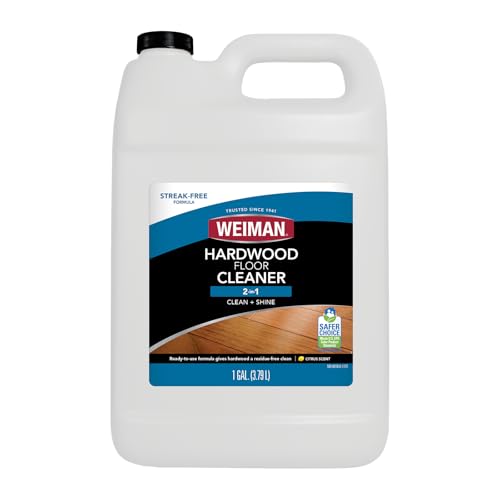
– If you’re dealing with stains from common household sources, test your approach in a hidden area first and use a product specifically meant for finished wood floors: .
A practical spot-clean workflow (engineered wood floors)
1. Loosen, don’t grind: Dampen a microfiber cloth (not dripping) and hold it over the residue for a moment so it hydrates or softens.
2. Wipe with direction: Wipe gently, following plank length or the manufacturer’s recommended grain direction (if provided).
3. Dry immediately: Follow with a dry microfiber pass in the same area to reduce moisture dwell.
What can go wrong (and how to avoid it)
Most problems happen because engineered wood floors get either too much water, too much grit, or the wrong tools. If you avoid those three failure modes, you usually get clean planks without dullness, edges lifting, or seam swelling.
– Using too much water: engineered wood can swell or cup at seams if liquid gets underneath or stays on the surface.
– Skipping the dry step: grit + wet mopping turns into a scratch pattern.
– Wrong tools/chemicals: steam mops, harsh degreasers, and abrasive pads can dull or damage finishes—especially on high-gloss or aluminum-oxide coatings.
Comparison: which method is safest for engineered wood floors?
Below is a quick comparison based on moisture exposure and finish-risk behavior (not just convenience).
Verdict and tip: the simplest reliable method
Most of the time, the best approach for engineered wood floors is: dry removal first, then a barely-damp microfiber mop with an approved wood-floor cleaner. It may feel slower than “wet mopping,” but it’s the safest way to clear dirt without grinding grit into the finish or letting water pool near joints.
If your floor has peeling finish, visible gaps lifting, or ongoing moisture problems (humidity leaks, spills that weren’t wiped), pause and follow the manufacturer’s guidance instead of trying to force-clean through the damage.
Quick checklist to save + FAQ
Scan/check before you start
– [ ] Put down/replace doormats to reduce tracked-in grit
– [ ] Vacuum/dry-sweep with a soft brush or microfiber dust mop
– [ ] Use a wood-floor cleaner that’s safe for finished engineered wood
– [ ] Mop with a microfiber pad that’s barely damp (no puddles)
– [ ] Dry-wipe after damp cleaning in the same section
– [ ] Spot-clean sticky areas with a cloth first (don’t scrub the whole floor)
FAQ
– Can I use a steam mop on engineered wood floors?
Usually no—steam is too moisture-heavy for many engineered wood finishes. Check your floor’s care instructions first.
– What if dirt keeps coming back in the same spots?
Focus on prevention (entry mats, shoes-off policies) and re-check how you’re removing grit before mopping.
– How do I clean sticky residue without damaging the finish?
Loosen with a lightly damp microfiber cloth, wipe gently, then follow with your normal barely-damp mopping routine.
– Is it okay to use vinegar or all-purpose cleaner?
Often not—many all-purpose cleaners and acids can dull or degrade finishes. Stick to a cleaner labeled safe for sealed/finished engineered wood.
– What should I do if water gets between planks?
Stop immediately, wipe up any visible moisture, and address the source of moisture. If boards start lifting/cupping, you may need professional advice.
When in doubt, treat engineered wood cleaning like “remove grit first, then use the least moisture needed.” If you follow the dry-first + barely-damp microfiber method and handle sticky spots separately, you’ll clear dirt effectively without grinding or soaking the floor—start with today’s highest-traffic area and work room by room.
Frequently Asked Questions
How do I remove dirt and grit from engineered wood floors without scratching them?
Start by sweeping or vacuuming with a soft bristle attachment or a floor setting that won’t be too aggressive, since grit can act like sandpaper. For embedded dirt, use a slightly damp microfiber mop and avoid soaking the floor—standing water can seep into seams. If grit remains in high-traffic areas, lightly dampen the spot and gently wipe with a microfiber cloth rather than using harsh scrubbing.
What’s the best way to clean mud, dust, and everyday dirt from engineered hardwood?
For everyday dust and debris, dry cleaning with a microfiber mop or vacuum first is the safest approach. Then use a cleaner specifically labeled safe for engineered wood floors, applied sparingly to a microfiber pad (never pour directly on the planks). Wipe in the direction of the wood grain, and dry with a clean cloth if the area feels wet.
Which cleaning products are safe for engineered wood floors, and what should I avoid?
Choose a pH-neutral wood floor cleaner designed for engineered hardwood, and always follow the dilution directions. Avoid abrasive cleaners, steam cleaners, wax build-up products, and strong degreasers because they can dull the finish or compromise the top wear layer. Also steer clear of excess water and “mopping buckets” that encourage over-wetting—engineered wood requires moisture control.
How do I deep-clean ground-in dirt on engineered wood floors?
Begin with a thorough dry clean to remove loose particles, then address remaining marks with a lightly damp microfiber mop. For stubborn spots, use a manufacturer-recommended cleaner and apply it to the cloth (not directly to the floor) and let it sit briefly before gently wiping. If the dirt is near seams or edges, use a barely damp corner cloth and focus on lifting the grime rather than scrubbing hard.
Why does dirt buildup happen on engineered wood floors, and how can I prevent it?
Dirt buildup often comes from fine dust, tracked-in grit, and oils that combine with moisture or footprints, dulling the finish over time. Use doormats, remove debris frequently, and keep a regular cleaning schedule—dry dusting or vacuuming weekly helps prevent scratches. When mopping, use minimal moisture and a microfiber pad so engineered wood stays clean without moisture damage.
📅 Last Updated: November 04, 2026 | Topic: How to clear dirt from engineered wood floors? | Content verified for accuracy and freshness.
References
- https://www.armstrongflooring.com/residential/en-us/support/floor-care.html
- https://www.pergofloors.com/en-us/care-and-cleaning
- https://www.bruce.com/support/care-and-cleaning
- 404 Error
- Wood flooring
- Engineered wood
- https://scholar.google.com/scholar?q=engineered+wood+floor+cleaning+dirt+microfiber+vacuum Google Scholar
- https://scholar.google.com/scholar?q=engineered+hardwood+floor+care+maintenance+water+avoidance Google Scholar
- https://scholar.google.com/scholar?q=hardwood+floor+finish+cleaning+abrasion+soiling+microfiber Google Scholar


