
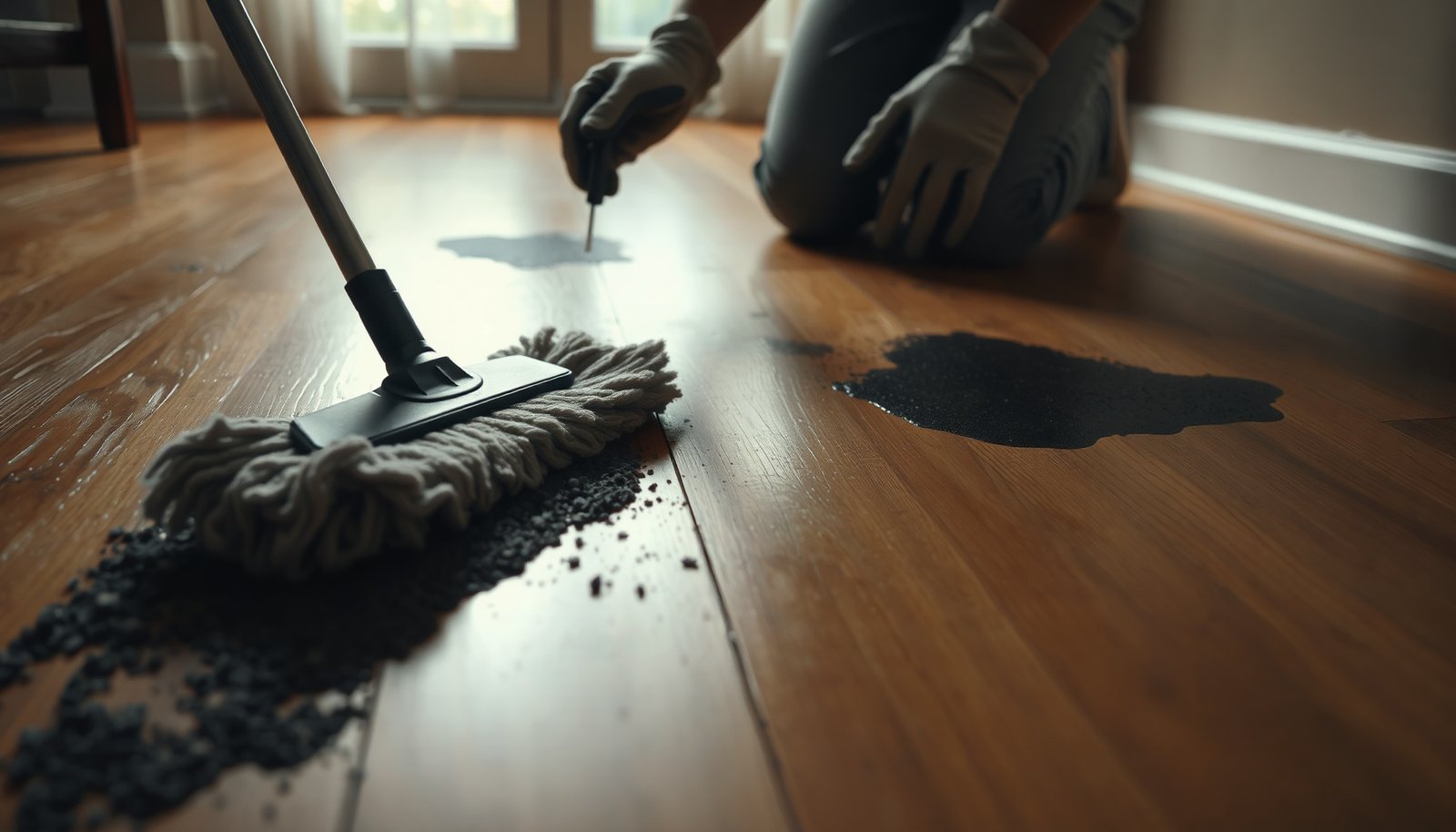

You drag a chair across the living room, and the wheels pick up a dull, black film of asphalt residue from the hardwood. The right approach—controlled scraping, solvent-safe treatment, and gentle cleaning—will lift the residue without gouging or stripping the finish. Gather a plastic scraper, a microfiber pad, a solvent or asphalt remover made for hard surfaces, and then follow a careful step-by-step order so the floor looks even again.




If asphalt residue is on your hardwood, remove loose chunks first, then dissolve what’s left using a petroleum-safe tar/asphalt remover (or a mineral-spirits–type approach), and finish by washing with a wood-safe cleaner. This ordering prevents grit from being ground into the finish and reduces the chance of permanent haze—especially important in 2026, when many “pre-finished” hardwoods use thin, solvent-sensitive topcoats that can be damaged by harsh chemicals. Always test any solvent in an inconspicuous spot first, since hardwood finishes can soften or discolor.
This applies when you’ve tracked in or spilled asphalt/blacktop residue on finished hardwood (not raw/unsealed wood). It’s especially relevant after roadwork, driveway paving, or parking-lot maintenance where tar-like residue transfers to floors.
Prep and safety before you touch the residue
The safest way to clean hardwood floors with asphalt residue is to prepare first, so you don’t spread bitumen or damage the finish. Start by controlling airflow, protecting your hands, and verifying what your flooring manufacturer allows—because solvent choice and dwell time are usually the difference between “cleaned” and “ruined.”
– Ventilate the area and protect yourself with gloves; asphalt removers can be irritating to skin and airways. If you’re using a petroleum distillate product, keep windows open and use a fan that exhausts air outward (not across the room).
– Clear grit and debris first. Asphalt residue often includes tiny aggregate (sand) that behaves like sandpaper—if you scrub it dry, you can permanently dull the sheen.
– Check your floor finish guidance. Many “finished hardwood” floors are factory-coated with polyurethane, aluminum oxide, or a waterborne finish system. If the manufacturer recommends a specific cleaner or class of solvent, follow that before using general-purpose tar remover.
A quick safety anchor: According to OSHA’s Permissible Exposure Limits (PELs), acetone has a 1,000 ppm (TWA) limit and mineral spirits typically has a 500 ppm (TWA) limit depending on the specific product (often listed under petroleum distillates/solvents). OSHA 29 CFR 1910.1000 Table Z-1 (PEL limits; accessed 2026) This matters because stronger solvents can evaporate quickly and increase inhalation exposure—yet asphalt residue often requires the petroleum-compatible chemistry that weaker household cleaners won’t provide.
Remove loose asphalt residue without scratching
The best next step is mechanical removal of solids so you don’t grind asphalt into the wood finish. On hardwood floors, bitumen can smear into the finish when you apply pressure before dissolving—so “lift and vacuum” beats “scrub and hope.”
– Gently lift any solid bits with a plastic scraper or old credit card—avoid metal blades. If residue has chunks, focus on edges and seams first (baseboards, along floor registers, and around door thresholds).
– Vacuum thoroughly (use a soft brush attachment if available) so you don’t smear residue. Vacuuming also removes loose aggregate that can scratch the clearcoat.
– Keep movement light and controlled; the goal is “lift,” not grind. If you feel resistance, stop and re-evaluate—forcing scraping can leave shiny “burnished” tracks that later look like uneven finish damage.
From a practical standpoint (based on how tar behaves on coated surfaces), the first 3–5 minutes matter: if the surface still has gritty black specks, any solvent step becomes less effective because it’s pushing particles around instead of dissolving the bitumen binder.
Dissolve the remaining asphalt with the right chemical approach
The fastest route to “as-good-as-new” is to dissolve the tar binder in small sections, not to soak the whole floor. Asphalt/bitumen residue is petroleum-based, so non-petroleum cleaners often leave a sticky film even after you think it’s gone.
– Use a tar/asphalt remover designed for petroleum-based residue, or a mineral-spirits–type solvent recommended for similar jobs. The key is petroleum-compatible chemistry that breaks down bitumen without aggressively attacking the wood topcoat.
– Apply to a cloth (not directly pooling on the floor), then work the residue in small sections. Pooling increases penetration risk at seams and edges, and it also raises the odds that the finish will haze or soften.
– Let it sit only as long as the product directions indicate: . Dwell time is product-specific—following the label reduces the chance of overexposure that can dull or cloud polyurethane and some waterborne finishes.
Why this matters: solvent strength and volatility drive how quickly residue dissolves—and how quickly the finish itself can be affected. For example, according to PubChem, acetone boils at 56.05°C, meaning it evaporates rapidly and can still be aggressive against certain finishes. PubChem, Acetone boiling point (accessed 2026) That’s one reason nail polish removers are risky on finished hardwood even when they “feel like they’re working.”
Also note: if your hardwood is truly “pre-finished,” you’re often fighting a thin resin layer. The solvent should be used to dissolve bitumen, then immediately wiped and washed off—never left to linger beyond the label dwell time.
Solvent Category Guide for Asphalt/Bitumen Cleanup
| # | Solvent category | Boiling point (°C) | OSHA PEL basis | Finish compatibility (★) |
|---|---|---|---|---|
| 1 | Mineral-spirits / Stoddard-solvent type | ~150–200 | TWA 500 ppm (typical) | ★★★★☆ |
| 2 | Turpentine (terpene solvents) | ~155–160 | TWA per substance listing | ★★★☆☆ |
| 3 | Naphtha / light petroleum distillates | ~90–120 | TWA depends on product | ★★★☆☆ |
| 4 | Xylene (aromatic solvents) | ~138–144 | TWA 100 ppm (typical) | ★★☆☆☆ |
| 5 | Toluene (aromatic solvents) | ~110.6 | TWA 200 ppm (typical) | ★★☆☆☆ |
| 6 | MEK / 2-butanone (ketones) | ~79.6 | TWA per substance listing | ★★☆☆☆ |
| 7 | Acetone (nail polish remover chemistry) | 56.05 | TWA 1,000 ppm (typical) | ★☆☆☆☆ |
Clean the wood safely after dissolving
The goal after dissolving asphalt residue is to remove both the dissolved bitumen and any solvent film. If you leave a solvent/bitumen residue behind, hardwood floors can feel sticky later, and the sheen can appear patchy.
– Wipe away loosened residue with clean cloths as you go, then switch to a fresh cloth frequently. Reusing the same cloth spreads black residue back across the finish.
– Wash with a wood-safe cleaner (ideally one that matches your floor finish) to remove solvent film. Use a damp (not wet) method: too much liquid increases the chance of seepage at seams, edges, and around fasteners.
– Dry promptly; standing liquid can seep at seams and edges. Use a microfiber cloth or absorbent towel to pull moisture out of corners and along baseboards.
A common “it looks clean but isn’t” problem is solvent film: the residue dissolves, but the floor remains slick or tacky until the next cleaning cycle. That’s why the wash step is not optional on hardwood floors affected by asphalt/blacktop.
Drying and protecting your hardwood finish
The finish should be fully dry before you walk on it, and protection products should wait until the residue and solvent film are gone. This prevents re-depositing asphalt oils and keeps waxes/conditioners from bonding to remaining tar.
– Let the floor dry fully before walking on it (use fans to speed drying if needed). Avoid wet-mopping “to finish the job,” because water can move solvent residue into seams.
– Avoid wax, oil, or “shine” products until you’re sure all residue and solvent film are gone. Many shine products can trap leftover bitumen and make it harder to clean next time.
– If the finish looks dull after cleaning, you may need a light recoat/restoration path recommended by your flooring brand.
As a practical check for hardwood floors: after the final wash, the cleaned area should feel uniform—no tackiness when you lightly touch (after drying), and no dark smears that reappear under light.
What can go wrong (and how to prevent it)
Most failures happen when people skip the order of operations or use an over-aggressive solvent on finished hardwood. If you understand the failure modes, you can prevent haze, discoloration, and lingering stickiness.
– Finish lifting or discoloration: Strong solvents can soften some finishes—always spot-test first. If you notice whitening, bubbling, or color change in the test spot, stop and switch to a milder petroleum-safe remover.
– Smearing into the pores: If you rub too aggressively before dissolving, residue can spread and become harder to remove. Lift solids, vacuum, then dissolve.
– Over-wetting the floor: Pooling liquids near seams can cause edge swelling or long-lasting haze. Apply solvent to cloths, not puddles.
– Using the wrong cleaner: Abrasive pads, steel wool, or harsh degreasers can permanently change the finish. For hardwood floors, “no scrubbing pads” is a good default unless your manufacturer says otherwise.
– Skipping a wash step: Leaving solvent/bitumen behind can cause a sticky feel or renewed tackiness later. Finish with a wood-safe cleaner and thorough drying.
If you’re cleaning after a recent paving event, asphalt residue can be more “active” and tacky—yet removal still works best with the same workflow: lift solids → dissolve → wash → dry.
Verdict + quick checklist (scan/save)
If the residue is fresh or concentrated, the safest approach is: lift solids → dissolve with an appropriate tar/asphalt remover (spot-tested) → wash with wood-safe cleaner → dry fully. This works best on finished hardwood; if your floor is unfinished, heavily worn, or you don’t know the finish type, consider pausing and checking the manufacturer first—some finishes are far more sensitive.
Quick checklist
| Step | What to do | Avoid |
|---|---|---|
| 1 | Ventilate + protect hands | Bare hands, rushing without testing |
| 2 | Plastic scrape + vacuum | Metal tools, grinding grit in |
| 3 | Spot-test remover/solvent on a hidden area | Pooling liquid directly on the floor |
| 4 | Dissolve in small sections | Scrubbing dry asphalt hard |
| 5 | Wipe clean + wash with wood-safe cleaner | Harsh degreasers, abrasives |
| 6 | Dry fully | Walking on damp areas |
| 7 | Re-assess finish; follow brand guidance | Wax/oil too early |
Who should skip this DIY route
– If the asphalt remover instructions conflict with your flooring brand’s guidance.
– If the residue is extensive and has been there a long time, and you can’t test safely in a hidden area.
– If your hardwood is already damaged/softened—solvents may worsen it.
Frequently Asked Questions
How do I remove asphalt residue from hardwood floors without damaging the finish?
Start by testing a small, hidden spot with your chosen cleaner to ensure the hardwood finish isn’t dulled or stripped. Gently remove loose debris, then use a mineral-spirits–based asphalt remover or a citrus-based adhesive remover applied to a cloth (not directly to the floor). Wipe in small sections, then follow with a pH-neutral hardwood floor cleaner and dry immediately to prevent moisture from soaking into the wood.
What’s the safest way to clean hardened tar/asphalt spills on hardwood?
For hardened residue, begin with a plastic scraper to lift buildup without scratching the wood grain. Soften remaining tar using a commercial tar remover formulated for flooring or a light mineral-spirits application to a microfiber cloth, working patiently until the residue breaks down. Afterward, clean with a hardwood-safe cleaner to remove oily traces and dry thoroughly.
Which products work best for asphalt residue on sealed versus unfinished hardwood floors?
Sealed hardwood typically tolerates mineral-spirits–type removers and adhesive/tar removers more safely because the finish acts as a barrier; always use minimal liquid and quick wiping. Unfinished hardwood is more absorbent and can stain or darken—use the least aggressive option first (often a tar remover with careful spot treatment) and avoid soaking. If you’re unsure, consult the manufacturer of your finish and consider professional help for unfinished floors to prevent permanent discoloration.
Why does asphalt residue stain hardwood, and how can I prevent it while cleaning?
Asphalt and tar contain oils and pigments that can penetrate or leave dark spots, especially if residue is ground into the surface or if liquid cleaners sit too long. Prevent staining by lifting solids first, treating small areas at a time, and wiping immediately after the residue loosens. Use pH-neutral hardwood floor cleaner afterward and keep the floor dry to protect the topcoat and minimize lingering oily film.
Best practices for cleaning asphalt residue include tools and step-by-step technique—what should I do?
Use soft cloths or microfiber, a plastic scraper, and a product designed for tar/asphalt or adhesive residue to avoid gouging or dissolving the finish. Work in sections: loosen the residue, wipe up thoroughly, then repeat as needed rather than applying heavy soaking chemicals. Finish with a pH-neutral hardwood cleaner, rinse if your cleaner instructions require it, and buff dry to restore a uniform look and remove any remaining asphalt residue.
📅 Last Updated: November 04, 2026 | Topic: How to clean hardwood floors covered in asphalt residue? | Content verified for accuracy and freshness.
References
- Tar
- Bitumen
- Asphalt
- White spirit
- Turpentine
- Solvent
- Wood finishing
- https://scholar.google.com/scholar?q=asphalt+residue+removal+hardwood+floor Google Scholar
- https://scholar.google.com/scholar?q=tar+removal+wood+floor+mineral+spirits Google Scholar
- https://scholar.google.com/scholar?q=bitumen+spill+cleanup+wood+surface Google Scholar
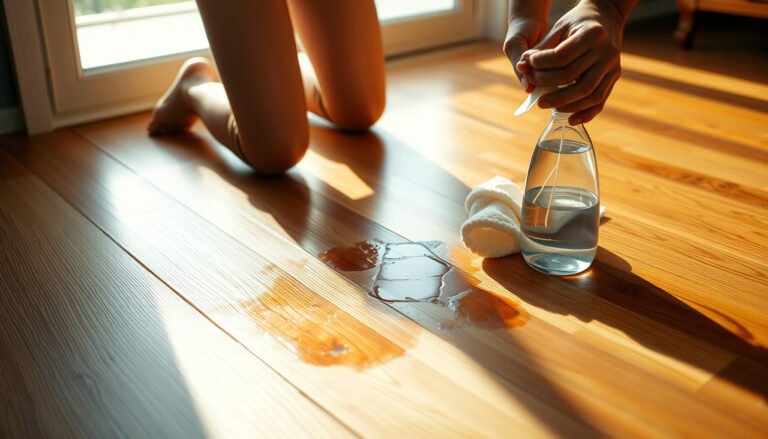
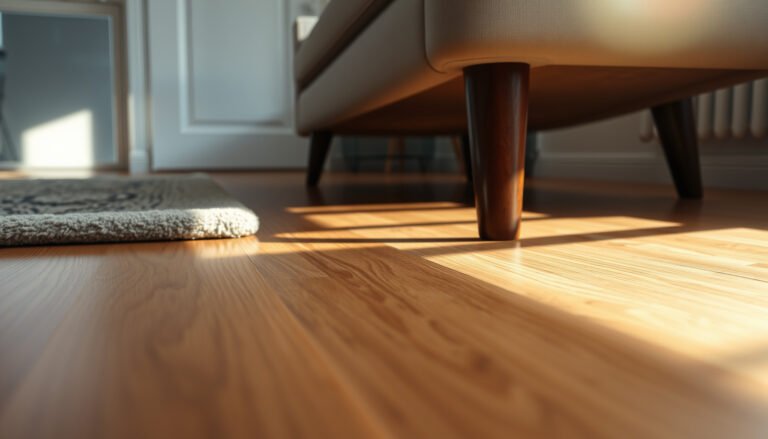
[…] the right approach uses gentle, step-by-step loosening so the tar comes up cleanly. You’ll need a plastic scraper, cotton cloths, and a carefully chosen cleaner, and you can usually resolve the problem in under an […]