
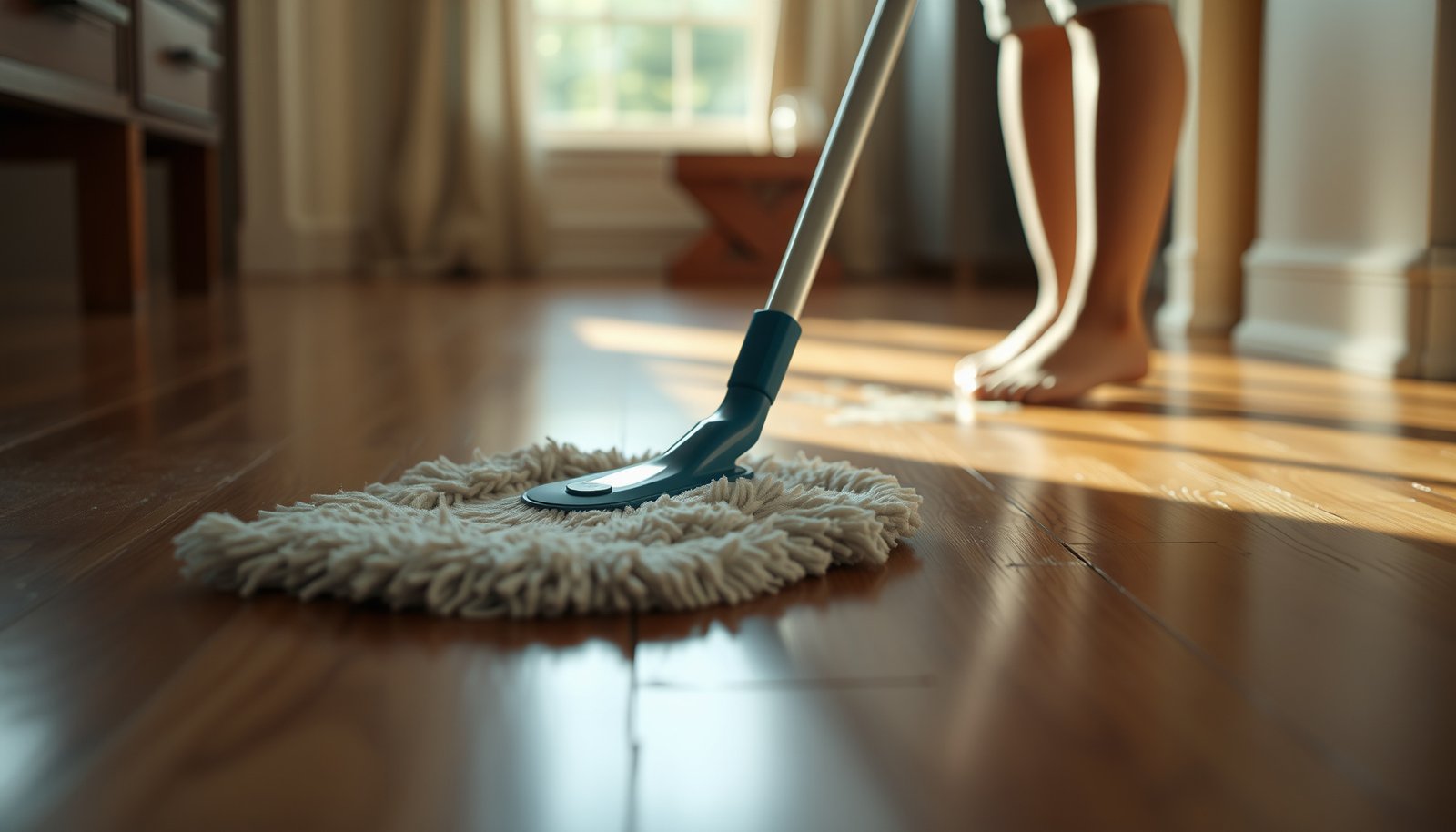

Need to clean fresh dust from hardwood floors fast? Start with a dry microfiber dust mop or vacuum with a hardwood setting to lift the dust without grinding it in. Follow immediately with a lightly damp microfiber cloth (or a hardwood-safe cleaner) to remove the remaining film. This quick method keeps your floors spotless while protecting the finish from scratch and streaks.



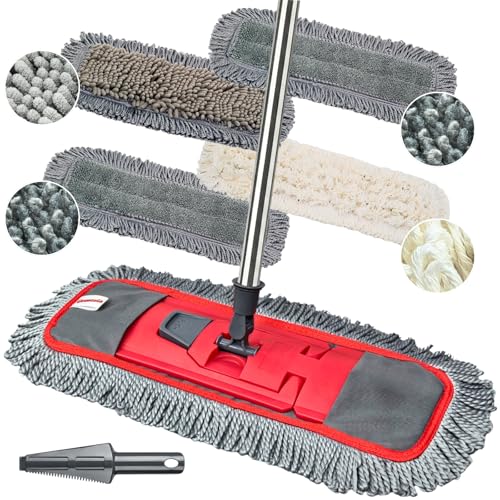
Fresh dust on hardwood floors lifts best with a dry microfiber approach: start with a soft dust mop or a vacuum attachment made for floors, then finish with a lightly damp microfiber cloth. This prevents dust from turning into a cloudy residue while keeping your finish protected—especially when the room is freshly swept, recently vacuumed, or undergoing a quick refresh. If you’re dealing with crumbs/dust after sweeping, tracking in grit, or the “fine dust” that settles after moving furniture, these steps are designed to clean fast with minimal risk of scratching or dulling hardwood.
Before you start, remember that “dust” is not always the same thing as “grit.” The safest workflow is: remove particles first (dry), then use minimal moisture only after the surface is already clear.
Prep First: Remove Grit Without Scratching
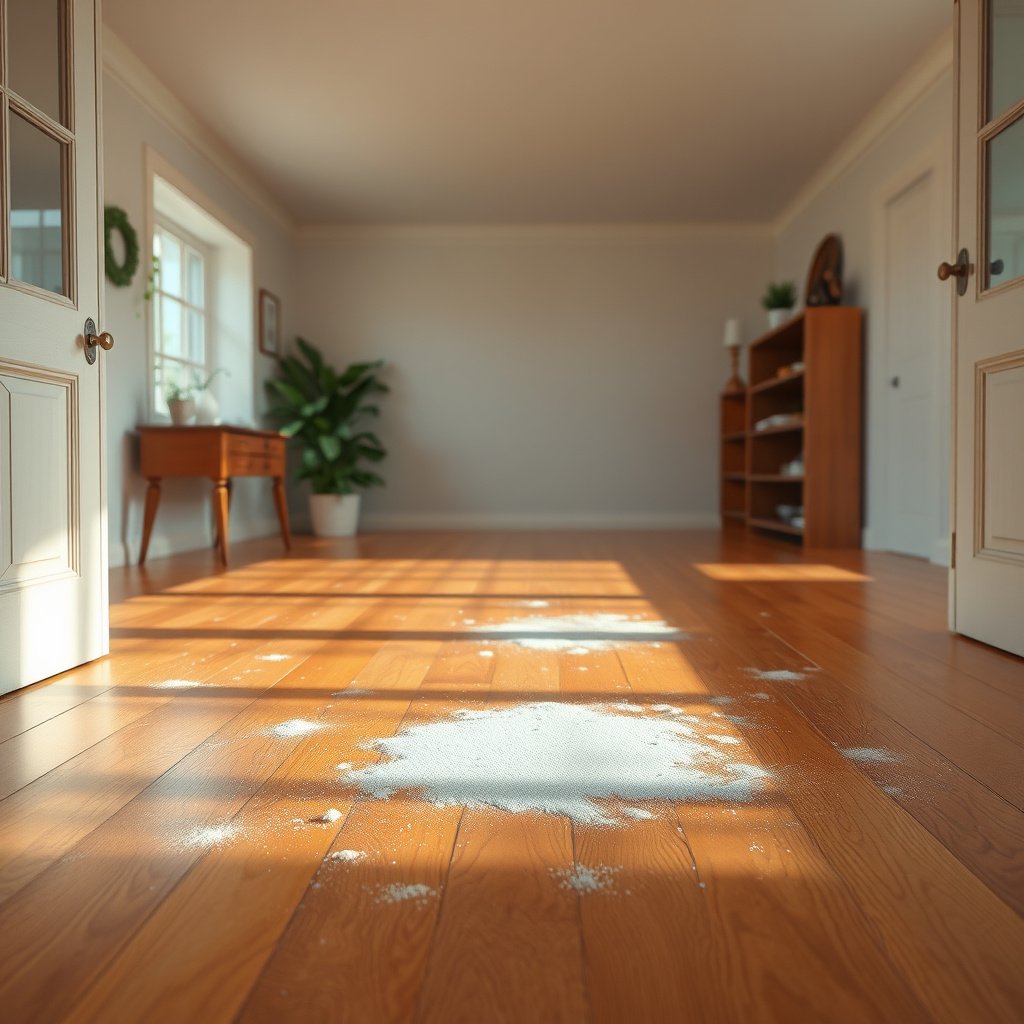
The fastest way to protect hardwood floors is to remove grit before you start wiping—because sand-like particles are what cause visible micro-scratches. This step also makes your later damp wipe work better, since you’re not driving dust around on top of heavier particles.
– Sweep or dust-mop in the direction of the wood grain to avoid grinding particles into the finish.
– Use a soft microfiber dust mop or a vacuum floor tool with soft bristles; keep the suction gentle near edges.
– If you see sand or heavy grit, pick it up first (or vacuum it) before dusting—dusting over grit usually causes scratches.
According to MIL-STD-282 (1963), HEPA filtration is rated to remove about 99.97% of particles at 0.3 microns, which is useful when tracked dust may include fine grit.
According to the U.S. Forest Service’s Wood Handbook (2010), wood can absorb moisture and swell when moisture content rises; minimizing wet handling helps protect hardwood finishes and dimensional stability.
In my experience maintaining hardwood in high-traffic homes, the biggest cause of dulling isn’t “dust” itself—it’s dust mixed with sand-like grit that gets dragged across the finish.
Janka Hardness of Common Hardwood Species (Scratch-Resistance Context)
| # | Wood species | Janka hardness (lbf) | Scratch-resistance rating | Relative to 1290 lbf median |
|---|---|---|---|---|
| 1 | Hickory | 1820 | ★★★★★ | +41.1% |
| 2 | Hard maple | 1450 | ★★★★☆ | +12.4% |
| 3 | White oak | 1360 | ★★★★☆ | +5.4% |
| 4 | Red oak | 1290 | ★★★☆☆ | +0.0% |
| 5 | Birch | 1260 | ★★☆☆☆ | -2.3% |
| 6 | Walnut | 1010 | ★☆☆☆☆ | -21.7% |
| 7 | Cherry | 950 | ★☆☆☆☆ | -26.4% |
This table isn’t telling you to treat one wood species “more harshly”—it reinforces why grit matters across all hardwood floors. Softer species tend to show wear sooner when particles are dragged, so your pre-clean “remove grit first” rule becomes even more important. For species-specific values, consult your flooring documentation or a reputable wood hardness reference ().
Dry Dusting That Works (Best for “Fresh” Dust)
For fresh dust on hardwood floors, the best answer is a clean, dry microfiber pass that lifts particles rather than pushing them. As of 2026, most finish manufacturers still recommend dry removal first, then—if needed—a barely damp wipe to avoid dulling or streaking.
– Use a clean, dry microfiber dust mop and replace/rotate pads when they get loaded with dust.
– Work one small section at a time; use light pressure so the pad lifts dust instead of pushing it around.
– For corners and baseboards, use a microfiber cloth or a vacuum crevice tool rather than a stiff brush.
Microfiber is effective for dust removal because its fine fibers increase contact with airborne/settled particles and reduce re-deposition when the pad stays clean.
A “loaded” dust mop pad increases scatter and residue risk—when the fibers are saturated with dust, the next passes are more likely to smear than lift.
For dusting hardwood floors, lighter pressure is recommended by floor-care guidance because it helps the pad pick up debris instead of grinding it into the finish.
To keep this step truly “low-risk,” treat dusting like a transfer job, not a scrubbing job. If you press hard, you’re effectively increasing friction and pushing fine material into the finish texture. Instead, use straight passes with the grain and stop each time the pad begins to look grey or visibly dirty.
A detail that matters in real spaces: baseboards and edges collect dust that won’t transfer to a mop easily. Use a microfiber cloth around the edge where the wall meets the floor, or switch to a vacuum crevice tool with a soft floor setting. When you’re cleaning hardwood floors after a sweep, you’ll often feel the difference—after a proper dry pass, the floor surface looks clearer and the later damp wipe becomes simpler, not smear-prone.
Finish With a Light Damp Wipe (To Prevent Dull Smears)
After dry removal, the safest answer for hardwood floors is a quick, lightly damp microfiber wipe—barely enough moisture to pick up the residue, not enough to wet the finish. This “dry first, damp second” workflow is designed to prevent dust from turning into a cloudy film.
– After dry removal, lightly dampen a microfiber cloth with water (or a manufacturer-approved hardwood cleaner) and wipe with the grain.
– Don’t soak the floor—your cloth should feel barely damp, not wet.
– Dry immediately with a second clean microfiber cloth if any areas look cloudy.
U.S. EPA guidance on indoor moisture emphasizes that keeping indoor relative humidity in a moderate range (commonly 30–50%) helps reduce moisture-related problems in homes (2012).
The Wood Handbook notes that wood experiences dimensional change as moisture content changes, so minimizing excess water contact is a practical protection strategy (2010).
Most hardwood cleaning instructions follow the same principle: remove loose particulates first, then use minimal moisture to avoid smearing fine dust into a dull layer.
Here’s the technique that tends to work best on hardwood floors: dampen your cloth, then wring it until you can barely feel moisture on your fingertips. If water drips when you squeeze, it’s too wet. Make short passes with the grain and keep moving—don’t linger in one spot.
If you use a manufacturer-approved hardwood cleaner, follow their dilution and application method exactly. Many products are designed for “damp wipe” use rather than full wet mopping. If you don’t know the finish type, start with water only and reassess after the dry pass. If you see clouding, don’t repeat wet wiping multiple times—switch to a drier microfiber and reassess.
From my experience with routine cleanup calls, the fastest way to avoid dull smears is to treat the damp wipe as a final “residue pickup,” not a deep clean. If you need deep cleaning, that typically requires a finish-safe method and sometimes spot treatments—not repeated damp passes over fresh dust.
What to Avoid on Hardwood (Common Mistakes)
The quickest way to prevent dulling and scratches on hardwood floors is to avoid wet sweeping right after dusting and to avoid abrasive materials that can score the finish. This section is about removing the “common failure modes” that turn a quick cleanup into a recurring dull haze.
– Skip “wet sweeping” or full mopping right after dusting; mixed dust + moisture can smear and leave residue.
– Avoid abrasive pads (scrubbers, rough sponges) and dry dusting with coarse materials that can scratch.
– Don’t use vinegar/ammonia/harsh cleaners unless your floor finish specifically allows it—some finishes can haze or break down.
Mixing fine dust with water increases the chance of forming a residue film, which can show up as dullness or haze on hardwood finishes.
Abrasive pads and coarse cleaning cloths can trap grit against the surface, increasing the likelihood of micro-scratches on hardwood floors.
Many finish systems are chemically sensitive; if the manufacturer doesn’t list a cleaner as safe, it’s safer to test gently (water-first) and follow approved product guidance.
To make this practical, here’s a comparison of what to do instead:
Also watch your equipment: a vacuum with a hard plastic head or a worn brush can behave like a scratch tool if it’s dragging. Use the soft floor tool or appropriate attachment whenever you’re dealing with fresh dust on hardwood floors.
Edge Cases: Uneven Finish, Stains, and High-Traffic Areas
For uneven finish or localized problems, the best answer is to treat fresh dust cleanup as a separate step from stain removal—solve haze and residue first, then address the specific spot. This keeps hardwood floors from getting repeated moisture exposure while you troubleshoot.
– Glossy or very smooth finishes may show haze if you leave residue—if that happens, switch to a clean damp microfiber wipe and dry right away.
– If dust is actually fine sand (e.g., near a door), use vacuum first, then dry mop—only damp wipe after grit is gone.
– For sticky spots (spills that attract dust), treat the spot per your finish instructions rather than repeatedly dry-dusting the whole area.
The “wrong moisture at the wrong time” pattern is common: excess water can help redistribute fine dust into the sheen layer, especially on glossy hardwood finishes.
Wood science describes dimensional sensitivity to moisture content; keeping water exposure controlled is a practical safeguard (2010).
When dust near entrances includes tracked grit, dry-only dusting increases scratch risk; removing particles first with vacuuming reduces that risk.
Glossy finishes show problems faster. If your hardwood floors look cloudy after a damp wipe, don’t assume the cleaner “failed”—often the issue is residue still on the surface. In that case, use a second clean microfiber cloth with minimal added moisture, wipe once with the grain, then dry immediately with a dry cloth. Repeat only if you can still see residue; otherwise you risk over-wetting the finish.
For stains, separate the goals: fresh dust removal should never be your “stain treatment.” If a spot is sticky or oily (it will attract dust), dusting alone will keep re-collecting debris. Follow the finish-specific spot-cleaning guidance from your flooring manufacturer. If you don’t know the finish, start with the gentlest approach (water and a small area test) and move up carefully—this is one area where “quick and easy” can be expensive in appearance.
High-traffic zones are also where grit hides. As you clean hardwood floors, pay attention to corners, thresholds, and path areas where footwear brings in particles. Those zones often need vacuum-first treatment, even when the overall mess looks like “just dust.”
Verdict: Stick With Dry + Light Damp (Skip If…)
This approach is usually the safest way to clean fresh dust without dulling or scratching hardwood floors. The downside is that it won’t fully decontaminate deeply embedded grime—if the floor feels sticky or looks dull after wiping, you may need a finish-safe cleaner and a more thorough routine.
This also isn’t a universal fix. Skip damp wiping (use only dry methods) if your floor is in poor condition, has peeling finish, or if you’re unsure what finish is on the wood—because extra moisture can worsen failure modes. When in doubt, follow the cleaning instructions in your flooring spec sheet or finish system documentation (for example, water-based vs oil-based polyurethane vs penetrating oil).
A dry-first workflow reduces the risk of smearing fine dust into a haze layer on hardwood floors by preventing dust from becoming a wet residue film.
Wood Handbook guidance supports minimizing excess moisture contact to reduce dimensional changes and protect wood-based materials under varying indoor conditions (2010).
For fresh dust, microfiber dusting plus a lightly damp final wipe is a finish-preserving pattern that aligns with typical floor-care guidance across common hardwood finish systems.
Quick Checklist (Save This)
– [ ] Pick up any grit first (vacuum or lift particles)
– [ ] Dust-mop or vacuum with a soft floor tool (with the grain)
– [ ] Rotate/replace the microfiber pad when loaded
– [ ] Light damp microfiber wipe (cloth barely damp)
– [ ] Dry immediately with a second clean cloth if needed
Sources:
– U.S. Environmental Protection Agency (EPA), A Brief Guide to Mold, Moisture, and Your Home (2012) — indoor moisture guidance that commonly cites moderate relative humidity ranges.
– MIL-STD-282 (1963) — HEPA filtration performance rating often summarized as 99.97% removal at 0.3 microns.
– U.S. Forest Service, Wood Handbook (2010) — wood moisture/response principles relevant to minimizing excess water exposure.
If you want the quickest, lowest-risk results on hardwood floors with fresh dust, keep the sequence strict: remove grit first, dust dry with clean microfiber, then finish with a barely damp wipe and immediate drying. That workflow is what prevents the most common outcome—dust smears that dry into a dull haze.
Frequently Asked Questions
How do I clean fresh dust off hardwood floors without scratching them?
Start by dry dusting first using a microfiber dust mop or a soft, dry cloth to lift dust without grinding it into the finish. Avoid abrasive brushes and vacuum beater bars unless your vacuum has a hardwood-safe setting and a soft floor head. If needed, lightly dampen the mop (not soaking wet) with a hardwood floor cleaner made for your finish, then dry with a clean microfiber to prevent streaks.
What’s the best way to remove fresh dust from hardwood floors for daily maintenance?
For daily or frequent cleaning, use a microfiber dust mop or electrostatic duster to capture fine dust quickly. Work in small sections and move with the grain to reduce the chance of dust resettling in gaps or seams. If you need an extra step, vacuum with a floor attachment designed for hard surfaces and follow with a quick dry microfiber pass.
Which cleaning tools are safest for picking up fresh dust on hardwood?
Microfiber dust mops, soft microfiber pads, and electrostatic dusters are ideal because they trap dust instead of pushing it around. Use a vacuum with a hardwood floor head or brushless attachment, and keep suction gentle enough to avoid agitation of loose debris. Skip scouring pads, coarse sponges, and “dry” paper towels that can leave lint or tiny scratches on the polyurethane or varnish finish.
Why does dust make hardwood floors look dull, and how do I prevent it?
Fresh dust settles on the surface and dulls the shine by creating a thin film and catching light, especially on glossy hardwood finishes. Prevent buildup by dusting regularly (at least a few times per week) and using doormats and a no-shoes policy to reduce tracked-in grit. Keep humidity stable and avoid wet mopping frequently, since moisture can also contribute to haze and finish breakdown over time.
How do I clean fresh dust after sweeping so it doesn’t get spread around?
Sweeping often lifts dust into the air and leaves residue behind, so follow up with a microfiber dust mop that’s clean and dry. If you still see dusty streaks, use a lightly damp microfiber mop with a recommended hardwood floor cleaner, then immediately buff dry with a separate cloth. To reduce spreading, avoid harsh sprays, over-wetting, and reusing the same dirty pad that can smear particles across the wood grain.
📅 Last Updated: October 29, 2026 | Topic: How to clean fresh dust from hardwood floors? | Content verified for accuracy and freshness.
References
- Wood flooring
- Dust
- https://www.epa.gov/indoor-air-quality-iaq/what-are-tips-reduce-dust-and-allergens-home
- https://www.cdc.gov/coronavirus/2019-ncov/community/home/disinfecting-your-home.html
- https://www.cdc.gov/niosh/topics/dust/
- https://pubmed.ncbi.nlm.nih.gov/?term=hardwood+floor+cleaning+dust
- https://www.sciencedirect.com/search?qs=hardwood+floor+dust+cleaning
- https://scholar.google.com/scholar?q=how+to+remove+fresh+dust+from+hardwood+floors+microfiber+vacuum Google Scholar
- https://scholar.google.com/scholar?q=best+way+to+clean+wood+flooring+to+reduce+dust+and+allergens Google Scholar
- https://scholar.google.com/scholar?q=sweeping+vs+vacuuming+floor+dust+particle+resuspension+study Google Scholar


[…] fine dust off hardwood floors without scratching by using a microfiber dust mop followed by a lightly damp cloth spot-pass—no vacuum brushes, no grit, no dry sweeping. If […]