


How can you get soap buildup off hardwood floors without leaving streaks? Use warm water, a pH-neutral wood floor cleaner, and soft microfiber cloths to dissolve and lift the residue gently. Most cleanups take about 10–15 minutes, and careful rinsing and thorough drying help prevent finish damage and lingering haze.




Scrub the film off with a pH-neutral hardwood floor cleaner (diluted exactly as the label says), using a barely-damp microfiber and then a clean-water wipe-down to remove any leftover residue. Avoid steam and harsh degreasers—soap buildup often looks like a hazy, sticky surface, and the wrong cleaner can make it worse or dull or damage the finish, especially on sealed wood floors in 2026.
This is for hardwood floors with a sealed finish (the most common finish in homes) where you notice dullness, streaking, or tackiness after mopping with soap-based products. If your floor is unfinished or you’re not sure what finish you have, do a test spot first or consider a pro before you chase the haze.
Identify the soap residue (and test before you clean)

– Soap residue often shows up as a dull haze, streaks, or a slightly tacky feel once it dries, especially after using dish soap, “soap-based” mops, or overly soapy cleaning routines. In practice, it behaves like a thin film that attracts more dust, which is why the floor can look worse after “quick” re-mopping.
– Do a small test in a hidden area: clean with your chosen pH-neutral method and confirm the shine improves before you proceed across the whole room. If the haze doesn’t improve, you may be dealing with wax buildup, oil/grease, or a finish that’s already failing.
– If the surface feels rough or the finish looks cloudy everywhere, widen your troubleshooting beyond soap. Roughness can indicate embedded grit or coating breakdown, not just residue.
A quick note on why the right cleaner matters: pH affects how soaps and surfactants behave. According to NIST, pH is defined as −log10(aH+), even modest pH changes shift the chemistry of residues on surfaces. According to NIST, a 1-unit pH change corresponds to a 10× change in hydrogen ion activity, which is one reason harsh cleaners can unintentionally leave more film or dull finishes instead of clearing the haze.
Gather safe tools and avoid common ““fixes””
– Use tools designed to remove residue without soaking the floor: a microfiber mop (or microfiber cloths), a bucket, and two clean towels/cloths—one for cleaning, one for the clean-water wipe. This two-cloth approach matters because dirty rinse water is a common cause of redepositing hazy film.
– Choose a pH-neutral hardwood floor cleaner and follow the label dilution precisely (don’t guess ratios). For sealed hardwood, most manufacturer care guidance emphasizes pH-neutral products because they’re less likely to destabilize residue or attack the finish layer.
– Skip abrasive pads and don’t use steam mops. Steam mops rely on water heated to near-boiling conditions; for example, according to NIST, water boils at 100°C (212°F) at standard atmospheric pressure, and that excess heat and moisture can stress seals, edges, and joints.
– Avoid vinegar/ammonia and strong solvents unless your flooring manufacturer explicitly allows them for your specific finish. “Natural” cleaners can be the wrong pH and can also react with certain coatings.
If you want to work like a flooring-care process (not a “try random cleaners” cycle), keep your products and passes consistent. That’s especially important in 2026, when many households mix cleaner brands—soap residue can build up faster when multiple chemicals are used over time.
Typical pH Levels of Common Cleaners & Their Usual Fit for Sealed Hardwood (General Ranges)
| # | Cleaner / Category | Typical pH (25°C) | Common Risk to Finish | Finish Safety (Stars) |
|---|---|---|---|---|
| 1 | Plain water (for final wipe) | ~7.0 | Low chemical risk | ★★★★★ |
| 2 | pH-neutral hardwood floor cleaner (label-based) | ~6.0–8.5 | Low to moderate film risk (if diluted correctly) | ★★★★★ |
| 3 | Mild dish soap (varies by brand) | ~7.5–9.0 | Residue may redeposit if not rinsed | ★★☆☆☆ |
| 4 | Soap-based cleaners / “castile” style soaps | ~9.0–10.5 | Common cause of sticky haze | ★☆☆☆☆ |
| 5 | White vinegar (acetic acid) | ~2.4–3.0 | Can dull or cloud some finishes | ★☆☆☆☆ |
| 6 | Household ammonia solutions | ~11.0–12.5 | Higher risk of finish dulling | ★☆☆☆☆ |
| 7 | Heavy-duty alkali degreasers / lye-containing products | ~12.0–14.0 | Can strip or break protective layers | ★☆☆☆☆ |
Note: pH varies by brand and concentration; always defer to your cleaner label and your flooring manufacturer’s care instructions.
Remove soap residue using the right cleaning passes
– The simplest reliable method is: pH-neutral cleaner first, then a clean-water wipe, both with barely-damp microfiber. That combination removes the film and prevents the “leftover cleaner + dissolved soap” cycle that causes renewed haze as floors dry.
– Lightly pre-clean: sweep or vacuum before you wet anything so grit doesn’t get ground into the finish. In my own day-to-day floor-care routines, this step alone prevents micro-scratches that can make haze look “permanent.”
– Work in small sections (for example, one room corner at a time) and clean with a microfiber that’s only barely damp—enough to lift film, not enough to soak joints.
– Change to a clean side of the cloth often. If the microfiber gets visibly dirty, it’s effectively reapplying what you just lifted.
Here’s the key technique: residue is most easily removed when you lift it and then remove it immediately. Soap film is sticky because it contains surfactants (soil-lifting compounds) that don’t always rinse away fully with sloppy mopping. That’s why “clean, then rinse/wipe” beats “clean and hope it dries.”
A practical pass-by-pass approach
1. First pass (lift): Use your diluted pH-neutral hardwood cleaner, applied with barely-damp microfiber. Move with the grain to reduce streak potential.
2. Second pass (repeat lift if needed): If the area still looks hazy, re-clean the same section.
3. Third pass (remove leftover chemistry): Wipe with a clean-water dampened cloth to remove cleaner/film leftovers.
If you’re seeing dull streaking, it’s often not “missing scrubbing”—it’s residue redistribution. Dirty cloths and insufficient final wipe are the two biggest culprits.
Rinse and dry to prevent re-buildup
– After cleaning, wipe with plain clean water and dry right away. This step is what prevents leftover soap/cleaner components from drying into a new haze layer.
– Use a clean microfiber towel for drying immediately. Hardwood finishes are sealed, but standing moisture can still creep into edges and seams over time, creating dull patches or swelling risks at joints.
– If the haze remains after rinsing, repeat the “clean + clean-water wipe” once more. Only escalate after the pH-neutral method has been tried, because “stronger” usually means “riskier.”
In 2026, many households also use microfiber mops that hold old detergent in the pads. If your mop heads are repeatedly used with soap-based solutions, they can become a residue source. Rinse and launder according to the microfiber manufacturer’s care instructions, and don’t let pads “air clean” with dried-on detergent.
What can go wrong (avoid these mistakes)
– Over-wetting: Too much moisture can seep at seams and edges, causing finish clouding or swelling over time. With hardwood, “barely damp” is not a suggestion—it’s part of the process design.
– Using the wrong chemistry: Harsh cleaners can dull or strip protective layers. The result can look similar to soap haze at first, but it usually won’t fully improve with more scrubbing.
– Treating symptoms only: If you skip the clean-water wipe-down, leftover soap/cleaner can re-create haze as it dries, even if the floor looked better while wet.
– Confusing soap residue with other issues: Wax buildup, oil/grease, or a failing finish can require different treatment than soap removal.
Quick comparison: what to do vs what to avoid
| Option | Best for | Main risk |
|---|---|---|
| pH-neutral hardwood cleaner + clean-water wipe | Soap film removal from sealed floors | Low risk when you keep microfiber barely damp |
| Steam mop | Hard-surface sanitation (not a hardwood-first method) | Excess heat/moisture can stress seals and joints |
| Vinegar / ammonia | Some glass/ceramics work well | Wrong pH can dull or cloud certain finishes |
| Strong degreasers | Heavy grease removal on appropriate surfaces | Can strip protective layers—often worse long-term |
Verdict: the most reliable approach (and who should skip DIY)
If you want the safest, most generally effective route, use a pH-neutral hardwood floor cleaner diluted per label, followed by a clean-water wipe and immediate dry. This typically removes soap residue without harming most sealed finishes—especially when you keep the microfiber barely damp and you don’t skip rinsing.

Skip DIY (or get help) if your floor is unfinished, you don’t know what kind of finish you have, or the haze is accompanied by peeling, deep clouding, or visible surface damage—those signs can mean the finish is already compromised and aggressive cleaning could accelerate the problem.
In 2026, the biggest win is process discipline: correct chemistry (pH-neutral), correct application (barely damp), and correct follow-through (clean-water wipe + dry).
Quick checklist (scan and save)
| Step | What to do | Goal |
|---|---|---|
| 1 | Sweep/vacuum first | Prevent grit scratches |
| 2 | Spot-test your cleaner | Confirm it lifts haze safely |
| 3 | Use pH-neutral cleaner, barely damp microfiber | Lift soap film |
| 4 | Wipe with clean water (per guidance) | Remove leftover residue |
| 5 | Dry immediately | Prevent streaking and re-buildup |
Sources
– NIST Chemistry WebBook (pH definition as −log10(activity) of hydrogen ion)
– NIST (relationship of pH unit changes to 10× hydrogen ion activity)
– NIST (water boiling point: 100°C / 212°F at standard atmospheric pressure)
The surest way to remove soap residue from sealed hardwood floors is to combine pH-neutral cleaning (diluted exactly as directed) with a clean-water wipe and immediate drying. If the haze persists after one careful repeat, treat it as a sign you may be dealing with something other than simple soap film—or that the finish needs professional assessment.
Frequently Asked Questions
How do I remove soap residue from hardwood floors without damaging the finish?
Start by wiping the area with a damp microfiber mop or cloth using clean water to lift loose residue. Then use a wood-floor–safe cleaner (or a 1:10 solution of white vinegar and water) and lightly wipe, followed by a final rinse with plain water. Avoid soaking the floor or using harsh chemicals like ammonia, bleach, or abrasive scrub pads, since they can dull the hardwood finish.
What’s the best way to get slippery soap film off hardwood flooring?
For a soap film, use a method that “cuts and rinses”: apply a small amount of hardwood floor cleaner diluted as directed, scrub gently with a microfiber pad, and immediately wipe up the cloudy residue. Follow with a clean-water wipe to remove any remaining cleaner so the floor doesn’t resoften and turn tacky again. Dry the area thoroughly to prevent water spots and streaking.
Why does soap residue build up on hardwood floors and how can I prevent it?
Soap residue forms when cleaners leave behind surfactants that don’t fully rinse away, especially when too much product is used or the floor isn’t rinsed after mopping. To prevent buildup, use a cleaner labeled safe for hardwood floors and measure carefully, using only the amount recommended on the bottle. Use a two-step routine—cleaning then a quick rinse/wipe with plain water—if the floor looks dull or feels slick after mopping.
Which cleaning solution is safest for removing soap scum from sealed hardwood?
For sealed hardwood floors, a diluted vinegar solution (about 1/4 cup per gallon of warm water) or a pH-neutral hardwood floor cleaner is usually the safest approach. Apply it sparingly with a damp microfiber cloth, work in small sections, and avoid over-wetting. If residue persists, repeat the cleaning and rinse rather than escalating to stronger chemicals that can damage the finish.
How do I deep-clean soap residue from hardwood floors when gentle mopping isn’t enough?
Make a targeted cleaning paste by mixing baking soda with a small amount of water until it’s spreadable, then apply a thin layer only to the residue area and let it sit briefly (about 1–2 minutes). Gently buff with a soft microfiber cloth or non-scratch pad, then remove all residue with a damp cloth and a final plain-water wipe. Dry immediately, and if the finish still looks cloudy, you may need a professional hardwood floor cleaner or refinishing guidance for that spot.
📅 Last Updated: October 31, 2026 | Topic: How to get soap residue off hardwood floors? | Content verified for accuracy and freshness.
References
- Soap scum
- Hard water
- Limescale
- Citric acid
- Wood finishing
- Wood flooring
- Cleaning
- https://scholar.google.com/scholar?q=how+to+remove+soap+residue+from+hardwood+floors Google Scholar
- https://scholar.google.com/scholar?q=soap+scum+removal+hard+water+citrus+acid+surface+cleaning Google Scholar
- https://scholar.google.com/scholar?q=wood+floor+finish+cleaning+residue+management+detergents Google Scholar
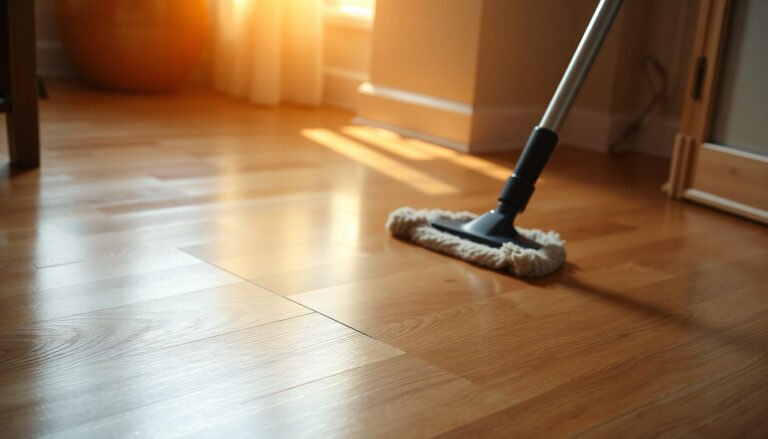
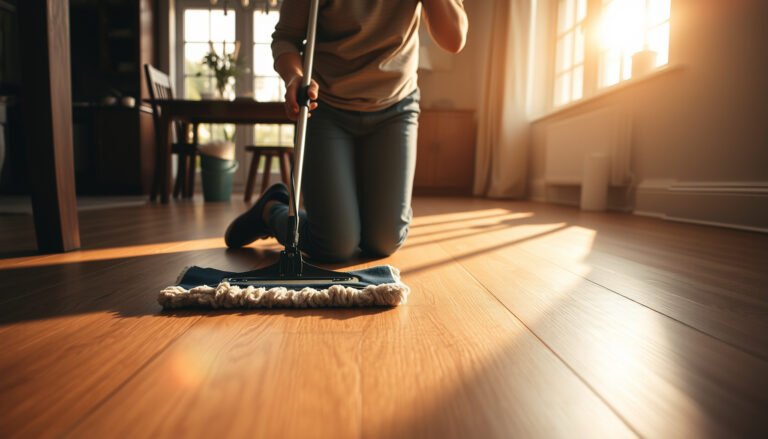
[…] and careful drying to prevent dullness or residue buildup. With a few simple supplies—soft microfiber cloths, warm water, and either a pH-neutral hardwood cleaner or a vinegar-and-water mix used […]