


You notice a faint brown tea ring on your engineered wood floor and the spot has already dried. With the right supplies—soft microfiber cloths, cool water, and a pH-neutral wood-floor cleaner—you can lift the stain without soaking the planks, usually in about 20 minutes. Work calmly from the edges inward, and you’ll restore a clean look while protecting the finish.



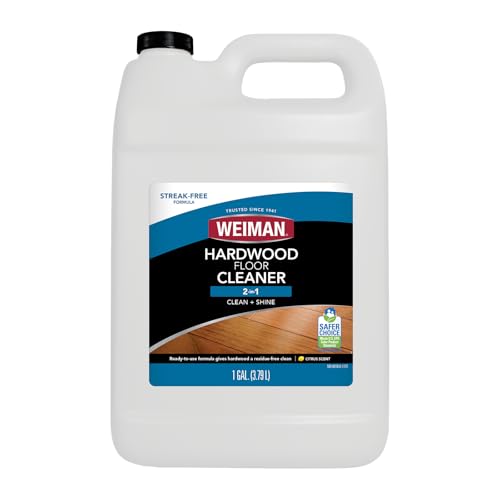
Tea stains on engineered wood are easiest to remove when you act fast: blot the spill, gently clean with a wood-safe solution, then dry thoroughly to prevent water marks. If the color won’t lift after the first cleaning, you may need a finish-safe stain approach—but avoid harsh chemicals, abrasives, or steam, which can worsen the discoloration.
This applies when tea (black tea, herbal tea, iced tea, etc.) has left visible brown/gray marks on the surface of engineered wood. Because engineered floors vary by finish (polyurethane, lacquer, oil, etc.), the safest method is to follow your floor manufacturer’s cleaning guidance—and patch-test any stain remover in an inconspicuous spot.
Equilibrium Moisture Content (EMC) vs. Indoor Humidity (70°F)
| # | Indoor RH | EMC of Wood | Why It Matters for Tea Spills | Stability Score |
|---|---|---|---|---|
| 1 | 30% RH | ~6.5% | Lower moisture uptake | ★★★★★ |
| 2 | 35% RH | ~7.5% | Moderate moisture swing | ★★★★☆ |
| 3 | 40% RH | ~8.5% | Tea moisture dissipates slower | ★★★★☆ |
| 4 | 50% RH | ~10.7% | Higher risk of a visible haze | ★★★☆☆ |
| 5 | 60% RH | ~13.0% | More swelling potential | ★★☆☆☆ |
| 6 | 70% RH | ~15.7% | Moisture lingers longer | ★☆☆☆☆ |
| 7 | 80% RH | ~18.9% | Greater dimensional risk | ☆☆☆☆☆ |
Act fast: blot, don’t scrub

The fastest way to prevent tea stains from becoming permanent is to stop the liquid from spreading and give the surface a chance to dry before the finish has time to haze. In other words: blot first, then clean lightly, then dry completely—engineered wood doesn’t forgive standing moisture.
– Use a clean, dry cloth or paper towels to blot up as much tea as possible (scrubbing spreads the stain).
– If the tea was still wet, you can follow with a quick wipe using a lightly damp cloth—never soak the plank seams.
– After blotting, dry the area immediately with a dry towel so moisture doesn’t creep deeper.
A “tea stain” on engineered wood typically comes from two things happening at once: the tannins and pigments in tea discolor the finish, and the water component temporarily changes how light reflects off the topcoat. Even if the color looks light at first, moisture trapped along the plank edges can deepen the mark later.
From a practical standpoint, engineered wood floors are built with a real wood layer beneath a protective finish. That’s why moisture management matters: according to USDA Forest Products Laboratory, Wood Handbook, wood’s fiber saturation point is commonly around 28–30% moisture content (2010). You don’t need to reach that level for a visible problem—small moisture increases can be enough to create a halo in the finish, especially if you miss drying.
Also, tea is often slightly acidic. According to U.S. Geological Survey (USGS) Water Science School, pH is logarithmic, meaning a 1-point change corresponds to a 10× change in acidity (2024). That acidity can interact with some finishes over time, which is one reason immediate blotting reduces the odds of stubborn brown/gray discoloration.
Gentle cleaning for engineered wood (surface stain removal)
For most fresh tea marks, the safest “first real attempt” is a mild pH-neutral wash with minimal water, followed by a plain-water wipe and thorough drying. This approach targets surface residue and tannin pigments without attacking the engineered wood finish.
– Mix cool water with a small amount of pH-neutral dish soap (just a few drops in a bowl of water). Dampen a microfiber cloth—wring it out well.
– Wipe with the grain using light pressure, then immediately wipe again with a clean cloth dampened with plain water to remove any soap residue.
– Dry completely with a dry microfiber towel; then let the area air-dry with good ventilation.
Here’s why this works well on engineered wood floors: surface-staining pigments often sit in or near the finish layer, while soap plus mechanical wiping helps lift loose residue. Microfiber matters because it physically captures dirt rather than grinding it into a coating.
Two process details make a big difference:
1) Use cool water. Hot water increases evaporation speed unevenly and can contribute to a more noticeable sheen mismatch on engineered wood.
2) Keep moisture off seams. Engineered wood seams (even when tightly installed) can wick liquids into the joint. Never pour or “flood” the area.
If you’ve used soap before on engineered wood, you’ve probably seen this failure mode: the stain may fade, but a cloudy patch appears because residue attracts dirt. That’s why the “plain water” wipe is not optional after using dish soap.
Quick reminder on product safety: engineered wood finishes include polyurethane, lacquer, aluminum-oxide, and oil/wax systems. A pH-neutral approach is generally the least risky, but you still should patch-test in a hidden spot first, because even “safe” cleaners can dull certain sheens (especially on lacquer).
If the stain lingers: use a finish-safe approach
If the tea color still won’t lift after gentle cleaning, the right move is to switch to a finish-safe stain-removal method that matches your specific engineered wood topcoat. Trying random chemistry is where many people accidentally turn a tea spot into a permanent dull area.
– Start by figuring out the finish type (check the product label/manual, if you still have it). Water-based methods are usually safer than chemical removers, but they still need careful testing.
– Patch-test any stain-lifting method in a hidden area first, then reassess after it dries. Look for two things: color lift and finish dulling.
– If your flooring brand recommends a specific “spot remover” or cleaner, use that exact product over DIY chemistry. If you don’t have guidance, choose the mildest option first and stop if the finish starts to look cloudy.
Different finishes behave differently when you contact them with moisture or solvents. For example, polyurethane and many lacquer systems typically resist water longer than penetrating oil finishes—but when they do get affected, sheen and haze can become the bigger visual problem. Oil/wax finishes can sometimes accept gentle spot treatment differently, but they can also darken if the top layer swells unevenly.
Patch-testing is essential because engineered wood can vary by manufacturer, sheen (matte vs. satin), and wear layer. As of 2026, many engineered wood product lines also come with updated care instructions—so it’s worth checking the manufacturer’s current guidance rather than relying on “universal” cleaning rules.
DIY vs. pro: what’s the smarter next step?
When you’re deciding whether to keep DIY-ing engineered wood or stop and call a flooring pro, focus on likelihood of deeper penetration and finish haze. The comparison below helps you make that call without guessing.
| Option | Pros for engineered wood tea stains | Cons / limitations |
|---|---|---|
| DIY finish-safe spot cleaning | Best for recent, mostly surface-level tea marks; you can stop early if sheen dulls; low cost and quick turnaround. | May fail if tea has penetrated beyond the topcoat; risk of creating a larger haze patch if you over-wet or over-clean. |
| Professional refinishing / spot repair | Most reliable when discoloration has migrated into the finish or the affected area is large; can restore uniform sheen. | Higher cost; timeline depends on the scope; may require sanding/buffing that you can’t safely do yourself. |
What can go wrong (and how to avoid it)
Most tea-stain “mysteries” happen because moisture or aggressive chemicals change how engineered wood reflects light. If you want the best chance of a true removal (not just a partial fade), avoid these common failure triggers.
– Too much water: Engineered wood has real wood layers, and tea liquids can leave a mark as moisture travels. Avoid wet mopping and don’t let liquid sit.
– Abrasive pads or harsh brushes: Scrubbing can scratch the finish, making the stain look worse even if the tea color is partially removed.
– Bleach, ammonia, or strong acids: These can discolor wood, damage coatings, and create a “halo” around the stain. Don’t use them unless your manufacturer explicitly says it’s safe.
– Steam cleaners: Heat and moisture together can lift edges, weaken adhesives, or alter the sheen.
– Leaving soap behind: If you use dish soap, rinse/wipe with plain water and dry—residue can attract dirt and make the area stand out.
– Stain that has penetrated deeper than the finish: If the mark has darkened and won’t respond to gentle cleaning, DIY attempts may either fail or dull the finish. At that point, a pro refinishing approach may be the only reliable fix.
One subtle issue is “ringing.” Rings happen when moisture affects the finish unevenly—often where the tea spread outward or pooled along a seam. Even if the visible pigment reduces, the ring can remain because the finish’s reflective properties changed locally. That’s why you should treat engineered wood like a precision surface, not like a countertop.
If you’re working on engineered wood in a humid environment, the problem can worsen over time. Higher indoor humidity increases wood’s equilibrium moisture content, so spills take longer to dissipate and can produce a more noticeable sheen contrast. That’s also why drying promptly is so important—especially in the first 10–60 minutes after a spill.
Verdict / tip: when DIY is enough vs. when to stop
DIY cleaning is worth it when the tea stain is recent, mostly surface-level, and your finish is still in good shape. The downside is that engineered floors can be more sensitive to finish damage than people expect—one wrong cleaner or too much moisture can leave a permanent dull spot even after the color lifts.
Skip the DIY “chemistry experiments” and consider a flooring pro if:
– the tea spill happened days ago or more, and the stain is getting darker,
– the affected area is large or near seams where liquid could have seeped,
– your floor finish is already wearing thin in that spot,
– you can’t identify the finish type and don’t have manufacturer guidance.
Here’s a realistic decision rule for engineered wood: if gentle pH-neutral cleaning + thorough drying doesn’t improve the color within one carefully done attempt, it’s better to pause and identify the finish before you escalate. As of 2026, more brands are specifying exact spot-treatment products for their coatings—following that guidance typically prevents “fixes” that create bigger aesthetic damage.
Quick scan checklist (save this)
| Step | Do | Avoid |
|---|---|---|
| 1. First minutes | Blot with dry cloth | Scrubbing or rubbing |
| 2. Surface clean | Microfiber cloth slightly damp + pH-neutral soap | Soaking, wet mopping |
| 3. Rinse | Wipe with lightly damp plain-water cloth | Leaving soap residue |
| 4. Dry | Dry microfiber towel + air-dry | Letting moisture sit |
| 5. If still stained | Patch-test mild, finish-safe method | Bleach/ammonia/steam/abrasives |
Frequently Asked Questions
What’s the safest way to clean an engineered wood floor after a tea stain gets on it?
Start by blotting the tea immediately with a clean, dry microfiber cloth—don’t wipe, since that can spread the stain. Lightly dampen a cloth with clean water and gently wipe the area, then dry thoroughly. For lingering discoloration, use a manufacturer-recommended wood floor cleaner or a pH-neutral cleaner designed for engineered wood, applied sparingly to avoid excess moisture.
How do I remove a tea stain from engineered wood without damaging the finish?
First, clean the surface with a damp microfiber cloth and dry it completely. If the tea mark remains, try a small amount of pH-neutral cleaner on a soft cloth, working with the grain and rinsing with a lightly damp cloth afterward. Avoid harsh chemicals, steam mops, and abrasive pads, because engineered wood’s top layer and finish can be sensitive to strong cleaners and abrasion.
Why does tea discolor engineered wood, and how can I prevent the stain from spreading?
Tea contains tannins that can penetrate and tint the finish or surface fibers, especially if liquid sits long enough. To prevent spreading, blot quickly, keep the affected area dry, and avoid rubbing in circles. After cleaning, use fans or allow natural airflow to ensure the area dries fast, reducing the chance of moisture-related spotting.
Which cleaning solution works best for tea stains on engineered wood floors?
The best option is typically a pH-neutral wood floor cleaner that’s safe for the finish on your specific engineered wood. If you don’t have one, use plain water for the initial clean and only add cleaning solution if the stain persists. Always test any product in a hidden spot first, then apply with a microfiber cloth—not by pouring directly onto the floor.
How can I treat dried tea stains on engineered wood floors effectively?
Rehydrate gently: place a slightly damp microfiber cloth over the dried spot for a few seconds, then blot and remove moisture. Follow with a pH-neutral cleaner on a cloth, working slowly and keeping the area lightly damp rather than wet. Dry immediately afterward, and if the stain is still visible, repeat once or twice rather than intensifying with stronger chemicals that could damage the finish.
📅 Last Updated: November 14, 2026 | Topic: How to clean engineered wood floors after tea stains gets on it? | Content verified for accuracy and freshness.
References
- Wood flooring
- Wood stain
- Home | National Wood Flooring Association | NWFA
- Armstrong Flooring®
- Hardwood Flooring – America is Built on Bruce Floors
- Home – Tarkett Commercial
- https://scholar.google.com/scholar?q=how+to+remove+tea+stains+from+engineered+wood+floor Google Scholar
- https://scholar.google.com/scholar?q=engineered+wood+floor+cleaning+water+stains+tannins Google Scholar
- https://scholar.google.com/scholar?q=wood+floor+care+mild+detergent+avoid+excess+water Google Scholar
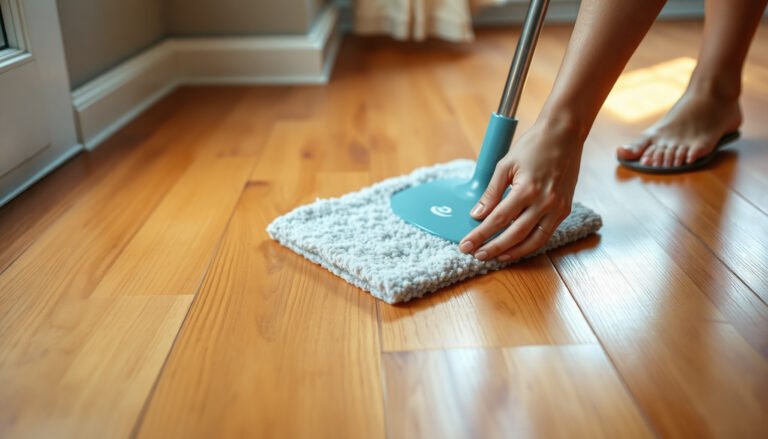
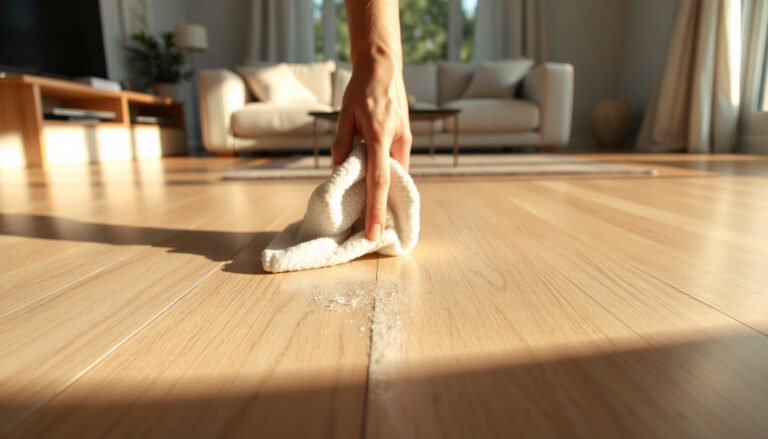
[…] – 128 Ounce Refill – Finished Engineered Hardwood Floors In Stock View on Amazon › Tea stains on engineered wood are usually removable safely by blotting first, then cleaning with a pH-neutral solution applied to […]
[…] tea stains on engineered wood floors often turn darker because people wipe them too hard or use harsh cleaners that seep into the […]
[…] tea stains on engineered wood floors can be stubborn because the tannins seep into the finish and leave a dull discoloration. […]
[…] tea stains on engineered wood floors can be removed by blotting right away, then gently wiping with a damp microfiber cloth using […]
[…] wipe up a spilled juice glass, but a light ring still shows in the finish of your engineered wood floor. You can lift that discoloration quickly—usually within 15–30 minutes—with a soft microfiber […]