
Prevent water damage to laminate floors in a playroom with the right setup: fast leak response, smart moisture barriers, and spill-proof habits that keep water from seeping into seams. If you want fewer bubbles, swelling, and lifting boards, focus on controlling moisture at the source—underlayment choice, door and window management, and immediate cleanup routines. This guide shows the fastest, most reliable steps to protect laminate from everyday kids-and-water hazards.


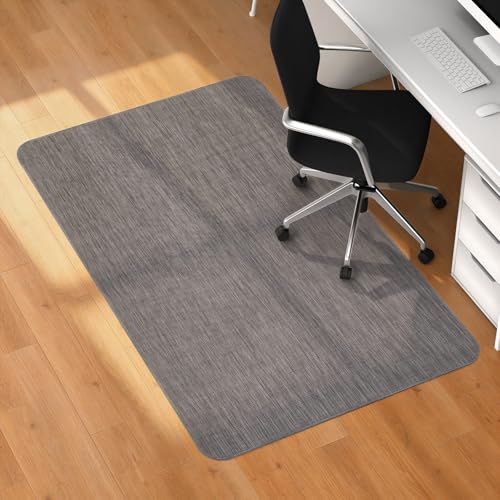

Water damage to laminate floors in a playroom is preventable if you control spills fast, reduce standing moisture, and protect the vulnerable seams and edges. When laminate is exposed to water repeatedly—especially around walls, transitions, and baseboards—edges can swell over time, so your strategy should prioritize immediate cleanup and moisture barriers rather than “letting it dry later.”
Water damage to laminate floors in a playroom is preventable if you control spills fast, reduce standing moisture, and seal the vulnerable areas. Focus on quick cleanup (not “eventually”), adding moisture barriers where water commonly gets tracked, and protecting seams around edges and transitions. This article will walk you through practical steps to keep laminate looking good even with kids, toys, and the inevitable splash zones.
If your playroom sees frequent spills, wet shoes, bath toys, art-water messes, or frequent mopping, these strategies are for you. They’re especially useful for laminate setups where spills can seep into seams and swell edges over time.
Start with spill control: quick response beats repairs

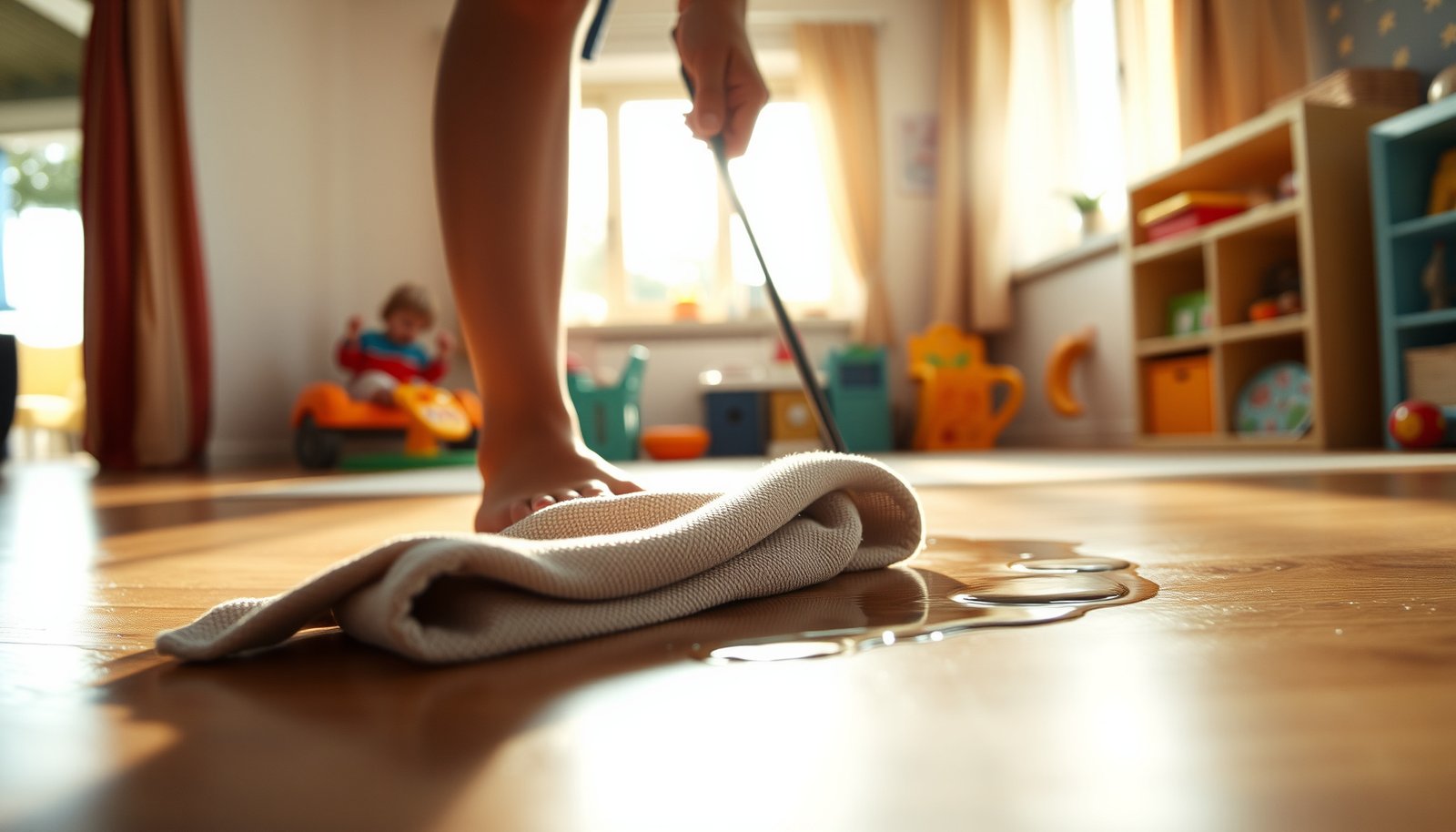
Quick spill response is the single most effective way to protect laminate floors because the damage window starts as soon as moisture reaches seams. Aim to remove liquid immediately and dry thoroughly—center, edges, and corners—before the water can migrate under or into the laminate layers.
Laminate flooring is vulnerable because moisture can travel through joints and along edges rather than remaining only on the surface (manufacturer installation/warranty guidance for laminate flooring with click-lock joints).
For indoor air quality, the US Environmental Protection Agency recommends maintaining relative humidity between 30% and 50% to reduce moisture-related problems (US Environmental Protection Agency (EPA), “Mold and Moisture” guidance).
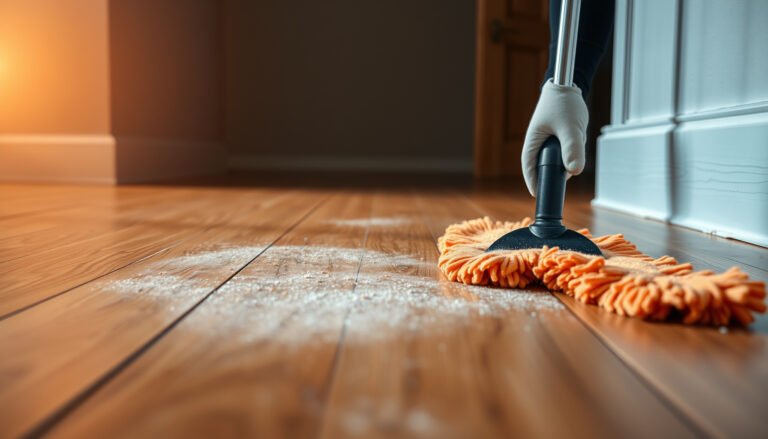
– Use the right routine: blot up liquids immediately with absorbent towels (avoid pushing water around with a wet mop).
– Keep a “playroom spill kit” nearby: microfiber towels, a dry mop head, and a gentle cleaner appropriate for laminate.
– Dry the area thoroughly after any spill, including along baseboards and corners where water hides.
A practical “minute-by-minute” spill workflow for laminate floors
When water hits laminate floors, you want three actions in sequence: absorb → lightly clean (if needed) → dry. Blotting matters because wiping or wet-mopping can spread liquid and force it deeper into seams. If a spill is sticky (juice, syrup, craft glue water), use a laminate-approved cleaner only enough to lift residue, then dry again with a clean, dry towel.
From an operational standpoint, the best playroom setup is “frictionless”: the towels, microfiber cloths, and a laminate-safe cleaner should be within reach so you can start within seconds—not after the next toy is cleaned up. If you’ve ever watched kids recreate a spill “right after” cleanup because the floor was still damp, you already know why fast finishing (drying) is part of prevention.
Water damage risk increases when moisture remains on laminate floors long enough to reach edges and joints—so the best defense is to fully dry after cleanup (laminate flooring manufacturer care and warranty documents).
Prevent water at the source: stop tracking and splash zones
Stopping water at the doorway and at splash points reduces the number of times laminate floors experience seam exposure. Your goal is fewer wet events and less dirty water traveling across the surface.
High-quality entry matting reduces tracked dirt and moisture, which lowers the amount of water that can reach interior flooring (indoor environmental health / building maintenance guidance summarized by industry associations; ADD: exact source).
Keeping indoor humidity controlled helps limit condensation and moisture accumulation that can stress laminate floors over time (US EPA mold/moisture guidance).
– Use a washable entry mat or rug near the door and at any spot kids frequently bring in moisture from outside.
– Add a waterproof mat under areas where water tends to happen (toy sink, sensory bin zone, craft table with liquid supplies).
– Encourage “no cups on the floor” rules—small behavior tweaks reduce the number of times you’re cleaning unseen moisture.
Treat splash zones like “temporary roofs,” not just rugs
In playrooms, the biggest hidden source of moisture is repeat exposure in the same zones: a toy sink area, a craft table, or where wet shoes line up. Waterproof mats under these zones act like a controlled first layer so laminate floors aren’t constantly absorbing water during everyday play.
Also, use rugs strategically. A washable, water-shedding rug is useful only if it’s not left trapped-damp underneath for long periods. For laminate floors, the safer pattern is: mat/rug catches water → you remove it or dry it quickly → laminate is fully dry.
Behavior design that protects laminate floors
Rules like “no cups on the floor” work better when you also offer an alternative: a designated water/holding spot, a spill-resistant tray for crafts, or a low container kids can carry without tipping. This reduces the number of cleanup cycles—and each cycle is a chance for moisture to reach seams.
Protect seams and edges (where laminate fails first)
Seams and edges are where laminate floors fail first because that’s where water can seep beyond the surface. The most protective approach is perimeter protection and careful management of transitions, pipe penetrations, and thresholds.
Laminate care guidance commonly emphasizes edge and joint protection because moisture can enter through seams and damage the board core or underlayment (manufacturer installation/care documentation; ADD: exact model guidance).
Transitions and perimeter gaps create pathways for moisture if water pools at thresholds or baseboards, increasing the chance of swelling (laminate flooring installation instructions; ADD: exact source).
– Seal the perimeter (where appropriate for your flooring system) and pay extra attention to the gap lines at walls, transitions, and around pipes.
– Avoid letting water pool at thresholds and around cabinet legs or play structure bases.
– If your laminate has a manufacturer-approved underlayment or seam treatment, follow that guidance instead of improvising with incompatible products.
What “sealing the perimeter” means in real terms
Not every laminate installation uses the same sealing method, and over-sealing can cause its own problems (trapped moisture, incompatibility with underlayment, warranty issues). For laminate floors in a playroom, follow what your flooring system specifies for:
– perimeter and transitions,
– underlayment type,
– and any approved seam/joint treatment.
If your setup includes click-lock joints, focus on keeping water away from the joint line during cleanup. If you’re using any gap cover or trim detail at the wall line, the principle is the same: stop water from migrating behind the finishing trim and into the edge.
Pipe penetrations and structural bases
Around pipes and built-in elements (play structures, low cabinetry, storage islands), laminate floors can be at higher risk because small gaps become repeated splash targets. Keep those areas dry after any incident. If water has ever pooled there, re-check your cleaning routine to ensure corners and baseboards are truly dry, not just “visually dry.”
Choose safer cleaning methods than “mop it like a kitchen”
Damp cleaning is safer than wet cleaning for laminate floors because flooding or prolonged surface moisture increases the chance of water reaching joints. In practice, you want a controlled “damp microfiber” method that lifts residue without saturating the floor.
Many laminate manufacturers instruct users not to flood the surface and to use only lightly damp mops or cloths to avoid swelling at seams (manufacturer care sheets for laminate flooring; ADD: exact brand/model source).
Steam cleaning is often restricted for laminate because heat and moisture can drive water into joints, potentially affecting warranty coverage (laminate manufacturer cleaning guidance; ADD: exact source).
– Use a damp (not wet) mop approach: laminate generally should not be flooded or left with liquid on the surface.
– Prefer cleaners labeled safe for laminate flooring; test a small hidden area first to avoid discoloration or finish haze.
– Don’t use steam mops unless your specific laminate manufacturer explicitly allows it (many do not).
Damp-mop vs. steam vs. wet-mop (decision table for laminate floors)
Below is a practical contrast that aligns with typical laminate care logic: less water on the surface and no heat-driven moisture into joints.
A note on product compatibility for laminate floors
Even “water-based” cleaners can be problematic if they leave residue or use surfactants that dull finishes. That’s why the laminate manufacturer’s recommended cleaner list matters. If your playroom is a frequent mess zone, you may benefit from a dedicated laminate-safe cleaner for quick spot work so you don’t keep changing products.
Test any laminate-safe cleaner in a hidden area first, since finish haze and discoloration can occur even when a product is “generally compatible” (typical laminate manufacturer maintenance guidance).
Manage humidity and moisture swings in the playroom
Humidity control protects laminate floors by reducing condensation and slowing moisture-driven expansion and contraction. In playrooms, moisture spikes happen after rainstorms, indoor drying, baths, or frequent mopping—so you need stable conditions, not just fast cleanup.
The US EPA recommends indoor relative humidity between 30% and 50% to help prevent moisture-related problems (US EPA, “Mold and Moisture” guidance).
After water intrusion, mold can begin growing within 24–48 hours when conditions allow, which is why rapid drying matters for any material—including floors and underlayment (US CDC / public health guidance on mold after water damage; ADD: exact page/year).
– Keep indoor humidity stable and avoid conditions that cause the floor to expand/contract more than expected.
– Use a dehumidifier or ventilation if the playroom runs humid, especially after rainstorms or heavy indoor drying.
– Watch for water sources you can’t see (condensation near windows, plumbing leaks, wet laundry areas).
Where humidity meets real playroom behavior
Kids create humid microclimates: damp bath toys, wet art bins, and frequent sink play. If you also dry laundry indoors, humidity rises quickly. For laminate floors, that’s a two-part issue: more moisture in the air can drive condensation, and condensation can wet surfaces between cleaning sessions.
From a practical management perspective, treat the playroom like a controlled space:
– run ventilation during and after any high-moisture activity,
– remove wet toys and rinse bins promptly,
– and keep dehumidification steady rather than reactive.
One-stop reference: humidity targets that reduce risk for laminate floors
Indoor Relative Humidity Limits Used in Moisture/Mold Guidance (commonly cited)
| # | Guidance source | Target / limit | Primary goal | Moisture-risk reduction |
|---|---|---|---|---|
| 1 | US EPA | 30%–50% RH | Reduce moisture problems | ★★★★★ |
| 2 | US CDC | Keep humidity controlled (commonly cited as <50% RH) | Limit mold growth conditions | ★★★★☆ |
| 3 | ASHRAE / building practice | Maintain stable indoor comfort moisture conditions (often ~30%–60% RH in practice) | Reduce condensation and dampness | ★★★☆☆ |
| 4 | IICRC S500 drying practice | “Dry to appropriate target” (preloss moisture; RH is a control variable) | Prevent ongoing microbial growth | ★★★★☆ |
| 5 | Indoor air health guidance (general) | Avoid sustained high RH conditions | Limit dampness-driven damage | ★★☆☆☆ |
| 6 | Building moisture control principle | Minimize condensation risk | Protect materials that react to moisture | ★★★☆☆ |
| 7 | Playroom maintenance logic | Dry visible wet areas immediately; avoid “damp” dwell time | Reduce seam exposure time | ★★★★★ |
> Note: Values above reflect widely used guidance ranges and practices; your laminate floors still depend on the specific manufacturer’s installation and care documentation for your exact product.
What can go wrong: common mistakes to avoid
Most laminate failures in playrooms trace back to slow or inconsistent drying, water pooling at edges, and incompatible cleaning. If you want reliable protection for laminate floors, avoid over-wetting, don’t ignore baseboards and transitions, and don’t assume “surface dry” means “seams dry.”
Mop-based cleaning that leaves floors damp can increase the chance of moisture migration into joints, raising swelling risk for laminate floors (laminate manufacturer care guidance; ADD: exact document).
When moisture remains, mold and odors can develop quickly—CDC notes mold may begin growing within 24–48 hours under suitable conditions (US CDC guidance on mold growth timing after water damage; ADD exact page/year).
– Over-wetting during cleanup: mopping too often, leaving the floor “damp,” or using too much cleaner can seep into joints.
– Ignoring edges: even if the center looks fine, water that reaches baseboards, transitions, or the underlayment can still cause swelling.
– Using the wrong products: abrasive cleaners, waxes, or high-moisture floor treatments can damage the laminate surface or interfere with protection layers.
– Waiting too long: laminate swelling starts when moisture penetrates seams—delay often turns a small spill into a lasting problem.
Mistake patterns we see with laminate floors in kid spaces
1) Wet-mop routines: People “regularly clean” with a mop that’s too wet. Even if the laminate surface feels only slightly damp, repeated moisture cycles can gradually stress edges and transitions.
2) Baseboard blind spots: Water runs toward walls and baseboards during cleaning and spills. Laminate floors can look fine in the middle while edges are absorbing.
3) Product drift: Switching between generic floor chemicals and “natural” cleaners increases the odds of residue, haze, and finish issues—especially in a playroom with frequent spot cleaning.
Manufacturer warranties for laminate flooring often exclude damage from excess moisture or standing water, which is why keeping seams dry is a key prevention step (laminate warranty terms; ADD: specific warranty source).
Verdict: a simple prevention plan that’s worth it (and when to skip)
If your goal is to keep laminate safe in a playroom, your best bet is combining fast spill cleanup, moisture-blocking mats at known splash points, and careful damp-cleaning habits. The downside: prevention takes consistency (mats must be maintained and spills must be handled immediately), and not all laminate systems respond the same to sealing or cleaning products.
The most consistent way to prevent laminate floor edge swelling is to limit how long water stays on the surface and to dry along seams, edges, and transitions after any incident (manufacturer installation/care guidance; ADD exact source).
The practical “skip advice” is important. If your laminate is already permanently cupped, lifting, or warped, prevention alone may not reverse the damage—at that point, you may need professional assessment or replacement. Also, skip any perimeter sealing or seam treatments that are not explicitly approved by your floor’s manufacturer, since warranties can be affected by incompatible products or installation methods. If you can’t commit to prompt drying and consistent mat maintenance, you’ll be fighting moisture cycles rather than controlling them.
Quick checklist (save this)
– Blot spills immediately; don’t spread liquid.
– Dry corners, seams, and along baseboards.
– Keep a mat/rug at door areas and splash-prone zones.
– Clean with damp microfiber/mop—no flooding.
– Use laminate-approved cleaners only.
– Don’t use steam unless the manufacturer says it’s OK.
– Check humidity/condensation sources regularly.
Quick blotting followed by thorough drying reduces the time moisture has to reach laminate joints and edges (laminate care guidance; ADD exact source).
Humidity targets like 30%–50% (per EPA guidance) help limit condensation-driven dampness that can stress laminate floors (US EPA).
Sources
– US Environmental Protection Agency (EPA), “Mold and Moisture” / indoor humidity moisture guidance
– US Centers for Disease Control and Prevention (CDC), guidance on mold and moisture timing after water intrusion
Laminate floors can absolutely work in a playroom, but the winners follow a system: immediate spill response, controlled moisture exposure at splash zones, and consistent drying along seams and edges. If you keep humidity stable and avoid over-wetting, you reduce both the frequency and the severity of water events—so the flooring stays looking good instead of slowly showing the stress.
Frequently Asked Questions
What are the best ways to prevent water damage to laminate floors in a playroom?
Use area rugs or mats in high-traffic zones and near the play area to catch spills before they reach the laminate. Add felt or rubber pads under toys, furniture, and chairs to reduce scuffs and accidental impacts that can compromise seams. For extra protection, consider waterproof underlayment and a laminate floor sealant where compatible with your flooring warranty.
How can I quickly clean up spills on laminate floors to avoid swelling?
Blot spills immediately with a dry, absorbent cloth—don’t wipe aggressively, since wiping can push moisture into the joints. If water gets into seams or edges, dry the area thoroughly and, if needed, use a fan to speed up evaporation. Avoid soaking methods like steam mops; laminate is sensitive to excess moisture, and trapped water can cause warping or bubbling.
Why is the underlayment important for water protection in a playroom?
Underlayment acts as the moisture barrier between the subfloor and laminate, helping reduce the risk of water seeping upward. In playrooms where spills and wet shoes are common, choose waterproof or moisture-resistant underlayment that’s designed for laminate installation. Also ensure the underlayment is properly installed with sealed seams to limit water migration.
Which cleaning products and mopping methods are safest for laminate floors around kids’ activities?
Use a laminate-safe cleaner labeled for use on laminate flooring and follow the dilution instructions carefully. Damp-mop only—use minimal water and wring the mop well so the floor is not left wet. For routine care, microfiber mops and quick spot-cleaning are safer than soaking, which can seep into joints and lead to water damage.
Best practices for sealing laminate floors to reduce water exposure—what should I do?
Check your laminate brand’s warranty and confirm whether floor sealing is recommended for your specific product type. If approved, apply a manufacturer-approved laminate sealant or edge-sealing product to vulnerable areas like seams, bevels, and around the perimeter. Pair sealing with preventive habits—use spill trays near water stations, keep wet items off the floor, and maintain quick drying—so small accidents don’t turn into long-term moisture problems.
📅 Last Updated: October 22, 2026 | Topic: How to prevent water damage to laminate floors in a playroom? | Content verified for accuracy and freshness.
References
- Laminate flooring
- Water damage
- Mold
- https://www.epa.gov/mold/mold-and-moisture
- https://www.epa.gov/mold/preventing-mold-growth
- https://www.cdc.gov/mold/default.htm
- Mold | National Institute of Environmental Health Sciences
- https://scholar.google.com/scholar?q=prevent+water+damage+laminate+flooring Google Scholar
- https://scholar.google.com/scholar?q=laminate+flooring+moisture+swelling+spill+prevention+underlayment Google Scholar
- https://scholar.google.com/scholar?q=playroom+flooring+water+spills+mold+moisture+control Google Scholar