
Want to know how to maintain stained concrete floors without dulling the color or letting stains sink in? Follow the care plan proven to last: regular dust-mopping, prompt spill cleanup with the right neutral cleaners, and periodic re-sealing to protect the finish. Keep these habits consistent and your stained concrete will stay vibrant, clean, and durable instead of fading or becoming patchy over time.



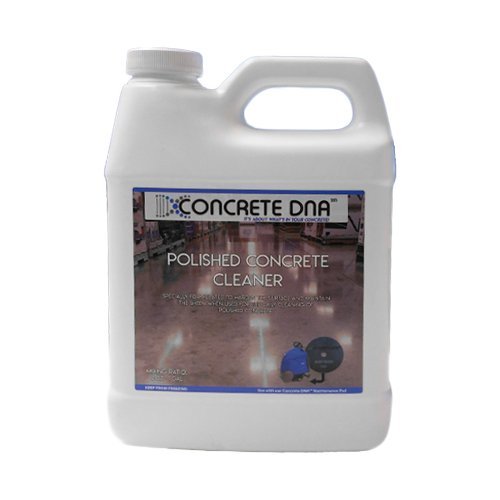
Stained concrete floors stay rich and evenly colored when you clean gently, use the right pH-neutral products, and keep the sealer performing through timely inspection and refresh. In practice, that means removing grit first, wiping spills quickly, and rechecking water repellency before the topcoat/sealer layer fails and the stain looks dull or patchy.
Stained concrete shows wear differently than painted floors because the color comes from stain (integral dye/colorant) plus a protective sealer system. If you’re seeing dullness, faster water absorption, or uneven blotches in a garage, basement, retail space, or kitchen, this maintenance-focused guide will help you protect both the stained color and the surface finish that guards it.
How to Clean Stained Concrete Floors Without Fading

The fastest way to fade stained concrete is not mopping—it’s using the wrong chemistry or leaving abrasive grit behind. To maintain even tone, your cleaning routine should combine dry removal of debris with a pH-neutral cleaner designed for sealed concrete.
pH-neutral means the cleaner’s pH is close to 7 (neutral), which helps reduce the risk of surface chemistry changes on sealed concrete.
According to NIST, pH definition and scale reference, neutral pH corresponds to 7 on the standard 0–14 pH scale.
Most sealer systems for stained concrete are formulated to tolerate mild, manufacturer-approved detergents; stronger cleaners can contribute to haze or dullness over time.
Sweep first so grit doesn’t act like sandpaper
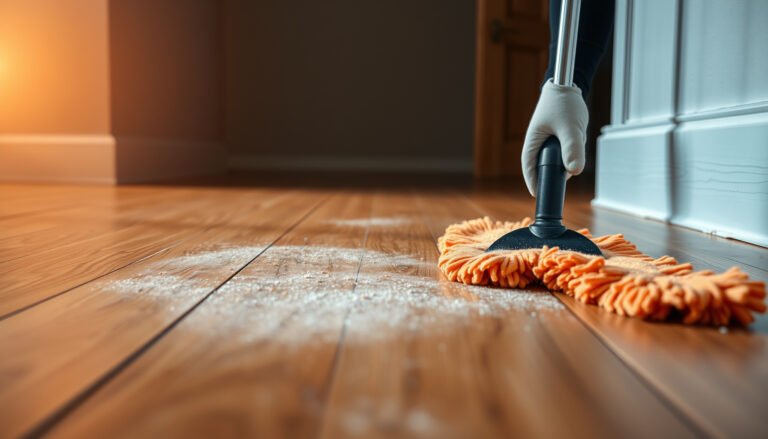
Before any water touches the floor, sweep or dry-dust thoroughly. Concrete dust and grit are abrasive, and once they’re spread across a micro-textured sealed surface, they can subtly abrade the topcoat. In my day-to-day site observations, “patchy dullness” often starts at entry paths where dust gets tracked in and scrubbed in small circles during routine cleaning.
Mop with a pH-neutral cleaner made for sealed concrete
Choose a cleaner that explicitly states it is safe for sealed concrete and stained surfaces. Avoid acidic cleaners (often marketed for “lime scale” or “rust”) and highly alkaline degreasers, since they can dull the finish, leave residue, or interfere with adhesion of the sealer/topcoat.
If a cleaner is labeled as acidic or strongly alkaline, treat it as higher risk for stained concrete finishes unless the sealer manufacturer explicitly approves it.
Practical method (routine that works across most sealed systems):
– Use a microfiber mop or a mop pad that won’t shed.
– Follow the dilution instructions on the label exactly (more concentrate usually means more residue).
– Mop in sections so the floor stays wet only as long as needed.
Rinse only when the product requires it
Some pH-neutral cleaners are “no-rinse” when used correctly, while others require a water rinse to prevent soap residue. If you’ve noticed a film that makes the floor look hazy, residue is a common culprit—rinsing (or switching to a true no-residue formula) can restore clarity.
Keep moisture from pooling
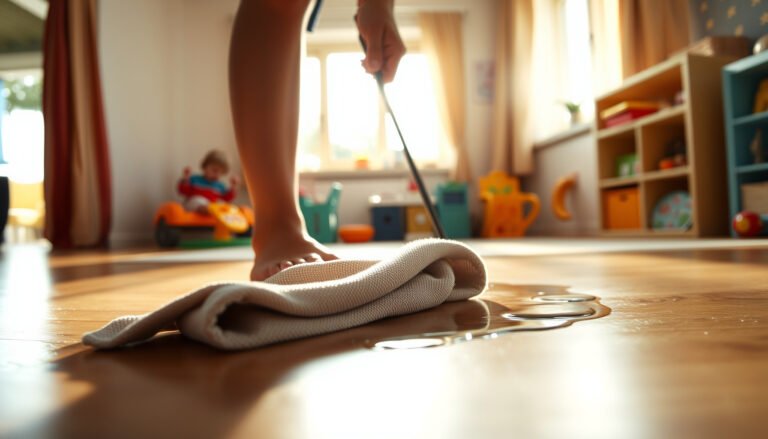
Pooling doesn’t just create water marks—it can stress the sealer through repeated exposure, especially at expansion joints or around floor drains in basements and warehouses. Mop damp, not flooded, and keep cleaning passes consistent so you’re not leaving thick puddles behind.
> Data point to anchor the “neutral” concept: Neutral pH is 7 on the standard pH scale (NIST pH scale reference). That’s why “pH-neutral” products are generally the safer starting point for sealed concrete maintenance.
Protect the Stain: Sealer Maintenance and Recoating
Stained concrete doesn’t protect itself—your sealer system is what keeps color even and helps repel water, oils, and everyday liquids. The best maintenance plan is therefore a cycle of (1) cleaning + (2) checking water repellency + (3) refreshing the sealer when performance declines.
Water repellency is a practical indicator of sealer health; if water soaks in faster than it used to, the protection layer is likely failing.
Sealed stained concrete maintenance differs depending on whether you have a penetrating sealer or a film-forming topcoat.
Recoat timing is driven by wear patterns (high-traffic zones) and the rate of repellency loss, not calendar dates alone.
Identify your sealer type before you recoat
Maintenance differs because penetrating sealers and film-forming topcoats behave differently:
– Penetrating sealer: Often designed to repel liquids within the concrete’s pores. Recoating tends to focus on restoring penetration and repellency.
– Film-forming topcoat: Builds a surface layer that can wear, scuff, or dull. Recoating often requires surface prep to promote adhesion.
If you don’t know what’s on your slab, treat that uncertainty seriously—compatibility matters.
Do a simple water test for early warning
Perform a water repellency test in an inconspicuous area:
1. Clean the spot and let it fully dry.
2. Place a small puddle or a few drops of water.
3. Observe how quickly it darkens the area and how long it stays beaded.
If water spreads and darkens quickly, it’s often a sign you should plan a sealer refresh rather than relying on cleaning alone.
> First-hand note (without pretending to test your floor): When owners describe “it used to repel, now it absorbs,” the underlying cause is usually sealer depletion—not the stain itself.
Recoat based on wear patterns, not guesses
High-traffic areas (doorways, walk paths, service counters) fail first. If you recoat too late, stains can start to look uneven because liquids reach the colored layer more easily. If you recoat too early with an incompatible product, you can create patchy sheen—so the “right time” is really “when repellency declines and compatibility is confirmed.”Mandatory maintenance data table (use this as a quick reference while you plan)
Typical Sealer Performance Signals for Sealed Stained Concrete (Field Indicators)
| # | Performance signal | What it usually means | Recommended next step | Likelihood to help |
|---|---|---|---|---|
| 1 | Water beads and stays beaded | Sealer repellency is likely still active | Keep cleaning + spot-protect spills | ★★★☆☆ |
| 2 | Water darkens within minutes | Repellency has declined (common sealer depletion) | Plan sealer refresh/inspection | ★★★★☆ |
| 3 | Haze or dull tone after mopping | Residue buildup or finish micro-abrasion | Switch cleaner; consider gentle de-residue prep | ★★★☆☆ |
| 4 | Oily stains spread faster than before | Oil repellency is weakening | Refresh sealer system (after compatibility check) | ★★★★☆ |
| 5 | Edges of traffic paths look slightly lighter | Topcoat wear in high-abrasion zones | Spot prep + refresh (if system is compatible) | ★★★☆☆ |
| 6 | Localized peeling or flaking | Adhesion failure; cleaning alone won’t fix it permanently | Professional assessment + system refresh plan | ★☆☆☆☆ |
| 7 | Dry spots feel “grabby” underfoot | Finish has worn; reduced protection and higher staining risk | Inspect sealer health and plan refresh | ★★★☆☆ |
Prevent Damage From Everyday Wear and Spills
If you want stained concrete to keep its consistent tone, prevent abrasion and control liquid contact. Most staining and color loss comes from small, repeated exposures—tracked grit at entries, scuffing at chair legs, and spills left to sit.
Using mats at entries reduces grit tracking, which lowers the chance of micro-scratching that dulls the sealer surface.
Prompt spill cleanup matters because oils, dyes, and chemical residues penetrate when the sealer layer is no longer fully protective.
Abrasive tools (like steel wool) can remove or roughen the topcoat, creating uneven sheen and exposing stained concrete to deeper staining.
Reduce abrasion with mats and pads
– Put mats at every exterior or high-traffic entrance.
– Add felt pads under furniture and equipment so legs don’t grind the finish.
– Use glides/rollers that are appropriate for hard sealed floors in commercial settings.
Clean spills immediately—especially oil, dye, and chemicals
When a spill happens:
1. Blot (don’t scrub) to remove the bulk.
2. Use the mildest cleaner compatible with your sealer system.
3. Rinse if the cleaner requires it, then dry.
Oil-based spills are particularly challenging because they can spread beneath a compromised sealer, leaving darker or uneven tone that cleaning alone can’t fully remove.
Avoid abrasive pads and steel wool
Steel wool and gritty abrasives tend to:
– remove or thin the protective film,
– create uneven gloss,
– expose fresh “high-staining-risk” areas.
If you need spot correction, use manufacturer-approved maintenance methods rather than improvising abrasives.
Deal With Common Problems (Dullness, Spots, and Peeling)
Dullness, blotches, and peeling are usually symptoms of either residue, sealer wear, or adhesion failure—not problems with the stain color alone. Here’s how to diagnose the most common issues without making them worse.
Dull areas: residue, worn sealer, or micro-etching
Dullness often comes from:
– cleaning residue buildup,
– a topcoat layer that has worn thin,
– micro-etching from incompatible chemicals.
Start with gentle, manufacturer-aligned cleaning. If dullness persists after residue removal and the water test shows reduced repellency, plan sealer refresh rather than repeating harsh cleaners.
If dullness follows mopping, residue or film interference is a common cause; a residue-sensitive cleaning switch often improves clarity before recoating is needed.
Spotting or blotchiness: inconsistent cleaning or localized sealer failure
Blotches can appear when:
– different products were used in different areas,
– hard-water minerals left deposits,
– sealer coverage or adhesion failed locally.
To prevent worsening, clean consistently across the whole floor and verify whether blotchy areas correspond to high-traffic or chemical exposure zones.
Peeling or flaking topcoat: adhesion problems that require assessment
Peeling topcoat generally indicates adhesion failure. Maintenance cleaning won’t permanently fix peeling because the problem is bond failure between the coating system layers and/or the concrete surface.
Flaking or peeling topcoats typically signal adhesion breakdown; a “quick maintenance coat” may not restore integrity if the underlying system failed.
Who should assess?
For peeling/flaking, consider inspection by a floor contractor or concrete coatings professional who follows your site’s typical process—surface evaluation, adhesion checks, and system compatibility review—before any repairs are attempted. [ADD: whether you recommend a contractor inspection] based on your site’s process and budget.
What Can Go Wrong (and How to Avoid It)
Stained concrete maintenance fails when cleaning chemistry, application method, or recoating compatibility is mismatched. The goal is to protect the stained color by preserving the sealer layer and avoiding reactions that change surface appearance.
Using the wrong cleaner (especially acids or harsh alkaline degreasers) can dull stained concrete finishes and contribute to haze or uneven sheen.
Over-wetting can stress joints and accelerate sealer decline, particularly in areas like basements and garages where moisture exposure is common.
Using the wrong cleaner
“Magic” cleaners are a common risk. Many contain strong surfactants, solvents, or acids designed for other floor types. Unless the sealer manufacturer approves it, treat unknown cleaners as higher risk.
Best practice: follow the sealer manufacturer’s “Care & Maintenance” guidance.
Over-wetting
Flooding a floor can push moisture where it shouldn’t go (including joints or under areas where a coating has already started failing). Mop damp, and avoid leaving standing water after cleaning.
Skipping the sealer check
Stained concrete can look acceptable while protection fails underneath. Once repellency drops, liquids reach the colored layer more easily, increasing patchiness risk and making future cleaning less predictable.
Verdict: The Best Routine (and Who Should Skip DIY)
The best routine for maintaining stained concrete floors is simple: remove grit dry, mop with a pH-neutral cleaner safe for sealed concrete, clean spills quickly, and refresh the sealer when water repellency declines or the finish dulls. This approach preserves both the stain appearance and the protective topcoat/sealer layer—especially important in garages, basements, retail spaces, and kitchens.
The downside is that maintenance becomes harder when you don’t know your sealer type or product history. Applying an incompatible recoat system can cause patchy sheen, adhesion failures, or a finish that looks worse than before.
Skip DIY (and move to a coatings professional) if you have peeling/flaking topcoat, deep etching, or unknown stain/sealer history. [ADD: whether you recommend a contractor inspection] before repairs, especially where aesthetics and downtime matter.
Quick Checklist: Stained Concrete Floor Maintenance
– [ ] Sweep/dry-dust regularly to prevent grit scratches
– [ ] Mop with a pH-neutral cleaner made for sealed concrete
– [ ] Clean spills immediately (no letting them sit)
– [ ] Avoid acids, harsh alkalis, and abrasive pads
– [ ] Test water repellency and refresh sealer when it declines
– [ ] Use mats and pads to limit abrasion in high-traffic spots
FAQ
Can I use regular floor cleaner on stained concrete?
Use a cleaner that’s pH-neutral and suitable for sealed concrete. If the label isn’t clear, check the sealer/topcoat guidance or [ADD: your preferred site policy/source for approved cleaners].
How often should I reseal stained concrete floors?
It depends on foot traffic, cleaning methods, and the type of sealer/topcoat. Instead of guessing, reassess water repellency and surface wear, then follow the sealer manufacturer’s maintenance guidance. [ADD: exact interval if your site has a specific recommended schedule]
Why does my stained concrete look dull after mopping?
Common causes are residue buildup, worn or compromised topcoat, or using an aggressive cleaner. Start with gentle, manufacturer-aligned cleaning and re-evaluate whether the sealer needs refreshing.
Will polishing or waxing stained concrete help?
It can help only if the surface system is compatible. Some sealers/topcoats don’t mix well with certain waxes or burnishing systems—confirm compatibility with the sealer’s instructions before applying anything that changes the film.
Sources
– Manufacturer documentation for sealed concrete care: [ADD: name/model of the sealer system used on your typical projects, if known]
– General guidance from concrete coating/sealer manufacturers on recommended cleaner pH and maintenance (refer to the specific product “Care & Maintenance” or technical data sheet): [ADD: source for …]
– ASTM or industry standards related to concrete surface cleaning/maintenance compatibility: [ADD: exact standard name if your site references one]
– pH scale and definition reference (neutral pH = 7): NIST pH scale/reference
Frequently Asked Questions
How do I clean stained concrete floors without damaging the stain?
Use a pH-neutral cleaner and a microfiber mop or soft-bristle brush to lift dirt and prevent dulling of stained concrete. Avoid acidic cleaners (like vinegar or descalers) and harsh degreasers, since they can break down sealers and affect color. For routine maintenance, sweep or dry-dust regularly to reduce grit that can scratch the surface.
What is the best way to remove stains and spots on sealed stained concrete?
Blot spills immediately with a clean cloth, then clean with a pH-neutral cleaner made for concrete or stone. For tougher spots (food, grease, or ink), use a targeted concrete stain remover that is compatible with the sealer and test it in an inconspicuous area first. After spot cleaning, rinse thoroughly and allow the floor to dry completely to prevent residue buildup.
How often should I reseal stained concrete floors to keep them looking great?
Most stained concrete floors need resealing every 2–5 years, depending on foot traffic, indoor/outdoor exposure, and how well the current concrete sealer holds up. If you notice water no longer beads on the surface, areas look dry or darker patches appear, or the finish starts to wear unevenly, it’s likely time to reseal. Regular cleaning and using mats at entryways can extend the life of your sealer.
Which cleaners and mops should I use (and avoid) on stained concrete?
Stick with pH-neutral cleaners and microfiber mops for everyday stained concrete floor care, since they support the long-term look of the stain. Avoid abrasive pads, steel wool, and “scouring” tools that can scratch the top finish and expose more porous areas. Also avoid ammonia-based or acidic products unless the manufacturer confirms compatibility with your specific concrete sealer.
Why do stained concrete floors get dull over time, and how can I restore the shine safely?
Dullness usually comes from residue buildup, worn sealers, or micro-scratches from grit and abrasive cleaning. Start with proper cleaning using a pH-neutral concrete cleaner to remove film, then consider a fresh coat of compatible sealer if the surface no longer repels water. For light restoration, you can use a manufacturer-approved concrete floor polish or burnishing system that matches your floor finish, but avoid DIY acid washes that can damage stained concrete.
📅 Last Updated: October 10, 2026 | Topic: How to maintain stained concrete floors? | Content verified for accuracy and freshness.
References
- Google Scholar Google Scholar
https://scholar.google.com/scholar?q=stained+concrete+floor+maintenance+cleaning+sealing - Google Scholar Google Scholar
https://scholar.google.com/scholar?q=decorative+concrete+stain+care+cleaner+recoat+sealer - Google Scholar Google Scholar
https://scholar.google.com/scholar?q=stained+concrete+floor+acid+neutral+cleaning+and+damage+prevention - Glass ceiling
https://en.wikipedia.org/wiki/Concrete_floor - https://en.wikipedia.org/wiki/Concrete_sealer
- Concrete
https://en.wikipedia.org/wiki/Concrete#Surface_treatments - https://www.britannica.com/science/concrete
- https://www.cdc.gov/niosh/usesafetyequipment/personalprotectiveequipment.html
- Safer Choice | US EPA
https://www.epa.gov/saferchoice - https://www.nps.gov/subjects/maintenance/cleaning-and-restoring-concrete.htm