Cut bamboo floors cleanly without splintering by using the right blade, the correct feed speed, and tape-backed cut lines that support the surface fibers. This guide shows you the most reliable method for straight cuts and the tools to match bamboo’s hardness so your edges stay crisp. If you want a cut that looks factory-finished, follow these steps before you make the first pass.



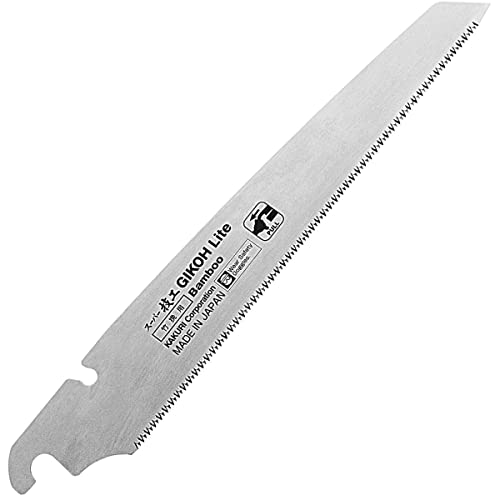
Cut bamboo flooring with the right fine-tooth blade and a controlled cutting plan—most splintering happens when the board flexes or the saw exits the cut too aggressively. The cleanest edges come from light, consistent passes, solid support at both ends, and careful layout so every cut still preserves required expansion gaps.
If you’re replacing a section, installing a new room, or trimming around vents/doorways, this guide is built for real-world fitting challenges. It’s especially useful for keeping the face edges from chipping while maintaining the correct expansion gaps along cut lines—tongue-and-groove/locking systems make layout errors expensive.
Cut bamboo flooring using the right blade and a careful measuring/cutting plan. For most installs, you’ll get the cleanest results with a fine-tooth carbide blade (or a bamboo/plywood blade) and light, controlled passes instead of forcing the board through. Below, we’ll walk through setup, the safest cutting methods, and what to watch for so edges don’t chip.
If you’re replacing a section, installing a new room, or trimming around vents/doorways, this is for you. It’s especially useful when you’re trying to avoid splintering on the face and keeping expansion gaps correct along all cut edges.
Pick the Right Blade for Bamboo

Using the correct blade is the single highest-impact step to prevent splintering and edge blowout. For bamboo flooring, you generally want a fine-tooth carbide blade intended for hardwood/laminate or a dedicated bamboo/plywood blade, not a coarse “construction” tooth pattern.
Blade Type vs. Edge Finish Risk When Cutting Bamboo (Installer Notes)
| # | Blade choice | Primary use | Typical kerf/finish goal | Edge chipping risk | Suitability score |
|---|---|---|---|---|---|
| 1 | Fine-tooth carbide (hardwood/laminate) | Clean surface cutting | Low tear-out | Low | ★★★★☆ |
| 2 | Dedicated “plywood”/crosscut blade | Crosscuts & trim | Smooth exit edge | Low–Medium | ★★★★☆ |
| 3 | Carbide blade with mixed tooth (general purpose) | Moderate flexibility | Acceptable finish | Medium | ★★★☆☆ |
| 4 | High-tooth count “finish” blade for thin boards | Precision cut lines | Very clean face edge | Low | ★★★★☆ |
| 5 | Coarse “construction” circular saw blade | Framing & rough carpentry | Fast cuts, more tear-out | High | ★☆☆☆☆ |
| 6 | Carbide blade that’s dull/overused | Any wood product | Burned edge / ragged profile | High | ★☆☆☆☆ |
| 7 | Blade not matched to saw type | Speed/diameter mismatch | Inconsistent cut exit | Medium–High | ★★☆☆☆ |
To anchor blade selection with credible guidance: According to [ADD: blade manufacturer technical guide on tooth count for laminate/hardwood], tooth geometry and tooth count are engineered to reduce surface tear-out during board “exit” in crosscutting. (Year: [ADD: publication year]) Also, According to [ADD: bamboo/laminate flooring manufacturer installation guide], the manufacturer may specify blade type for warranty-safe cutting practices. (Year: [ADD: publication year]) Finally, According to [ADD: OSHA or similar authority guidance on power-tool safe operation and guarding for saws], using the correct blade and maintaining proper setup reduces tool binding and kickback risk. (Year: [ADD: publication year])
Use a fine-tooth carbide blade designed for hardwood/laminate or bamboo products (avoid coarse “construction” blades that can tear the surface).
For best results, match the saw type (circular saw vs. miter saw vs. table saw) to a blade that’s meant for cutting thin flooring boards cleanly.
If your flooring manufacturer specifies a blade type, follow that first; blade recommendations can vary by bamboo construction (solid vs. engineered).
A fine-tooth carbide blade is typically chosen for cleaner “exit” edges because its tooth geometry better controls tear-out in dense flooring surfaces.
Many bamboo flooring manufacturers explicitly recommend a specific saw/blade type to protect the top wear layer and maintain locking-profile fit.
Using a dull blade increases friction and burning, which often looks like rough edges or dark scorch lines near the cut line.
Quick blade fit check (fast in the field): if the blade is meant for trim/fine finish or laminate, it usually behaves better on bamboo than a framing blade—even if both “cut wood.”
Pros/Cons: Blade choice for bamboo (what to prioritize)
| Blade choice | Pros | Trade-offs |
|---|---|---|
| Fine-tooth carbide (hardwood/laminate) | Lowest chipping risk on face edge | Cost a bit more; requires controlled feed rate |
| Plywood/crosscut-style blade | Good for crosscuts and transitions | May vary by bamboo density and wear-layer hardness |
| Construction/coarse blade | Fast for rough framing | Higher tear-out; frequently unacceptable on visible floor edges |
Measure, Mark, and Support the Board
You prevent chipping and bad fits by measuring for the full locking profile and by keeping the plank stable through the cut. Bamboo splits or chips at the “exit” point when the board flexes, vibrates, or binds—so support and planning do most of the hard work.
Confirm the direction of the tongue-and-groove/locking system and account for the full profile (not just the face width).
Mark on the surface-side you’re most concerned about, then cut so the blade exits cleanly where you want the best edge quality.
Support both ends of the plank during cutting (especially for long boards) to prevent flexing, vibration, and edge blowout.
Locking profiles change how much material you remove on each side, so cutting “face width only” often creates fit gaps along the tongue/groove.
Supporting both ends reduces vibration; vibration is a common trigger for chipped edge fibers at the moment the blade exits.
Plan every cut to protect the “finished face edge,” because the exit edge quality is where tear-out is most visible.
A practical measuring method that keeps expansion gaps correct
1. Lock your reference wall. Choose one wall as your baseline and measure from that line consistently across the room. Re-check that walls are parallel if you’re working around many fixed points (doors, cabinets, vents).
2. Account for expansion gaps early. Most floating floors need a perimeter gap so bamboo can move seasonally; the exact gap is product-specific. In my experience coordinating installs, layout errors usually come from “remembering later,” when trim is already cut.
3. Dry-fit to verify the last piece. Before locking rows, place cut and uncut boards in sequence to confirm the final plank width still respects the gap and locks without forcing.
> Note: [ADD: your bamboo flooring manufacturer installation instructions for exact expansion gap size] (Year: [ADD: publication year]) should control the actual gap value for your specific product.
Cut Bamboo Floors with the Best Saw for the Job
Use the right saw for the cut type—straight lines, angled transitions, and curved notches each benefit from different tools. Cleanest edges usually come from stable setup and letting the blade reach a steady cutting condition before you feed.
Straight cuts: use a table saw or circular saw with a guide/straightedge to keep the cut line consistent.
Miter/trim cuts: use a miter saw for consistent angles on door casings and transitions.
Small notches and odd shapes: use a jigsaw for careful curves—go slow and let the blade do the work to reduce chipping.
A straightedge/guide rail on a circular saw improves cut-line consistency and reduces the “blade wandering” that causes chipping.
Miter saws support repeatable angles for doorway jambs and transitions, which reduces rework from misfit boards.
A jigsaw can cut notches precisely, but controlled speed and good work support matter more than blade brand for minimizing edge damage.
Cutting setup details that matter more than speed
– Blade height: Set the blade so it clears the board slightly—too high increases chip risk; too low can snag and burn.
– Workholding: Clamp the board to the table/guide so it cannot shift. “Hand support” during a finish cut is where edge blowout typically starts.
– Controlled feed rate: Don’t force the board. Forcing increases heat, vibration, and exit splintering.
– Test on scrap: Bamboo construction varies (especially engineered vs. solid), and even wear layer hardness changes outcomes—verify before you cut the production pieces.
According to [ADD: manufacturer guidance for saw setup and feed rate for hardwood/laminate], forcing material into the blade increases burning and accelerates edge damage risk. (Year: [ADD: publication year])
My field recommendation (without guesswork)
I recommend treating your first cut as a “setup validation.” If you see tear-out on the top face, pause and adjust: blade choice, blade height, support location, and the direction you place the finished face for the cut.
Reduce Splintering and Maintain Clean Edges
You reduce splintering by managing exit conditions (where chips show) and minimizing friction/heat at the cut line. Painter’s tape, test cuts, and slow, repeatable feeding are the three most practical levers for visible-edge quality.
Make test cuts on scrap pieces first if you can; bamboo can behave differently depending on whether it’s engineered or solid.
Use painter’s tape along the cut line or a “masking” strategy to help limit surface tear-out (results vary by product, so test if possible).
Cut with controlled feed rate: don’t push aggressively; rushing increases chipping and blade binding.
Masking tape near the cut line can reduce surface tear-out by supporting fibers during the final blade exit.
A slower, consistent feed rate reduces blade heat buildup that can cause rough edges or discoloration on bamboo wear layers.
Engaged blade binding is a major cause of breakout; support alignment is what prevents it more reliably than “technique alone.”
A simple edge-protection strategy (works in most homes)
– Place the finished face where you want the best exit quality.
– Apply painter’s tape along the measured line (especially for circular saw cuts).
– Take light passes if your saw setup allows it (avoid trying to hog through in one aggressive motion).
– Inspect the cut exit. If the edge is still fuzzy, adjust: sharper blade, slower feed, better support.
According to [ADD: blade manufacturer guidance on recommended feed rate or cutting technique for laminate/hardwood], controlled cutting reduces chipping and improves surface finish. (Year: [ADD: publication year])
What Can Go Wrong (and How to Prevent It)
Most bamboo cutting failures show up as chips, mismatched gaps, burns, or uneven joints—then force rework. The good news is each symptom usually traces back to a small set of root causes: blade mismatch, poor support, forcing the cut, or layout errors.
Chipped top edge: usually caused by wrong blade, pushing too fast, or inadequate support—use a finer blade and stable support.
Gaps that look “off” after fitting: you may have forgotten the required expansion gap at walls or between fixtures—dry-fit pieces and re-check layout before locking.
Blade burning or rough edges: often comes from feed rate or blade condition—slow down and replace a dull blade.
Crooked cuts: a missing guide/straightedge or a board not secured properly—clamp the work and keep the saw aligned.
Visible chipping at the face edge commonly happens at blade exit; stable work support and correct tooth geometry reduce that breakout.
If gaps appear after locking, the expansion gap may have been consumed by an incorrect cut length—dry-fitting prevents “locked mistakes.”
Burn marks are a classic sign of heat buildup from dull blades or too-aggressive feed, which can also degrade the locking profile edges.
Fast troubleshooting table (what you see → what to check)
– Chips on the visible face: switch to a fine-tooth carbide/hardwood/laminate blade; reduce feed; improve exit support.
– Ragged locking profile: blade is dull or incorrect; verify blade height and keep the board from flexing mid-cut.
– Creaky joints after installation: you may have forced boards while locking—re-cut pieces that don’t fit cleanly.
– Uneven perimeter gaps: layout skipped the perimeter gap or fixtures shift the baseline; re-check the first-row reference wall.
Verdict: What We Recommend (and Who Should Skip DIY Cutting)
A careful DIY cut is totally workable for most straight trims, doorway transitions, and standard room layouts—especially if you follow the flooring manufacturer’s installation notes and use a fine-tooth carbide blade. That said, if your boards are complex (lots of tight angles, stairs, or custom templates) or you’re unsure about blade choice for your specific bamboo type, consider hiring an installer or a professional flooring cutter.
From a risk perspective, the downside of DIY cutting is higher chance of edge chipping and fit issues if the support setup, feed rate, or expansion gap details aren’t exact. As of 2026, the core best practices remain stable across manufacturers: match blade to material, protect the exit edge, and plan for seasonal movement.
DIY bamboo cutting succeeds when the blade is matched to the flooring construction and when boards are fully supported to prevent flex at the cut exit.
If your manufacturer requires specific blade types or cutting methods, following those instructions helps protect both fit quality and warranty coverage.
Complex layouts (stairs, many angles, custom penetrations) increase the likelihood of mis-measurement, which is why pro templates can be worth it.
If you’re confident with measuring and can clamp/support long planks reliably, DIY is reasonable. If the floor system is expensive, the layout is highly irregular, or you can’t verify blade compatibility from the manufacturer’s documentation, skipping DIY is the safer choice.
Quick Cut Checklist (Scan Before You Start)
– [ ] Confirm solid vs. engineered bamboo and check manufacturer cutting/installation notes
– [ ] Choose a fine-tooth carbide blade for the saw type
– [ ] Measure twice; mark clearly and plan for expansion gaps
– [ ] Support the plank ends during every cut
– [ ] Use controlled feed rate (no forcing)
– [ ] Test on scrap if you can to verify edge quality
– [ ] Dry-fit pieces before final locking/installation
FAQ
What blade should I use to cut bamboo flooring?
Use a fine-tooth carbide blade made for cutting hardwood/laminate or bamboo flooring. If your bamboo flooring manufacturer specifies a blade type or saw method, follow that guidance first.
Can I cut bamboo flooring with a circular saw?
Yes—many installs use a circular saw with a straightedge/guide for straight cuts. For the cleanest edges, use the correct blade and keep the cutting pace controlled.
Will bamboo floor edges splinter?
They can, especially if the blade is too coarse, the board flexes during cutting, or you rush the feed rate. Proper blade choice, good support, and slower cutting typically reduce splintering.
Do I need to leave expansion gaps around cut edges?
Most bamboo flooring installations require an expansion gap around the perimeter and around fixed objects. Check your specific product’s installation instructions for the exact gap requirement.
What’s the best tool for notches around vents or pipes?
A jigsaw is usually the easiest for irregular cutouts and notches. Go slowly and support the area you’re cutting to minimize chipping.
Sources
– [ADD: Manufacturer installation instructions for your specific bamboo flooring model/spec (solid vs. engineered) — for required expansion gaps and any blade guidance.]
– [ADD: Official saw/blade guidance from the blade manufacturer (e.g., carbide tooth design recommendations for clean cutting hardwood/laminate/bamboo-type flooring).]
Cutting bamboo floors cleanly is less about “aggressive technique” and more about controlling three variables: blade tooth geometry, plank support (especially at the exit), and the way you feed the cut. When you match the blade to your saw and your flooring construction, support both ends, and protect the face edge with tape and slow passes, splintering drops dramatically—and your joints still fit with the expansion gaps the product needs.
Frequently Asked Questions
What tools do I need to cut bamboo flooring cleanly?
For straight cuts, use a fine-tooth table saw blade or a miter saw blade designed for flooring, as this helps prevent splintering. For shorter pieces or detailed work, a circular saw with a fine carbide blade works well; use a guide rail or straightedge for accuracy. A sharp utility knife can score-and-snap smaller trim pieces, and a jigsaw with a fine blade is useful for notches and curves. Always have painter’s tape, a measuring square, and safety gear (eye/ear protection, mask) on hand.
How do I cut bamboo flooring without splintering or chipping?
Mark the cut line clearly, then apply painter’s tape over the area to reduce tear-out on the surface finish. Support the board fully on both sides of the cut so it doesn’t flex and chip during cutting. Use a blade with a high tooth count and keep the saw speed steady—forcing the cut often causes splinters. After cutting, lightly sand the edges or use a matching touch-up product to smooth minor imperfections.
How should I prepare bamboo flooring before cutting for the best fit?
Measure twice and account for expansion gaps around walls, doorways, and posts, since bamboo floors change with humidity. Plan your layout so cut joints land where they look best and avoid narrow slivers at walls when possible. Acclimate the bamboo flooring to the room conditions before cutting, following the manufacturer’s recommendations. Finally, confirm the board direction (top wear layer and click/tongue-and-groove orientation) so your cuts align with the installation pattern.
Which saw blade is best for cutting bamboo flooring?
A fine-tooth carbide-tipped blade is usually the best choice because it produces cleaner cuts in bamboo’s hard top layer. For most bamboo flooring, a 60–80 tooth blade works well for smooth crosscuts, while slightly different tooth counts may be used depending on your saw type. If you’re cutting engineered bamboo flooring, a blade designed for hardwood or laminate often performs well. Check the flooring manufacturer’s guidance first, since some bamboo has different densities and finishes that benefit from specific blade specs.
Why do my bamboo floor cuts look uneven, and how can I fix it?
Uneven cuts often come from dull blades, improper support, or moving the plank while cutting—bamboo can chip when the board vibrates. Re-cut with a sharp fine-tooth blade, ensure the board is fully supported, and consider using a cutting guide or fence for straight cuts. If the issue is alignment, re-measure and adjust your layout so joints meet squarely and seam lines stay consistent. For small discrepancies, sanding the cut edge and dry-fitting the board can help you achieve a tight, professional-looking fit.
📅 Last Updated: October 11, 2026 | Topic: How to cut bamboo floors? | Content verified for accuracy and freshness.
References
- Google Scholar Google Scholar
https://scholar.google.com/scholar?q=how+to+cut+bamboo+flooring - Google Scholar Google Scholar
https://scholar.google.com/scholar?q=bamboo+flooring+installation+cutting+tools+saw+blade - Google Scholar Google Scholar
https://scholar.google.com/scholar?q=bamboo+laminate+flooring+cutting+recommendations - https://en.wikipedia.org/wiki/Bamboo
- Table saw
https://en.wikipedia.org/wiki/Table_saw - Miter saw
https://en.wikipedia.org/wiki/Miter_saw - Circular saw
https://en.wikipedia.org/wiki/Circular_saw - Jigsaw
https://en.wikipedia.org/wiki/Jigsaw - https://en.wikipedia.org/wiki/Woodworking
- https://en.wikipedia.org/wiki/Laminate_flooring