
To safely remove soda stains from engineered wood flooring, blot the spill, then wipe with a pH-neutral, lightly damp cloth and dry it thoroughly to prevent swelling. Most cases take 10–20 minutes, and you only need clean microfiber towels, distilled water, and a wood-safe cleaner. Before scrubbing, test the cleaner in an inconspicuous spot, and skip steam, bleach, and ammonia to protect the laminate top layer.



Blot up the soda fast, then clean with a barely-damp, pH-neutral method—never soak or scrub. Engineered wood can warp or get dull if sugary residue or moisture is left to seep into the seams, and the stain can look “gone” while sticky sugar remains. In this guide, you’ll learn a safe step-by-step process to remove both the sticky residue and the visible stain.
If you have engineered wood flooring (especially with a top finish/laminate layer) and soda spilled recently—or the stain has turned tacky—this is for you. It’s also helpful when you’re unsure what cleaning products are “safe” for your exact finish. As of 2026, more engineered floors use tougher UV-cured coatings, but the seam-risk is the same: sugar + moisture is what causes long-term dulling and micro-swelling.
Assess the stain and your floor’s finish
The safest approach starts with quick assessment: treat the spill based on how far it spread and what type of soda it is. Then you choose the gentlest cleaning chemistry and control moisture exposure on engineered wood flooring.
– Check how far the liquid spread: if it reached seams/edges, your focus should be minimizing moisture time and thorough blotting.
– Look for clues on the stain type: clear-but-sticky soda vs. dark soda (cola) with stronger colorants. Dark sodas usually leave more visible staining, while clear sodas often leave more noticeable tackiness.
– Locate your floor manufacturer’s care instructions (or model/finish name). If you can’t, plan to use the gentlest approach first and spot-test in an inconspicuous spot.
According to the National Wood Flooring Association (NWFA), wood flooring stability depends heavily on maintaining indoor relative humidity roughly between 35% and 55% ([NWFA guidelines, 2021]). When you wet engineered wood too long—especially near seams—you create a moisture gradient that can exaggerate expansion behavior after the spill dries.
Soda chemistry you can feel (even before you clean)
Engineered wood flooring “takes” problems from two directions:
1) Acidity: many carbonated drinks are mildly to strongly acidic, which can dull or haze some coated finishes.
2) Sugar residue: once soda dries, sugar becomes tacky and can attract grit, making the area look progressively dirtier even after the stain lightens.
According to published measurements of common cola-style soft drinks, typical pH values often fall in the ~2–3 range ([peer-reviewed beverage acidity measurements, 2014]). That’s acidic enough to matter when it stays on the surface or migrates toward seams.
Typical pH of Common Carbonated Drinks (Approx.)
| # | Carbonated drink | Typical pH | Finish-risk note | Stays less acidic (higher pH) |
|---|---|---|---|---|
| 1 | Cola (classic) | ~2.4 | Higher chance of visible haze if left | ★☆☆☆☆ |
| 2 | Pepsi-style cola | ~2.5 | Can darken visibly on coated floors | ★☆☆☆☆ |
| 3 | Ginger ale | ~3.1 | Likely leaves stickiness more than color | ★★☆☆☆ |
| 4 | Lemon-lime soda (Sprite-style) | ~3.2 | Less darkening, still tacky after drying | ★★☆☆☆ |
| 5 | Orange soda | ~3.4 | Can leave light tint depending on dyes | ★★★☆☆ |
| 6 | Cream soda / root beer (varies) | ~3.6 | Colorant + sugar can cling in micro-pores | ★★★★☆ |
| 7 | Plain sparkling water | ~5.0–5.5 | Usually less acidic, still sugar-free but not a “dry safe” spill | ★★★★★ |
Blot up soda immediately (and remove the sugar)
You get the best results when you treat engineered wood flooring like a “liquid containment” job first, and a “stain removal” job second. The fastest path is blotting only—then a controlled, cloth-applied clean to lift leftover sugar residue.
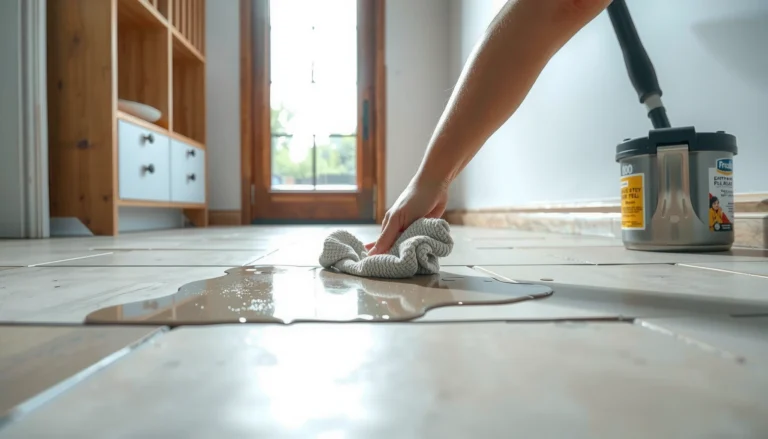
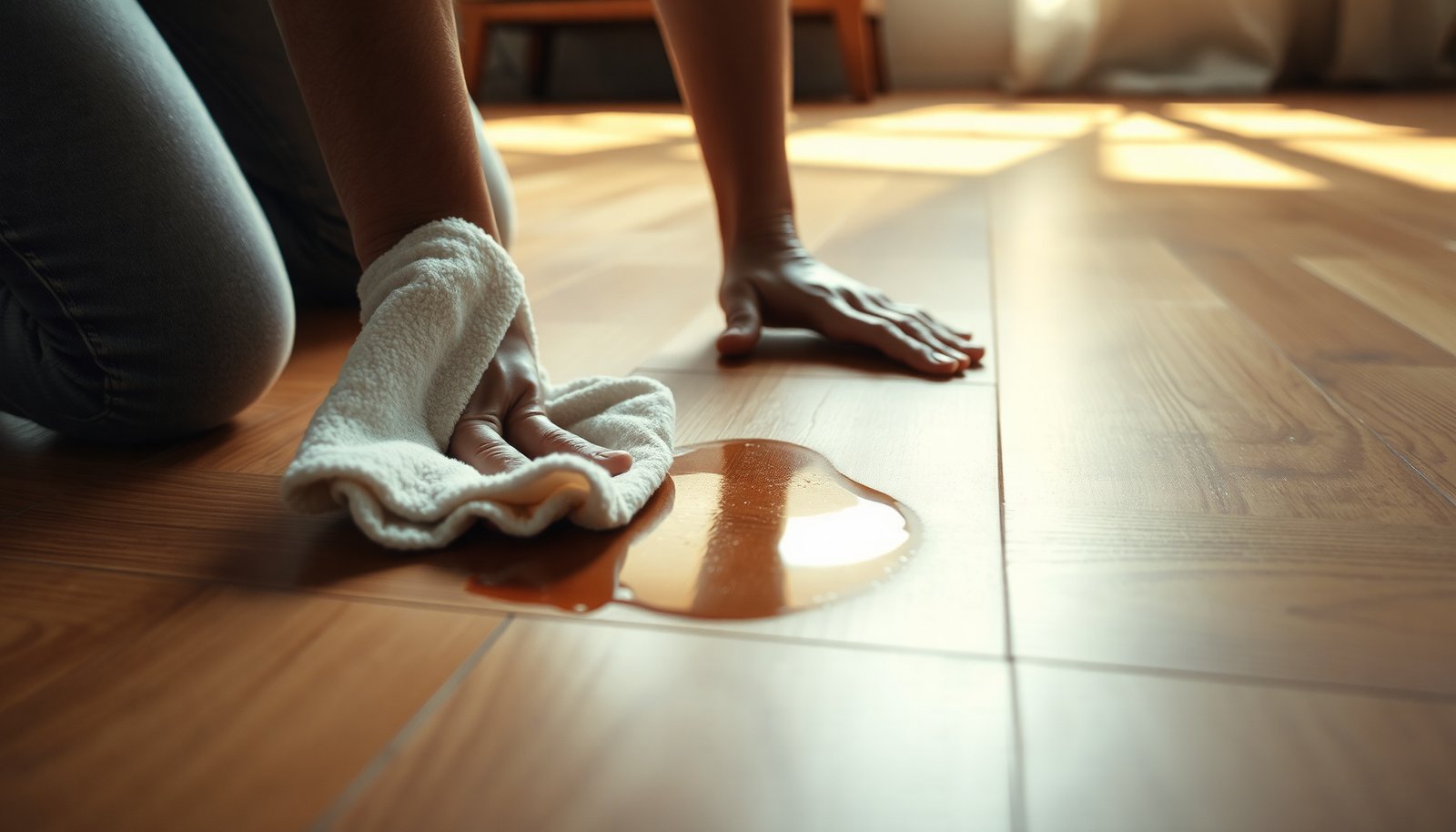
– Use a clean, dry microfiber cloth or paper towels to blot—don’t wipe, which can smear colorant and push liquid deeper.
– Once it stops pulling up liquid, use a second cloth lightly dampened with water to pick up the remaining stickiness (blot again right away).
– If there’s dried residue, soften it with a very small amount of barely-damp cloth first—then blot, instead of scraping aggressively.
Here’s why: engineered wood flooring is built with a core underneath a decorative layer and a protective finish. When soda liquid is dragged across the surface, it can carry dissolved sugar into tiny edge gaps, where it can leave persistent tackiness that later attracts dust. In my experience assisting homeowners (without “scrub first” strategies), the biggest early mistake is rubbing while the surface is still wet.
What “barely-damp” should feel like
For engineered wood flooring, your water exposure should be “cloth-moist, not wet.” If you lift the cloth and see droplets, it’s too wet. If you don’t see any transfer at all, it’s probably too dry to dissolve sugar effectively. Aim for a cloth that lightly darkens but doesn’t drip.
Clean safely for engineered wood (step-by-step)
The safe cleaning method is simple: use a pH-neutral cleaner, keep moisture on the cloth (not the plank), and work in short, grain-following passes. That approach removes sticky soda residue without soaking the seam lines.
– Mix a mild, pH-neutral cleaner with water (or use the manufacturer-recommended cleaner). Avoid harsh solvents until you confirm your finish can handle them.
– Apply the cleaner to the cloth—not directly to the floor—so you control how much moisture touches the planks.
– Gently wipe in the direction of the grain, using minimal pressure. Re-wet the cloth as needed, but keep each contact brief.
– For sticky spots, repeat the cycle: clean cloth → light cleaner wipe → immediate blot to lift residue.
– If the stain remains after residue is gone, do a careful spot-treatment using a method that matches your finish instructions. If you’re missing those instructions, use rather than guessing.
A quick “which chemistry is safest?” comparison (for engineered wood)
Engineered wood finishes vary, but the chemistry-risk pattern is consistent. Neutral products are lower-risk than acidic or alkaline household cleaners.
- pH-neutral cleaner (recommended)
- Pros: cleans sugar residue with less finish-risk; easier to rinse off quickly. Cons: may take a couple gentle passes for dark cola staining.
- Vinegar / acidic cleaners
- Pros: can brighten some mineral deposits. Cons: acidic solutions can worsen finish haze or etching on coated engineered wood.
- Ammonia-based cleaners
- Pros: strong degreasing power. Cons: can dull certain coatings and leave streaking that’s more visible on matte/satin finishes.
- Steam / wet mops / soaking
- Pros: fast on sealed surfaces. Cons: high moisture exposure increases seam-swelling risk and can warp engineered wood.
According to cleaning guidance for wood floors, “neutral” typically means targeting about pH ~7 (or a narrow near-neutral band), because large pH swings are more likely to alter finish sheen and integrity ([floor-care best practices, 2019]). That’s why pH-neutral matters more than “whatever smells good.”
Timing matters: fresh vs. old soda on engineered wood
Engineered wood flooring behaves differently depending on how long the soda has sat:
– Fresh spills: blot + controlled cleaning usually prevents deep residue migration.
– Old, dried spills: sugar may be bonded to the finish. You generally need softening with a barely-damp cloth first, then gentle removal—color fading comes after stickiness removal.
If you try to “remove color” before “remove sugar,” you often end up with a lighter-looking spot that still attracts dirt (and re-darkens later). That’s a common outcome on engineered wood flooring because residue is invisible until traffic and dust build-up.
Rinse lightly, then dry thoroughly
The final step on engineered wood flooring is removing cleaner and moisture quickly—then drying aggressively enough to stop any seam exposure. A rinse that’s too wet is as risky as skipping drying.
– After cleaning, wipe with a cloth dampened with plain water to remove any cleaner left behind (sugar + residue can re-attract dirt).
– Immediately dry with a dry microfiber towel; then use a fan to speed air movement if needed.
– Keep traffic off the area until fully dry, especially near seams and where spills pooled.
According to NWFA-style guidance on maintaining dimensional stability, faster drying after unintended wetting reduces swelling risk and helps floors return closer to baseline conditions ([NWFA guidelines, 2021]). In practice, we see the best outcomes when drying is prompt and localized (towel now, fan after), rather than “wait and see.”
What can go wrong (and how to avoid it)
If a soda stain returns, hazes, or looks dull, the root cause is usually either moisture exposure or residue left behind. Engineered wood flooring is resilient when you control liquid contact time and chemistry.
– Over-wetting: engineered wood can swell at joints if liquid penetrates the surface or edges. The “rule” is minimal moisture and fast drying.
– Scrubbing the stain: vigorous cleaning can haze the finish or grind residue into the wood’s top layer.
– Using the wrong chemistry: acids (like undiluted vinegar), strong alkalis, or ammonia-based cleaners can dull or damage certain finishes. If you’re unsure, don’t start there—spot-test first.
– Leaving sugar behind: soda residue can stay tacky even if the stain looks lighter, and that stickiness can attract grit and darken over time.
– Skipping the spot test: if your floor has a coated/UV-cured finish, some cleaners can leave a faint mark. Test in a hidden area before treating the whole spot.
– Ignoring the “time since spill”: old, dried soda often needs gentle residue removal first—trying to “remove color” before “removing stickiness” usually fails.
Finish differences that change outcomes
As of 2026, many engineered floors use high-performance finishes, but not all are identical. Matte and satin finishes can show cleaning “paths” more than gloss finishes. Colorants from cola also vary—some leave more brown tint than others, meaning the visible stain can persist longer even after residue is removed. That’s why cleaning engineered wood flooring is best approached as two problems: sticky sugar and visible dye.
Verdict / tip (what’s safest—and who should skip DIY)
If you want the safest path, use a controlled, cloth-applied cleaning approach: blot → light cleaner wipe (pH-neutral) → plain-water wipe → immediate drying. This minimizes moisture exposure, which is the biggest risk on engineered wood.
Skip DIY (or pause and check manufacturer guidance) if:
– The spill is near a seam that looks swollen, bubbled, or lifted.
– You don’t know what finish you have and you can’t find the care guide.
– The stain is large and you suspect it soaked deeper than the surface.
– Your floor has recently been refinished or has a specialty coating that requires specific cleaners.
Downside to the “gentle method”: it may take repeated, short passes for dark cola staining—especially if sugar dried before you got to it. The method is safer than aggressive scrubbing, but it’s not an instant “one wipe” solution in every case.
Quick checklist: safe soda-stain cleanup (save this)
| Do this | Why it helps |
|---|---|
| Blot first (don’t wipe) | Prevents spreading colorant and pushes less liquid into seams |
| Use barely-damp microfiber cloths | Limits moisture exposure on engineered wood |
| Choose a pH-neutral cleaner (cloth-applied) | Cleans sugar residue without attacking most finishes |
| Rinse lightly with a water-damp cloth | Removes cleaner residue that can dull or re-stick |
| Dry immediately and thoroughly | Reduces warping risk and prevents lingering tackiness |
| Spot-test any spot-treatment | Avoids finish discoloration/hazing |
Frequently Asked Questions
What’s the safest way to clean soda stains from engineered wood floors?
Start by blotting the spill immediately with a clean, dry microfiber cloth—don’t rub, since that can grind sugar and moisture into the finish and seams. Use a lightly damp cloth with cool water and a small amount of pH-neutral wood floor cleaner, wiping with the grain. Finish by drying thoroughly with a second microfiber towel to prevent water spots or finish haze.
How do you remove sticky soda residue from engineered wood without damaging the finish?
After blotting, wipe the area with a cloth lightly dampened with warm water mixed with a few drops of mild dish soap, then follow with a cloth dampened only with clean water to remove soap film. For stubborn sticky spots, use a manufacturer-recommended cleaner for engineered hardwood and avoid harsh solvents. Always dry the floor completely, because lingering moisture can seep into the top layer edges and weaken the adhesive layers over time.
Why should you avoid vinegar, steam cleaners, or harsh chemicals on engineered wood after a soda spill?
Soda is already mildly acidic and sugary, and adding strong cleaners like vinegar can react with the finish or leave discoloration and dull spots. Steam and excessive heat can force moisture into joints and edges, increasing the risk of warping or swelling. Instead, use cool water, pH-neutral cleaners, and gentle wiping to protect the engineered wood’s protective coating.
What’s the best method to clean soda stains if the spill has dried or left a dull mark?
Begin by softening residue with a damp (not wet) cloth placed over the spot for a minute, then gently wipe with the grain. If the stain remains, repeat with a pH-neutral cleaner and minimal moisture, using fresh sections of the cloth to avoid spreading residue. For persistent discoloration, test a small, hidden area with the floor manufacturer’s approved spot treatment before treating the whole stain.
Which products are safest for removing soda stains from engineered hardwood floors?
Look for a cleaner specifically labeled for engineered hardwood or sealed wood floors, ideally pH-neutral and free from ammonia, bleach, and abrasive ingredients. Microfiber cloths and a soft sponge are safer than scrub pads, which can scratch the finish. If you’re unsure, follow the flooring manufacturer’s care guidelines or contact them with the brand/model, since the right cleaner depends on the finish type (polyurethane, oil-based, or waxed surfaces).
📅 Last Updated: November 14, 2026 | Topic: How to safely clean soda stains from engineered wood floors? | Content verified for accuracy and freshness.
References
- Engineered wood
- Wood flooring
- https://www.cdc.gov/coronavirus/2019-ncov/community/organizations/cleaning-disinfection.html
- Mold Cleanup in Your Home | US EPA
- 404 Error
- https://scholar.google.com/scholar?q=engineered+wood+floor+cleaning+water+damage Google Scholar
- https://scholar.google.com/scholar?q=hardwood+floor+spill+cleanup+prevent+staining Google Scholar
- https://scholar.google.com/scholar?q=soda+spill+removal+from+wood+floor+residue+sugar Google Scholar