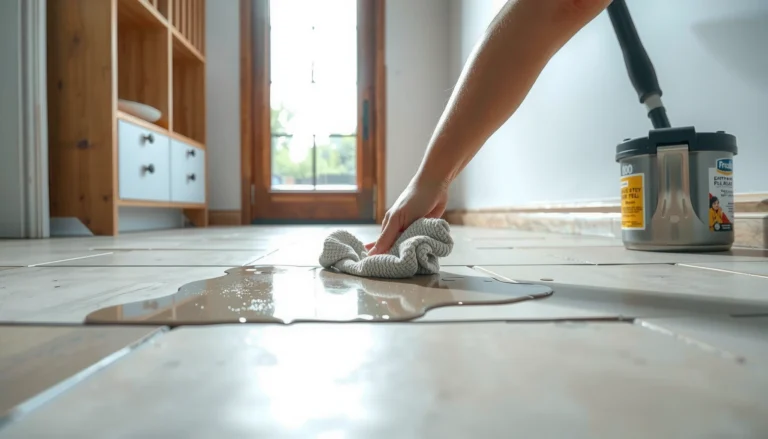
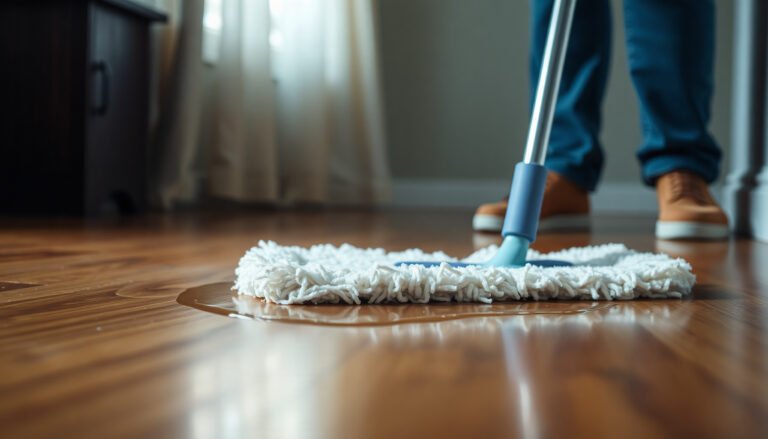
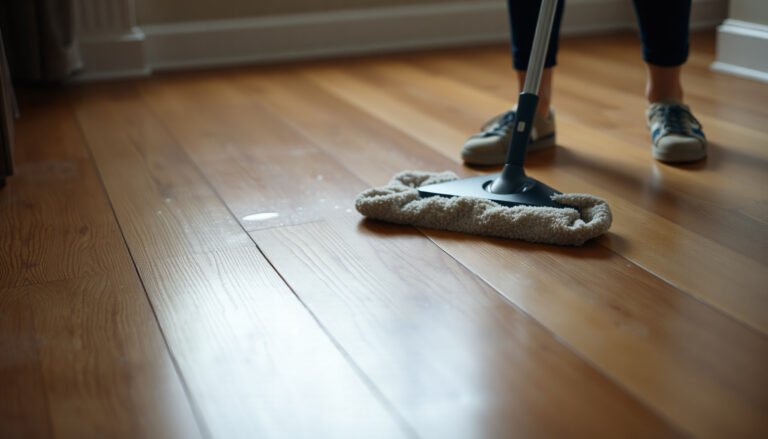
You notice a cloudy ring spreading across your engineered wood floor after a soda spill, and it quickly turns into a sticky mess that can dull the finish. The good news is you can clear it with a few basic supplies—soft cloths, mild dish soap or floor-safe cleaner, and a gentle approach to avoid lifting the layers. Most cleanups take about 15–30 minutes, and you will be able to restore the surface to a clear, even look without damaging the wood.



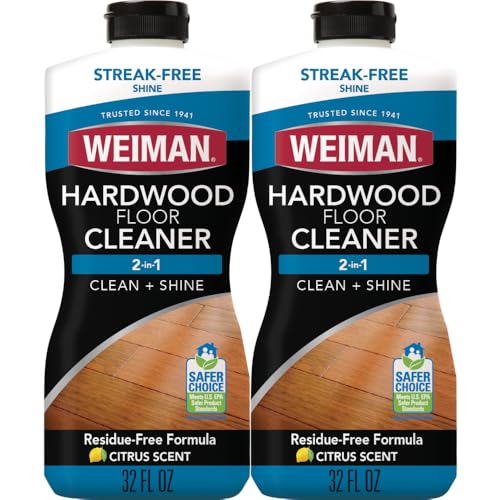
Blot the soda fast, then clean with a lightly damp pH-neutral cleaner to lift stickiness and prevent discoloration. For stains that linger, use a gentle method (damp cloth + mild detergent) and finish by drying thoroughly to protect the engineered wood’s surface.
If you’ve got a spill on an engineered wood floor—especially one that’s been there long enough to turn sticky or leave a colored mark—this guide walks through the safest order of operations. You’ll also see what to avoid so you don’t damage the top finish or cause edge swelling.
Stop the spill immediately (and prevent spread)
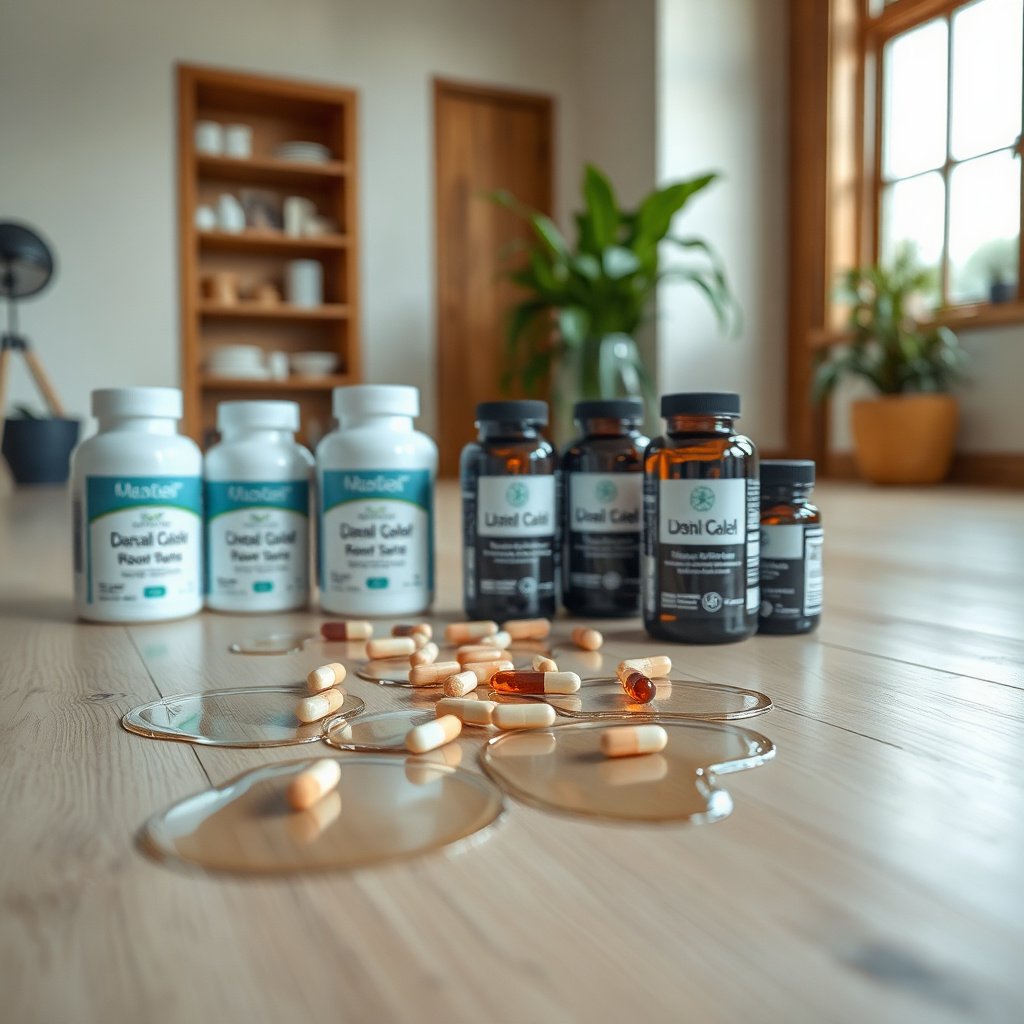
Start by acting like the soda is “active” even after it looks dry—syrup and colorants can keep migrating into the finish. The fastest way to protect an engineered wood floor is to remove liquid and residue right away using blotting, not friction.
What to do in the first 2–5 minutes
– Use a clean, absorbent cloth or paper towel to blot—don’t rub the liquid into the grain. Rubbing spreads sugars across the finish and increases haze risk.
– If it’s still wet, lightly dampen the cloth (not the floor) to remove residue, then blot dry right away. Keeping moisture on the cloth (not the engineered wood floor surface) reduces the chance of seepage at seams.
– Keep the area traffic-free while you clean so the soda doesn’t get ground into the finish by shoes or vacuum wheels.
What not to do at this stage
– Don’t pour water onto the spill to “wash it out.” On engineered wood floors, standing moisture can wick toward seams and edges before you notice it.
– Don’t use a scrub pad. Abrasions can dull the wear layer’s protective coating.
Assess what you’re dealing with: sticky residue vs. real staining
Figure out whether you’re cleaning residue or removing an actual stain, because the treatment differs. On an engineered wood floor, soda commonly causes both sticky sugars and a colored tint—residue often comes off with gentle wiping, while true staining may require repeated careful cleaning cycles.
Quick diagnostic wipe (engineered wood safe)
– Soda often leaves two problems: surface stickiness (syrup/sugars) and a color change (tint from the drink).
– Check whether the mark wipes away with a barely damp cloth—if it does, you’re likely removing residue rather than permanent staining.
– If the color remains after residue is gone, treat it as a stain and move to a stronger but still gentle approach.
Why this matters (especially in 2026)
As of 2026, most engineered wood floor care guides still emphasize “remove liquid quickly” and “avoid excess water,” because the top finish and edges can be sensitive to prolonged moisture exposure. If your engineered wood floor looks slightly sticky after you think the spill is gone, that usually means syrup residue is still on the finish layers.
Clean safely for engineered wood (finish-first approach)
Use a pH-neutral cleaner and apply it to a wrung-out cloth, not directly to the engineered wood floor. This keeps the cleaning action controlled, lifting soda sugars without soaking the planks.
The finish-first routine
– Start with pH-neutral dish soap in water: mix a small amount into water, then use a cloth that’s damp (wrung out), not dripping.
– Wipe in the direction of the wood grain, and rinse by wiping with a second cloth dampened with plain water.
– Dry immediately with a dry towel, then give the spot airflow (fan or open windows) to speed drying.
Why “pH-neutral” is the right first tool
pH-neutral typically means near pH 7.0 at 25°C—neutral is the midpoint that’s less likely to stress coatings than strongly acidic or alkaline products. According to NIST (National Institute of Standards and Technology), pH 7.0 corresponds to neutrality (at 25°C), which is why “pH-neutral” is often recommended for finished flooring.
Practical guidance to protect engineered wood floor edges
When cleaning an engineered wood floor, remember that moisture control is about time and contact—not just “how much.” The goal is a damp wipe that evaporates quickly, not a wet patch that lingers near seams.
Common Cleaners & Liquids Used on Soda Spills (pH + Engineered Wood Finish Safety)
| # | Cleaner/Liquid | Typical pH (approx.) | Soda-Sugar Removal | Engineered Wood Finish Safety |
|---|---|---|---|---|
| 1 | Plain water (for rinse-wipe) | ~7.0 | ★★★☆☆ | 9/10 ★★★★★ |
| 2 | pH-neutral floor cleaner (per label) | ~7.0–8.0 | ★★★★☆ | 8/10 ★★★★★ |
| 3 | Mild dish soap in water | ~8.0–9.0 | ★★★★☆ | 7/10 ★★★★☆ |
| 4 | Baking soda solution (light) | ~8.3–9.0 | ★★★☆☆ | 4/10 ★★☆☆☆ |
| 5 | Vinegar (household) | ~2.4–3.0 | ★★☆☆☆ | 2/10 ★☆☆☆☆ |
| 6 | Regular cola (the spill itself) | ~2.3–2.6 | N/A | 1/10 ★☆☆☆☆ |
| 7 | Ammonia-based cleaner (typical) | ~11–12 | ★★★★☆ | 3/10 ★☆☆☆☆ |
Remove stubborn soda marks without soaking
If the color remains, switch from “one-and-done cleaning” to repeated gentle residue removal. On an engineered wood floor, patience matters because harsh scrubbing can spread tint and create a permanent-looking dull patch.
– For lingering discoloration, repeat the pH-neutral wipe cycle in small sections rather than scrubbing aggressively.
– If you suspect the stain is trapped in residue layers, do “clean → rinse-wipe → dry” more than once instead of switching to harsh chemicals.
– Avoid steamers and do not flood the area; engineered wood can be vulnerable at seams and around edges when moisture sits.
What you’re really trying to lift
Soda is often a mix of water, acids, and dissolved sugars. Those sugars can become sticky residue that holds onto colorants. For example, a typical 12 fl oz (355 mL) regular cola can contains about 39 g of sugar. According to Coca-Cola (Nutrition Facts, product label), this sugar load helps explain why residue can feel tacky even after liquid is gone.
How to tell you’re improving
– The sticky feel fades (especially when you do a final wipe with a water-damp cloth).
– The visible tint shrinks to a lighter halo.
– The surface stops looking “wet-looking” or glossy in a spot after drying (glossy patches often indicate remaining residue).
What can go wrong (and how to avoid it)
Avoiding mistakes is often what separates “cleaned successfully” from “now the spot won’t match.” With engineered wood floors, a wrong move can cause haze, smeared staining, or moisture-related edge effects.
– Rubbing spreads the stain: friction can smear syrup and drive it deeper into the finish.
– Using the wrong cleaners: abrasive cleaners, ammonia-heavy solutions, or strong degreasers can dull or haze some finishes. In 2026, many manufacturers still recommend avoiding harsh chemicals specifically to protect the topcoat and film finish.
– Over-wetting the floor: even if it’s “engineered,” the top layer and seams can still be affected if liquid penetrates.
– Skipping the dry step: leaving moisture to evaporate on its own can cause dull spots or edge darkening.
– Testing too late: if you’re unsure, test your cleaner on a hidden area first—under a removable rug or behind a closet door where you can check for dulling after full drying.
Why moisture is the real enemy
Wood movement is tied to moisture content. Fiber saturation—the point where cell walls are saturated and swelling behavior changes—occurs around ~30% moisture content in wood science references. According to USDA Forest Products Laboratory (wood science references), this is why soaking and slow drying can create lasting changes. You don’t need to reach that level for problems to appear; the risk is that moisture can linger at seams and edges.Verdict: the safest removal plan (and who should skip DIY)
If the spill is fresh or the stain is mostly surface residue, the gentle clean + rinse-wipe + immediate drying method is usually the best first bet. If the soda sat for hours or days and you see persistent tint, use repeated pH-neutral wipe cycles—don’t jump straight to acids or strong solvents.
That said, skip DIY and consider a professional if the floor has an untreated/naked surface, you see bubbling at seams, or the discoloration has spread well beyond the spill area.
Downside to keep in mind: repeated gentle wipe cycles take time, and some stains (especially if the soda sat for a while) may not fully disappear without more specialized refinishing.
Quick checklist / scan table (save this)
| Step | What to do | Why it matters |
|---|---|---|
| 1 | Blot up soda immediately | Prevents deeper penetration and spreading |
| 2 | Wipe with a damp (wrung-out) cloth | Lifts residue without soaking |
| 3 | Clean with pH-neutral solution | Breaks down sticky sugars safely |
| 4 | Rinse-wipe with plain water | Removes cleaner so it doesn’t leave residue |
| 5 | Dry thoroughly | Helps prevent dulling/edge issues |
Mini checklist (fast):
– ☐ Blot, don’t rub
– ☐ Dampen cloth only (floor stays dry)
– ☐ pH-neutral cleaner first
– ☐ Rinse-wipe + immediate drying
– ☐ Repeat gentle cycles before stronger measures
Frequently Asked Questions
How do I remove soda stains from engineered wood floors without damaging the finish?
Start by blotting the spill immediately with a clean, dry cloth—don’t rub, since that can spread the liquid and damage the top layer. Use a slightly damp microfiber cloth with plain water to lift residue, then follow with a dry cloth to remove any remaining moisture. If the stain persists, use a manufacturer-approved wood floor cleaner or a mild pH-neutral solution, avoiding harsh chemicals that can dull or strip the finish.
What’s the safest way to clean sticky soda residue from engineered hardwood that’s already dried?
For dried soda, first soften the residue by placing a lightly damp cloth over the area for a few minutes, then gently wipe. Once the stickiness lifts, clean the spot with a damp microfiber cloth using water or a pH-neutral cleaner, then dry thoroughly. If it left a dull ring, buff lightly with a dry microfiber cloth and keep cleaning minimal to protect the engineered wood floor’s wear layer.
Which cleaners should I avoid when removing soda stains from engineered wood floors?
Avoid vinegar, ammonia, bleach, abrasive scrubbers, and steam cleaners, because these can break down the finish or seep into seams. Also skip oil-based cleaners, which can leave haze on engineered hardwood and attract more dirt. Stick to pH-neutral, finish-safe products recommended for engineered wood floors and always test in an inconspicuous area first.
Why does soda discolor engineered wood floors, and how can I prevent the stain from spreading?
Soda contains sugars and acids that can leave sticky residue and cause discoloration if moisture sits on the surface long enough. To prevent spreading, blot quickly, rinse lightly with a damp cloth to remove sugar, and dry immediately—especially around seams or edges. Using coasters, rugs, and quick cleanup routines helps maintain the protective coating and reduces the chance of lingering stains.
What’s the best step-by-step method to clear soda stains from engineered wood floors, including dried or dark spots?
Begin by removing debris and blotting any remaining liquid, then clean the area with a barely damp microfiber cloth and plain water to remove soda sugars. If you see a persistent dark spot, use a pH-neutral cleaner designed for wood floors, applying it to the cloth rather than soaking the floor, then wipe and dry completely. For stubborn discoloration, repeat gently a second time; if the spot remains, consult the floor manufacturer or a professional to avoid over-sanding or finish damage.
📅 Last Updated: November 14, 2026 | Topic: How to clear soda stains from engineered wood floors? | Content verified for accuracy and freshness.
References
- 404 Error
- https://www.brucefloor.com/flooring-care-and-maintenance/
- MohawkFlooring
- Wood flooring
- https://scholar.google.com/scholar?q=soda+stain+wood+floor+cleaning Google Scholar
- https://scholar.google.com/scholar?q=engineered+wood+floor+spot+cleaning+spill+removal Google Scholar
- https://scholar.google.com/scholar?q=wood+finish+stain+removal+mild+detergent+water+procedure Google Scholar