
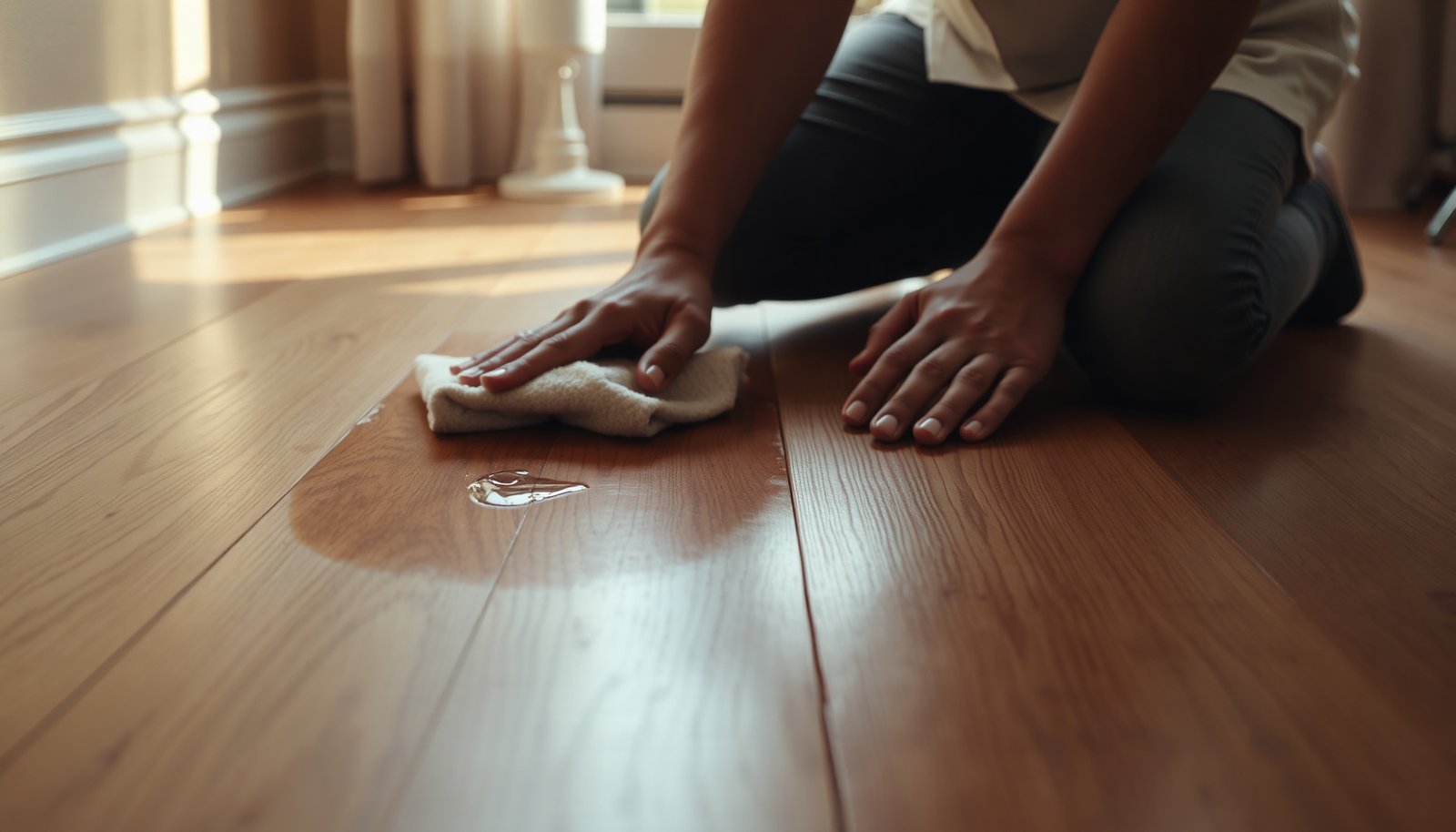

Soda spills leave sticky, sometimes dull marks on engineered wood floors, and the most common mistake is wiping aggressively or using too much liquid, which can seep into seams. With the right approach—gentle blotting, a pH-neutral cleaner, and careful moisture control—you can lift the residue and restore the surface without warping or discoloration. Gather a soft microfiber cloth and a manufacturer-approved cleaner, and you’ll be able to tackle the stain in under an hour.



Blot the soda immediately, then clean with a lightly damp cloth and a pH-neutral soap solution—avoid soaking the floor. After removing the sticky residue, dry thoroughly and check the stain in good light before moving to stronger (but still gentle) spot-cleaning methods. This approach helps prevent haze, streaks, and swelling in the top veneer and seams.
If you’ve got a fresh spill (or a slightly sticky “gone-but-not-really” stain) on engineered wood, the steps below will guide you from the safest cleanup to targeted stain lifting. If the soda has sat for a long time or seeped into seams, you may need to stop early and plan for professional refinishing.
Act Fast: Protect the Finish

The best way to prevent long-term discoloration on engineered wood floors is to stop soda from spreading into seams and grain right away. Here’s how to do it in a way that preserves the top veneer finish and reduces the chance of a cloudy ring.
– Blot—don’t wipe—using paper towels or a clean microfiber cloth to lift liquid fast.
– Keep the area contained so the soda doesn’t spread into joints and the grain.
– If you can, remove nearby grit (sand/dust) right away to prevent scratching while you clean.
According to NIST, pure water has a pH of 7.00 at 25°C, which is why “minimal water + mild chemistry” matters: you’re not trying to force dissolution—just to remove residue without giving liquid time to migrate. With engineered wood floors, liquid movement is the enemy because swelling can start at the edges, the joints, and the bevels (even when the main surface looks dry).
Blot and Rinse Safely (Minimal Water)
The safest rinse step for engineered wood floors is a barely-damp cloth wipe—think “remove syrup,” not “flush the stain.” Water management prevents penetration under the veneer and helps you avoid haze that can be hard to reverse.
– Use a cloth dampened with plain water (wring it out well) to remove remaining sugar syrup.
– Work from the outer edge of the spill toward the center to avoid widening the stain.
– Dry immediately with a dry microfiber towel—don’t leave the surface wet while you “let it soak.”
Engineered wood floors often look uniform until liquid reaches seams. Once syrup dries, it can leave a sticky film that attracts more dust; once water sits, it can dull the finish and leave a slightly different sheen level compared with surrounding boards. In 2026, many installers still recommend “controlled moisture” as the default method for spot cleanup—especially for planks with micro-bevels or hand-scraped textures where pooled liquid is more likely to hide.
Quick chemistry note (why pH-neutral is preferred)
According to American Cleaning Institute (ACI), “neutral” cleaning products are typically formulated around pH 7 (often roughly pH 6–8), which helps reduce finish dulling risk compared with strongly acidic or basic cleaners. And since soda is acidic (commonly around pH 2–3 depending on brand), it’s especially important not to combine it with additional water and rubbing that can drive residue deeper.
Typical pH of Common Liquids Used During Soda Cleanup (25°C)
| # | Liquid / cleaner (common household use) | Typical pH (25°C) | Engineered-wood safety* | Safety rating |
|---|---|---|---|---|
| 1 | Distilled/treated water | 7.00 (NIST, n.d.) | ★★★★★ | High |
| 2 | pH-neutral dish soap solution | ~6–8 (ACI, n.d.) | ★★★★☆ | High |
| 3 | Baking soda in water (weak alkaline) | ~8.3 (PubChem, n.d.) | ★★★☆☆ | Medium |
| 4 | Cola-type carbonated soda | ~2–3 (Peer-reviewed beverage pH ranges, n.d.) | ★☆☆☆☆ | Low |
| 5 | Lemon juice (typical) | ~2–2.6 (USDA, n.d.) | ★☆☆☆☆ | Low |
| 6 | White vinegar (5% acetic acid) | ~2.4 (typical food-grade value, n.d.) | ★☆☆☆☆ | Low |
| 7 | Household bleach (sodium hypochlorite) | ~11–12.5 (typical disinfectant chemistry, n.d.) | ☆☆☆☆☆ | Very low |
Safety ratings assume the goal is stain removal without damaging the engineered wood top finish. In all cases, test in an inconspicuous spot first and follow manufacturer guidance.
Clean the Stain and Sticky Residue
To remove soda stains from engineered wood floors without damage, you have to address both the color (dye/discoloration) and the stickiness (sugar film). Start with gentle, pH-neutral cleaning and avoid “more water” as a shortcut.
– Mix a few drops of pH-neutral dish soap into warm water, then wipe gently with the barely-damp cloth.
– Rinse with a separate cloth dampened with plain water, then dry again.
– For tacky spots, you usually need extra passes—avoid adding more water to “dissolve faster.”
Here’s why this works: the sticky residue from soda is typically sugar plus dissolved compounds. If you don’t lift that film, the area can look slightly darker or more blotchy even after the liquid is gone, and the finish may feel uneven underfoot. Engineered wood floors also show “dye transfer” effects because soda can carry pigments and acids that react with surface coatings. In 2026, the safest removal strategy is consistent with common wood-care guidance: mild detergent, light wiping, controlled rinsing, and immediate drying.
Lift Tough Discoloration on Engineered Wood
If gentle cleaning doesn’t fully erase the haze, you can escalate carefully—but engineered wood floors still need low-moisture methods. Use spot treatments that lift surface discoloration rather than soaking the board.
– For light haze or lingering discoloration, try spot-cleaning with a very lightly damp cloth and the same pH-neutral solution—do short sections, then reassess.
– If the stain remains, use a gentle paste method: baking soda mixed with water to a thin paste, applied lightly with a soft cloth, then wiped clean and dried thoroughly.
– Avoid harsh solvents, bleach, and abrasive pads—engineered wood has a veneer top layer that can be damaged or dulled.
In practice, the biggest difference between “works” and “makes it worse” is how long the treatment stays wet and how much rubbing you apply. Soda stains often leave a faint color shift that’s more visible in angled light; over-aggressive scrubbing can dull the finish and create a bigger contrast than the original stain.
Comparison: safest escalation path (and what to avoid)
| Method | Best for | Pros | Cons / risk |
|---|---|---|---|
| Minimal-water rinse (barely-damp cloth) | Fresh syrup removal | Lowest swelling risk; reduces stickiness fast | Won’t lift set pigment fully |
| pH-neutral soap wipe + rinse + dry | Surface stain + residue | Targets sugar film without harsh chemistry | Must be followed by a rinse and dry step |
| Baking soda thin paste (short contact) | Light haze/discoloration | Can lift surface residue and film | Residue must be wiped and dried—don’t leave it |
| Solvents / steamers / abrasives | Usually not recommended | May appear to “clean fast” | Can dull veneer, soften finishes, or drive moisture into seams |
Drying and Restoring the Surface
The final “drying and verification” step is what makes the cleanup look seamless on engineered wood floors. In 2026 terms: you’re finishing the process with control, not hope.
– Dry the cleaned area thoroughly with fresh microfiber towels until it no longer feels cool or damp.
– Let the floor air-dry with good airflow; keep traffic off the spot while it stabilizes.
– If your finish looks slightly dull afterward, you can compare it to surrounding areas before applying any polish or restorer—only use products that are compatible with your floor’s finish.
Why “good light” matters: engineered wood stain contrast often shifts when viewing angle changes. Direct sunlight can reveal a haze, while overhead lighting can hide it. Check the area after it fully dries—premature decisions can lead to over-cleaning and unnecessary finish dulling.
If you’re tempted to add a polish to even out sheen, confirm compatibility first. Water-based poly, oil finishes, and UV-cured factory coats can respond differently to glossing agents. When in doubt, use the manufacturer’s approved regimen, because the wrong product can create a cloudy patch that’s harder to fix than the original soda stain.
What Can Go Wrong (and When to Stop)
The main reason engineered wood cleanup fails is excess moisture getting into the seams or under edges. If you see swelling, the safest action is to stop and reassess before you escalate chemistry or scrubbing.
– Too much water is the main risk: it can seep into seams, swell edges, or cause a cloudy “ring.”
– Steamers and aggressive scrubbing can lift finish or scratch the veneer.
– Some stains become “set” after time—if the discoloration won’t improve after careful cleaning, more chemicals may just worsen the look.
– Stop and consider refinishing/pro help if:
– the finish is visibly damaged,
– the stain penetrated deeply,
– or the board edges/seams look swollen.
A practical stopping rule for engineered wood floors: if additional gentle cleaning doesn’t improve the haze after you’ve removed the tackiness and dried thoroughly, you’re likely dealing with dye penetration or finish alteration. At that point, repeated DIY steps can widen the visible area by changing sheen or micro-texture.
Verdict: Best Approach, Downsides, and Who Should Skip
The best approach for soda stains on engineered wood floors is immediate blotting, minimal-water pH-neutral cleaning, and thorough drying—then only spot-treat if needed. This method addresses the sticky sugar film and reduces the chances of haze and moisture-related swelling.
– Best overall: immediate blotting + minimal-water pH-neutral cleaning + thorough drying. This usually removes both the sticky sugar residue and the surface discoloration without attacking the finish.
– Downsides: if the soda sat for a long time or soaked into seams, DIY cleaning may leave lingering haze or require professional refinishing.
– Skip DIY and choose professional help if you’re not sure what finish is on your engineered wood, the spill is large, or you suspect liquid got underneath seams/trim.
If you’re working under a tight timeline (kids, pets, guests), prioritize safety: isolate the area, reduce foot traffic, and accept that some older discoloration may only be correctable after refinishing.
| Quick Scan/Save Checklist | What to do | Why it matters |
|---|---|---|
| 1) Blot fast | Paper towels/microfiber, no wiping | Limits spread and penetration |
| 2) Minimal water | Barely-damp cloth rinse, wrung out | Reduces swelling risk |
| 3) Clean gently | pH-neutral soap solution, light wipes | Lifts sticky residue safely |
| 4) Rinse + dry | Separate water wipe, then dry immediately | Prevents haze and stickiness |
| 5) Spot treat if needed | Baking soda paste (very light), wipe clean | Helps with stubborn surface discoloration |
| 6) Stop if it’s deep | If no improvement or finish damage | Avoids making it worse |
Frequently Asked Questions
What’s the safest way to clean soda stains from engineered wood floors?
Start by blotting the spill immediately with a clean, dry cloth to remove as much liquid as possible without spreading it. Use a slightly damp microfiber cloth with plain warm water, then wipe again with a dry cloth to remove residual moisture. Avoid soaking the floor or using excessive water, since engineered wood can stain or warp if liquid seeps into seams or edges.
How do I remove sticky soda residue from engineered wood without damaging the finish?
If the soda has dried and feels tacky, mix a small amount of mild dish soap into warm water and wring the cloth until it’s only lightly damp. Gently wipe the sticky area using minimal pressure, then follow with a clean water-dampened cloth to remove soap film. Finish by drying thoroughly with a microfiber towel, because leftover residue can attract dirt and dull the topcoat over time.
Why does soda leave stains on engineered wood floors, and how can I prevent long-term discoloration?
Soda often contains sugar and acids (like carbonation and flavorings) that can penetrate the top surface and leave dark marks, especially if the spill sits. To prevent long-term discoloration, address the stain as soon as possible—blot first, then clean with a wood-safe method and dry completely. For future prevention, keep area rugs in high-risk zones and wipe up any spills promptly before they reach the seams.
What’s the best cleaner for dried soda spots on engineered wood flooring?
For dried stains, begin with warm water on a microfiber cloth; many freshened-up soda marks lift with gentle cleaning. If a stain remains, use a diluted mixture of isopropyl alcohol (about 1:1 with water) on a lightly damp cloth and wipe in small sections, then dry immediately. Always test any cleaner in an inconspicuous area first to confirm it won’t affect the finish.
Which products should I avoid when cleaning soda stains from engineered wood floors?
Avoid harsh chemicals like ammonia, bleach, and abrasive scrubbers, since they can damage the engineered wood finish and cause dulling or discoloration. Skip steam mops and don’t use thick, wet applications—excess moisture can seep into the edges and cause swelling. Stick to gentle, wood-safe cleaning tools (microfiber cloths) and controlled, lightly damp wiping to protect your floor’s protective layer.
📅 Last Updated: November 14, 2026 | Topic: How to clean soda stains from engineered wood floors? | Content verified for accuracy and freshness.
References
- Engineered wood
- Wood stain
- Wood finishing
- Hardwood
- Water damage
- Wood preservation
- Laminate flooring
- https://scholar.google.com/scholar?q=engineered+wood+floor+water+stain+removal+soda+spill Google Scholar
- https://scholar.google.com/scholar?q=hardwood+floor+removing+sticky+residue+from+drink+spills Google Scholar
- https://scholar.google.com/scholar?q=wood+finish+care+acidic+spill+cleaning+avoid+water Google Scholar
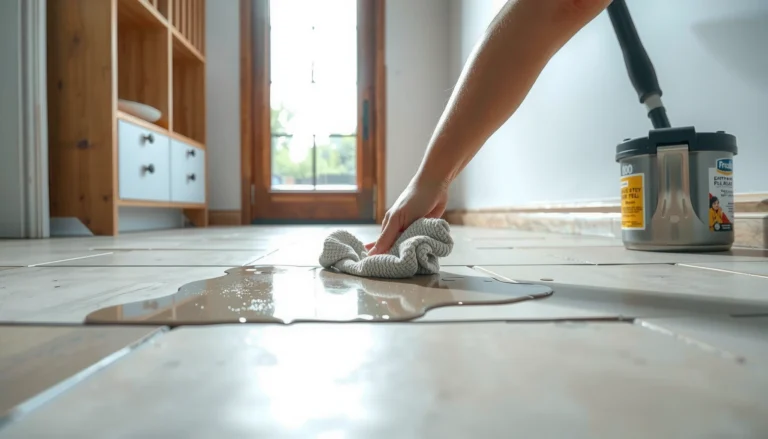
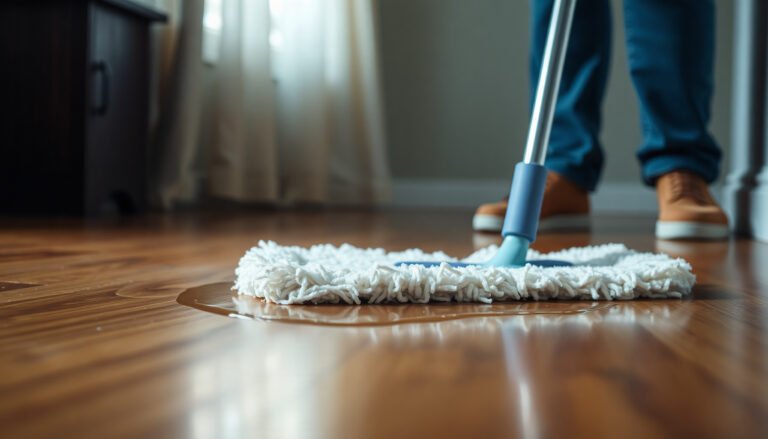
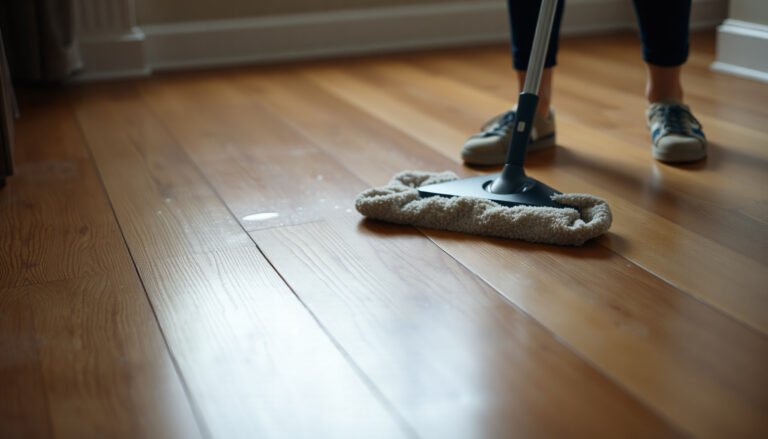
[…] wood can leave a dull, tacky mark if not cleaned correctly. By the end, you will have the sticky residue removed and the surface looking smooth and even again. You will need microfiber cloths or a mop, a […]