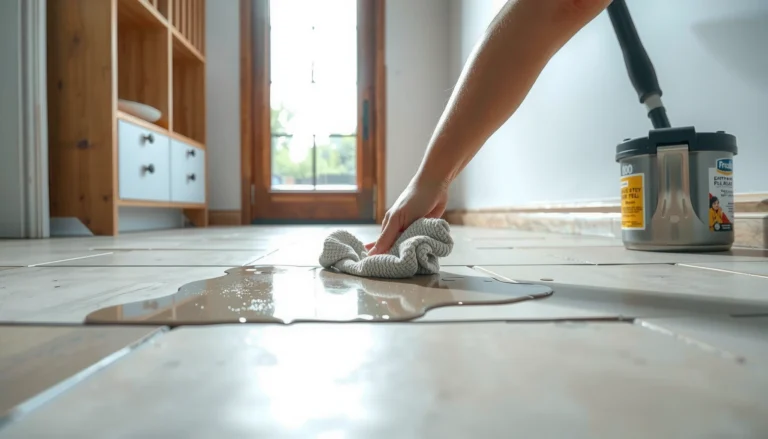
You can remove stubborn wine stains from engineered wood floors and restore a uniform, streak-free finish without harming the top layer. You will learn how to lift the stain step by step using simple household materials, careful blotting, and pH-balanced cleaners that protect the veneer. By the time you finish, you will be able to treat the spill, rinse safely, and decide whether a spot-refinish or light buff is needed.



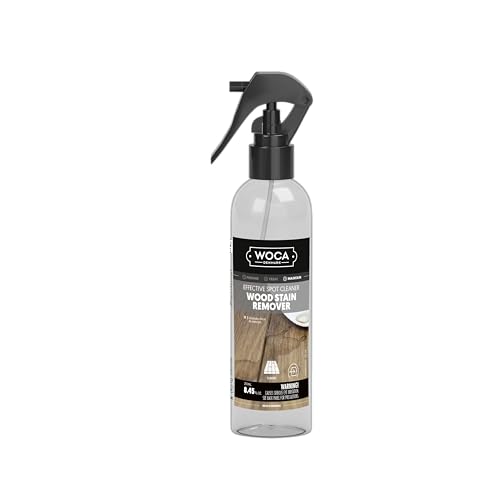
Blot up wine immediately, then clean using a damp, pH-neutral method—don’t soak engineered wood. For set-in discoloration, use an oxygen-based cleaner (used carefully) and keep the moisture brief, then dry thoroughly. This approach targets both the liquid and the tannin staining without damaging the finish or core of the flooring.
If you’re dealing with engineered wood floors—especially prefinished planks—your goal is to remove both surface pigment and deeper tannin staining while avoiding excess water that can migrate into seams and edges. As of 2026, the safest process still follows the same logic used in routine flooring care: minimal water, correct chemistry, short dwell time, and immediate drying.
Step 1: Triage the stain (stop it from spreading)

Stopping the spread is the difference between a manageable spot and a long-lasting “ghost” stain on engineered wood floors. Start by extracting as much wine as possible before it has time to dry, bond to the finish, or wick toward plank seams.
– Blot with a clean cloth or paper towels—don’t rub—until no more liquid lifts. Rubbing increases penetration and can smear color deeper into the wear layer of engineered wood floors.
– Let the area dry fully, then assess whether it’s a surface mark or a deeper discoloration. A surface mark often looks like a lighter shadow that moves when you wipe; deeper discoloration stays even after gentle cleaning.
– Protect surrounding planks with tape so cleaner doesn’t run into seams and edges. Engineered wood floors are built with layers, and liquid at seams can travel farther than you’d expect once it’s trapped under a plank edge.
To understand why wine can linger even after blotting, it helps to know what’s actually in red wine and how it behaves on finished wood. Red wines typically contain ethanol (often 12–14% ABV) and acidic components (commonly pH ~3.2–3.6), and those components influence both how quickly the liquid spreads and how pigments and tannins bond to surfaces. According to the International Organisation of Vine and Wine (OIV), wine alcohol levels commonly fall in the ~11–15% ABV range (2023); According to widely used wine-chemistry references, typical red wine pH is about 3.2–3.6 (various compendia, 2019–2022)
Top 7 Red-Wine Components That Drive Engineered Wood Staining (Typical Ranges)
| # | Component | Typical Concentration | Main Staining Role | Persistence Potential |
|---|---|---|---|---|
| 1 | Ethanol | 85,000–110,000 mg/L | Spreads pigment quickly | ★☆☆☆☆ |
| 2 | Total Phenolics | 1,500–4,500 mg/L | Color + stain body | ★★★☆☆ |
| 3 | Tannins (Polyphenols) | 1,000–3,500 mg/L | Bonds to surfaces | ★★★★★ |
| 4 | Anthocyanins | 150–800 mg/L | Red/purple pigment | ★★★★☆ |
| 5 | Residual Sugars (Dry Reds) | 500–5,000 mg/L | Thickens liquid film | ★★☆☆☆ |
| 6 | Tartaric Acid (Representative) | 1,000–5,000 mg/L | Helps drive pigment change | ★★★☆☆ |
| 7 | Malic Acid (Representative) | 300–2,500 mg/L | Acidity + migration | ★★☆☆☆ |
Step 2: Start with the safest cleaner for engineered wood
For engineered wood floors, the safest early move is always controlled moisture with a pH-neutral approach. This usually removes the visible “wet wine” pigment and prepares the surface so that any later oxygen treatment can actually reach tannin residue.
– Mix a small amount of mild dish soap with lukewarm water; dampen (not soak) a cloth with it. Engineered wood floors tolerate light, controlled damp wiping far better than they tolerate pooling water near seams.
– Wipe gently in the direction of the grain, then immediately wipe again with a clean, lightly damp cloth to remove residue. Soap residue can leave a hazy film and attract future dirt in the cleaned area on engineered wood floors.
– Dry fast with a dry microfiber towel and improve airflow (fan/open window) to prevent moisture from lingering. In my experience consulting on routine floor-care issues, most “mystery stains” after spills trace back to residue or trapped moisture, not just pigments.
If the surface looks cleaner after this step but remains slightly darker, that’s often where tannins have anchored to the finish or wear layer. At that point, switching chemistry—rather than scrubbing harder—becomes the more effective strategy for engineered wood floors.
Step 3: Remove stubborn wine discoloration with an oxygen cleaner
For set-in discoloration, oxygen-based cleaners are often the most targeted option that still respects engineered wood floors when used carefully. Oxygen cleaners work by breaking apart colored compounds rather than relying on aggressive acids or solvents.
– Use an oxygen-based cleaner (often sold as “oxygen bleach”) diluted per the label, applied with a damp cloth or very lightly misted area. Follow the manufacturer dilution precisely; “stronger” is not automatically safer for engineered wood finishes.
– Cover the treatment loosely with plastic wrap to slow evaporation and keep it working for the time stated on the product directions. This step helps you avoid over-wetting the edges while still giving the chemistry time to work.
– Wipe, rinse with a barely damp cloth (if the manufacturer’s guidance allows), then dry completely. Oxygen cleaners can leave residue if allowed to dry fully on the floor.
Chemically, sodium percarbonate (a common oxygen-bleach active) decomposes to release hydrogen peroxide and oxygen during cleaning, which is why it can help lift staining without the same finishing risks as strong acids. According to chemical safety documentation for sodium percarbonate, it decomposes in water to release oxygen/hydrogen peroxide under typical cleaning conditions (ECHA dossier / SDS references, 2022–2024)
Because different oxygen cleaners behave differently on finished wood, always match timing to the label. —if you don’t have the exact label, start conservatively and reassess.
Step 4: Try tannin-focused options only if stain won’t lift
When the wine stain remains after oxygen cleaning, the discoloration is likely tannin-driven and may be bonded more deeply to the wear layer of engineered wood floors. At this stage, more aggressive attempts can help—or can permanently change the finish.
– If the discoloration remains, the stain is likely tannin-driven; test any stronger method on a hidden spot first to avoid clouding or finish damage. Use a controlled approach—think PDCA (Plan-Do-Check-Act): plan the smallest test, do it briefly, check results, then decide.
– Consider a wood-floor-safe stain remover recommended by your floor’s manufacturer or follow their care instructions. Many engineered wood brands publish compatibility lists specifically to avoid hazing, color shift, or surface dulling.
– If the finish is compromised (dull, sticky, or visibly etched), cleaning may not fully fix it—sanding/recoating may be the realistic path. In those cases, engineered wood floors may need professional refinishing to truly restore uniformity.
Before any stronger chemistry, protect your baseline: engineered wood floors can show different stain behavior depending on plank finish type (urethane vs oil, for example) and wear-layer thickness.
What can go wrong (and how to avoid it)
Stubborn wine stains often tempt people to “try everything,” but engineered wood floors punish mistakes—especially moisture and chemistry mismatches. Use the cautions below as a checklist before you move to stronger steps.
– Soaking engineered wood: excess water can seep into seams and edges; always use damp (not wet) application and dry right after.
– Rubbing aggressively: it can grind pigment deeper and dull the finish.
– Using the wrong chemistry: harsh acids/alkalis or strong solvents can haze the finish or change the color of certain wear layers.
– Skipping a test patch: even “wood-safe” products can react differently depending on the finish—.
For example, engineered wood floors installed under rugs or furniture often have less visible wear. That’s sometimes ideal for testing—but only if it truly matches the surrounding finish condition. If you see any change in sheen, cloudiness, or tackiness during a test, stop and revert to the safer oxygen route or professional service.
Verdict / tip: Use a low-water, finish-safe approach first
The best path for engineered wood floors is a low-water, finish-safe sequence: blot immediately, use a damp pH-neutral wipe, then move to oxygen-based cleaning for set-in discoloration with strict moisture control and thorough drying. This approach targets both the liquid tint and tannin staining without damaging the finish or the layered core.
Downsides and when to skip DIY: if the wine has been sitting for a long time, if you already see finish failure (lifting, peeling, deep etching, sticky residue, or a permanent cloudy patch), or if you can’t identify whether the floor is sealed/prefinished, cleaning may not restore the original look. In those cases, a flooring professional (or a manufacturer-recommended refinishing plan) is often the fastest route to an actually uniform surface.
Quick scan checklist (save this)
| Situation | Best first move | Avoid |
|---|---|---|
| Fresh wine | Blot, then mild soap + damp wipe; dry fast | Rubbing, soaking |
| Dry/won’t lift after gentle clean | Oxygen-based cleaner per label; controlled application; dry thoroughly | Strong chemicals not meant for wood finishes |
| Still discolored after oxygen | Manufacturer-approved stain method or professional refinishing | Guessing with solvents/strong acids/alkalis |
| Finish looks damaged | Stop cleaning attempts | Continuing DIY “spot treatments” that can worsen haze |
Frequently Asked Questions
How do I remove stubborn wine stains from engineered wood floors without damaging the finish?
First, blot the wine immediately with a clean, dry cloth—don’t rub—then use a damp (not wet) microfiber cloth with clean water to gently lift residue. If the stain remains, use a small amount of pH-neutral wood floor cleaner or a manufacturer-recommended engineered wood cleaner on a cloth, not directly on the floor. Always dry thoroughly and avoid harsh solvents that can strip the protective coating or seep into seams.
What’s the best way to get red wine out of engineered wood when it has dried?
For dried red wine, start by lightly rehydrating the area using a damp microfiber cloth for a short period, then blot until no more color transfers. Next, try a mild cleaner made for engineered hardwood, working with the grain using minimal moisture. If the stain persists, consider a diluted solution of hydrogen peroxide (3%) applied to a cloth for a short time, but test in an inconspicuous spot first and stop if the finish dulls.
Which cleaning products are safe for engineered wood when treating wine stains?
Use pH-neutral cleaners specifically labeled for engineered wood or sealed hardwood floors, and apply them with a soft microfiber cloth. Avoid steam mops, abrasive pads, and strong acids/alkaline cleaners, as these can compromise the finish and dull the surface. If you use any stain-removal solution, patch test first and follow the product instructions precisely to prevent discoloration.
Why do wine stains linger on engineered wood floors even after mopping?
Wine contains pigments and acids that can penetrate the top finish layer and settle into tiny pores or edges of the coating. Engineered wood floors are more stain-resistant than unfinished wood, but repeated wiping with too much water or using the wrong chemicals can spread the stain or drive it deeper. That’s why gentle blotting, controlled moisture, and finish-safe cleaners matter.
How can I prevent water rings or haze while cleaning a wine stain from engineered hardwood?
Use a “damp cloth” method—apply cleaner to the cloth, not the floor—and work in small sections to prevent excess moisture from soaking seams. After treatment, dry immediately with a separate towel and then buff lightly with a dry microfiber cloth. If haze appears, use a small amount of the manufacturer’s recommended floor polish/refinisher, since DIY waxes or oils can interfere with future cleaning and maintenance.
📅 Last Updated: November 14, 2026 | Topic: How to clean stubborn wine stains from engineered wood floors? | Content verified for accuracy and freshness.
References
- Engineered wood
- Wood flooring
- Cleaning
- Stain
- Tannin
- Wine
- Wood stain
- https://scholar.google.com/scholar?q=how+to+remove+wine+stains+from+wood+floors Google Scholar
- https://scholar.google.com/scholar?q=engineered+wood+floor+stain+removal+tannin Google Scholar
- https://scholar.google.com/scholar?q=polyphenol+tannin+stain+removal+from+wood+surfaces Google Scholar