


Soda stains on engineered wood can leave a dull, tacky mark if not cleaned correctly. By the end, you will have the sticky residue removed and the surface looking smooth and even again. You will need microfiber cloths or a mop, a pH-neutral cleaner made for wood floors, and a careful spot-treatment approach; most cleanups take about 20–40 minutes depending on how long the soda has been there.



If soda spills on your engineered wood floor, clean it up fast and use gentle, wood-safe cleaning to prevent sticky residue from soaking in. Blot first, then wipe with a slightly damp microfiber using a pH-neutral (or manufacturer-approved) cleaner, and finally dry thoroughly to avoid haze or a lasting film.
If you’re seeing visible sticky patches, light discoloration, or blotchy staining from soda, this guide walks you through safe steps that match how engineered wood is typically finished and sealed. It’s especially important because sugar residue can keep attracting grime, making the stain appear worse than the original spill—especially on matte finishes.
If you’ve got engineered wood floors in a home with kids, pets, or high-traffic entryways, these steps apply immediately the moment a can of soda tips or a glass sweats onto the floor. As of 2026, the safest approach still centers on moisture control (damp—not wet—wiping) and using cleaners that won’t damage the finish.
What you’ll need before you start
The fastest way to protect an engineered wood floor from soda stains is to have the right tools ready so you can blot and clean without delay. Before you start, set up everything within arm’s reach so you don’t leave sugary liquid sitting on the surface.
– Microfiber cloths (several clean ones) and a soft mop or microfiber pad
– pH-neutral cleaner or a manufacturer-recommended wood floor cleaner
– A bucket of clean water, plus a dry microfiber for final buffing
Engineered wood is finished with a surface coating (often a cured wear layer) designed to handle normal cleaning, but soda’s acidity and sugar can still create sticky buildup. That’s why the first pass should be gentle and targeted—enough to lift the residue without saturating the floor.
Why pH matters for soda stains
Soda-related damage is usually a combination of (1) acidity and (2) sugar film. “pH-neutral” means the cleaner is closer to neutral rather than acidic or alkaline, which helps reduce risk to protective finishes.
According to NIST, pH 7 is neutral at 25°C; acidic solutions have pH below 7 and alkaline solutions have pH above 7 (NIST). For engineered wood floors, the closer your cleaner is to neutral, the safer it typically is for routine removal of food-and-drink residue.
pH Levels of Common Soda-Related Substances and Finish-Safety Guidance
| # | Substance / Cleaner | Typical pH | Why it matters | Finish-safety score |
|---|---|---|---|---|
| 1 | Distilled water | ~7.0 | Dilutes residue with minimal chemical reaction risk | ★★★★☆ |
| 2 | pH-neutral floor cleaner (target) | 6.5–7.5 | Lower finish-stripping risk than acidic/alkaline cleaners | ★★★★★ |
| 3 | Mild dish soap (common range) | ~8.0–8.8 | Usually safer than bleach, but may leave residue if overused | ★★★☆☆ |
| 4 | Baking soda solution | ~8.3 (typical) | Alkaline; can dull some finishes or leave film if not rinsed | ★★☆☆☆ |
| 5 | White vinegar (5% acetic acid) | ~2.4–3.0 | Acidic; can etch or haze certain coatings | ★☆☆☆☆ |
| 6 | Cola-type soft drink (typical) | ~2.5–3.5 | Acidic enough to soften residue and create haze | ★☆☆☆☆ |
| 7 | Household bleach (typical) | ~11–12 | Strong alkaline/chlorine chemistry; high finish-damage risk | ☆☆☆☆☆ |
Step-by-step: clean soda stains without damaging finish
You can usually remove soda stains from engineered wood safely by blotting immediately, then cleaning with a pH-neutral solution on a lightly damp microfiber. The goal is residue removal—not soaking—followed by thorough drying to prevent haze.
Here’s the safest sequence that aligns with typical engineered-wood finish behavior in 2026: minimal water, controlled agitation (microfiber, not scrubbing), and quick drying.
Blot first (don’t wipe soda around the grain)
– Blot first: Use a dry cloth/paper towel to blot immediately (don’t wipe aggressively), lifting as much soda as possible.
Blotting matters because engineered wood floors can trap sticky sugar at the boundary between finish and pores/micro-grooves. Rubbing spreads liquid, and that’s how a small spill becomes a larger blotchy stain later—even if the top layer looks “dry” within minutes.
Gentle wash (damp microfiber, controlled pressure)
– Gentle wash: Lightly dampen a microfiber with water + pH-neutral cleaner, then wipe in the direction of the grain.
Use the microfiber like a squeegee: press lightly, wipe once or twice, flip to a clean side, and repeat as needed. If the microfiber starts dragging or turning glossy, switch to a fresher cloth—this prevents redepositing sugar film onto engineered wood floors.
Rinse lightly (only if the surface feels slick)
– Rinse lightly (if needed): If the cleaner leaves any slickness, follow with a cloth dampened with plain water.
This “optional rinse” step is important for engineered wood because even pH-neutral cleaners can leave residue if the surface doesn’t fully release them. A slick feel or streaking is your signal to lightly wipe again with plain water.
Dry thoroughly (no lingering moisture)
– Dry thoroughly: Dry buff with a clean, dry microfiber right away—don’t leave moisture sitting on the surface.
Moisture control also supports floor stability. According to NWFA, maintaining indoor conditions—commonly around 35%–55% relative humidity and 60–80°F temperature—helps reduce wood movement (National Wood Flooring Association (NWFA)). While that doesn’t “fix” soda stains, it lowers the risk that moisture exposure worsens the look of engineered wood.
Tackle sticky residue and stubborn discoloration
If engineered wood still looks tacky or uneven after the first clean, the next step is repeated gentle wiping and drying—not stronger chemicals. Soda stains often persist because sugar residue remains even after the liquid is gone.
Below are targeted approaches for the most common soda-stain outcomes: tackiness, haze, and blotchy discoloration.
For tacky patches (sugar film remains on top)
– For tacky spots: Re-wipe with a fresh, slightly damp microfiber and small amounts of pH-neutral cleaner; finish with dry buffing.
Sugar is sticky until it’s removed and the finish is fully rinsed/dried (if needed). Keep wiping until the microfiber stops picking up visible tack, then dry buff immediately with a clean, dry cloth.
For haze or light marks (film needs time)
– For haze or light marks: Use repeated gentle passes rather than stronger chemicals—soda film often needs patience, not brute force.
Haze can come from a combination of residue plus micro-smearing from wiping too aggressively. On engineered wood floors with matte finishes, haze may show up as a “lighter” patch that catches light at certain angles.
What to avoid (so you don’t worsen the stain)
– Avoid soaking: Engineered wood can handle normal cleaning, but extended wet contact can cause dulling or edge damage.
Soak risk is not always immediate; it can appear later as uneven sheen, swelling at seams, or a change in the finish look. That’s why damp microfiber beats wet mopping for soda stains.
Quick method comparison (best next move)
| Situation on engineered wood | Best next action | Why it works | Main risk if you overdo it |
|---|---|---|---|
| Still tacky after drying | Repeat gentle wipe with pH-neutral cleaner + dry buff | Lifts remaining sugar film | Too much liquid can dull engineered wood finish |
| Visible blotchy stain | Clean in small sections, changing cloth often | Prevents spreading residue | Scrubbing can make finish look more uneven |
| Hazy sheen spot | Multiple gentle passes (no harsh chemicals) + thorough drying | Removes film without stripping | Over-wetting creates rings or dull patches |
| Darkening near edges | Focus on the perimeter last, keep wiping controlled | Limits moisture migration | Saturation can affect seams and edges |
Drying and aftercare to prevent re-soiling
If you want soda stains on engineered wood to stop returning, drying and aftercare must happen immediately after cleaning. Residue that isn’t fully removed can attract dust again, making the stain reappear within a day.
Speed up drying
– Keep airflow moving (open windows or run a fan) so the surface dries quickly.
Use a fan aimed indirectly to prevent dust from settling into any damp area. Avoid standing water or aggressively wetting the floor during cleanup—drying is about removing moisture, not adding it.
Prevent tracking back onto engineered wood floors
– Once clean, avoid walking with shoes that track sugar/grease back onto the area.
If the soda spill was near an entryway, residue might spread through foot traffic even after you cleaned the original patch. A simple barrier (shoes off, temporary mat) often makes the difference between a “one-time fix” and recurring spots.
If the stain comes back
– If the stain returns after cleaning, you may be dealing with a residue bond—repeat the gentle-clean/dry cycle before escalating.
In many cases, the first pass removes liquid but leaves a thin sugar-and-grime layer. On engineered wood floors, that thin layer can be invisible until it collects more dust—especially on textured or matte surfaces.
What can go wrong (and how to avoid it)
Most soda-stain problems get worse when the cleanup process adds water, uses the wrong chemistry, or skips drying. Engineered wood floors are forgiving for routine cleaning, but soda residue and moisture mismanagement can create lasting haze.
Here are the common failure points and how to prevent them.
Avoid excess water
– Using too much water: Saturating the area can seep at seams or edges and worsen the look even after the surface feels “dry.”
If you’re worried you used too much water, the fix is to dry buff right away with a clean microfiber and repeat only with a lightly damp cloth, not a wet mop.
Don’t scrub aggressively
– Scrubbing hard: Abrasive motion can dull the finish, making the stain area more noticeable.
Scrubbing increases friction, which can remove or polish the protective wear layer unevenly—turning a stain into a permanent sheen difference.
Skip harsh chemistry
– Wrong cleaner: Avoid harsh degreasers, ammonia, bleach, or vinegar unless your flooring manufacturer explicitly approves them for your finish.
– Trying to “spot fix” with no drying: If you leave dampness behind, it can create a lingering ring.
For engineered wood floors, rings often form when moisture evaporates unevenly or residue concentrates at the edge.
Cleaner/approach trade-offs (what to avoid)
| Approach | Why it seems tempting | Likely outcome on engineered wood floors | Safer alternative |
|---|---|---|---|
| Vinegar | Breaks down sticky residue | Can haze/etch some finishes | pH-neutral cleaner + dry buff |
| Steam | “Deep cleaning” for grime | Heat + moisture can damage finish and seams | Microfiber + controlled damp cleaning |
| Bleach/ammonia | Strong stain removal | High risk of finish discoloration/stripping | Follow manufacturer-approved solutions |
Verdict: a safe approach that usually works
Start with blotting, then pH-neutral cleaning on a lightly damp microfiber, and finish with thorough drying—this is the lowest-risk way to remove soda stains on engineered wood. Skip stronger treatments (steam, scraping, chemical strippers) unless your floor’s manufacturer explicitly says they’re safe, and stop if you notice finish dulling.
If the stain is deep, keeps spreading, or appears to be penetrating past the finish, pause and follow your manufacturer’s care guide—or schedule professional service for engineered wood restoration. People often underestimate how quickly sugar residue can “set” and how long haze can take to fully clear, especially on matte coatings.
Soda stain quick checklist
– [ ] Blot soda immediately (no rubbing)
– [ ] Clean with pH-neutral cleaner on a lightly damp microfiber
– [ ] Wipe in the direction of the grain
– [ ] Dry buff completely
– [ ] Repeat gentle passes for tacky/stubborn spots
– [ ] Avoid harsh chemicals and lots of water
Frequently Asked Questions
How do I remove soda stains from engineered wood floors without damaging the finish?
Start by blotting the soda immediately with a clean, dry microfiber cloth—don’t rub, since that can smear sticky residue into the engineered wood finish. Mix a few drops of mild dish soap in warm water, dampen a cloth (not soaking wet), and gently wipe the stained area, then dry thoroughly. If a sticky film remains, use a cloth lightly dampened with white vinegar diluted with water, followed by immediate drying. Avoid harsh cleaners, steam mops, and soaking the planks, which can damage the top wear layer and seams.
What’s the safest way to clean engineered wood after soda spills for both stains and stickiness?
After blotting, rinse the area with a cloth dampened with plain water to remove sugars and carbonation residues, then dry right away with a dry towel. For the stain, use a pH-neutral cleaner made for wood floors or a mild soap solution, applying it lightly and working with the grain. If the soda left an amber or cloudy ring, repeat with the cleaner in small steps rather than scrubbing hard. Finish by drying completely and allowing the area to air out to prevent lingering moisture.
Why do soda stains on engineered wood leave a dark ring even after wiping?
Soda contains sugars, acids, and carbonation, which can penetrate the top surface and migrate into the finish layer. If the spill isn’t cleaned promptly, the residue can attract moisture and dirt, creating a persistent discoloration that looks like a dark ring around the affected area. Even with surface wiping, sticky residues may remain and continue to haze the finish over time. Thorough cleaning plus immediate drying is key to lifting the stain and preventing further discoloration.
How do I get rid of stubborn soda stains on engineered wood using vinegar or baking soda?
For many stubborn marks, try a diluted white vinegar solution (about 1:3 vinegar to water) applied with a barely damp cloth, then dry immediately. If the stain still won’t lift, use a tiny amount of baking soda mixed into a soft paste with water, apply gently with a microfiber cloth, and wipe clean right away—don’t let it sit. Test any spot-treatment in an inconspicuous area first to ensure the engineered wood finish won’t dull. For any sticky residue, follow up with a mild pH-neutral cleaner and thorough drying.
What is the best cleaner and method for engineered wood floors with soda damage—vinegar, soap, or commercial products?
The best starting point is a mild pH-neutral floor cleaner or a gentle dish-soap solution used with a damp microfiber cloth, followed by immediate drying. Vinegar can help with sticky, lingering residue, but it should be diluted and used sparingly to avoid dulling the finish. Commercial wood-floor cleaners designed for engineered wood often work well because they’re formulated to be safe on sealed surfaces. Whichever option you choose, avoid steam, abrasive pads, and soaking—these can cause swelling at seams or wear-through of the protective top layer.
📅 Last Updated: November 14, 2026 | Topic: How to clean engineered wood floors covered in soda stains? | Content verified for accuracy and freshness.
References
- https://www.armstrongflooring.com/support/floor-care.html
- https://www.bruce.com/support/care-and-cleaning.html
- MohawkFlooring
- 404 Error
- Engineered wood
- https://scholar.google.com/scholar?q=engineered+wood+floor+cleaning+care+water+exposure Google Scholar
- https://scholar.google.com/scholar?q=soda+spill+wood+floor+stain+removal+residue+acid+sugar Google Scholar
- https://scholar.google.com/scholar?q=hardwood+floor+care+stain+removal+mild+detergent+never+soak Google Scholar
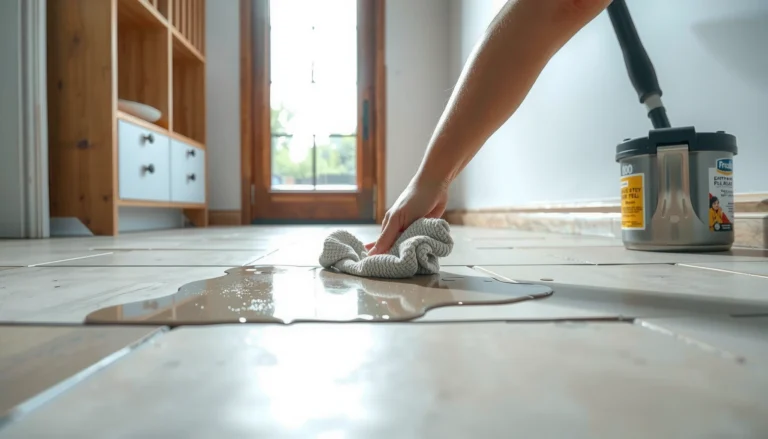
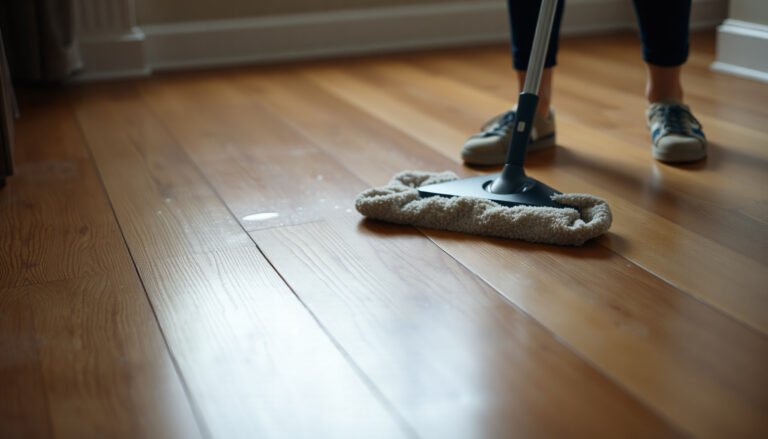
[…] You can lift the stain safely using a few basic supplies—soft microfiber, lukewarm water, and a pH-neutral cleaner or vinegar-based solution—working gently and testing in a hidden spot; plan for about 45 […]
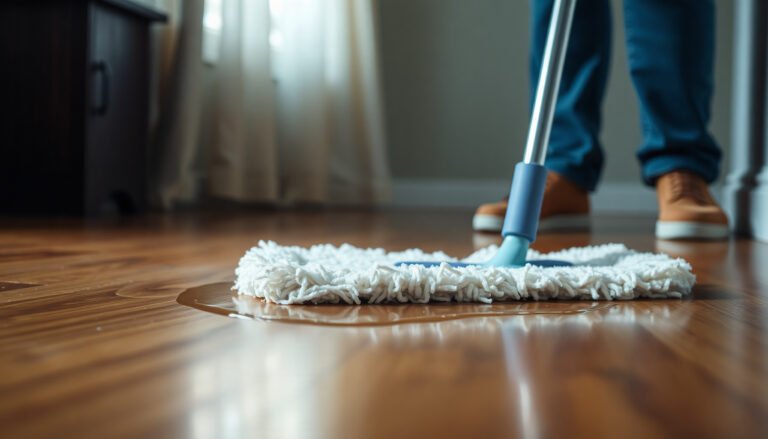
[…] by a thorough dry. The process is straightforward but depends on the finish, so you will need microfiber cloths, pH-neutral cleaner, and a soft towel to protect the surface—start now so the stain does not […]