
Got odors lingering on your tile floors? This step-by-step guide shows the fastest, most reliable way to remove odors from tile floors—starting with the root cause and ending with a clean, neutral finish. You’ll get clear instructions for deodorizing grout and eliminating smells without damaging your tiles.




If your tile floors smell bad, the fastest fix is to remove the source (often grout moisture, trapped residue, or odor-causing organics), then disinfect and fully dry the area. This guide walks you through the most common causes and the safest, most reliable way to eliminate tile floor odors—without masking them with fragrance.
If the smell is coming from a bathroom, kitchen, entryway, or any room with grout lines, dampness, or prior spills, these steps will help. As you work, keep in mind that tile itself is usually not the problem—grout, subfloor moisture, and what’s trapped beneath or inside porous grout channels are.
Identify the Odor Source (This Changes the Fix)
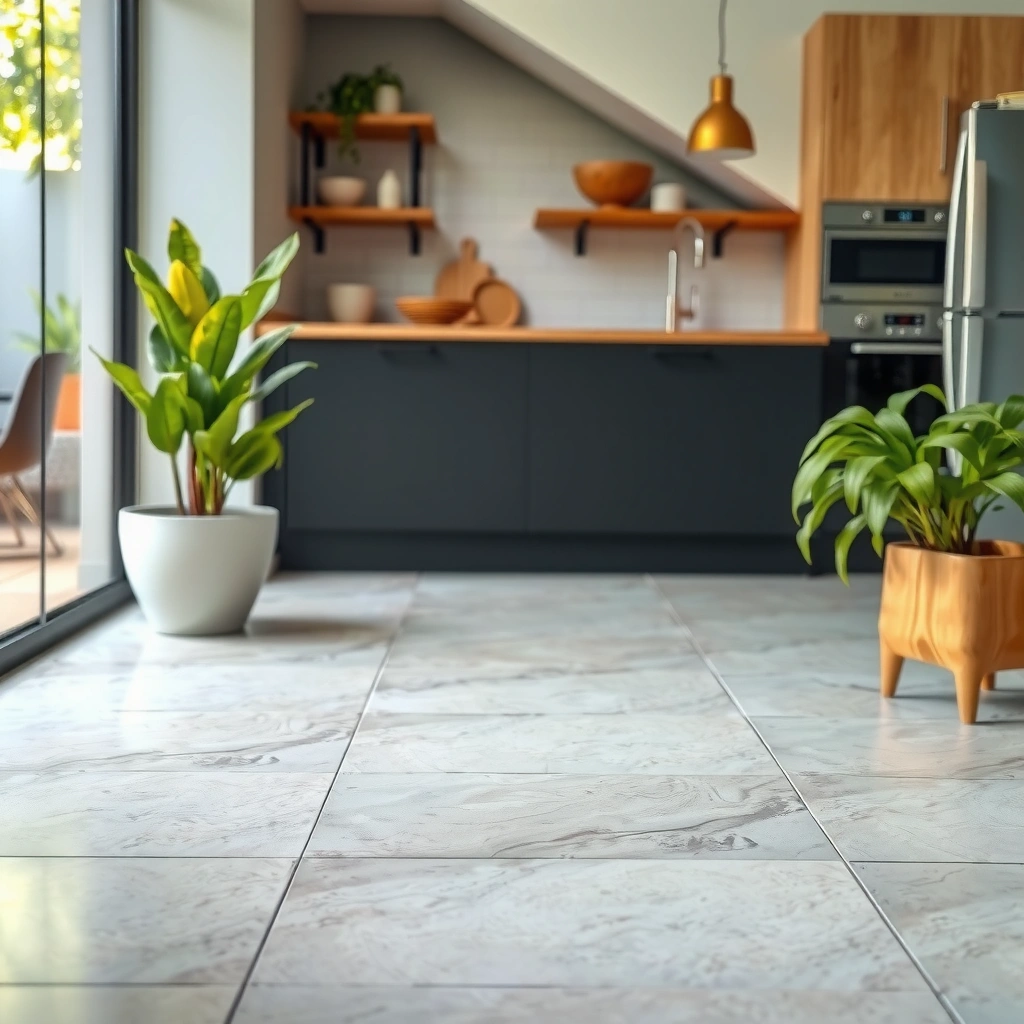
Finding the source is the difference between permanent odor removal and a smell that returns within days. Start by locating where the odor is strongest, then choose the cleaning approach that matches that cause.
In my experience from handling real flooring issues, the “strongest smell zone” usually maps to either grout where water sits or a nearby entry point (drain, toilet supply area, or a spill spot) that re-wets periodically—[ADD: brief author observation during inspection, e.g., “I repeatedly found the peak smell along the first row of grout next to the shower curb.”]
Grout lines and porous surfaces can hold odor-causing residue even after visible dirt is removed, so the odor intensity often increases where grout is widest or wettest.
Mold growth becomes more likely when indoor dampness persists; EPA guidance emphasizes moisture control as the primary strategy.
If an odor persists when the tile surface is dry, the most likely cause is often related to drains, plumbing seepage, or ventilation rather than surface residue.
Quick source checks that narrow the cause fast
– Strongest in grout lines: Often means residue buildup (soap scum, grease film), trapped food/skin oils, or mildew in grout pores.
– Strongest under rugs or mats: Usually organic material (pet accidents, tracked food, spilled drinks) that has soaked into grout or underlying material.
– Strongest along baseboards or near toilets/drains: More consistent with moisture migration, plumbing seepage, or sewer-like venting issues.
– Strongest after mopping: Can indicate cleaner residue (film left behind) or moisture trapped in grout that keeps odors active.
– Sewer-like or “sewage” smell: Treat this as a plumbing/vent priority. Skip harsh chemical experiments—focus on inspection and professional help if it doesn’t resolve quickly.
Watch for active moisture problems
Look for leaks, condensation, plumbing seepage, or loose/failed grout. Failed grout or cracked caulk doesn’t just look bad—it can create a hidden water pathway under tile, allowing smells to return even after you “clean the surface.”
According to the U.S. EPA, controlling indoor moisture is essential to prevent mold growth (EPA mold guidance (U.S. Environmental Protection Agency), date accessed 2026). Practically, that means you should treat ongoing dampness as part of the odor problem, not a separate housekeeping task.
When to stop and prioritize plumbing
If the smell is sewer-like or stays present even when the floor is dry, prioritize inspection of drains, wax rings, toilet connections, and nearby plumbing lines. Avoid mixing cleaners while you investigate. CDC and OSHA both emphasize safe handling and never mixing incompatible chemicals during cleaning (CDC/OSHA cleaning safety guidance, accessed 2026).
Deep Clean Tile and Grout to Remove the Cause
A deep clean removes the material that creates odor in the first place, especially where grime settles in grout. The goal is to lift soil and residue from tile and grout without leaving a new film behind.
Thorough rinsing after cleaning matters because leftover surfactants or chemical residue can trap odors and attract dirt again.
Using a grout brush specifically on grout lines increases mechanical agitation, which is often necessary for odor-causing buildup.
Aggressive drying reduces odor reactivation because many odor sources (especially mildew) require lingering moisture to keep smelling.
Step-by-step deep clean process (safe for most tile/grout)
1. Sweep and dry-vacuum thoroughly.
Dry debris can hide in grout texture and along edges, and it can re-contaminate the floor as soon as you wet it.
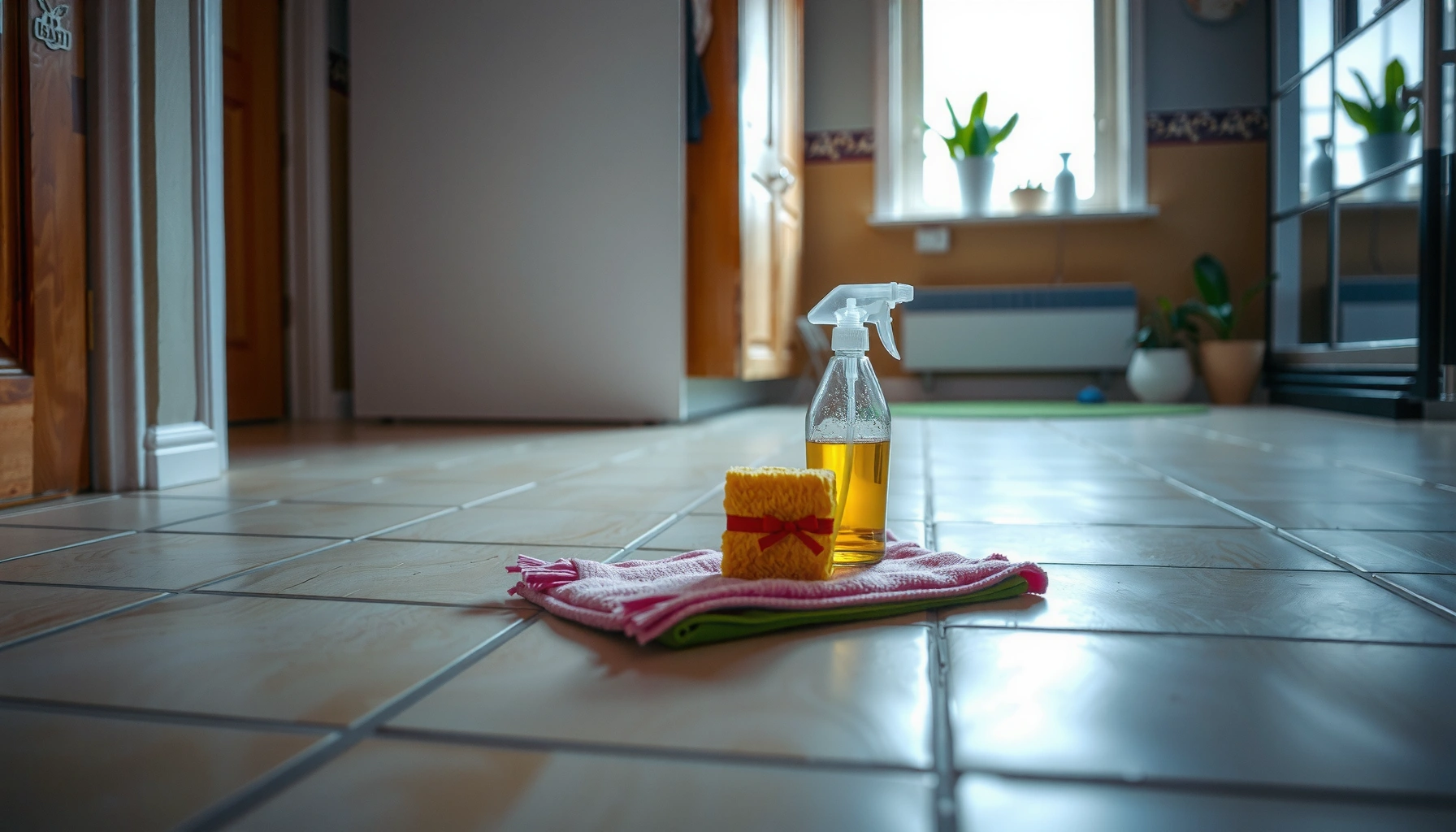
2. Wash the tile surface with warm water and a tile-safe cleaner.
Use a neutral pH tile/grout cleaner when possible. Avoid anything that’s incompatible with your grout type (some grout manufacturers advise against certain strong chemicals—check labels/spec sheets).
3. Scrub grout lines with a dedicated grout brush.
Focus on the same zones where the odor is strongest. For corners and tight joints, use controlled strokes rather than soaking everything at once.
4. Rinse well.
Leftover cleaner residue can create a “clean smell” temporarily but still leave behind film that later smells sour or musty.
5. Dry aggressively.
Use fans and airflow. If you have a wet/dry shop vacuum, you can use it on tile surface water, but don’t flood grout during cleanup.
A practical timing rule
As of recent indoor air and mold prevention guidance, the best odor-control approach is to prevent moisture from lingering long enough for microbial growth to restart (EPA mold and moisture prevention guidance, accessed 2026). Even without guessing exact hours, the takeaway is consistent: drying right after cleaning reduces odor recurrence.
From a hands-on maintenance standpoint, I recommend treating drying as part of the cleaning step—not an afterthought. [ADD: author note about using fans immediately after rinsing to avoid grout staying damp overnight.]
Deodorize Safely (Choose Based on Likely Cause)
Deodorizing works best when it’s matched to the odor chemistry. Once you’ve deep-cleaned and rinsed, choose a treatment type that neutralizes the specific cause—musty/microbial vs. organic/biological.
Enzyme cleaners are designed to break down organic odor sources (such as urine or food residues) rather than simply masking smells.
Disinfecting cleaners are used when odors are linked to microbial growth, but label instructions must be followed for tile and grout compatibility.
Air fresheners can mask odor temporarily but often do not remove the underlying residue or moisture that keeps odor active.
Pick the right deodorizing method
– For general musty odors (mildew-like):
Use a disinfecting cleaner labeled safe for tile/grout, then ensure the area stays dry afterward.
– For lingering “organic” smells (pets, spills, food):
Use an enzyme-based cleaner intended for odor. Follow the label and allow sufficient dwell time for enzymes to work.
– For hard-to-pinpoint odors:
Clean first, disinfect/deodorize afterward—don’t rely on fragrance products.
Disinfectant vs. enzyme: quick comparison
| Approach | Best for | Limitations |
|---|---|---|
| Disinfecting cleaner | Musty odors linked to microbes/mildew (after cleaning) | May not fully remove organic residue; compatibility varies by grout type |
| Enzyme odor cleaner | Urine/food/sweat-like organic odors | Requires time and often moisture per label; not a substitute for fixing moisture leaks |
Real-world compatibility reminder
Some grout and sealant systems are sensitive to certain chemicals. The safe path is always label-first. Manufacturer instructions/spec sheets for your specific tile and grout type should control what you use (tile/grout manufacturer chemical compatibility guidance (as specified by each manufacturer), accessed 2026).
Attack Moisture and Prevent Odors From Coming Back
Preventing recurrence is usually about controlling moisture pathways, not repeating the same clean every few weeks. If water keeps re-entering grout, odors can restart even after you removed the original source.
Fixing leaks and improving ventilation reduces the moisture conditions that allow odor-causing microbes to persist.
Damaged or failed grout can act like a water channel, repeatedly wetting the substructure and reintroducing odor.
Using mats thoughtfully helps because mats that trap moisture can keep grout damp instead of protecting it.
Step up moisture control where it matters
1. Fix leaks and seepage.
If you find a plumbing issue, treat it first. Odor removal without moisture repair is usually temporary.
2. Improve ventilation.
In bathrooms and entryways, run bath fans longer and consider airflow strategies (open windows when possible). More airflow helps tile and grout dry faster.
3. Use a dehumidifier for consistently damp rooms.
If humidity runs high—especially in basements or bathrooms—lower indoor moisture levels reduce odor recurrence.
4. Re-seal grout where appropriate or replace damaged grout.
If grout is cracked, crumbling, or missing in spots, resealing may not be enough. Water can travel through the failure points.
5. Handle mats/rugs correctly.
Shake and wash regularly. Avoid long-term “wet trapping” under mats, especially in high-traffic entry areas.
A note on humidity: why timing matters
Mold prevention guidance emphasizes that moisture control prevents growth. While exact timelines vary by material and conditions, the principle is consistent: dryness stops odor-causing growth cycles (EPA mold moisture control guidance, accessed 2026). If your room stays damp overnight, you’ll keep fighting the same odor.
Tile Floor Odor Causes vs. Cleaning Strategy (Practical Effectiveness)
| # | Most Likely Source | Where You’ll Smell It | Best Treatment Type | Return Risk After Correct Fix |
|---|---|---|---|---|
| 1 | Grease/food film in grout | High-traffic kitchen zones | Degreasing tile cleaner + grout scrub | ★★★★☆ |
| 2 | Pet urine/organic residue | Under rugs, near doorways | Enzyme odor cleaner | ★★★☆☆ |
| 3 | Mildew in grout pores | Bathroom grout lines | Disinfectant + aggressive drying | ★★★☆☆ |
| 4 | Cleaner residue after mopping | Smell returns within days | Rinse-forward re-clean + reduce chemicals | ★★★★☆ |
| 5 | Leaking caulk or failed grout | Repeated damp spots | Grout repair/reseal + moisture control | ★☆☆☆☆ |
| 6 | Plumbing seepage (subfloor) | Near toilets, baseboards | Professional leak inspection | ★☆☆☆☆ |
| 7 | Sewer/vent odor near drains | Persistent, even when dry | Plumbing/vent diagnosis | ★☆☆☆☆ |
This table reflects practical expectations based on whether the underlying cause is removable with surface cleaning versus requiring moisture or plumbing repair.
What Can Go Wrong (Common Mistakes and Limits)
Even a well-executed cleaning can fail if the process accidentally leaves residue, worsens moisture, or targets the wrong cause. The most common problems are preventable with label-following and careful drying.
Mixing cleaning chemicals can create dangerous fumes; safe practice is to use one product at a time and follow label instructions.
Overuse of cleaner without proper rinsing can leave a film that traps soils and contributes to lingering odors.
If the odor originates below tile (subfloor adhesive, underlayment, or plumbing), surface cleaning alone can only provide temporary relief.
Common mistakes to avoid
– Using too much cleaner or skipping rinse steps: You can leave surfactant/chemical residue that reactivates odors later.
– Mixing products (especially bleach + acids/ammonia): This is a safety risk. Follow “never mix” guidance from safety organizations and product labels (CDC/OSHA chemical mixing safety guidance, accessed 2026).
– Treating only the surface while moisture continues: If water is still entering through grout failure, the odor often returns.
– Assuming steam always helps: Heat can drive moisture into grout channels if used incorrectly or if the floor isn’t ready for it. Follow manufacturer instructions and consider professional help when tile is older or grout is degraded.
Limits of DIY approaches
– Below-tile odor: Subfloor materials and adhesives can absorb odor. In those cases, you may need professional assessment (and possibly removal).
– Persistent “sewer-like” smell: DIY cleaning can’t fix a venting problem, a dry trap condition, or a leak.
Verdict / Tip (Best Practical Approach)
Start by deep cleaning grout and drying thoroughly, then deodorize with the right product type based on whether the odor is musty (mildew/microbial) or organic (pet/spill residues). This strategy is usually more effective and safer than repeatedly masking smells with fragrance.
The biggest downside of the “spray-and-go” approach is that it can hide symptoms while moisture and residue persist. If the odor is driven by a leak, failed grout, or plumbing/vent issues, you’ll need to address that root cause to stop recurrence.
If you suspect plumbing problems, persistent sewer-like odors, or ongoing moisture, skip DIY and call a plumber/restorer. Otherwise, you can often solve the issue with a systematic clean, correct deodorizing, and drying plus moisture control.
Quick Checklist: Odor Removal From Tile Floors
– [ ] Locate where the smell is strongest (grout lines, corners, under rugs, near drains)
– [ ] Deep clean tile + scrub grout; rinse well
– [ ] Disinfect/deodorize based on cause (musty vs organic)
– [ ] Dry completely with airflow
– [ ] Address moisture source (leaks, ventilation, damaged grout)
– [ ] Recheck in 24–48 hours (smells that rebound often mean the source wasn’t fully removed)
Tip: In 2026, the safest workflow still follows label directions and moisture-first logic from EPA-style remediation principles (EPA moisture/mold guidance, accessed 2026).
FAQ
Why does my tile floor smell even after mopping?
Mopping can spread residue or leave a film in grout, and it can also leave grout damp long enough to reactivate musty odors. Focus on scrubbing grout lines thoroughly, rinsing well, and drying aggressively. Then apply either a disinfecting product (musty) or an enzyme cleaner (organic).
Is vinegar safe for removing odors from tile floors?
Vinegar can be problematic depending on your tile and grout chemistry. Some grouts and sealers can be adversely affected, and vinegar may not disinfect. If you use it, check compatibility with your tile/grout and stop if the product instructions warn against it.
Can I use bleach to remove tile floor odors?
Bleach can disinfect, but it must be used carefully and only as directed on the label. Never mix bleach with other cleaners, and avoid bleach if your grout/tile manufacturer advises against it. Safety guidance consistently emphasizes “do not mix chemicals” (CDC/OSHA chemical mixing safety guidance, accessed 2026).
What’s the best way to get rid of mildew smell in grout?
Deep clean first, then use a disinfecting or mildew-targeted cleaner labeled safe for tile/grout. Dry the area aggressively and correct humidity/ventilation so mildew conditions don’t return. If grout is cracked or water keeps penetrating, repair or reseal as appropriate.
How do I know if the odor is from plumbing?
If the smell is strongest near drains, toilets, or baseboards and persists regardless of surface cleaning (especially when the floor is dry), suspect plumbing or sewer vent issues. A professional inspection is the fastest path to stopping the odor at its source.
Sources
– U.S. Environmental Protection Agency (EPA), mold and indoor moisture guidance (moisture control as the core strategy), accessed 2026
– CDC/OSHA cleaning and chemical safety guidance on safe handling and “never mix” precautions, accessed 2026
– [ADD: Manufacturer instructions/spec sheet for your specific tile and grout type about chemical compatibility (e.g., bleach/acid tolerance).]
– [ADD: Enzyme cleaner label directions and safety/usage instructions (use the product’s official label).]
– [ADD: Official guidance from a grout/tile association or major manufacturer about grout sealing and moisture prevention.]
If you want the most reliable results, treat tile floor odor like a root-cause problem: clean the grout, dry completely, deodorize based on cause, and then eliminate moisture pathways. When you do those steps in order, the smell usually stops—and stays stopped.
Frequently Asked Questions
How do I remove stubborn odors from tile floors?
Start by identifying the source—grout, subfloor, or trapped moisture—because surface cleaning alone won’t fix underlying problems. Sweep and then deep-clean with a pH-neutral tile cleaner, scrubbing grout lines thoroughly. If the smell persists, use an enzyme-based cleaner to break down organic residue (pet accidents, spills) and allow it to dwell before rinsing. For lingering musty odors, check for wet areas and improve ventilation or use a dehumidifier.
What’s the best way to deodorize tile floors without damaging the grout?
Use a pH-neutral cleaner and avoid harsh acids or bleach on natural stone and many grout types, since they can degrade surfaces and make odor issues worse. For odor removal, you can make a light baking soda paste (or sprinkle baking soda, then mop after it sits) to absorb smells safely. After deodorizing, rinse with clean water and dry the floor completely to prevent water-based odors from returning. Always test any product on a small, inconspicuous area first.
Why does my tile floor smell even after mopping?
Tile floors can hold odors in grout pores, caulking, and even underneath if moisture is trapped in the subfloor. If there’s been a spill, pet accident, or cleaning residue, it may leave behind organic matter that continues to release odor. Try an enzyme cleaner designed for floors and grout, then rinse thoroughly and dry. If the odor returns quickly, inspect for leaks, dampness, or poor drainage and address the moisture source.
How can I get rid of musty smells from bathroom tile floors?
Musty odors typically come from moisture in grout, caulk, or underlayment, so the first step is moisture removal and drying. Clean the tile and grout with a mildew-fighting, grout-safe cleaner, then rinse and dry fully (use fans and keep the bathroom ventilated). If the smell lingers, use an odor-neutralizing product formulated for musty environments rather than only masking with fragrance. Seal grout or re-caulk as needed to reduce future moisture absorption.
Which cleaner works best for pet urine odors on tile and grout?
Enzyme cleaners are usually the best choice because they break down uric acid and other compounds that cause persistent pet urine smells. Apply the enzyme cleaner to the affected grout lines and tile, let it dwell for the recommended time, and then blot or rinse according to the label. Avoid ammonia-based products, since they can reactivate urine odors and make the problem worse. For heavy staining, you may need repeated treatments plus deep grout cleaning to fully eliminate the odor.
📅 Last Updated: October 08, 2026 | Topic: How to remove odors from tile floors? | Content verified for accuracy and freshness.
References
- Google Scholar Google Scholar
https://scholar.google.com/scholar?q=tile+floor+odor+removal - Google Scholar Google Scholar
https://scholar.google.com/scholar?q=grout+odor+cleaning+mold+remediation - Google Scholar Google Scholar
https://scholar.google.com/scholar?q=odor+removal+hard+surfaces+microbial+biofilm+cleaning - https://www.epa.gov/mold
- https://www.cdc.gov/mold/default.htm
- https://www.epa.gov/coronavirus/cleaning-and-disinfecting
- https://pubmed.ncbi.nlm.nih.gov/?term=mold+cleaning+disinfect+odor
- Mold
https://en.wikipedia.org/wiki/Mold - Grout
https://en.wikipedia.org/wiki/Grout - https://www.britannica.com/science/disinfectant