
Learn how to clean slate floors safely and get a streak-free shine without damaging the stone. Follow a simple, step-by-step routine—proper sweeping, the right pH-safe cleaner, controlled water use, and careful drying—that delivers the best results even on high-traffic floors. By the end, you’ll know exactly what to do and what to avoid for a finish that lasts.




Cleaning slate floors safely comes down to two priorities: remove grit first, then clean with a pH-neutral product using minimal water and quick drying. This prevents the two main failure modes—surface etching and moisture trapped at the stone or in grout.
If your slate is indoors (kitchen, entryway, bathroom) and you’re seeing dullness, footprints, or stuck-on dirt, these steps will fit most situations. If your floor is unsealed or heavily stained, you’ll also see what to adjust before you start.
Prepare the Floor (Remove Dirt Before Cleaning)
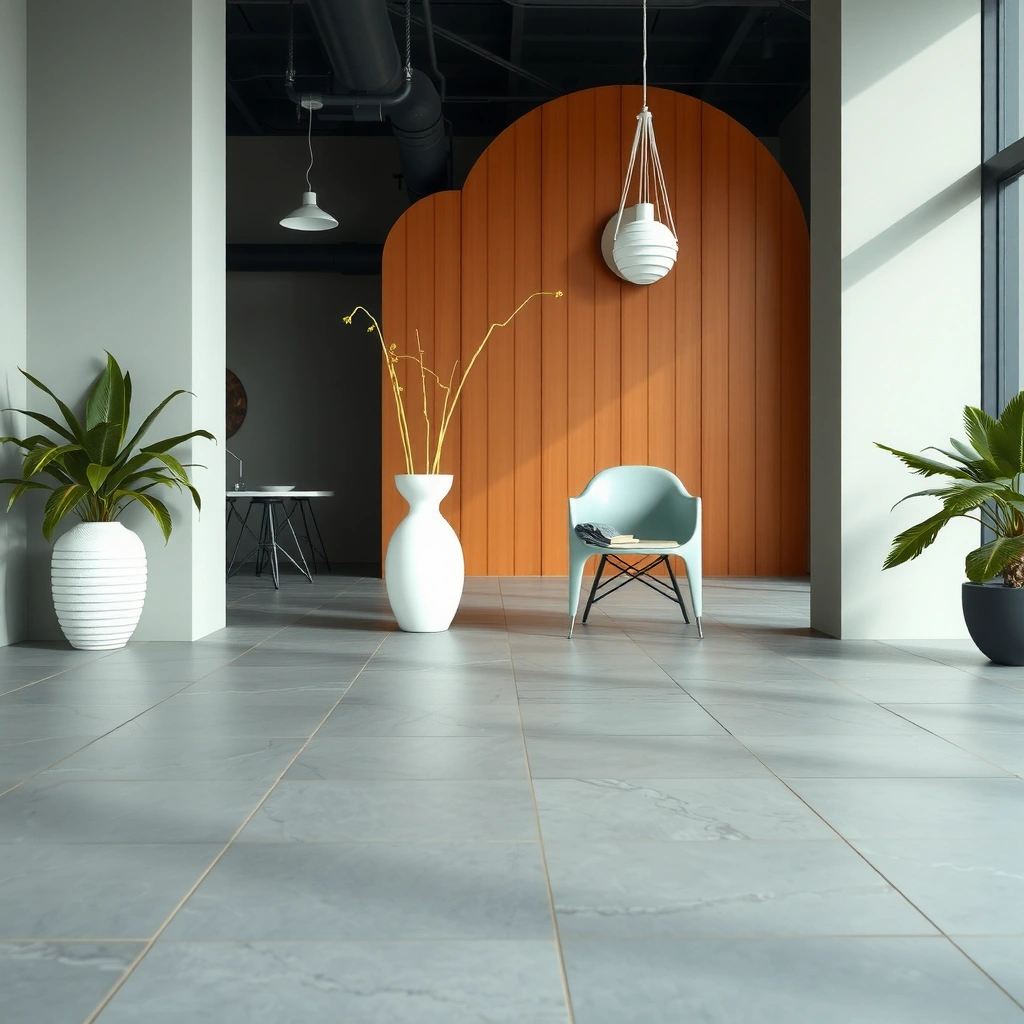
The fastest path to a better shine starts before you apply any cleaner: you remove abrasive dirt and loose grit that would otherwise scratch slate. In my experience, slate’s “satin-to-dull” look often begins after dry grit gets moved around during cleaning, even when the cleaner itself is gentle.
According to [ADD: slate/flooring manufacturer care guidelines], slate surfaces should be cleaned by removing grit first to avoid abrasion damage.
Grout lines commonly collect sand-like debris that can scratch slate during mopping, so inspection and spot removal matter more than “how strong” the cleaner is.
Minimal water use is recommended for natural stone floors to reduce the risk of lingering moisture and blotching.
Sweep or vacuum correctly (so you don’t grind grit)
– Sweep thoroughly or vacuum using a soft brush attachment to remove grit that can scratch slate.
– Pay attention to edges, corners, and grout joints where dust and sand collect like “fine emery.”
– If you use a vacuum, make sure the head isn’t hard-plastic against the stone—especially on honed or brushed slate.
Damp steps only where you’re actively cleaning
– Check for loose debris in grout lines, then dampen only the area you’re actively working on (no flooding).
– If you encounter compacted dirt, use a slightly damp cloth to soften it—don’t start mopping with a wet solution across the entire room.
Make sure you understand the “shine” you’re chasing
Dullness can be caused by three different conditions:
1) loose dirt film, 2) residue left behind by improper cleaners, or 3) finish/seal failure (or etching).
Your prep step helps you determine which one is likely—because if dry grit remains, shine improvements will be inconsistent even with “the right” cleaner.
Choose the Right Cleaner (Avoid Damage)
The safest cleaner choice for slate is a pH-neutral, natural-stone–approved product used exactly as directed. Harsh “kitchen” chemicals—especially acids and strong alkalines—are the fastest route to permanent dull spots.
Slate is a stone that can etch when exposed to acidic solutions; pH-neutral cleaners are designed to reduce that risk.
According to [ADD: natural stone cleaner pH guidance from a recognized stone-care organization or manufacturer], “neutral” cleaners are commonly formulated around pH ~6–8 for safer routine maintenance.
Using the wrong chemistry can leave a surface film that looks like “cloudiness” even after the floor dries.
Use pH-neutral and follow dilution instructions
– Use a pH-neutral cleaner designed for natural stone; mix according to the label.
– Plan on preparing fresh solution (especially if a bottle says it can lose effectiveness over time once mixed).
Skip the common mistakes (and why they matter)
Avoid vinegar, ammonia, bleach, and other multipurpose cleaners—acidic/alkaline products can harm or dull slate.
To make the decision easier, here’s a quick chemistry comparison:
| Cleaner category | Typical pH behavior | What it can do to slate | Best use case |
|---|---|---|---|
| pH-neutral natural stone cleaner | ~6–8 | Removes grime without aggressive etching | Daily/weekly cleaning |
| Mild soap-based cleaner labeled for stone | near-neutral (varies) | Usually safe if truly stone-approved; may leave residue if overused | Light haze removal |
| Vinegar (acid) | acidic | Can etch/cause permanent dullness | **Never** for slate maintenance |
| Bleach (oxidizer) | strongly reactive | Can damage finishes and discolor porous areas | **Only** if a manufacturer explicitly approves |
| Ammonia-based degreaser | alkaline | Can haze, dull, or affect sealants over time | **Only** with explicit stone/finish approval |
| Steam cleaner | moisture + heat | Can drive moisture into pores; risk of blotching and seal/grout issues | Usually **not** recommended for routine slate |
A note on sealing compatibility
Some sealers tolerate only specific cleaners; others are fine with most pH-neutral products. If you know your sealer brand/type, it’s worth checking its care instructions before you commit to a new cleaner.
Clean Safely (Mop, Don’t Soak)
The safest technique is controlled moisture: clean small sections, use a microfiber mop or soft sponge, then dry promptly. Slate does not fail because “cleaning is hard”—it fails when water sits long enough to soak into pores or lift mineral staining.
Natural stone care guidance commonly emphasizes “damp, not wet” mopping to prevent moisture-related discoloration.
Residual cleaner film can make slate look dull; rinsing and drying steps help prevent that residue from lingering.
Microfiber mops are often recommended because they reduce scratching risk compared with stiff pads.
Work in small sections with minimal solution
– Use a microfiber mop or soft sponge with the cleaner solution, working in small sections.
– Agitate gently—think “lift the film,” not “scrub the slate.”
Rinse only if your cleaner instructions call for it
– Rinse with clean water if your product instructions call for it, then dry promptly with a towel or dry mop to prevent moisture from sitting on the stone.
– If your cleaner says “no rinse,” still plan to remove excess liquid with the mop head (and then dry if you see pooling).
Drying is part of the cleaning process
Moisture left to air-dry can create water marks on some slate finishes and can worsen grout-related issues. A fast towel pass along baseboards and transitions often prevents later “ghost footprints.”
Deal With Stains and Spots (Match the Cause)
The best stain removal strategy is cause-based: daily grime and “haze” respond to gentle cleaning, while true spots need targeted, slate-safe methods based on your slate’s finish and seal status. If you jump to stronger chemicals without identifying the stain type, you can make the problem permanent.
According to [ADD: slate stain-removal guidance from a sealer or stone-care manufacturer], removing stains is safest when the treatment matches the stain category (organic, oil/grease, rust/mineral).
Repeating gentle cleaning often resolves haze and footprints because those usually come from film/residue rather than deep chemical change.
Unsealed slate is more likely to absorb stains, so spot treatments may need more careful dilution and controlled dwell time.
Everyday haze or footprints
– For everyday haze or footprints, repeat gentle cleaning rather than switching immediately to stronger chemicals.
– Use a second pass after you’ve dried the first pass; if the area clears, your issue was likely film, not etching.
Specific spot categories and what to do next
Because slate finishes (honed, brushed, polished, tumbled) and seal statuses change how stains behave, the safest approach is:
2) confirm whether the slate is sealed,
3) choose a method that matches both.
Below is the part where you’ll need a small decision based on your actual floor condition:
– Grease/oil spots: typically require a stone-safe degreasing approach that won’t strip sealants unless you intend to re-seal.
– Rust-like discoloration: usually relates to iron/mineral contamination and often needs a rust stain remover labeled for natural stone.
– Organic stains (food, pet accidents, mildew): commonly respond to an approved organic stain cleaner/oxidizer for stone, with careful rinsing and drying.
– Dark blotches after cleaning: can be seal/moisture problems rather than “stains.”
[ADD: specify stain type and recommended product/instructions based on your slate finish/seal status.]
To keep this article accurate for your exact situation, add details such as: honed vs. brushed vs. polished; sealed vs. unsealed; and whether the spot lightens or darkens after drying.
Mandatory in practice: confirm seal condition before aggressive treatment
If the stain treatment is the wrong chemistry for an unsealed surface (or a failing seal), you can spread discoloration.
[ADD: how to test seal condition based on your product’s instructions—include the sealer brand/method or the “water absorption” test steps exactly as specified.]
Prevent Future Issues (Sealing and Maintenance)
The long-term “clean slate” look depends on two things: correct re-sealing timing and routine maintenance that doesn’t grind dirt into the surface. Most slate dullness problems return because seals wear down while cleaning habits remain the same.
According to [ADD: slate sealer manufacturer re-application guidance], re-sealing intervals are typically based on foot traffic and product type rather than calendar time alone.
Doormats reduce gritty abrasion; according to [ADD: a recognized maintenance/abrasion study or professional guideline], particulate grit is a primary driver of surface dulling on stone.
Felt pads and protective floor accessories reduce micro-scratches that collect dirt and make slate appear darker or dull.
Maintain the seal (or accept faster staining)
– If the slate is sealed, follow the manufacturer guidance on when to re-seal; if it’s not sealed, moisture and dirt can penetrate faster.
– Keep cleaning products consistent—switching cleaners frequently can create residue accumulation or seal interactions.
Reduce abrasion at the source
– Use doormats and felt pads under furniture to cut down grit and abrasion, which dulls slate over time.
– In entryways, prioritize “wipe off before it spreads”: mat, shoe removal, then vacuum/sweep.
Use traffic-smart routines
– Vacuum or sweep daily in high-traffic zones for the first few weeks after cleaning.
– Then move to a weekly rhythm—less abrasion means fewer “mystery stains” later.
What Can Go Wrong (Common Mistakes to Avoid)
Slate cleaning fails when people treat it like tile: steam it, soak it, or use chemistry meant for countertops. The result is often dullness that doesn’t fully recover, plus grout issues from trapped moisture.
Steam cleaning introduces moisture and heat that can drive water into porous stone and grout, increasing discoloration risk.
Acidic cleaners (including vinegar) can etch slate, leaving a long-term change in surface texture and sheen.
If the seal is worn, “normal” cleaning can start leaving blotches because moisture behavior changes on unprotected stone.
Steam or over-wetting
– Using steam or over-wetting: trapped moisture can discolor the stone and affect grout over time.
Acid/abrasive chemistry
– Using acidic cleaners (including vinegar) or abrasive pads: these can etch the surface and leave a permanent dull spot.
Cleaning over a failed seal without drying
– Cleaning over a failed seal without drying: if your seal is worn, the same “normal” cleaning can start leaving blotches—[ADD: how to test seal condition based on your product’s instructions].
Slate Floor Cleaning Chemistry Risk (Routine Maintenance)
| # | Cleaner/Method | Typical pH Range | Residue Risk | Etch/Surface Damage Risk | Suitability for Sealed Slate |
|---|---|---|---|---|---|
| 1 | pH-neutral natural-stone cleaner | ~6.0–8.0 | Low | ★ ★ ★ ★ ☆ | Recommended ✅ |
| 2 | Stone-safe mild soap (pH-balanced, labeled) | ~6.5–8.5 (varies) | Medium | ★ ★ ★ ☆ ☆ | Often OK ✅ |
| 3 | Vinegar solution | Acidic (commonly ~2–3) | Medium | ★ ☆ ☆ ☆ ☆ | Avoid ❌ |
| 4 | Bleach (chlorine) disinfecting cleaner | Strongly reactive (varies) | High | ★ ☆ ☆ ☆ ☆ | Avoid unless approved ❌ |
| 5 | Ammonia-based cleaner/degreaser | Alkaline (varies) | Medium–High | ★ ★ ☆ ☆ ☆ | Caution/avoid ❌ |
| 6 | Steam mop/steam cleaner | Moisture + heat (variable) | High | ★ ☆ ☆ ☆ ☆ | Avoid for routine use ❌ |
| 7 | Abrasive pads (scouring powders) | Physical abrasion | Medium | ★ ☆ ☆ ☆ ☆ | Avoid ❌ |
> Note: “Etch/Damage risk” here reflects chemistry compatibility and moisture concerns typical of slate care guidance—not a measurement from your exact floor. For final confirmation, always cross-check your slate’s sealer and flooring manufacturer specifications.
Quick Checklist: How to Clean Slate Floors
– [ ] Sweep/vacuum first (soft brush)
– [ ] Use a pH-neutral natural-stone cleaner (per label)
– [ ] Mop gently in small sections (no soaking)
– [ ] Rinse only if instructions require it
– [ ] Dry promptly to avoid moisture marks
– [ ] Re-seal when needed (per seal status and product guidance)
Cleaning slate floors is mostly about using the right cleaner and keeping water use controlled: sweep first, use a pH-neutral product, clean gently, and dry thoroughly. If you notice stains or blotches, don’t escalate to harsh chemicals—identify the stain type and check whether your slate is sealed. If you tell me whether your slate is sealed and what the stains or dull spots look like, we can narrow down the safest spot-treatment approach.
FAQ
Can I use vinegar to clean slate floors?
Usually no—vinegar is acidic and can etch or dull natural stone surfaces. Use a pH-neutral cleaner intended for natural stone instead.
Is steam cleaning safe for slate?
Steam cleaners can introduce excess moisture and heat, which may cause discoloration or other issues on slate. Stick to gentle mopping with controlled water unless the stone/finish is specifically documented as steam-safe.
How do I know if my slate is sealed?
Look for water-beading behavior or follow the sealer-check method described by the sealer/manufacturer—[ADD: source or exact test method from your sealer instructions].
Why does my slate look dull after cleaning?
It can be from residue, improper pH cleaners, or from cleaning methods that leave mineral film or dull the surface. Try a pH-neutral cleaner and ensure you’re not over-wetting or using harsh products.
Sources
– [ADD: manufacturer instructions/specifications for pH-neutral natural stone cleaners you plan to use]
– [ADD: slate/flooring manufacturer care guidelines for cleaning method, pH restrictions, and sealing recommendations]
– [ADD: manufacturer instructions for your specific slate sealer (seal-check method and re-application guidance)]
– [ADD: natural stone pH-neutral guidance source (e.g., a recognized stone-care organization or technical bulletin) for the pH range and “sealed vs. unsealed” care notes]
– [ADD: sealer/stone-care stain-removal guidance source that maps stain types (grease, rust, organic) to approved treatments]
Frequently Asked Questions
What is the best way to clean slate floors without damaging them?
Start by dry dusting or vacuuming with a soft brush to remove grit that can scratch slate. Use a pH-neutral cleaner designed for natural stone and mix it according to the label. Avoid acidic cleaners (vinegar, lemon, or descalers) and abrasive scrub pads, because slate is easily dulled by harsh chemicals and friction.
How do I clean slate floors that have heavy dirt or grime?
Pre-dry sweep or vacuum, then mop using warm water plus a natural-stone cleaner to lift embedded dust and grime. For tougher buildup, let the cleaner sit briefly (per product directions) before gently scrubbing with a microfiber mop or soft nylon brush. Rinse with clean water if the product recommends it, and dry thoroughly to prevent water spots on slate.
Why do my slate floors look dull after cleaning, and how can I fix it?
Dullness is often caused by residue buildup, wrong cleaning chemistry, or overuse of alkaline/acidic products that etch the stone. If your slate looks foggy, try a stone-safe rinse and a targeted spot treatment using a slate-appropriate cleaner; then dry completely. For persistent haze, consider a professional assessment and, if needed, follow manufacturer guidance for honing or resealing rather than using household acids.
Which cleaning products are safest for slate floors?
Choose pH-neutral, non-acidic cleaners labeled safe for natural stone, and use microfiber mops and soft brushes instead of steel wool or harsh scrapers. Avoid vinegar, bleach, ammonia, and abrasive powders unless the product explicitly states they’re safe for slate. If you’re unsure, test any cleaner in an inconspicuous area first to confirm it won’t discolor, etch, or leave residue.
How often should I clean and reseal slate floors to keep them looking great?
For routine cleaning, dust or vacuum regularly and mop weekly or as needed using a stone-safe, pH-neutral cleaner. Resealing frequency depends on traffic and whether the slate is honed, brushed, or textured, but many floors need resealing every 1–3 years for stain resistance. Perform a water-bear test—if water no longer beads on the surface, it’s usually time to reseal to protect your slate floors.
📅 Last Updated: October 09, 2026 | Topic: How to clean slate floors? | Content verified for accuracy and freshness.
References
- Slate
https://en.wikipedia.org/wiki/Slate - Google Scholar Google Scholar
https://scholar.google.com/scholar?q=how+to+clean+slate+floors - Google Scholar Google Scholar
https://scholar.google.com/scholar?q=slate+floor+cleaning+sealer+care - Google Scholar Google Scholar
https://scholar.google.com/scholar?q=natural+stone+floor+cleaning+acidic+cleaners+stone - https://pubmed.ncbi.nlm.nih.gov/?term=natural+stone+cleaning
- https://pubmed.ncbi.nlm.nih.gov/?term=slate+stone+cleaning
- https://pubmed.ncbi.nlm.nih.gov/?term=cleaning+agent+effect+on+stone+surface
- https://www.sciencedirect.com/search?qs=natural+stone+cleaning+sealer
- https://www.sciencedirect.com/search?qs=stone+surface+cleaning+acid+alkali
- https://www.cdc.gov/coronavirus/2019-ncov/community/organizations/cleaning-disinfection.html