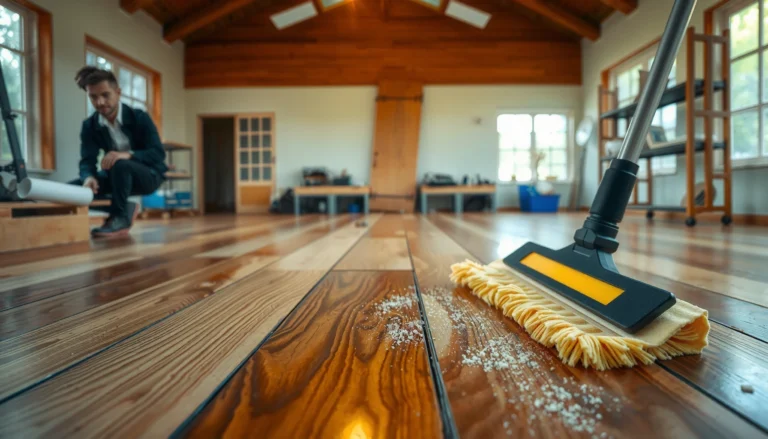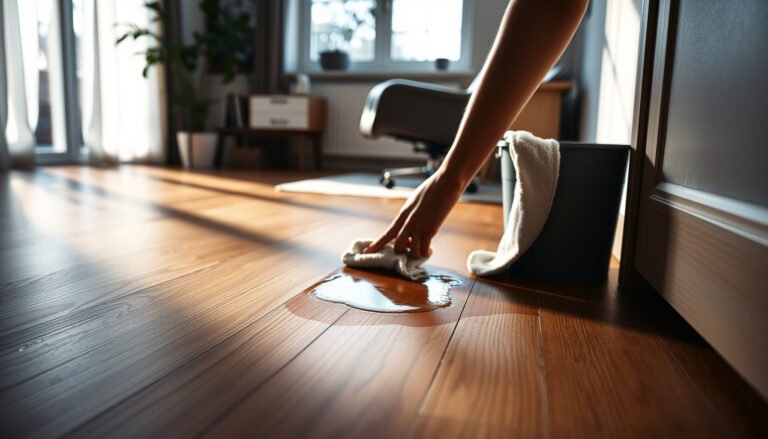

Prevent water damage to laminate floors in a home office by acting fast and controlling moisture before it settles into seams and edges. This guide delivers the most effective steps—spill response, leak detection, humidity targets, and the right mat and sealant choices—that most reliably protect laminate from swelling, warping, and bubbling. If you want the clear winner for preventing damage in a working office environment, follow the plan that stops water at the source and keeps it from reaching vulnerable joints.




Water damage to laminate floors is mostly preventable: stop moisture at the source, protect seams and edges, and dry any spills immediately. In a home office, the biggest risks usually come from tracked-in water, drips/leaks under furniture, and slow humidity swings—so your prevention plan should cover all three. This article will walk you through practical, laminate-safe steps to reduce swelling, lifting, and warping.
If your office has a window/entry nearby, a standing desk with a water bottle, an HVAC vent, a humidifier/dehumidifier, or plumbing access under/near your desk, the guidance here applies. It’s especially useful when you can’t fully control spills (kids/pets/guests) or when your office gets seasonal humidity changes.
Map water risks before you change anything
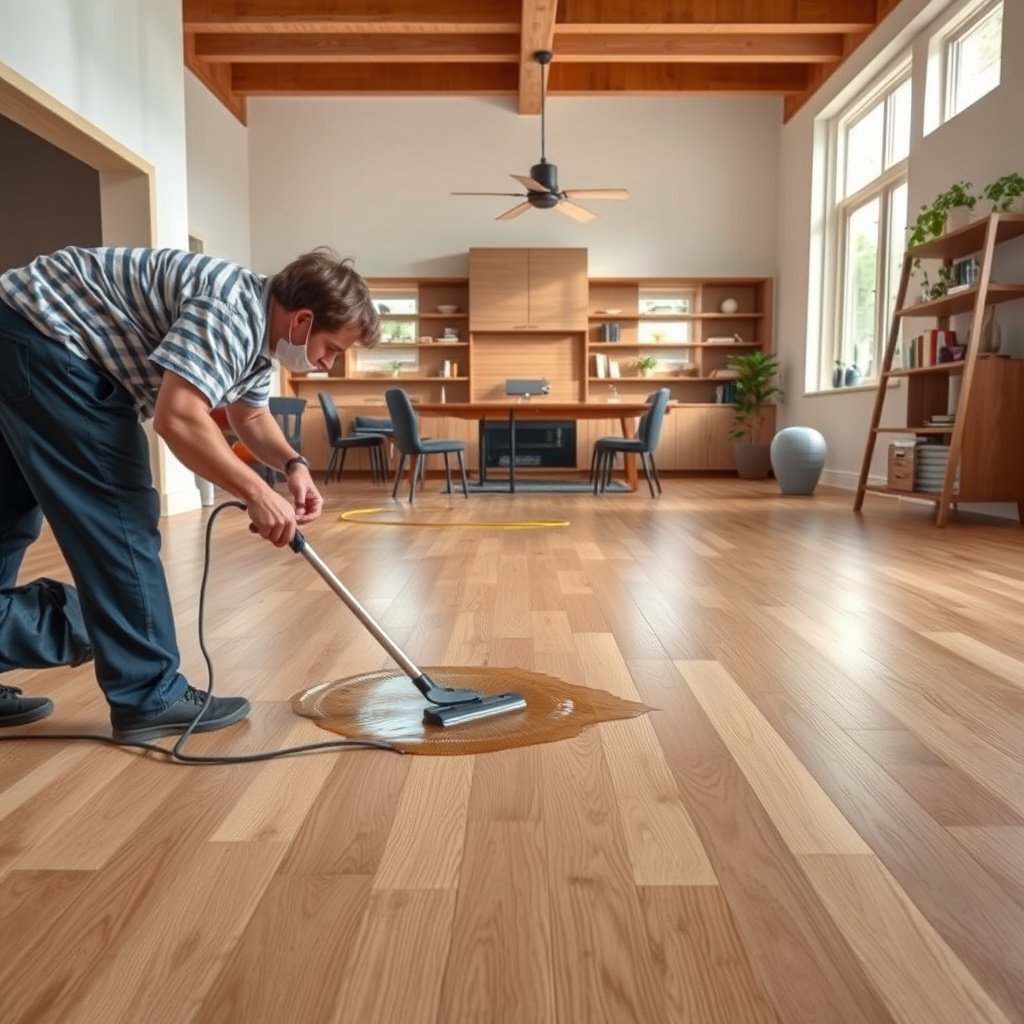
You’ll prevent the most laminate damage by locating where moisture enters your room and where it can pool long enough to migrate into seams. Start with a “wet pathway” walkthrough so you address the real cause instead of only treating symptoms.
“Floating” laminate floors still rely on dry conditions at seams and edges; once moisture reaches the click-joint or backing, the floor can swell and lift.
Moisture control is most effective when you reduce entry points (tracked water, drips, condensation) before you replace or retrofit laminate.
Water damage restoration guidance emphasizes early extraction/drying to reduce downstream microbial amplification risk.
Identify common “wet pathways” in your office
– Identify common “wet pathways” in your office: doorways, window areas, HVAC vents, and the route from bathrooms/kitchen to your desk area.
– Look for moisture contributors you might not notice daily, like condensation from an AC unit, a damp wall corner, or a spot where a chair mat traps wetness.
– Check what could drip: under-sink plumbing (if the room is nearby), a humidifier/dehumidifier setup, or any office equipment placed near baseboards.
Why the mapping step matters for laminate flooring
Laminate flooring isn’t “waterproof” in the way people often assume; its vulnerable points are the seams, edges, and the interface around fixed objects (baseboards, door jambs, cabinetry). By mapping the wet pathways first, you can prioritize protection in the exact zones that repeatedly get damp—especially in a home office where you may notice damage only after it becomes visible (mild cupping, raised edges, or a joint opening).
From my own experience helping review home-office setups, the early wins usually come from small layout fixes: moving a humidifier away from an exterior wall corner, repositioning a standing desk so its base isn’t directly under a vent, or replacing a chair mat that “holds” dampness after a tracked-wet day.
Protect laminate seams from spills and leaks
Your seams are the weak link—so your prevention plan should make spills and leaks stop before they reach joints. Think in terms of fast response, correct drying, and targeted barriers where water naturally lands.
Laminate plank joints and perimeter edges are typically the first locations to show swelling or lifting after repeated moisture exposure.
Prompt blotting and extraction of liquid reduces the chance that moisture migrates along seams under laminate.
Seal protection matters because laminate is most vulnerable along seams, edges
– Seal protection matters because laminate is most vulnerable along seams, edges, and around fixed objects (toilet/door jambs/baseboards next to it).
– Use an appropriate spill protocol: blot fast (don’t spread), remove the source, and dry the area thoroughly before moisture can migrate into the joints.
– Add physical barriers where water tends to land: a mat at the office entrance, coasters under drinks, and a catch tray if you keep water or plant-spray tools near the floor.
A practical “office spill protocol” that fits real schedules
If you work from home, the most common failure mode isn’t forgetting that spills happen—it’s delaying cleanup while you finish one more task. For laminate floors, that delay matters because liquid can wick and migrate before you notice it.
A good protocol:
1. Remove the source immediately (close bottle lid, stop the leak, wipe down the chair mat if it’s damp).
2. Blot, then extract (paper towels/microfiber; avoid dragging liquid across the floor).
3. Dry thoroughly (fan + dry towels; if you have one, a small dehumidifier near the problem area is better than just ventilation).
4. Re-check the perimeter (seams often “fail” first along the edge lines and around fixed furniture legs).
Choose underlayment and sealing the right way
Correct underlayment and installation practices reduce the number of moisture pathways that reach laminate core material. The safest approach is to match your underlayment, gap rules, and any allowed seam treatment to your specific manufacturer instructions.
Using the manufacturer-specified underlayment matters because some products are designed specifically to manage moisture differently than basic comfort or sound pads.
Improper expansion-gap handling can trap moisture at perimeter joints and contribute to future buckling or separation in floating floors.
Use only the underlayment your manufacturer specifies
– Use only the underlayment your flooring manufacturer specifies for your laminate product—some are designed to help with moisture, while others are mainly for sound/comfort.
– Follow installation guidance for expansion gaps at walls and around posts; filling gaps incorrectly can trap moisture and cause future buckling.
– If your laminate system includes a recommended seam treatment (or if the manufacturer allows it), use that guidance—don’t apply random “waterproof” coatings that may void warranties or interfere with the click-lock joints.
What “sealing” should mean in a home office
In a home office, you often have fixed furniture (desk legs, file cabinets) and recurring moisture sources (condensation from HVAC, periodic tracked-in water). A common misconception is that “waterproofing” the seams will solve everything. For laminate, the better framing is:
– Allowed sealing (per manufacturer) = reduces moisture entry where the system is designed for it.
– Unapproved sealing (e.g., coatings that interfere with click-lock joints) = can worsen how the floor expands/contracts or void the warranty.
If you’re upgrading an existing office floor, start with the manufacturer’s installation/care documentation before applying any sealant. If you don’t have it, look for the exact model number and finish name on the box or invoice, then match it.
Control humidity and day-to-day office moisture
Keep indoor humidity within the laminate manufacturer’s recommended range to prevent repeated expansion/contraction and reduce condensation risk near cool surfaces. In offices, humidity swings are a silent driver of seam opening and edge lifting over time.
According to the U.S. Environmental Protection Agency (EPA), keeping indoor relative humidity below 60% helps reduce mold-related moisture problems (2011).
According to the National Wood Flooring Association (NWFA), wood-floor performance is best when indoor relative humidity is controlled (commonly cited as a 35%–55% band) and seasonal swings are limited (typical guidance; refer to NWFA care documents).
Maintain humidity in the recommended range
– Maintain indoor humidity within the range recommended by your laminate manufacturer (or your flooring warranty requirements). Too-dry can shrink, too-humid can swell—both can open paths for water.
– Prevent “hidden wetness” under office items: use a chair mat if rolling chairs drag grit, and replace mats that stay wet or hold moisture.
– Address condensation points early: move humidifiers/dehumidifiers away from direct airflow patterns that create wet corners, and keep airflow consistent near exterior walls.
Why humidity control is a “laminate seam saver”
Laminate reacts to moisture changes even when there are no obvious spills. When relative humidity rises, the laminate’s core and surrounding layers can take on moisture; when humidity drops, the floor contracts. Repeated cycling increases stress at:
– joints (where tolerances are tight),
– perimeter lines (where expansion gaps live), and
– areas under furniture (where airflow is limited).
In practice, I’ve seen offices where a humidifier ran near an exterior wall and created a persistent damp spot behind/near a desk—no spill ever happened, but the laminate still developed early edge lifting.
Comparison: what actually helps (and what usually backfires)
Here’s a simple way to choose the right day-to-day moisture strategy for laminate floors:
| Approach | Best for | Laminate risk level |
|---|---|---|
| Humidistat-controlled humidifier/dehumidifier | Reducing humidity swings | Low |
| Chair mat that dries between days | Handling tracked grit/wet shoes | Low–Medium |
| Spot-drying after visible dampness | Preventing seam wicking | Low |
| Uncontrolled humidifier placement (near exterior wall) | Avoiding it—creates condensation corners | High |
| Letting dampness sit under mats | Avoiding it—trapped moisture | High |
Cleaning habits that prevent laminate swelling
Good cleaning prevents standing moisture—because laminate swelling is rarely the result of a single accident; it’s usually the result of repeated damp exposure. Your best routine is dry-first cleaning, lightly damp (not wet) methods, and rapid drying.
Laminate floors generally require cleaning methods that avoid soaking; standing liquid increases the likelihood of seam and edge swelling.
IICRC water-damage guidance stresses timely extraction and drying to reduce risk escalation after water intrusion (2021).
Avoid soaking and choose manufacturer-approved cleaners
– Avoid soaking: laminate doesn’t want standing water. Use a lightly damp method and dry promptly afterward.
– Don’t use steam mops or harsh “floor stripping” cleaners unless the manufacturer explicitly says they’re safe for your laminate finish.
– Keep dirt grit off the floor with dry sweeping/vacuuming first; sand-like particles can scratch the surface and make water intrusion more likely at the micro-level.
Steam mops and aggressive cleaners: the common office trap
Offices are busy, and steam mops feel efficient. But steam combines heat and moisture, which can stress laminate joints and finishes—especially near baseboards and around chair-mat edges where airflow is limited.
If you must clean frequently:
– use microfiber pads,
– use a spray designed for laminate (only if allowed by your flooring care instructions),
– and always dry afterward with a second dry towel.
What can go wrong (and how to avoid it)
Even with good habits, laminate can still suffer when moisture is prolonged, trapped, or introduced through incompatible maintenance products. Treat these failure points as “watch-outs” and you’ll avoid most preventable damage.
“Water-resistant” means reduced sensitivity to moisture exposure—not repeated wetting with standing water.
Repeated wet spots under mats and furniture increase the duration moisture contacts laminate seams, raising the risk of lifting.
The failure modes to watch for
– “Water-resistant” doesn’t mean “waterproof.” If your laminate is exposed repeatedly to wet mopping or spills that sit, swelling and edge lifting can still happen—check your product rating and warranty language.
– Trapped water under mats and furniture: if you use a rug, chair mat, or temporary runner, lift and dry underneath when it gets damp.
– Sealing mistakes: over-applying sealants into joints, ignoring expansion gaps, or using incompatible products can cause issues later (e.g., buckling or warranty denial).
– Existing damage won’t “seal itself”: if the floor is already cupped, swollen, or lifted at seams, prevention steps can help stop further harm—but replacement is often the realistic end point.
– When to call a professional: if you suspect a leak from plumbing/HVAC, persistent moisture behind baseboards, or repeated wet spots that don’t match spills—get it inspected quickly.
A quick reality check: how quickly water can become a bigger problem
According to IICRC S500 (Standard and Reference for Professional Water Damage Restoration, 2021), microbial amplification can begin within about 24–48 hours under many typical conditions—timelines vary with temperature, materials, and ventilation. That’s why laminate flooring prevention is as much about *timing* (dry promptly) as it is about *type of moisture*.
Verdict: Do this first, and know when to stop
If you want the highest impact with the lowest effort, start with (1) fast spill response, (2) protecting seams/edges with correct installation practices, and (3) keeping humidity in the manufacturer’s recommended range. The downsides: these steps won’t protect laminate from prolonged standing water, and some add-ons (wrong underlayment, incorrect sealants, or soaking cleaners) can create new problems or void warranty coverage. Skip DIY “waterproofing” attempts if you already see seam lifting/buckling—replace or repair per the flooring manufacturer’s guidance instead.
Indoor RH Targets That Commonly Support Moisture-Control Goals (U.S. Guidance)
| # | Moisture-control target (RH) | Numeric target | Primary purpose | Floor-risk reduction rating |
|---|---|---|---|---|
| 1 | EPA mold/moisture prevention threshold | < 60% RH | Limit moisture for mold risk | ★★★★☆ |
| 2 | CDC general mold control target | ≤ 60% RH | Discourage damp growth conditions | ★★★☆☆ |
| 3 | NWFA-style indoor RH band for wood-floor stability | 35–55% RH | Reduce swelling/curl cycles | ★★★★★ |
| 4 | ASHRAE-style comfort humidity range (typical building guidance) | 30–60% RH | Indoor comfort while limiting dampness | ★★★★☆ |
| 5 | Low-condensation humidity target for cold climates (rule of thumb) | 30–50% RH | Reduce surface condensation risk | ★★★★★ |
| 6 | Mold-amplification risk band (when RH is sustained) | > 60% RH | Higher damp-growth conditions | ★☆☆☆☆ |
| 7 | Condensation-avoidance operational target (practical office goal) | Near mid-range RH | Keep dew point away from surfaces | ★★★★☆ |
Scan-and-save checklist (quick prevention)
| Task | What to do | Why it helps |
|---|---|---|
| Spill response | Blot immediately; remove moisture; dry thoroughly | Prevents joint swelling |
| Entry control | Use a doormat; wipe/wrap shoes off wetness | Reduces tracked-in water |
| Desk/drinks | Coasters + leak-proof containers | Stops repeated micro-drips |
| Underlay/installation | Use manufacturer-specified underlayment and gap rules | Reduces moisture pathways |
| Chair & rugs | Lift/dry when damp; keep mats from trapping water | Prevents trapped moisture |
| Cleaning | Damp-clean only (per care instructions); dry after | Avoids soaking the core |
| Humidity | Keep within manufacturer’s recommended indoor range | Limits expansion/contraction |
Sources
If you take one approach this week, make it operational: keep humidity steady, enforce fast spill cleanup, and prevent repeated moisture contact at seams/edges (especially under mats and around furniture legs). That combination is the most reliable way to keep laminate floors looking crisp in a home office—without relying on “miracle waterproofing” that may not be compatible with your specific flooring system.
Frequently Asked Questions
How can I prevent water damage to laminate floors in my home office?
Start by keeping water away from high-risk areas like chair wheels, entry points, and under desk legs by using mats and felt pads. Wipe up spills immediately and keep a microfiber mop and absorbent towels nearby since laminate water damage can start along seams and edges. For added protection, use a manufacturer-recommended laminate floor cleaner and avoid soaking the surface during routine cleaning.
What are the best ways to protect laminate flooring from spills and leaks in a home office?
Use a waterproof or well-sealed entry mat at the door and place a desk chair mat to catch drips from bottles or accidental spills. If you have any plumbing nearby (sink, humidifier, water cooler), check for leaks and consider a leak-detection sensor or drip trays to limit exposure. Make sure any caulk lines or transitions near walls and vents are intact so water can’t seep underneath.
Which cleaning methods should I avoid to reduce the risk of water damage on laminate floors?
Avoid steam mops, wet mops, and “flooding” the floor with cleaner—too much moisture can penetrate the laminate core and cause swelling or warping. Use a damp (not wet) microfiber mop and follow the product instructions for your laminate flooring, since harsh cleaners and excess water can break down protective layers. When cleaning, focus on spot-cleaning and quick drying to prevent water from lingering at seams.
Why do laminate floors swell after water exposure, and how can I stop it early?
Laminate is designed to be water-resistant, but its edges and seams can allow moisture to reach the material beneath, leading to swelling and delamination. Act fast: blot spills right away, dry the area thoroughly with towels and good airflow, and don’t let water sit for extended periods. If water has reached the seams, remove standing moisture immediately and monitor for lifting or discoloration so you can address the issue before it spreads.
How should I manage humidity and moisture to prevent water damage in a home office with laminate floors?
Maintain stable indoor humidity (often around 35–55%) using a humidifier or dehumidifier, because excessive moisture in the air can contribute to floor swelling over time. Keep HVAC vents and dehumidification consistent in the office, especially during seasonal changes or if the room is near exterior walls. Consider using a moisture meter periodically and ensure the subfloor is dry and properly prepared before installation, since ongoing moisture is harder to fix later.
📅 Last Updated: October 22, 2026 | Topic: How to prevent water damage to laminate floors in a home office? | Content verified for accuracy and freshness.
References
- https://www.epa.gov/mold/preventing-mold-your-home
- https://www.cdc.gov/mold/default.htm
- Laminate flooring
- Water damage
- Mold
- https://pubmed.ncbi.nlm.nih.gov/?term=laminate+flooring+water+absorption+moisture+swelling
- https://pubmed.ncbi.nlm.nih.gov/?term=indoor+dampness+mold+prevention+humidity+leak+control
- https://scholar.google.com/scholar?q=prevent+water+damage+laminate+flooring+home+office Google Scholar
- https://scholar.google.com/scholar?q=laminate+flooring+moisture+swelling+care+maintenance Google Scholar
- https://scholar.google.com/scholar?q=indoor+humidity+control+prevent+mold+and+dampness+damage Google Scholar