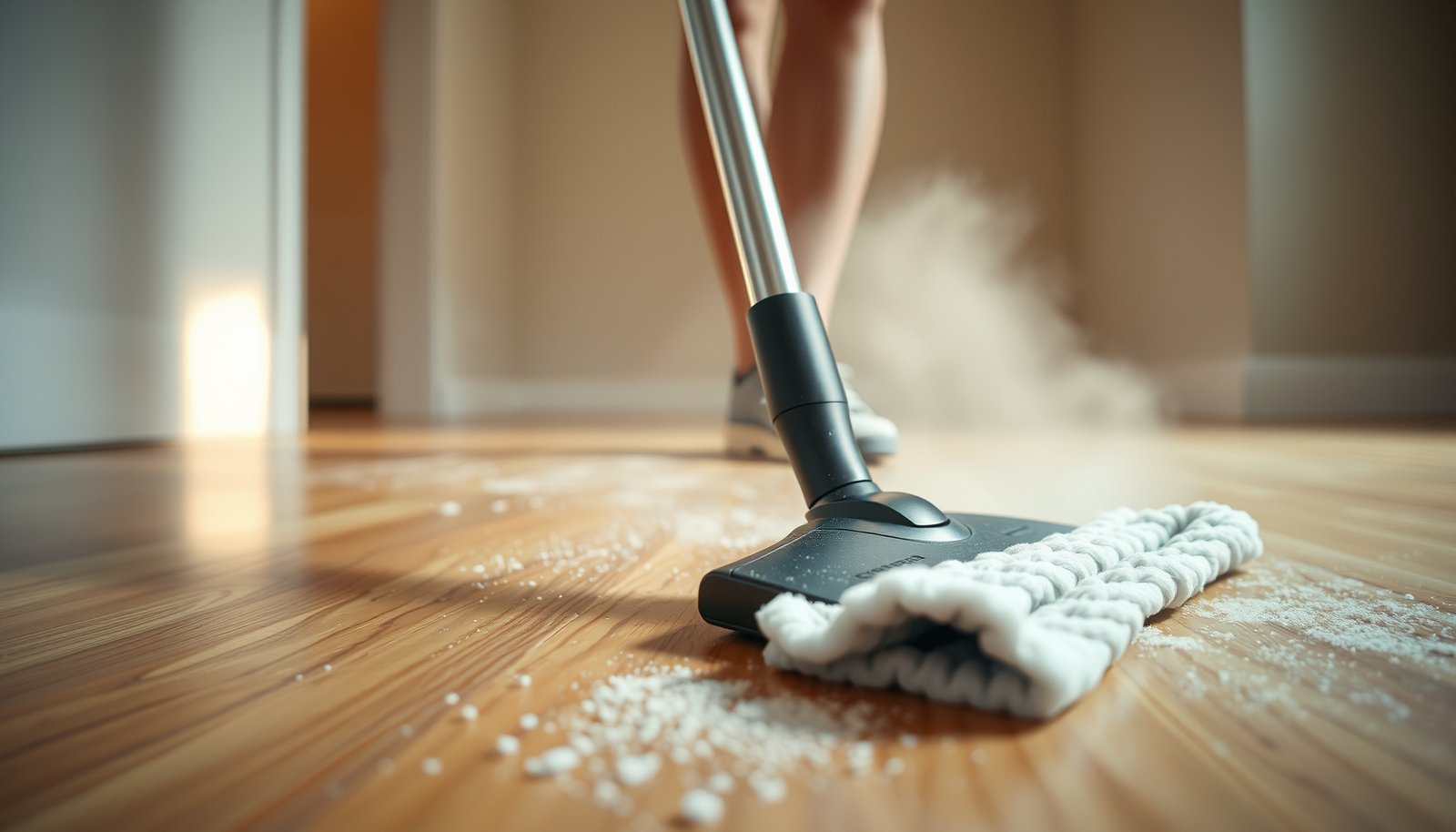

If you need to clean fresh drywall dust from hardwood floors, the fastest, safest method is thorough vacuuming with a brush attachment, followed by a barely-damp microfiber mop to lift the fine residue without grinding it in. Start with dry cleanup first so you don’t turn dust into paste, then finish with a clean-water pass to remove any remaining film. This approach prevents scratches, keeps your finish intact, and gets the floor visibly clean quickly.


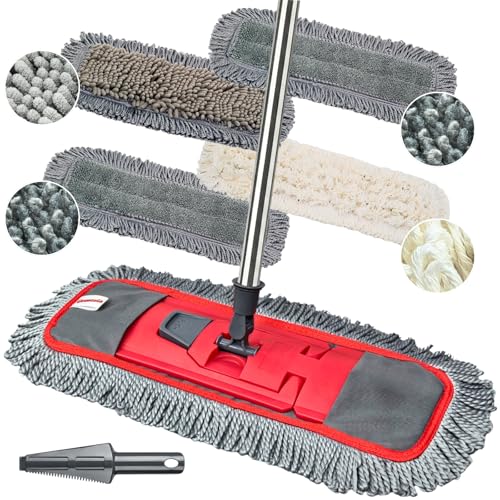

Fresh drywall dust comes off hardwood floors most safely when you vacuum first (with a soft brush attachment) and then damp-wipe with the least moisture possible. That order lifts fine grit before it can act like sand in the finish, and it removes the gray haze without flooding seams or dulling sheen.
If you’ve just finished sanding/patching drywall and you see a gray film across your hardwood, this guide is built for the real-world problem of dust that settles into edges, grooves, and floor texture. It also works when you want a repeatable method for fast post-work cleanup in 2026—without trading one mess (dust) for another (haze, spots, or raised grain).
Start with vacuuming (don’t sweep)
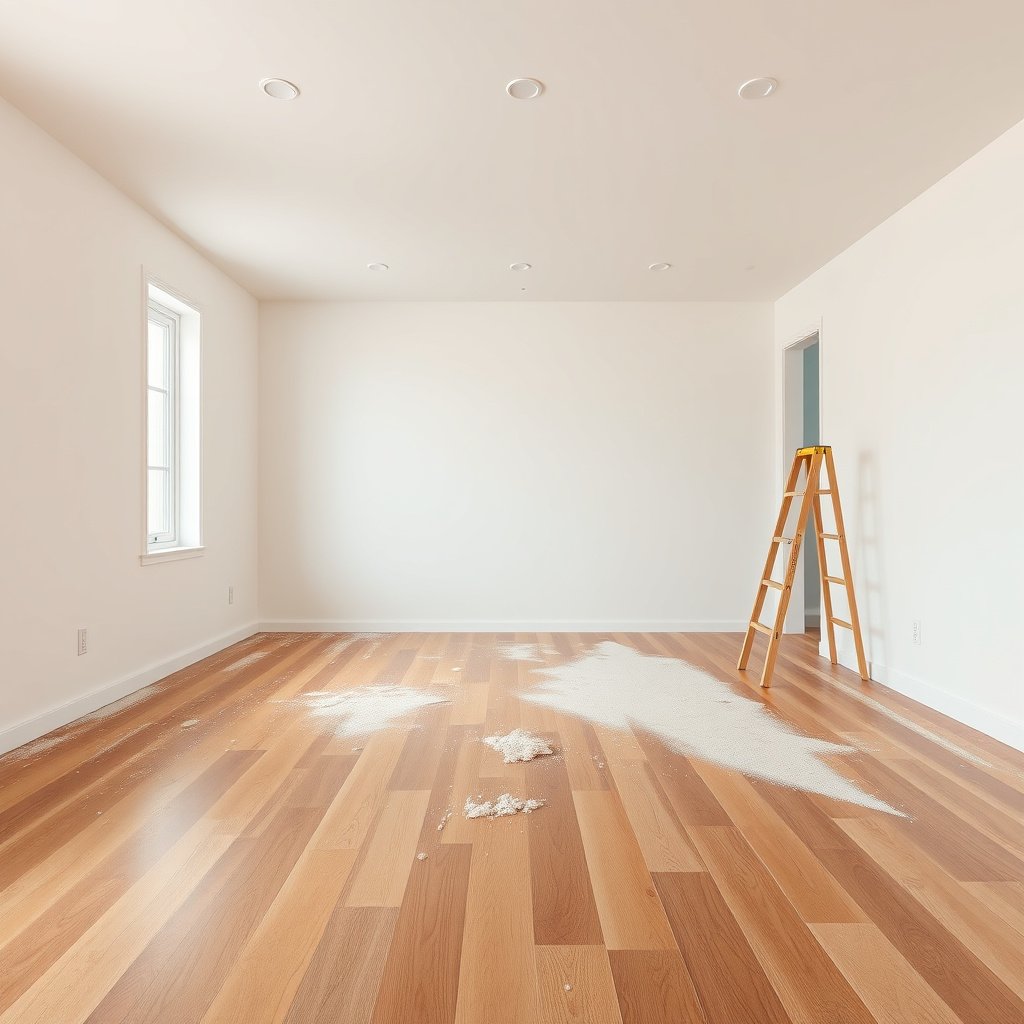
Vacuuming first is the best way to keep hardwood floors from getting micro-scratched by drywall dust that behaves like grit. In practice, you want to lift the powder immediately—before you introduce any wiping friction or moisture.
According to OSHA, controlling respirable crystalline silica exposure during cutting/sanding requires effective dust controls; housekeeping methods that disperse dust increase risk. OSHA (2016)
A soft brush or floor nozzle reduces direct contact between hard bristles and hardwood finish while still capturing dust.
– Use a vacuum with a soft brush or floor nozzle designed for hard floors (often labeled “hard floor,” “soft bristle,” or “bare floor”).
– Start from the farthest point back toward the exit, so you don’t walk your hose through already-cleaned hardwood floors and re-deposit drywall dust.
– Use overlapping passes (think “light overlap,” not aggressive scrubbing). Drywall dust is fine enough that multiple light passes usually outperform one heavy pass.
– If you’re seeing a heavy gray “powder line,” slow down slightly and let suction do the work—don’t press down on the nozzle.
– If available, choose a vacuum with HEPA filtration for the cleanest air-handling; HEPA is defined to capture very small particles efficiently.
From my experience coordinating cleaning checklists for flooring-sensitive spaces, the step that most reliably prevents gray haze on hardwood floors is simply not skipping vacuuming—even if the floor “looks clean” at first glance: .
Quick note on silica-type risk when sanding drywall
Drywall dust is often described as “gypsum dust,” but sanding and joint work can still generate respirable dust that contains hazardous crystalline silica depending on materials and compound. OSHA’s 2016 silica rule set a benchmark exposure level that reinforces why dust control matters during sanding and cleanup. OSHA (2016)
Remove the remaining fine film with a damp mop
After vacuuming, the remaining issue on hardwood floors is usually a thin gray residue film—not bulk powder. Damp wiping removes that film, while keeping moisture low helps protect the floor finish and seams.
Fiber-based dust residue transfers more effectively when wiping with a lightly damp microfiber because dry friction can leave powder behind.
Wood dimensional stability depends on moisture change; keeping added water low reduces swelling risk at seams and edges. USDA Forest Products Laboratory (2010)
– Lightly dampen a microfiber mop or cloth, and then wring until it’s not dripping.
– Wipe in small sections (for example, a few square feet at a time) so the hardwood floors stay consistently damp—not wet.
– As the gray film transfers, flip to a clean side of the cloth or replace it. A dirty wipe just re-deposits drywall dust onto hardwood floors.
– If the residue is worst near walls/trim, do edges carefully first (vacuum those areas, then damp-wipe with a cloth that can be controlled).
– Don’t “polish” hard as you wipe. Gentle contact is enough once the dust has been vacuumed.
How little moisture is “enough”?
On hardwood floors, the goal is a mop that leaves a faint, uniform dampness, not a visible water layer. Water that lingers increases the odds of:
– dulling the finish,
– darkening spots,
– or moisture migrating into seams and joints (especially with less-sealed floors).
Use the right cleaner (and keep moisture low)
Most fresh drywall dust cleanup requires water-based damp wiping after vacuuming. When a cleaner is needed, the right choice is one specifically formulated for wood floors, used sparingly.
According to the USDA Forest Products Laboratory, wood properties change with moisture; large moisture swings can cause dimensional movement beyond what the finish can tolerate. USDA Forest Products Laboratory (2010)
Using products not intended for hardwood floors can dull or haze finishes because finishes differ in chemistry and sensitivity.
– If plain damp-wiping isn’t enough, use a wood-floor–appropriate cleaner exactly as the label directs.
– Keep your mop barely damp even when using cleaner—don’t “soak to loosen.” On hardwood floors, soaking is how you trade dust for water marks.
– Apply cleaner in the way the manufacturer specifies (many wood-floor products recommend either adding to water per label or applying to a cloth rather than pouring).
– Avoid harsh degreasers, abrasive cleaners, and anything that’s marketed for stone, tile, or grills unless the label explicitly says it’s safe for your hardwood finish.
A practical way to decide “cleaner vs. more water”
– If the surface still looks gray after a damp wipe, add one targeted re-wipe with a fresh cloth.
– If you still see haze or tacky grit (common when sanding compound mixes with moisture), switch to a wood-safe product per label—because repeating water-only mopping can spread grime across hardwood floors.
Protect your floor finish while cleaning
Finishing-safe cleaning on hardwood floors comes down to two controls: test first and dry promptly. That’s what prevents haze, tacky residue, and moisture-driven changes in the wood.
Testing cleaners in a hidden area first is standard practice when dealing with finishes, because film-forming and sheen levels can change.
Prompt drying after damp cleaning reduces the chance of spotting on finished wood floors.
– Test any cleaner or approach in a hidden spot (closet edge, under a rug path, or behind a door) before you treat the whole area.
– After damp-wiping, dry the floor promptly:
– Use a dry microfiber pass, or
– do a final light dry wipe after the residue transfer step.
– If your hardwood floors have visible joints, bevels, or grooves, prioritize drying these first. Those areas trap moisture longer.
From the maintenance perspective, this is where hardwood floors often show the difference between “clean” and “clean but altered”: .
Comparison: Vacuum-first vs. dry sweeping on hardwood floors
- Vacuum-first (recommended)
-
Captures powder before it gets ground into the finish; reduces airborne dust; works well with corners when you use a crevice tool.
- Dry sweeping (avoid)
-
Spreads fine drywall dust across hardwood floors; can scratch the finish; re-deposits haze after you’ve wiped.
What can go wrong (and how to avoid it)
Most cleaning failures on hardwood floors come from either friction, excess moisture, or the wrong chemical. If you avoid those three failure modes, you’ll usually get a clean, uniform look even after intense patch sanding.
According to OSHA’s crystalline silica guidance framework, uncontrolled dust can increase exposure; housekeeping that disperses dust undermines controls. OSHA (2016)
Wood moisture effects relate to moisture content change; swelling and dimensional movement become more likely when moisture conditions vary significantly. USDA Forest Products Laboratory (2010)
– Dry sweeping or aggressive brushing: Fine drywall dust can scratch and spread like grit. Even if you “feel” like you cleaned, the gray residue can remain embedded in hardwood finish microtexture.
– Too-wet mopping: Excess moisture can cause dulling, raised grain, or water marks—especially if your hardwood floors are less sealed or have an older finish system.
– Skipping the vacuum step: Without vacuuming, damp wiping often turns the drywall dust into a thin slurry that smears across hardwood floors.
– Using the wrong chemical: Avoid abrasive cleaners or anything not meant for wood finish systems; even “mild” cleaners can alter sheen or leave a film.
Decision limits (know when this method won’t be enough)
This hardwood-floor method is optimized for fresh drywall dust and thin residue films. If the dust has mixed into something thicker (for example, sanding slurry that dried), you may need a targeted wood-safe cleaner after vacuuming—not repeated wet mopping.
Verdict: a safe, practical method (who should skip what)
Vacuum first with a soft brush, then damp-wipe with microfiber at minimal moisture—that’s the safest workflow for removing fresh drywall dust from hardwood floors. The tradeoff is time: you’re doing dust removal in steps rather than “finishing fast” with heavy wet cleaning.
According to OSHA, exposure control for respirable silica relies on effective dust control measures during sanding; cleaning workflows that prevent re-aerosolization support safer practice. OSHA (2016)
According to the USDA Forest Products Laboratory, wood dimensional change is driven by moisture content and becomes a concern when moisture moves outside stable interior conditions. USDA Forest Products Laboratory (2010)
If your hardwood floors are unfinished, heavily worn, or you don’t know the finish type, skip stronger cleaners and stick to water-only damp wiping plus thorough drying. Consider the manufacturer’s cleaning guidance for your specific finish before using any product: .
If dust has mixed with sanding slurry and become tacky/grimy, rely on a wood-floor–appropriate product per the label rather than repeating water mopping that can spread residue over hardwood floors.
Tool-and-protection quick reference (for drywall-dust cleanup)
When vacuuming stirs dust, protecting the operator matters too—especially during 2026 cleanup of drywall work. The filtration classes below show why HEPA-level and respirator standards are emphasized for fine particulates.
NIOSH particulate filtration efficiencies relevant to drywall-dust cleanup (0.3 µm)
| # | Filtration class (device example) | Test aerosol size | Minimum efficiency | Oil resistance | Drywall-dust containment value |
|---|---|---|---|---|---|
| 1 | N95 (respirator) | 0.3 µm | ≥ 95% | No | Lower vs. N99+ |
| 2 | N99 (respirator) | 0.3 µm | ≥ 99% | No | High |
| 3 | N100 (respirator) | 0.3 µm | ≥ 99.97% | No | Very high |
| 4 | P95 (respirator) | 0.3 µm | ≥ 95% | Yes | Lower vs. P99+ |
| 5 | P99 (respirator) | 0.3 µm | ≥ 99% | Yes | High |
| 6 | P100 (respirator) | 0.3 µm | ≥ 99.97% | Yes | Very high |
| 7 | HEPA media (vacuum filter, typical) | 0.3 µm | ≥ 99.97% | N/A | Very high |
This table supports the broader principle: when drywall dust is airborne (common during vacuuming), higher filtration classes reduce re-deposition on hardwood floors.
Quick checklist (save this)
– [ ] Vacuum with soft brush attachment first
– [ ] Sweep direction only with vacuum—no dry sweeping
– [ ] Damp-mop with microfiber, cloth wrung not dripping
– [ ] Work in small sections; change cloth often
– [ ] Use wood-floor cleaner only if needed, per label
– [ ] Dry promptly to avoid spots and haze
Sources
– OSHA (2016). Crystalline silica rule for construction: permissible exposure limits and dust control expectations.
– USDA Forest Products Laboratory (2010). Wood Handbook—wood moisture, dimensional stability concepts (fiber saturation point and moisture effects).
– NIOSH / 42 CFR Part 84. Respirator filtration performance classifications (N95/N99/N100 and P95/P99/P100) at the test particle size.
– EPA (official guidance). HEPA air filtration and particle capture principles for indoor particulate control.
The most reliable way to protect hardwood floors during post-drywall cleanup in 2026 is still the same: vacuum with a soft attachment first, then damp-wipe with microfiber at minimal moisture, and dry promptly. If you follow those steps—and avoid dry sweeping and excess liquid—you’ll typically remove drywall dust and gray residue without dulling or damaging your floor finish.
Frequently Asked Questions
What’s the safest way to remove fresh drywall dust from hardwood floors without scratching?
Start by dry-cleaning first so the dust doesn’t turn into a paste. Use a vacuum with a soft brush attachment (or a microfiber dust mop) to lift fine drywall dust, then wipe gently with a slightly damp microfiber cloth. Avoid abrasive tools, stiff bristles, or aggressive scrubbing, which can dull the hardwood finish.
How do I clean drywall dust from hardwood floors if it’s already ground into the finish?
Lightly dampen a microfiber mop or cloth (not dripping) with clean water, then wipe in small sections to loosen residue. If the dust is stubborn, use a hardwood floor cleaner labeled safe for finished wood, and follow the label directions without soaking the floor. Rinse with a damp cloth afterward to prevent any cleaner buildup that could leave streaks.
Why is it important to clean drywall dust promptly on hardwood floors?
Fresh drywall dust is extremely fine and can act like abrasive grit when it’s walked around, which can scratch or dull hardwood floors. It can also stain or cloud the finish if moisture mixes with the dust before you clean it thoroughly. Cleaning quickly helps you avoid longer-term buildup and keeps your floor looking uniform.
What’s the best cleaning method to avoid dust clouds during drywall cleanup?
Use a HEPA-filter vacuum or a vacuum with a sealed system to capture drywall dust effectively, and keep airflow to a minimum. Work from the farthest area toward your exit and use a dry microfiber dust mop between vacuum passes. When you switch to damp cleaning, wring the cloth well so you’re lifting remaining dust rather than spreading it.
Which cleaning products should I use (or avoid) when removing drywall dust from hardwood?
Use cleaners specifically designed for finished hardwood floors, such as pH-balanced hardwood floor cleaners, and apply them sparingly to a damp microfiber cloth. Avoid harsh degreasers, ammonia, vinegar, or all-purpose cleaners unless the manufacturer explicitly says they’re safe for your floor finish, since they can damage polyurethane or sealed wood. Always spot-test in a hidden area first and keep water exposure minimal to protect the wood.
📅 Last Updated: October 29, 2026 | Topic: How to clean fresh drywall dust from hardwood floors? | Content verified for accuracy and freshness.
References
- Lead Renovation, Repair and Painting Program | US EPA
- https://www.epa.gov/lead/renovation-repair-and-painting-program/lead-safe-work-practices
- https://www.epa.gov/lead/protect-your-family-lead
- https://www.cdc.gov/nceh/lead/prevention/default.htm
- Lead – Overview | Occupational Safety and Health Administration
- Lead in the Workplace | Lead | CDC
- HEPA
- https://scholar.google.com/scholar?q=clean+drywall+dust+from+hardwood+floors Google Scholar
- https://scholar.google.com/scholar?q=drywall+construction+dust+cleanup+HEPA+vacuum+wet+wiping Google Scholar
- https://scholar.google.com/scholar?q=lead+hazard+cleanup+dust+wet+mopping+HEPA+vacuum+hard+surfaces Google Scholar