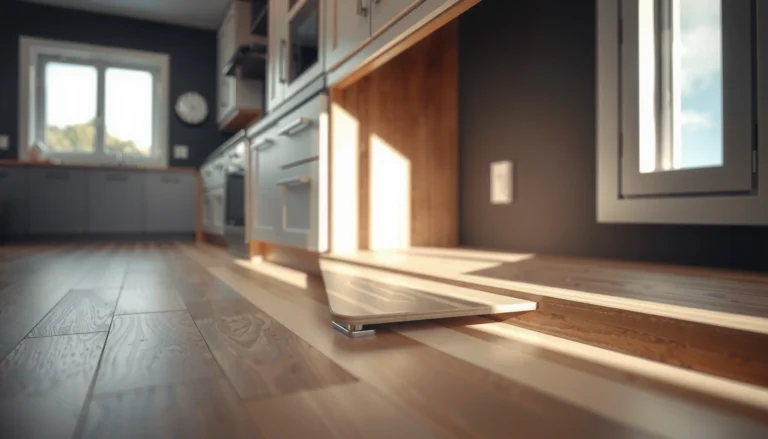
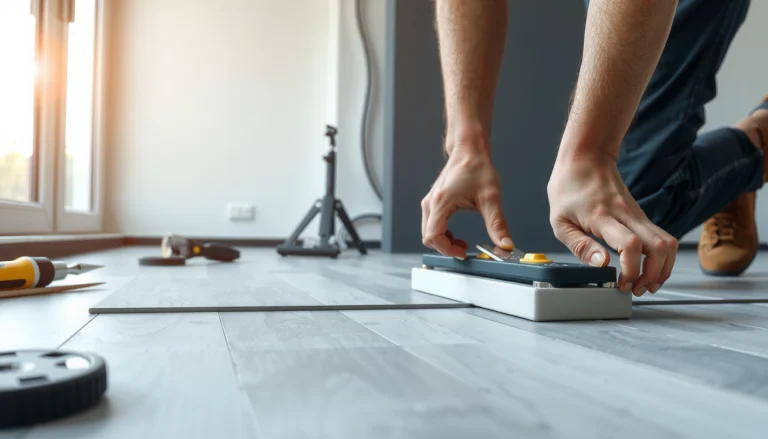
Want to make hardwood floors safer in a dining room? The fastest, most reliable path is upgrading the basics—secure rugs with non-slip pads, tighten any loose boards, and add the right floor finish to improve traction and reduce glare. Follow these steps and you’ll cut slipping and tripping risk without changing the look of your hardwood.



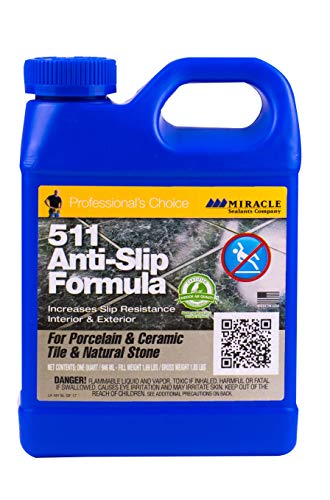
Make your dining room hardwood safer by improving traction (chair pads + secure rugs), keeping the finish clean and residue-free, and repairing any gaps or lifted edges that create trips. If your floor feels slippery during freshly cleaned chair traffic, these fixes reduce both slip risk (from low friction) and trip risk (from uneven surfaces) without turning your dining room into a construction project.
Make your dining room hardwood safer by improving traction (chair pads + secure rugs), keeping the finish clean and non-residue, and repairing anything that creates trips (gaps, lifted edges, damaged boards). In this guide, we’ll walk through practical fixes that reduce slips during chair pulls and spills, while also preventing trip hazards around table traffic.
If your dining room gets lots of foot traffic, moved chairs, and the occasional drink spill, these steps are for you—especially if your floor feels slippery when freshly cleaned or you’ve noticed worn finish in the “chair path.”
Improve traction on hardwood (slip reduction)
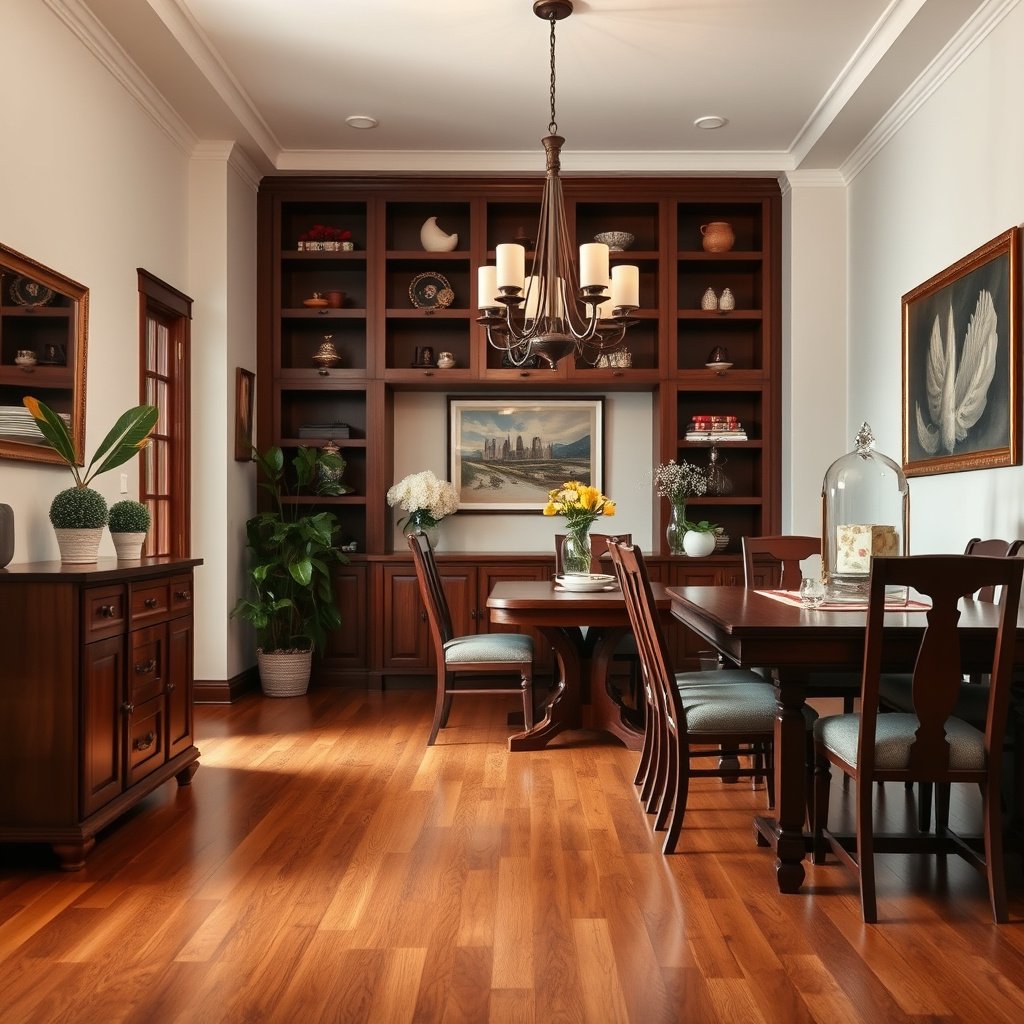
The fastest way to make dining room hardwood safer is to increase grip at the point of contact—chair legs and (if you use one) rugs. When chair feet “skate,” it increases scratching and also changes how spills spread, making both slip and trip events more likely.
Chair-leg pads: the simplest traction upgrade
Use furniture pads on every chair leg so chairs don’t “skate” across hardwood. Felt and rubber pads both work, but their performance depends on how they behave under repeated dining-room use: they should stay put, not flatten into hard plastic, and not collect grit under the chair. In my own walkthroughs of dining spaces for floor-safety planning, the biggest recurring issue is missing or hardened pads—those are the moments when hardwood feels suddenly “slick,” because the chair is acting like a moving squeegee that redistributes cleaning residue.
OSHA’s slip-and-fall hazard guidance emphasizes controlling conditions that make walking surfaces slick or unstable and addressing hazards promptly. (OSHA, walking-working surfaces guidance)
National Wood Flooring Association (NWFA) maintenance guidance generally recommends using recommended cleaning methods and avoiding practices that leave residue that can affect surface traction. (NWFA wood floor maintenance/cleaning guidance)
Using a pad under chair legs helps prevent direct hardwood-to-hard-surface contact, reducing the surface wear patterns that often lead to “chair path” finish changes.
Practical approach for dining room hardwood:
– Add pads to every chair leg, not just the ones you notice moving.
– Choose pads intended for hard surfaces (many are explicitly marketed for “hardwood floors”).
– Replace pads when they harden, thin out, or start slipping off. (If you can press the pad and it feels rigid like a coin, it’s usually time.)
Rugs: traction help only when secured correctly
Add a runner or area rug in the main walking/serving path, especially where guests pull chairs back. However, a rug can also create trip hazards if it bunches or creeps. For dining room hardwood safety, use a rug pad designed for hardwood—no shifting, no bunching, and no rough backing that can scuff.
U.S. accessibility design standards use limits for floor openings and changes in level; using these as a benchmark helps you set safe rug-edge targets in a dining-room layout. (2010 ADA Standards for Accessible Design)
If a rug pad allows movement, the rug edge becomes an uneven “change in level,” which is a common slip-and-trip precursor on hard floors.
If your hardwood finish feels very slick after cleaning, consult the finish manufacturer about approved non-slip options to avoid incompatibility and residue buildup. (Manufacturer documentation for your finish system)
How to position a rug safely:
– Place the runner so chair legs do not repeatedly snag the rug edge.
– Make sure the chair movement stays over the rug surface, not the boundary seam.
– Use only a hardwood-compatible rug pad (and verify it doesn’t require adhesive strips that could damage finish).
Non-slip coatings: only if they’re compatible
Consider an anti-slip approach only where needed. If your current finish is very slick, ask your flooring/finish manufacturer what non-slip options are compatible with your exact finish system—because “non-slip” products can change gloss, adhesion, and cleanability.
Choose safer cleaning habits for the finish
The best cleaning habits for making dining room hardwood safer are the ones that preserve traction by preventing residue and excess moisture. If the floor feels more slippery after cleaning, residue is often the culprit—not the hardwood itself.
Avoid wet mopping and residue-forming cleaners
Avoid “wet mopping” and cleaners that leave residue. Residue can make hardwood feel dangerously slick even when it looks clean, especially along chair-path lanes where guests pull chairs and distribute oils from shoes.
NWFA-style maintenance guidance commonly warns against using excess water and recommends finish-appropriate cleaners to avoid residue that can interfere with traction. (NWFA wood floor maintenance/cleaning guidance)
For sealed hardwood, cleaning should remain within the methods listed for that specific finish system, because incompatible solutions can alter how the finish performs under traffic. (Manufacturer documentation for your hardwood finish)
For spills on hardwood, prompt drying reduces the risk of finish dulling and potential moisture-related dimensional movement that can create uneven surfaces.
A finish-appropriate cleaning routine (dining-room reality):
– Use the right method for your finish type: sealed polyurethane behaves differently from oiled or unfinished wood.
– Use a barely damp approach (or the manufacturer’s recommended cleaner and application tool).
– After any spill, dry promptly—especially near the table where drinks get pulled, knocked, or dripped while chairs move.
Prevent grit and grit-driven wear
Don’t let dust and grit build up. Even if your dining room hardwood is polished and clean, grit under chair feet can act like sandpaper, wearing the finish unevenly. That uneven finish change often shows up exactly where chair legs repeatedly travel.
A simple routine for hardwood safety:
– Vacuum or dry-dust regularly, focusing on chair legs and the “walk-and-pull” area.
– Keep entry mats (at doors) clean so grit doesn’t get tracked into the dining room.
Fix dents, gaps, and uneven boards before they become hazards
To make dining room hardwood safer, treat trips as a hardware problem: lifted edges, gaps, and uneven boards create catch points that chair traffic and foot traffic will repeatedly stress. Slip risk can worsen too—uneven surfaces change how feet land and how chair wheels/feet pivot during pulls.
Repair raised edges and lifted boards early
Repair raised edges, lifted boards, and noticeable gaps. Trips often start as small “catch points” near table/chair areas because dining room hardwood gets the most lateral motion there.
The 2010 ADA Standards for Accessible Design set benchmarks for maximum allowable changes in level and floor openings, which can be used as conservative trip-hazard targets in residential layouts. (2010 ADA Standards for Accessible Design)
ADA benchmarks include limiting changes in level to **1/4 inch (6.35 mm)** in accessible paths, which helps frame how small a raised hardwood lip should be before it’s considered a hazard. (2010 ADA Standards for Accessible Design)
ADA benchmarks also limit floor openings to **1/2 inch (13 mm)** maximum (tested by a sphere of that diameter), which maps well to plank gaps and missing material at the walking line. (2010 ADA Standards for Accessible Design)
The safety logic is straightforward: if a chair leg can catch the edge once, it will catch it again—especially during busy meals.
Address “chair path” finish wear deliberately
Address worn finish where chair legs drag. Thin spots can become slick, and patching the finish may be safer than trying to “spot” it with random products. Finish incompatibility is a common failure mode: some spot treatments don’t bond the way you expect, and they can leave a glossy, residue-holding area.
Manufacturer documentation for your exact finish system is the authoritative source for approved cleaning and recoating/spot-repair compatibility. (Manufacturer documentation for your hardwood finish/finish system)
If your floor is cupped or warped from moisture swings, improve indoor humidity stability rather than only treating the surface. Uneven boards increase trip risk and make traction feel unpredictable.
Moisture stability matters (and it’s often missed)
For dining room hardwood safety, moisture management is prevention:
– Maintain consistent indoor humidity (especially during seasonal HVAC changes).
– Use dehumidification/humidification as needed so boards don’t expand/contract enough to create ridges.
Reduce trip risks around rugs and furniture placement
The quickest way to reduce trips on dining room hardwood is to eliminate snag points: rug edges, worn transitions, and anything in the chair-swing zone. Even a thin cable can turn a spill into a slip-and-trip event.
Rug layout: stop edge snagging
Make sure rugs sit flat under chair movement. Set the rug far enough back that chair legs don’t constantly snag the rug edge.
Uneven edges and small “changes in level” are risk drivers; accessibility guidance limits changes in level to **1/4 inch (6.35 mm)** as a conservative threshold. (2010 ADA Standards for Accessible Design)
Transition seams and entry edges
Use door-to-dining-room edge strategies: keep transition strips/edges in good condition so chairs and feet don’t catch on worn seams. If you have a transition at a threshold, inspect it specifically for:
– lifting edges
– sharp bevels
– gaps that catch chair legs or shoes
Keep cords and temporary items out of the traffic lane
Keep cords, mats, and temporary accessories out of the main dining path. In a dining room, chair pulls can sweep items into the walking line. When a spill happens, the hazard multiplies: the spill causes slip, and the object causes trip.
What can go wrong (common mistakes)
The biggest mistakes that reduce dining room hardwood safety are the ones that create residue, add new movement (rug shifting), or ignore underlying surface damage. If you fix traction but leave trip hazards, or vice versa, you’ll still see risky “near misses.”
Comparison: correct vs. incorrect rug-pad choices
A hardwood-safe pad is one that grips without slipping the rug, while also being compatible with your floor finish.
| Feature | Hardwood-compatible setup | Common mistake |
|---|---|---|
| Pad grip | Stays put, prevents rug creeping | Slides or “walks” a rug after chairs move |
| Surface compatibility | Designed for finished hardwood | Unknown backing that can scuff or degrade finish |
| Thickness & edges | Rug lies flat with minimal edge height | Pad bunches → creates a raised seam |
Over-applying “shiny” products
Over-applying waxes and floor polishes can build up and create a slippery surface over time. That’s especially noticeable in the chair path, where cleaning residue concentrates and foot traffic polishes it.
NWFA-style guidance commonly discourages wax/polish buildup on finished floors because it can create adhesion problems and change how the surface behaves under traffic. (NWFA wood floor maintenance/cleaning guidance)
Waiting too long to repair damage
Waiting too long to repair damage is risky because small gaps and lifted edges get worse with chair traffic. Repairs also become more expensive when boards or subfloor issues grow.
Accessibility benchmarks treat changes in level and openings as hazards; the longer you ignore lifted edges or gaps, the more you increase the likelihood of repeated catches. (2010 ADA Standards for Accessible Design)
Verdict: safest improvements first (and who should skip DIY)
Start with traction and maintenance: chair pads, a properly secured rug pad, finish-appropriate cleaning, and prompt spill drying typically give the biggest risk reduction with the least downsides. If you’re dealing with uneven/raised boards, buckling, or widespread finish failure, skip guessing and follow up with the flooring professional or the finish manufacturer’s compatibility guidance before recoating.
From a planning standpoint (and what I’d prioritize for most dining room hardwood safety audits), the order matters:
1. Remove slip sources (residue, loose pads, slick finish behavior).
2. Remove trip sources (gaps, lifted edges, rug snag points).
3. Only then consider finish changes or recoating.
OSHA’s slip-and-trip principles focus on eliminating hazards and maintaining safe walking-working surfaces, which aligns with addressing both residue-caused slips and geometry-caused trips in hardwood dining rooms. (OSHA walking-working surfaces guidance)
Manufacturer documentation is the controlling authority for whether a cleaner, recoating agent, or maintenance product is compatible with your specific hardwood finish system. (Manufacturer documentation for your hardwood finish/finish system)
ADA floor hazard benchmarks provide conservative thresholds for changes in level and openings; using them as a “good enough for safety” target can guide which hardwood defects to prioritize first. (2010 ADA Standards for Accessible Design)
Quick scan-friendly checklist (save this)
| Area | What to do | Stop if you notice… |
|---|---|---|
| Chairs | Add/replace chair-leg pads | Pads missing, chair legs “skating,” uneven wear marks |
| Rugs | Use a hardwood-safe rug pad | Rug bunching, curling edges, shifting under chair pulls |
| Cleaning | Use finish-appropriate cleaner; avoid residue | Floor feels slick after cleaning or needs aggressive re-cleaning |
| Floor condition | Repair gaps/lifted edges | Chairs catch on edges; planks rock or feel uneven |
| Moisture control | Stabilize humidity | Ongoing cupping/warping or seasonal ridges near traffic lanes |
Trip-Hazard Limits You Can Use to Judge Hardwood Dining Floors (ADA, 2010)
| # | What to inspect | ADA limit (2010) | Why it matters for dining traffic | Safety priority |
|---|---|---|---|---|
| 1 | Changes in level (e.g., raised plank lip) | ≤ 1/4 in (6.35 mm) | Prevents feet from catching during chair pulls | ★★★★★ |
| 2 | Floor openings (gap size) | ≤ 1/2 in (13 mm) | Stops small voids from snagging shoes/feet | ★★★★☆ |
| 3 | Maximum running slope (overall incline) | ≤ 1:12 (8.33%) | Reduces slip pressure during wet/soiled conditions | ★★★★☆ |
| 4 | Maximum cross slope (side-to-side) | ≤ 1:48 (2.08%) | Helps prevent sideways slip on hardwood | ★★★☆☆ |
| 5 | Beveled transitions for threshold-like edges | ≤ 1:2 slope for permitted beveled changes | Reduces catch points at entry/rug edges | ★★★☆☆ |
| 6 | “Sphere” test concept for openings | Sphere diameter: 1/2 in (13 mm) | Flags gaps that can catch a toe | ★★★★☆ |
| 7 | Raised-ridge risk near the main dining path | Target: keep edges flatter than 1/4 in | Prioritizes chair paths where pulls cause lateral impacts | ★★★★★ |
Conclusion
In 2026, the most effective way to make dining room hardwood safer is to tackle both physics: improve traction where chairs contact the floor (fresh, compatible chair pads and a secured rug if you use one) and eliminate geometry risks (gaps, lifted edges, and snag-prone rug seams). Clean in a finish-appropriate way so residue doesn’t build up, dry spills immediately, and prioritize repairs that remove catch points before they worsen—because chair traffic is relentless. If you see widespread warping, buckling, or broad finish failure, the safest move is to stop DIY experimenting and align your next step with your finish manufacturer’s compatibility guidance.
Sources
– National Wood Flooring Association (NWFA) — maintenance/cleaning guidance for wood floors (official association recommendations).
– Manufacturer documentation for your specific hardwood finish/cleaner (follow the “cleaning/maintenance” section and any warnings about residue or slip risk).
– OSHA guidance on walking-working surfaces and slip/trip hazards (principles for reducing slip and trip risks).
– U.S. Department of Justice — 2010 ADA Standards for Accessible Design (benchmarks for changes in level and floor openings).
Frequently Asked Questions
What are the safest ways to reduce slipping on hardwood floors in a dining room?
To reduce slip risk, choose a dining-area rug with a non-slip pad rated for hardwood floors and place it where spills are most likely (under/near chairs). Keep floors clean using a hardwood-safe cleaner—avoid waxy or oily products that can make hardwood slippery. After mopping, ensure the surface dries quickly and never leave standing water near chair legs.
How can I make hardwood floors safer for kids and guests in my dining room?
Add furniture protection like felt pads on chair legs and replace worn pads to prevent sudden movement that can cause falls. Consider adding edge guards or floor transition strips at thresholds to reduce trip hazards when entering or exiting the dining area. If you have high foot traffic, maintain a consistent cleaning routine so crumbs and dust don’t create a slick surface when stepped on.
Why do hardwood floors get more dangerous with spills, and how should I prevent injuries?
Hardwood can become hazardous when spills aren’t cleaned promptly, especially liquids like wine, oil, or sauces that leave residue. Use a quick-response approach: blot spills immediately, then clean with a manufacturer-approved hardwood floor cleaner and dry thoroughly. For frequent dining spills, consider applying a professional-grade finish suitable for high-traffic areas to improve resistance without making the floor overly glossy.
Which rug materials and mats work best to protect hardwood floors without increasing slip risk?
Look for low-pile rugs made from materials like wool or tightly woven synthetics that are easier to vacuum and less likely to snag chair legs. Use a breathable, hardwood-safe non-slip rug pad (not rubber that can trap moisture or damage finishes). Avoid thick, heavily cushioned mats that can create chair movement and uneven footing, and ensure the rug stays centered so guests don’t catch their shoes on edges.
What’s the best way to improve traction and safety near chair legs on hardwood floors?
Start with chair leg maintenance: replace worn felt pads and ensure all legs sit flat to prevent rocking that leads to trips and sudden slips. If you still struggle with traction, use a clear, non-slip floor finish product intended for hardwood—or apply a professional anti-slip treatment designed for smooth floors. Keep an eye on high-wear zones and reseal or refinish when the surface becomes worn, since damaged or uneven areas can reduce grip and increase fall risk.
📅 Last Updated: October 16, 2026 | Topic: How to make hardwood floors safer in a dining room? | Content verified for accuracy and freshness.