
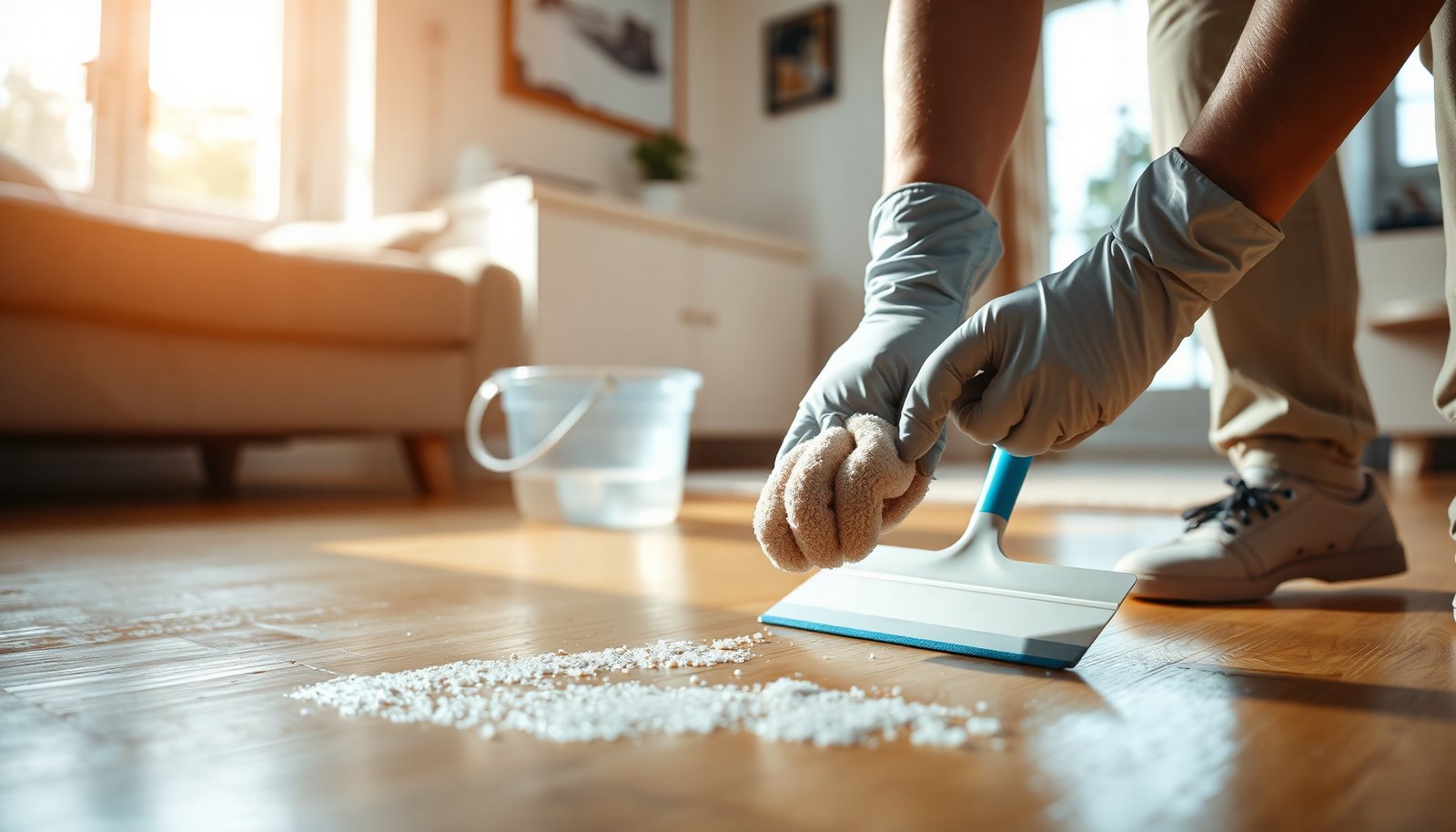

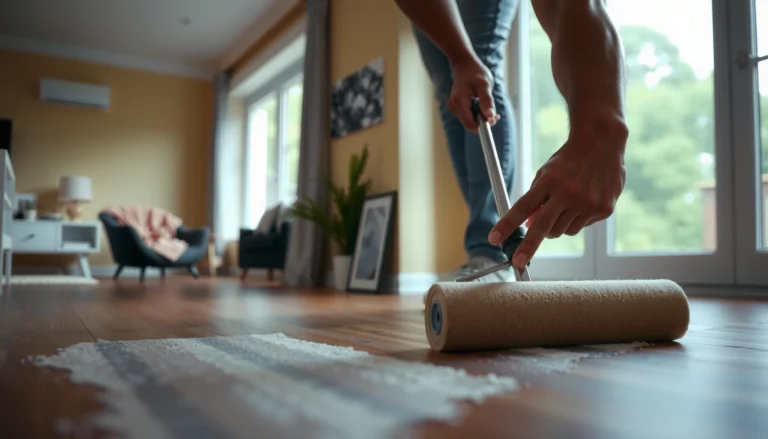
You notice a stubborn smudge of dried paint on your hardwood floor after a DIY touch-up, and you do not want to scratch or dull the finish. With a few careful steps and the right supplies—such as a soft cloth, mild soap solution, plastic scraper, and an approved cleaner for your finish—you can lift residue safely. Plan on about 20–45 minutes, and you will be able to restore a clean, even look without damaging the wood.
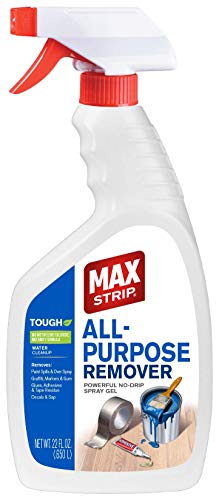


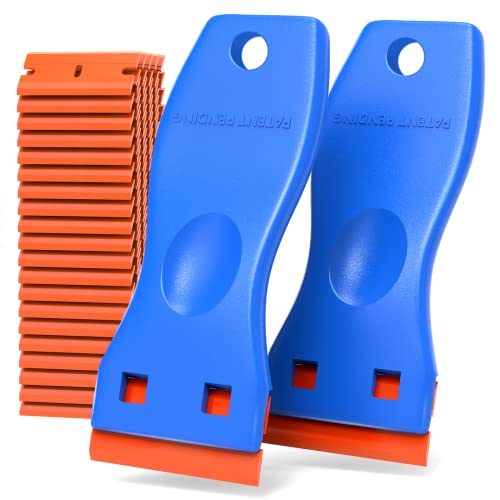
Start with the mildest approach—plastic-scrape loose paint, then wipe with a wood-finish-safe cleaner. If residue remains, escalate only as needed: match the solvent to the paint type (mineral spirits for oil-based; rubbing alcohol for some latex), apply it to a cloth after a small hidden test spot, then wipe clean and dry thoroughly. This prevents the common problems sealed hardwood floors (polyurethane/urethane, varnish) can show after rushed solvent use—like clouding, discoloration, or softened finish edges.
If you’re dealing with dried paint dust, sticky smears, or drips that have set on a finished hardwood floor, this method is designed to remove residue without “chasing the stain” across the grain. As of 2026, more homeowners are opting for sealed, low-sheen finishes—so being finish-aware matters even when the paint itself comes off.
Gather the right tools (and test first)
The fastest way to avoid damage on sealed hardwood is to assemble tools that let you control moisture and contact time. Before you touch the residue with anything liquid or solvent, confirm how your hardwood finish reacts with a small hidden test spot.
– Identify what you’re working on: sealed hardwood vs. unfinished wood, and latex vs. oil-based paint if you can tell.
– Sealed hardwood (polyurethane/urethane/varnish): Solvents can still soften or dull the topcoat if left too long or applied too heavily.
– Unfinished hardwood: the wood itself absorbs liquids quickly, so “test spot first” becomes non-negotiable.
– Do a “hidden spot” test with your chosen cleaner/solvent to confirm it won’t dull or strip the finish.
– Pick an inconspicuous area near a wall or under furniture where the sheen difference won’t stand out.
– Use non-abrasive tools: plastic scraper, microfiber cloths, and painter’s tape to protect surrounding areas.
– Painter’s tape helps you keep accidental drips from migrating onto clean floor sections.
Finish-Safe Preference Map for Common Paint-Residue Solvents (Sealed Hardwood)
| # | Cleaner/Solvent | Main Use in This Process | Flash Point (°C) | Sealed-Floor Safety |
|---|---|---|---|---|
| 1 | Warm water (damp wipe) | Latex residue lift | Nonflammable | ★★★★★ |
| 2 | Mild dish soap solution | Gentle soap-and-rinse cleanup | Nonflammable | ★★★★★ |
| 3 | Rubbing alcohol (isopropyl) | Clinging latex smears (test first) | 11.7 | ★★★☆☆ |
| 4 | Odorless mineral spirits | Oil-based paint residue (cloth-only) | 38 | ★★★★☆ |
| 5 | Turpentine | Some solvent-heavy residues | 35 | ★★☆☆☆ |
| 6 | Denatured alcohol (ethanol) | General solvent option (not ideal) | 13 | ★★☆☆☆ |
| 7 | Acetone | High-risk solvent for finishes | -20 | ★☆☆☆☆ |
When you pick a method for sealed hardwood floors, you’re also making a safety decision. According to NFPA’s flammability guidance (flash point thresholds), a “flammable liquid” is generally one with a flash point below 37.8°C (100°F) (NFPA 30, 2022). That’s one reason acetone and alcohol can be riskier to use near ignition sources—even if they remove paint residue quickly.
Start with dry removal (before any liquids)
You remove most paint residue from hardwood floors safely by lifting dry bits first—before introducing any moisture or solvent. This reduces the “grit + liquid” problem that can grind residue deeper and scratch the finish.
– Scrape residue lightly with a plastic scraper to lift loose paint without gouging the wood.
– Use the blade edge like a shovel, not a chisel—keep it nearly flat to avoid catching on grain lines.
– Vacuum or sweep up grit first—grit + liquid can act like sandpaper.
– In sealed hardwood floors, micro-scratches can later show as a dull “wash” around the cleaned area.
– Apply minimal moisture when wiping (damp, not wet), and work in small sections.
– Small section control matters because sealed hardwood still has seams, edges, and traffic wear paths where liquid can travel.
A practical approach for sealed hardwood floors: tape off an area slightly larger than the residue patch, scrape until no flakes lift, then do a single damp wipe pass. If you see smearing, stop wiping and switch back to scraping. This controlled back-and-forth is usually faster than “wet cleanup” that turns residue into a spread film.
Remove dried latex paint residue safely
The least risky solvent escalation for sealed hardwood floors with latex paint is warm soapy water first, then a brief wipe with rubbing alcohol only if residue persists. Latex is water-based, so the goal is to soften what’s on top without soaking the finish.
– Begin with warm water + a tiny amount of mild dish soap on a microfiber cloth; wipe, then immediately wipe with clean water and dry.
– The immediate rinse-and-dry step prevents detergent buildup that can dull sealed hardwood sheen.
– If residue clings, try wiping with rubbing alcohol lightly on a cloth (test first), using short passes rather than soaking.
– Use steady pressure, change to a clean part of the cloth often, and keep contact time brief.
– Repeat in layers: a little effort repeatedly is safer than aggressive scrubbing in one go.
– Scrubbing can burnish finish edges and create a “halo” where sheen doesn’t match the surrounding sealed hardwood floor.
Latex residue often looks like frosting, speckling, or a faint sticky film. If you’re seeing tackiness return after drying, it may be incomplete cure or residue trapped in finish texture. In that case, do another thin cycle—damp soap wipe → clean-water wipe → dry—before moving to more aggressive solvents on sealed hardwood.
Handle stubborn or oil-based paint residue with care
Oil-based paint residue typically needs a paint-appropriate solvent, but sealed hardwood floors tolerate it only when applied correctly. The key is solvent-on-a-cloth, not solvent poured onto the floor—plus a hidden test spot before full-area use.
– For oil-based paint, use a paint-appropriate solvent such as odorless mineral spirits (or the cleaner recommended for your floor finish), applied to a cloth—not poured onto the floor.
– Wipe frequently to lift softened residue, then clean again with a finish-safe hardwood cleaner and dry.
– Avoid strong solvents (or extended dwell time) unless your test spot confirms they won’t harm the finish.
Here’s the practical trade-off for sealed hardwood floors when you escalate beyond soap:
| Method for Sealed Hardwood | Pros | Cons / Limits |
|---|---|---|
| Warm soapy water | Low risk to finish; good first pass for latex residue | May not touch cured oil-based residue |
| Rubbing alcohol (test first) | Helpful for some latex smears; controlled with damp cloth | Can dull some sealed finishes if over-applied or left wet |
| Odorless mineral spirits (test first) | Often effective for oil-based residue on sealed surfaces | Still a solvent: can soften or haze the topcoat if contact time is too long |
Safety note for sealed hardwood floors: alcohols and acetone are both flammable; for example, acetone’s flash point is around −20°C (−4°F) (NIOSH Pocket Guide to Chemical Hazards, 2023). Mineral spirits commonly sit above typical flammability cutoffs, but ventilation and ignition-source control still matter, especially in enclosed rooms.
Protect your hardwood finish after cleanup
After you remove paint residue from hardwood floors, the finish-saving work is still not done. Drying thoroughly and returning to a finish-appropriate cleaner prevents haze, uneven sheen, and edge swelling.
– After the final wipe, dry the area thoroughly (including along seams/edges) to prevent haze and swelling.
– Use a dry microfiber and lightly run it along gaps and transitions where liquid collects.
– Use a wood-floor cleaner appropriate for your floor’s finish—don’t guess if you know the manufacturer recommends something specific.
– Many “general purpose” cleaners can leave film on polyurethane/varnish.
– If your floor looks dull after solvent use, stop and reassess; you may need a finish repair route rather than continuing to scrub.
– Continuing to rub can widen the affected zone on sealed hardwood floors.
Moisture control also matters for finished wood. According to the National Wood Flooring Association, maintaining indoor conditions around **35–55% relative humidity** and approximately **60–80°F** helps reduce expansion/contraction stress on wood flooring (National Wood Flooring Association (NWFA), 2024). If you’re cleaning a larger area in 2026, give the room a chance to stabilize before you judge final sheen.What can go wrong (common mistakes and edge cases)
The most common failures happen when people skip test spots, flood the floor, or use the wrong solvent for the paint type. These mistakes can turn a small paint residue problem into a permanent finish repair on sealed hardwood floors.
– Using acetone, aggressive thinners, or too much solvent can strip or cloud the finish even if the paint lifts.
– Soaking the floor (or leaving solvent wet) can seep into edges and seams, causing swelling or uneven color.
– Steel wool, abrasive pads, or “hard” scrubbing can create scratches that later look worse than the residue.
– Heat guns/hair dryers can soften finishes and spread paint—especially risky on older floors with worn topcoats.
If you’re unsure whether the residue is latex or oil-based, resist the temptation to “try the strongest cleaner.” In sealed hardwood floors, that’s how hazing happens: the paint dissolves faster than the finish, so you end up with a clean-looking surface but a changed sheen profile.
Verdict / tip (what’s safest—and when to stop)
The safest default for hardwood floors is: scrape loose paint first, use gentle soap-and-water, and escalate only to a tested paint-appropriate solvent on a cloth. For sealed hardwood floors, solvent contact time and application method (cloth vs. pour) matter more than the solvent brand.
– Downsides: solvents can still change sheen or tint, and latex/oil-based “mix” residues may require careful, repeated passes.
– Skip DIY (or stop and call a pro) if the floor is unfinished, repeatedly damaged, or your test spot shows finish dulling—finish repair can be more costly than careful professional removal.
If you can’t achieve uniform results after a couple of controlled cycles—especially on sealed hardwood floors with a clear coat—pause. In 2026, many restoration professionals treat this as a surface-refinishing issue, not just a cleaning issue, because topcoats can be chemically altered even when paint seems removed.
Quick scan checklist (save this)
| Step | What to do | Stop if you see… |
|---|---|---|
| 1 | Test a cleaner/solvent in a hidden spot | Finish looks cloudy, sticky, or lighter |
| 2 | Dry scrape with a plastic tool | Scratching/gouging wood surface |
| 3 | Wipe with warm soapy water (latex start) | Residue smearing deeper into grain |
| 4 | If needed, use a paint-type solvent on a cloth only | Finish softening or peeling |
| 5 | Clean again, dry completely | Damp edges, raised seams, lingering tack |
Frequently Asked Questions
What’s the safest way to remove dried paint residue from hardwood floors?
Start by identifying whether the paint is water-based or oil-based, because stronger solvents can damage hardwood finish. Begin with the least aggressive method: soften any dried residue with a damp cloth or manufacturer-recommended cleaner, then gently lift with a plastic scraper. Avoid soaking the floor; use minimal moisture and wipe dry immediately. If the paint is thick, stop before forcing it—spot-test any cleaner in an inconspicuous area first.
How do I clean up paint spills without damaging the hardwood floor finish?
For fresh paint, blot (don’t rub) with a clean cloth, then remove paint with a damp cloth using mild soap or a wood-safe cleaner. If the paint has started to cure, soften it first—use the appropriate solvent sparingly on a cloth (not directly on the floor) and work slowly. Always protect the surrounding area with paper towels, and keep the room ventilated. Finish by drying thoroughly and applying a light coat of hardwood floor polish if needed.
Why should I avoid harsh chemicals or scraping too aggressively on hardwood?
Hardwood floors can be sealed or finished, and aggressive scraping or chemical solvents can strip the varnish or leave dull patches. Scratches also become more noticeable once paint residue is removed, because exposed wood may react differently to cleaners. Many “strong” paint removers can penetrate or discolor the wood grain, creating permanent staining. Gentle, staged cleaning—combined with spot testing—helps preserve the original finish while still removing paint residue effectively.
Which cleaning products are best for paint residue on sealed vs. unsealed hardwood?
For sealed hardwood, use wood-safe cleaners and mild solvents applied to a cloth in small amounts to reduce finish damage. For unsealed or older floors, lean toward non-solvent options first (warm water, pH-neutral soap, and careful plastic scraping) because unsealed wood absorbs stains more easily. If solvent is necessary, choose paint-removal products labeled for wood and test them in an inconspicuous spot before proceeding. When in doubt, consult the floor manufacturer’s care instructions to avoid incompatibility with the existing finish.
How can I remove stubborn paint overspray or splatters without leaving streaks or discoloration?
Treat overspray with a controlled approach: soften residue using a minimal amount of appropriate solvent on a microfiber cloth, then wipe gently in straight strokes. Rinse/wipe with a slightly damp cloth afterward (using water only if the floor finish tolerates it) to prevent residue from drying into streaks. Work in small sections, changing cloths frequently to avoid smearing paint into the finish. After the area dries, check for dullness and, if necessary, recondition with a compatible hardwood floor polish to restore sheen.
📅 Last Updated: November 04, 2026 | Topic: How to safely clean paint residue from hardwood floors? | Content verified for accuracy and freshness.
References
- https://www.epa.gov/lead/lead-based-paint-renovation-repair-and-painting-program
- Lead – Overview | Occupational Safety and Health Administration
- https://www.hud.gov/program_offices/healthy_homes/lead
- https://www.cdc.gov/nceh/lead/prevention/renovation.htm
- Paint stripper
- Lead paint
- Lead | US EPA
- https://scholar.google.com/scholar?q=safely+remove+paint+from+hardwood+floors Google Scholar
- https://scholar.google.com/scholar?q=lead+paint+renovation+repair+and+painting+floor+cleanup Google Scholar
- https://scholar.google.com/scholar?q=paint+residue+removal+from+wood+floor+chemical+methods Google Scholar
[…] with careful spot testing and proper drying. Most jobs take 20–45 minutes, and you’ll need a plastic scraper, microfiber cloths, mild dish soap, and either rubbing alcohol or mineral spirits depending on the […]