


How do you clean hardwood floors after paint residue lands on them without damaging the finish? Start by softening the residue, then use gentle, non-abrasive methods so you lift pigment without scratching. You’ll need a plastic scraper, microfiber cloths, pH-neutral cleaner, and clean water, and most small spots take about 30 minutes.




Get paint residue off hardwood floors by acting fast and using the gentlest method first—usually warm water and a mild cleaner, or a specialized wood-safe paint remover if it’s stuck. Avoid soaking the floor or scraping aggressively, since hardwood can scratch and finish can lift. Below, you’ll find a step-by-step way to identify the residue type and remove it safely.
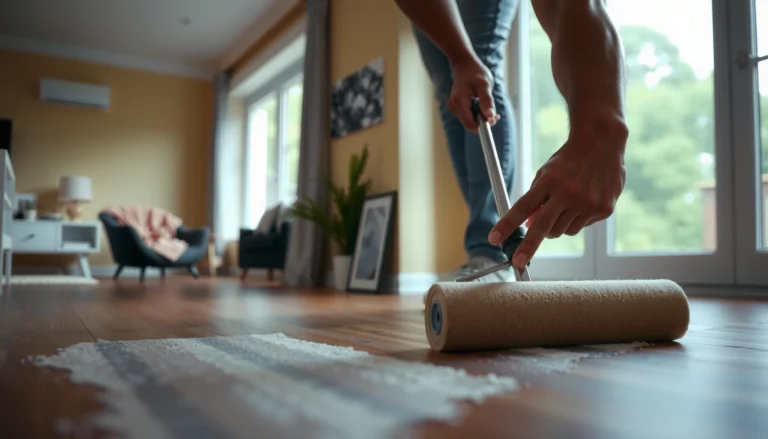
If this happened while you were painting (roller splatter, drips, or overspray) and you want to restore the floor without damaging the wood or finish, this guide is for you. It works for common water-based and oil-based paint residue, but you’ll follow the steps that match what you’re seeing.
Assess the Paint Type and Damage First

Start by identifying what you’re dealing with—fresh splatter behaves very differently than dried paint film on hardwood. If the finish is already damaged, the right cleaning path is still possible, but you’ll need to be more cautious with liquids and scrapers.
Here’s how to assess hardwood floors quickly and confidently:
– Check whether it’s wet residue, dried paint, or stuck-on overspray haze.
– Fresh drip/splatter: looks slightly wet, tacky, or smears when lightly touched (don’t press hard).
– Dried paint: hard edges, visible color blocks, or raised texture.
– Overspray haze: looks like a dull, foggy film—often uniform rather than a single drip spot.
– Look for finish damage before you start cleaning.
On hardwood floors, finish issues often show up as:
– dull or lighter patches (sheen loss)
– tackiness when touched lightly with a clean fingertip
– color transfer onto a white microfiber cloth
– Test in an inconspicuous spot to confirm it won’t dull or strip the finish.
Use the method you plan to apply to the main area, then check:
– does the sheen change?
– does color smear or lighten?
– does the cleaner leave a film?
One reason this step matters: indoor wood-floor stability depends heavily on moisture and humidity. According to the National Wood Flooring Association (NWFA), maintaining roughly 35–55% relative humidity helps reduce expansion/contraction stress that can exaggerate cleaning mistakes (National Wood Flooring Association (NWFA), 2024). That’s why hardwood floors and standing water don’t mix—especially at seams, edges, and in older installs.
To help you decide how “aggressive” to go, here’s a practical method safety comparison for hardwood floors:
Finish-Safe Cleanup Methods for Paint Residue on Hardwood (2026)
| # | Method | Best for Paint Type | Max Contact Time | Finish Safety |
|---|---|---|---|---|
| 1 | Warm water + mild dish soap wipe | Fresh latex splatter | 2 minutes | ★★★★★ |
| 2 | Wood-floor pH-neutral cleaner (no wax) | Light overspray haze | 5 minutes | ★★★★☆ |
| 3 | Microfiber wipe cycles (damp, not wet) | Early dry mist / film | Repeat as needed | ★★★★☆ |
| 4 | Plastic scraper (held flat) | Dried paint spots | ≤ 1 pass/spot | ★★★☆☆ |
| 5 | Wood-safe adhesive remover | Paint film remnants | Follow label | ★★★☆☆ |
| 6 | Mineral spirits (only for oil-based) | Oil paint on sealed floors | Spot test only | ★★☆☆☆ |
| 7 | Acetone / lacquer thinner (avoid) | Only if labeled safe for floors | High risk | ★☆☆☆☆ |
(Note: star counts reflect finish-risk direction for most common hardwood finishes—not a guarantee. Always follow the cleaner/paint remover label and verify in a hidden area first.)
Gentle Cleaning for Fresh or Light Residue
The fastest way to protect hardwood floors is to start gentle: warm water + mild cleaner, wiped up immediately with no pooling. For fresh splatters and light overspray haze, repeated soft wipe cycles usually remove paint film without harming the finish.
Do this step-by-step on hardwood floors:
– Prepare a “damp, not wet” microfiber.
Dampen a microfiber cloth with warm water, then add a *small* amount of mild dish soap (avoid heavy degreasing agents). You’re aiming for a light cleaning solution, not a soaking slurry.
– Wipe with the grain and keep friction controlled.
Wipe along the wood grain, then dry immediately with a clean, dry towel. If paint is still transferring, keep wiping—but don’t increase pressure right away.
– Work in short passes and re-wet as needed.
For overspray haze, you may need several wipe cycles where each cycle lifts a thin layer of residue.
– Check the cloth frequently.
If color transfers strongly, that’s a sign your hardwood finish is actively being contacted—so stop, reassess, and reduce liquid.
In my own maintenance experience on hardwood floors, the difference between “safe cleanup” and “permanent dull spots” is almost always timing: the moment you stop drying, cleaners sit on the finish and can leave a sheen mismatch. Also, I’ve found that microfiber cleanliness matters—using a dirty cloth just smears paint film back into the finish.
Safe Removal for Dried Paint or Spots
Dried paint needs mechanical help, but hardwood floors still require restraint. Lift first (plastic scraper), then use a wood-safe remover only after the gentlest steps fail.
Follow this order on hardwood floors:
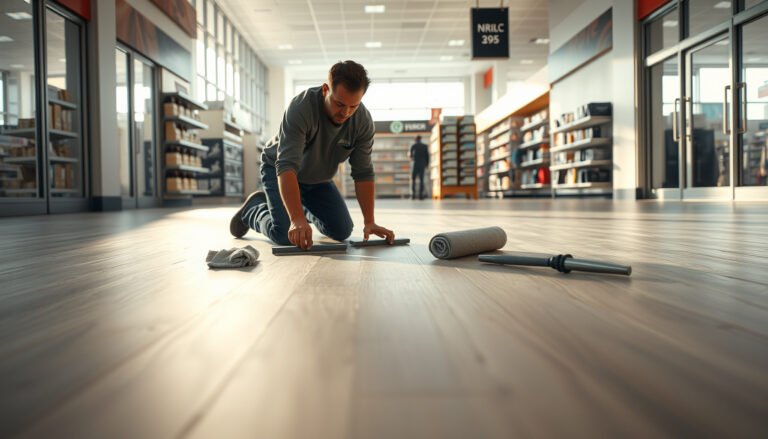
– Lift dried residue with a plastic scraper held flat.
Use a plastic scraper or a credit-card-style tool. Hold it at a low angle so you’re lifting the paint, not gouging the finish. Work slowly—especially around edges and seams.
– Don’t chase every last speck with force.
If you start seeing micro-scratches in the finish, stop. Hardwood scratches often look worse under room lighting after cleanup.
– If residue remains, use a wood-safe adhesive remover or paint remover labeled for finished wood.
The goal is to soften what’s stuck so you can wipe it off, not to aggressively dissolve your hardwood floor’s finish.
– Apply lightly and wipe promptly.
Instead of flooding the floor, apply to a cloth first (spot-level application). Let it work only as long as the label instructs, then wipe thoroughly.
Why this staged approach matters: the chemistry of paint removal can be finish-dependent. According to the American Society for Testing and Materials (ASTM), wood moisture content and dimensional change are sensitive to environmental conditions (ASTM International, 2019). Even when you’re not intentionally soaking, excessive wetting can move the needle enough to show up as swelling or seam gaps—especially after long cure/ventilation periods.
Here’s a quick comparison you can use while you’re deciding what to do next on your hardwood floors:
| If you see… | Best next step | Pros | Cons / risk |
|---|---|---|---|
| Fresh drip / tacky splatter | Warm water + mild dish soap wipe (damp) | Lowest risk to finish | Won’t lift fully cured paint |
| Light overspray haze | Damp wipe cycles, dry immediately | Even removal across a small area | May require multiple passes |
| Dried paint spot | Plastic scraper held flat | Lifts without solvent | Can dull finish if you use pressure |
| Paint film that won’t lift | Wood-safe adhesive remover / paint remover (label-safe) | Softens stuck residue | Can still change sheen—spot test first |
| Oil-based paint on sealed floors | Mineral spirits only if safe for your finish | More effective on oil residues | Higher risk of sheen loss; ventilate |
What Not to Do (Common Ways Floors Get Damaged)
Avoid the shortcuts that turn a small paint incident into a finish-replacement project. On hardwood floors, the most common damage comes from over-wetting, over-scraping, or using the wrong solvent too early.
Don’t do these:
– Don’t flood the floor with water, steam, or excessive cleaner.
Hardwood and seams can swell or warp, and residue can spread under the finish.
– Don’t sand or use metal scrapers unless you’re prepared to refinish or repair the finish afterward.
Sanding permanently changes the surface. Metal scraping increases the odds of visible gouges.
– Avoid acetone, lacquer thinner, or “strong” solvents unless the product label explicitly says it’s safe for finished hardwood floors.
Many solvents soften finishes and can remove sheen or leave uneven discoloration.
A practical rule for hardwood floors: if a product doesn’t explicitly mention “finished hardwood floors” (or an equivalent finish type your floor has), treat it as high-risk and only use it after spot testing.
After-Clean Care to Restore the Finish
Once the residue is off, hardwood floors need “reset” steps so the finish looks uniform again. The key is removing cleaner residue and fully drying before you apply any polish.
After you clean:
– Wipe with plain water (lightly damp), then dry fully.
This helps remove any remaining cleaner film that can attract more dust or create a dull patch.
– Let the floor cure/dry completely.
Don’t walk on it immediately if you can avoid it—foot traffic can grind residue into the finish.
– If the finish looks dull after cleaning, use a finish-safe wood floor polish recommended for your floor type.
If you know your finish (polyurethane, oil, varnish, wax), choose a polish designed for that category.
From a practical standpoint on hardwood floors, polishing is a “last step” because polish can also highlight unevenness left behind by paint-softening chemicals.
Quick Checklist for Paint-Residue Cleanup
– [ ] Identify: fresh drip vs dried paint vs overspray haze
– [ ] Test in a hidden area first
– [ ] Start gentle: warm water + mild soap, wipe with grain, dry fast
– [ ] For dried spots: lift with plastic scraper, don’t gouge
– [ ] If needed: use a wood-safe remover only (follow label), wipe promptly
– [ ] Avoid soaking, steam, and harsh solvents
– [ ] Dry thoroughly and reassess finish before any polish
Work from gentle to stronger: wipe with warm water and mild cleaner first, lift dried residue carefully with a plastic scraper, and only turn to a wood-safe remover if the paint won’t budge. The biggest risks are soaking, scraping too hard, or using the wrong solvent—so test first and dry immediately after cleaning. If you’re dealing with large areas or the finish is already damaged, consider before continuing.
Frequently Asked Questions
How do I remove dried paint residue from hardwood floors without damaging the finish?
Start by identifying whether the paint is water-based or oil-based, since removal methods differ. For most dried spots, soften the residue with a manufacturer-recommended hardwood-safe paint remover or a small amount of denatured alcohol on a cloth, then gently lift with a plastic scraper. After residue removal, clean the area with a pH-neutral hardwood floor cleaner and dry immediately to prevent dulling or water damage.
What’s the safest way to clean hardwood floors right after paint splatters happen?
Act fast: blot splatters with a dry cloth, then wipe with a slightly damp microfiber cloth using warm water and a few drops of pH-neutral cleaner. Avoid soaking the wood or scrubbing aggressively, because excess moisture can seep into seams and edges. Once clean, dry the area completely with a second dry cloth and let it air-dry.
Which products are best for cleaning paint overspray or latex paint on hardwood?
Look for pH-neutral hardwood floor cleaners and hardwood-safe spot removers labeled for finished wood. For latex paint, a gentle approach often works best: warm water with a cleaner for fresh marks, or isopropyl alcohol on a cloth for small dried spots. For stubborn residue, use a soft cloth and test any product in a hidden area first, since some solvents can strip sheen.
Can I use mineral spirits or acetone to clean paint residue off hardwood floors?
Use mineral spirits or acetone only with extreme caution and only if the hardwood has a durable, finished topcoat, because harsh solvents can break down the finish and leave dull patches. Always spot-test first in an inconspicuous area and apply the solvent to a cloth rather than directly to the floor. If the finish looks affected, stop and switch to a hardwood-safe paint remover, then rinse-clean with a pH-neutral cleaner and dry.
Why do paint residues leave sticky or dull spots on hardwood, and how can I fix them?
Paint residue can leave a sticky film from incomplete curing or from binders that remain on the surface, and solvent or scrubbing can dull the sheen. After removing all visible paint, clean again with a pH-neutral hardwood floor cleaner to lift any remaining residue, then dry thoroughly. If the sheen is uneven, consider lightly buffing once fully dry or applying a manufacturer-recommended hardwood refinisher/wax to restore a consistent finish.
📅 Last Updated: November 04, 2026 | Topic: How to clean hardwood floors after paint residue gets on it? | Content verified for accuracy and freshness.
References
- Lead Renovation, Repair and Painting Program | US EPA
- Renovate Right: Important Lead Hazard Information for Families, Child Care Providers and Schools …
- https://www.cdc.gov/lead/prevention/cleanup.htm
- Lead – Overview | Occupational Safety and Health Administration
- Paint stripper
- White spirit
- Wood flooring
- https://scholar.google.com/scholar?q=remove+paint+residue+from+wood+floor Google Scholar
- https://scholar.google.com/scholar?q=how+to+clean+wooden+surfaces+after+painting+solvent+test Google Scholar
- https://scholar.google.com/scholar?q=lead+dust+cleanup+hardwood+floor+wet+wipe+HEPA Google Scholar
[…] from hardwood floors, you need a wood-safe solvent, careful dwell time, and gentle removal with a plastic scraper. Work in small sections using a soft cloth with warm soapy water first, then spot-test mineral […]