
Trying to strip paint residue from hardwood can feel frustrating because a wrong move can dull the finish or leave scratches behind. The good news is that you can remove most residue safely in about 20–45 minutes with the right approach, using basic supplies like mild soap, warm water, plastic scrapers, and a hardwood-safe cleaner or solvent as needed. Keep reading to match the method to what you see on the floor and get it looking clean again.


If you want paint residue off hardwood floors fast and safely, soften the residue first, lift it gently with a plastic scraper, then clean using the right chemistry for the paint type. Latex/water-based residue usually comes off with warm soapy water, while oil-based residue typically requires mineral spirits (applied to a cloth, not poured onto the floor), followed by a hardwood-safe clean and thorough drying.
This process works for dried drips, thin paint films, and sticky leftovers after spills or small repairs. If the paint is actually shellac/varnish (or your floor’s topcoat is pre-finished and you don’t know what it is), you’ll get better results by testing a tiny spot first and avoiding long solvent contact with the finish.
Identify the paint type (it changes the remover)

The fastest path to clean hardwood floors depends on whether the residue was made with a water-based (latex) binder or an oil/solvent-based binder. Once you identify the likely paint type, you can choose a cleaner that dissolves the binder without attacking the wood or finish.
Start by interpreting what’s left behind:
– Latex/water-based paint usually softens with warm water and dish soap because it’s designed to disperse in water during application and cleanup while still wet.
– Oil-based paint/residue typically won’t respond to water-based cleaners because it uses drying oils/alkyd resins that form a tougher film over time.
– If you’re unsure, begin with the gentlest method (soapy water) on a hidden spot—then escalate only if the residue remains.
A practical way to think about hardwood floors is to treat cleaning as a “progressive escalation” workflow: water first, then mild mechanical lift, and only then solvents if chemistry demands it. This approach reduces the risk of finish dulling, hazing, or strip-out. Also, remember that maintaining proper indoor conditions helps prevent additional wood movement while you clean—according to the National Wood Flooring Association (NWFA) recommendations (2019), indoor relative humidity is commonly targeted in the 35%–55% range for wood flooring stability.
How Water Works on Common Hardwood Paint Residue Binders (Practical Guidance)
| # | Residue type (binder) | Typical look/feel | Best “first solvent” to try | Water effectiveness |
|---|---|---|---|---|
| 1 | Latex / acrylic (water-based) | Usually forms a film that softens | Warm soapy water | ★★★★★ |
| 2 | Dry latex “skins” (small drips) | May lift in flakes after softening | Warm soapy water | ★★★★☆ |
| 3 | Oil-based enamel / alkyd | Feels harder, greasier, less water-responsive | Mineral spirits (on cloth) | ★☆☆☆☆ |
| 4 | Oil/solvent blend (older repaint) | May look “glossy” or remain tacky longer | Mineral spirits (on cloth) | ★★☆☆☆ |
| 5 | Shellac residue (spills / overlaps) | Can feel glassy; often alcohol-soluble | Test alcohol in spot first | ★★☆☆☆ |
| 6 | Cured varnish / polyurethane scuffs | Often not “paint”—more finish damage | Finish-safe method only | ★☆☆☆☆ |
| 7 | Unknown pre-finished topcoat | May react unpredictably to solvents | Spot test + gentle start | ★★☆☆☆ |
Remove loose residue first (without scratching)
The first “win” on hardwood floors is removing anything you can lift without forcing chemicals or abrasives. Light mechanical removal reduces the film thickness so the later cleaner can work faster and more gently.
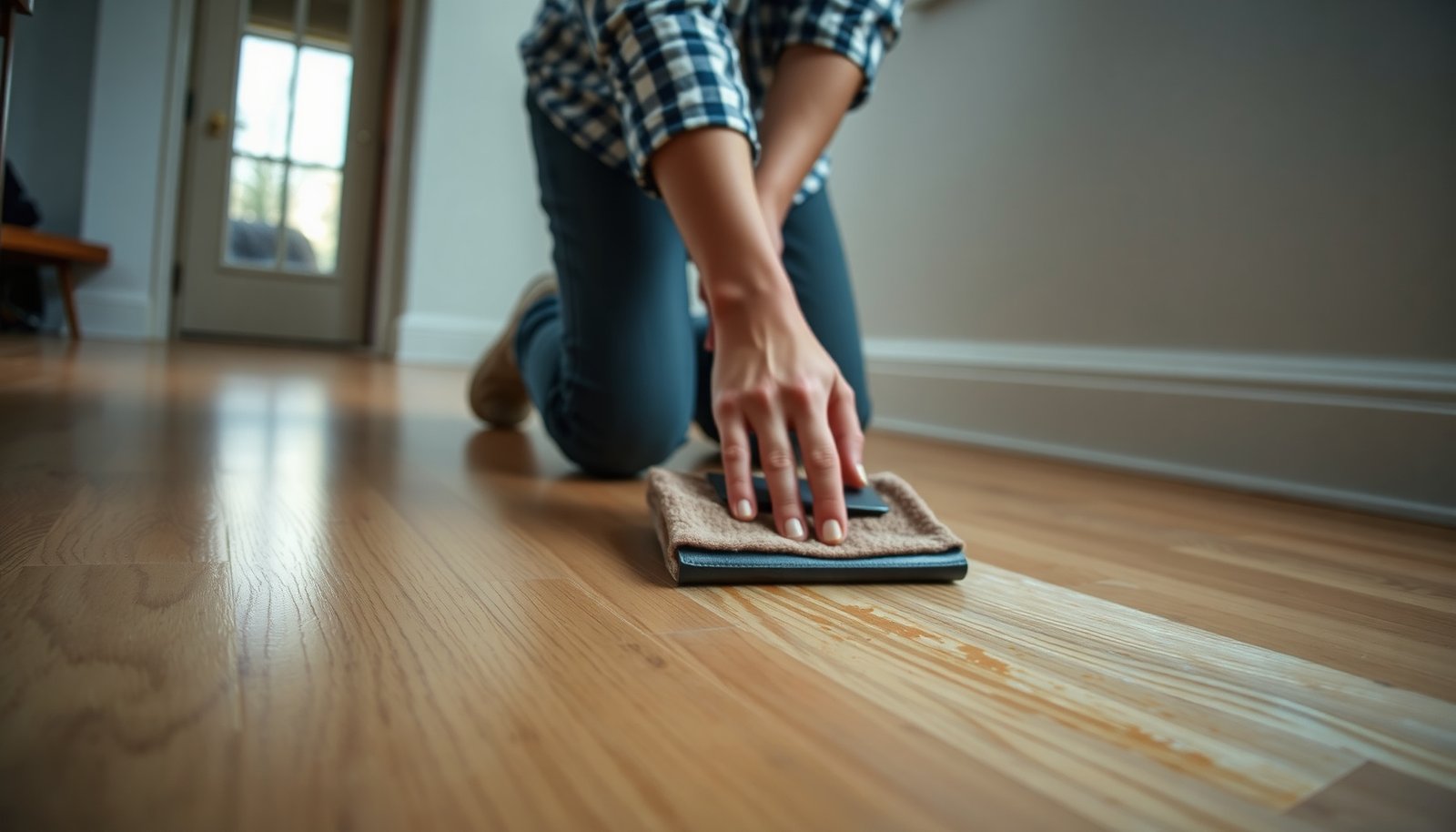
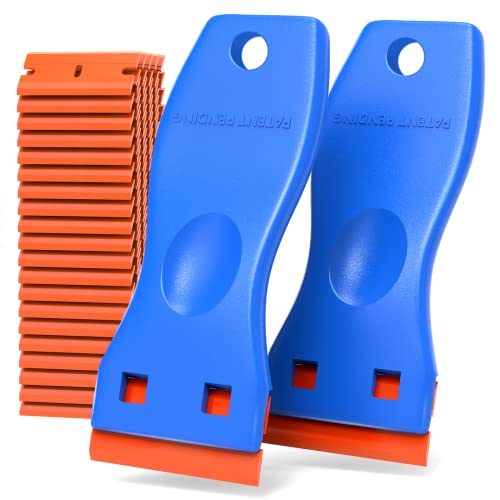
Use a plastic putty knife or plastic scraper to lift residue you can “pick off” at the surface. Work slowly in shallow passes and keep pressure light—wood finishes can dull if you grind even a small hardened area, and gouges in the finish are harder to repair than leftover residue.
As you go, vacuum or wipe up loosened bits with a dry microfiber or soft cloth. This step matters: grit dragged across hardwood can leave micro-scratches that show up as dull patches under light. If the residue doesn’t lift with light pressure, stop and switch to softening—don’t escalate force.
If it’s latex paint residue: soften, then wipe up
Latex paint residue comes off best when you soften it first, then lift and wipe rather than scrub. Warm, soapy water is usually enough to re-hydrate and loosen a latex film so hardwood floors aren’t abused.
Dampen a cloth with warm, soapy water and hold it against the residue briefly to soften the film. Then wipe and re-wet as needed—think repeated gentle cycles instead of one aggressive attempt. From my day-to-day maintenance work, this “soften → wipe → re-soften” pattern prevents finish hazing because you’re not grinding grit while the residue is still hard.
If residue remains, make the solution slightly stronger (still warm) and repeat gently. Avoid soaking seams, nail lines, or the edges where finish meets baseboards; hardwood is stable when kept dry, and over-wetting increases the chance of swelling around gaps.
If it’s oil-based (or very stubborn): use solvent carefully
Oil-based residue usually requires a solvent that can dissolve the binder, but the technique must protect the hardwood finish. The safe way to use mineral spirits is to apply it to a cloth, blot, and wipe—never flood the floor.
Apply mineral spirits (or an appropriate paint-solvent) to a cloth—not directly onto the hardwood. Blot and wipe the residue until it releases, then immediately clean the area using a hardwood-appropriate cleaner or mild soap/water sparingly (if the floor finish supports it) and dry thoroughly.
Keep ventilation going and wear gloves; solvents can discolor, dull, or soften some finishes if left too long. Also, remember that if your residue is actually shellac/varnish overlap, the wrong solvent can smear the finish rather than remove the residue. Shellac, for example, is commonly alcohol-soluble; ethanol boils at NIST (2018) 78.37°C (173°F), which is why fast evaporation can still cause uneven softening if you over-apply or miss dry-wiping steps.
Clean, dry, and protect the finish afterward
The goal after paint residue removal is not just “looks clean,” but leaving the finish free of lingering solvent or sticky film. Even small residues can cause haze, attract dirt, or feel tacky when the floor warms up.
Remove all cleaning/solvent residue so it doesn’t dry into a dull patch. Dry the area completely with a clean, dry microfiber and don’t leave pooled liquid in joints or along the edges. If you notice the area looks slightly dull after cleanup, you may need a finish-safe polish or restorer compatible with your floor’s existing topcoat.
If you have any doubts about compatibility, match the product to the floor finish type (water-based polyurethane, oil-modified urethane, wax, or unknown). As of 2026, most manufacturer warranties still expect you to follow the floor-finish guidance; using a mismatched “universal” product can create more discoloration than the original paint residue.
What can go wrong (and how to avoid it)
Hardwood floor problems usually come from three failures: too much abrasion, too much liquid, or chemistry applied to the wrong binder. If you avoid those, your chances of preserving the finish improve dramatically.
– Scratching: Steel blades, metal scrapers, and abrasive pads can leave permanent marks. Use plastic first and stop if the finish starts to dull.
– Finish damage: Solvents can dull or strip certain topcoats if too much is applied or if it stays wet too long. Apply solvent to a cloth, blot, then clean and dry.
– Staining: If residue isn’t fully removed, it can “bleed” into the finish over time, especially with repeated cleaning or changing humidity. According to the U.S. Forest Products Laboratory / Wood Handbook (2010), wood moisture behavior relates to the fiber saturation point of roughly 30% moisture content—over-wetting can change how substances migrate near the surface.
– Swelling/warping: Over-wetting is a real risk, particularly with older floors, narrow gaps, or areas near baseboards where liquid can creep.
If your floor has an unknown finish, treat this as a risk-reduction exercise: test a small spot, proceed incrementally, and don’t “push through” stubborn areas with extra force.
Verdict / tip (what we’d do first)
Start with the least risky method: plastic scraping plus warm soapy water, and only move to a solvent if latex won’t budge or the residue clearly behaves like oil-based paint. Skip solvents entirely if you can’t test safely in a hidden spot or if the floor is unfinished/delicate.
Also, reconsider DIY if the paint has penetrated deep into seams or if the floor finish is already compromised (peeling, worn-through, or heavily scratched). In those cases, a flooring professional can match the correct finish system and reduce the chance of a visible “cleaned patch” versus the surrounding hardwood floors.
Quick checklist (scan/save)
| Step | What to do | Avoid |
|---|---|---|
| 1 | Test a hidden area with your intended method | Jumping straight to strong solvents |
| 2 | Plastic scraper to lift loose residue | Steel tools / abrasive pads |
| 3 | Latex: warm soapy water soften + wipe | Soaking the floor or soaking seams |
| 4 | Oil: apply solvent to cloth, blot/wipe | Letting solvent sit on the finish |
| 5 | Clean up residue + dry fully | Leaving any tacky film behind |
| 6 | Consider finish-safe protection if needed | Using unknown polishes on incompatible finishes |
Frequently Asked Questions
How do I remove dried paint residue from hardwood floors without damaging the finish?
Start by softening the residue first—place a damp cloth with warm water (or mineral spirits for oil-based paint) on the spot for a few minutes, then gently scrape with a plastic putty knife. Avoid metal scrapers and harsh abrasives, since they can scratch the hardwood and remove the polyurethane seal. Once residue is gone, wipe the area clean with a lightly damp microfiber cloth and dry thoroughly, then reapply a matching wood floor polish if needed.
What’s the safest way to get wet paint off hardwood floors?
Blot wet paint immediately with paper towels or a clean cloth—don’t rub, because rubbing spreads paint into the wood grain. For fresh paint, use a mixture of warm water and mild dish soap on a cloth, working from the outside of the paint spot toward the center. If paint has started to tack up, you may need a very small amount of mineral spirits (test in a hidden area first) before wiping with water and drying.
Which products work best for removing paint overspray or splatters from hardwood floors?
For latex paint overspray, warm soapy water and a microfiber cloth often work best; stubborn spots can be treated with isopropyl alcohol on a cloth. For oil-based paint splatters, mineral spirits or a dedicated paint remover may be more effective, but always test first to ensure it won’t cloud or strip the finish. Finish-safe options like adhesive remover formulated for floors can help with small spots, but follow the label and wipe thoroughly afterward.
Why does paint residue stick to hardwood floors, and how can I prevent it?
Paint residue adheres strongly to hardwood because dried paint bonds to the finish layer and can seep into micro-grooves in the wood grain. Prevention comes from protecting floors during painting using painter’s plastic, rosin paper, and tape designed for surfaces like wood floors. If a spill occurs, prompt blotting and quick cleaning before the paint dries significantly reduces the need for aggressive paint removal.
Best method to remove old paint drips from hardwood—scrape, sand, or use a chemical stripper?
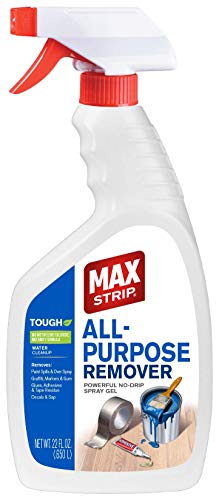
For small old drips, begin with gentle scraping using a plastic tool after softening with warm water (latex) or mineral spirits (oil-based), then clean residue with a damp cloth. Avoid sanding unless you’re prepared to refinish the area, since sanding can thin the finish and leave uneven sheen. Chemical strippers can work for stubborn residue, but they often require careful surface neutralization and can damage the hardwood finish if used incorrectly—always spot test and follow manufacturer directions.
📅 Last Updated: November 04, 2026 | Topic: How to get paint residue off hardwood floors? | Content verified for accuracy and freshness.
References
- Paint stripper
- Lead paint
- https://www.epa.gov/lead/lead-based-paint-homeowners
- Lead Renovation, Repair and Painting Program | US EPA
- Lead – Overview | Occupational Safety and Health Administration
- https://www.cdc.gov/nceh/lead/default.htm
- Lead | US EPA
- https://scholar.google.com/scholar?q=remove+paint+from+wood+floor Google Scholar
- https://scholar.google.com/scholar?q=paint+removal+from+wood+substrates+gel+strippers Google Scholar
- https://scholar.google.com/scholar?q=lead+paint+removal+wood+dust+cleaning Google Scholar