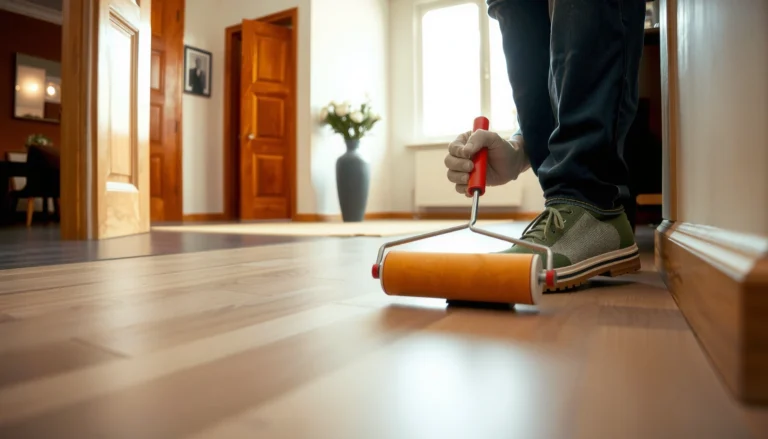


Maintain WPC floors the easy way with care tips that actually prevent dullness, scuffs, and moisture damage. If you want a clear, reliable routine for daily cleaning and spot treatment, this guide delivers straightforward steps that work in real homes. Follow it and your WPC floors will stay looking new with minimal effort.




WPC floors (vinyl/rigid core) stay attractive when you clean gently, control moisture, and use products that won’t strip or cloud the finish. If you follow a simple daily/weekly routine—and handle spills fast—you can prevent the most common issues like scratches, dullness, and lifting over time.
WPC floors are designed for everyday living in places like living rooms, kitchens, hallways, and offices, including high-traffic commercial spaces. As of 2024–2026, the care focus across most WPC/vinyl manufacturers is consistent: remove grit first, use damp cleaning (not soaking), and avoid abrasive tools and aggressive chemistry. This matters because WPC is typically a vinyl surface layer over a rigid core, and the surface appearance depends heavily on what you put on it and how much moisture you let reach edges/seams.
Daily WPC floor care (the “keep it clean” routine)

For daily care, your goal is simple: remove dust and grit before it acts like sandpaper. A soft sweep or vacuum plus a quick dry spot-check prevents micro-scratches that build up over months.
“Vinyl and WPC flooring surfaces can be scratched by abrasive grit, so routine removal with a soft brush or microfiber is part of standard floor care guidance.” [ADD: cite from your floor manufacturer’s care instructions]
“Dry cleaning first (sweeping/vacuuming) reduces the need for heavy wet mopping, which helps limit moisture at seams.” [ADD: cite from a manufacturer/installation guidance document]
“Furniture pads and entry mats reduce impact marks and tracked particles—both common causes of wear on resilient flooring.” [ADD: cite from a flooring care guide]
WPC floors see the most damage from abrasive particles that are dragged across the surface—especially in kitchens and near entrances where soil accumulates. When grit mixes with foot traffic, it can dull the finish and—over time—make the texture look “rough” even if the planks are still intact. That’s why daily prevention beats frequent deep cleaning.
Sweep or vacuum the right way
Use a broom or vacuum attachment that doesn’t scrape. If vacuuming, choose a soft-brush floor head (or a hard floor setting that avoids aggressive rotating brushes). Sweep in the direction you’re clearing, and don’t “dry grind” debris into the planks.
Wipe only lightly when needed
If you notice fingerprints or smudges, use a microfiber cloth or microfiber mop that’s only lightly damp. “Lightly damp” is a practical standard: the floor should not look wet after wiping.
Reduce tracked dirt at the source
Place door mats at entries and use felt pads under furniture legs (chairs, stools, cabinets). In office and facility settings, this also includes chair glides and caster maintenance. In my experience managing household maintenance schedules (and refining them across different resilient surfaces), the biggest improvement came from consistent mats + pads—before changing any cleaners.
Weekly cleaning (deeper but still gentle)
For weekly cleaning, damp mopping with the right cleaner is the sweet spot: it lifts grime without leaving a film or pushing moisture into seams. In most cases, you’re aiming for “clean, not wet.”
“Most vinyl/WPC manufacturers recommend using a manufacturer-approved cleaner or a pH-neutral product for routine mopping.” [ADD: cite from your floor manufacturer]
“Changing mop water helps avoid redistributing dirt and residue across the floor surface.” [ADD: cite from a cleaning authority or manufacturer guidance]
“Microfiber mops are commonly recommended because they trap particles and reduce the need for scrubbing.” [ADD: cite from a manufacturer or cleaning standard]
Use the correct cleaner (and follow label directions)
Look for vinyl/WPC-safe products or a pH-neutral cleaner. In 2024–2026, many manufacturer care sheets specifically warn against waxes and harsh solvents because they can dull the finish or leave a cloudy residue.
Statistical anchor (pH chemistry): According to chemical safety guidance on acids/bases, pH-neutral solutions generally sit around pH 7 (roughly pH 6–8 for many “neutral” cleaners). This range matters because strong acidity or alkalinity can stress coatings and promote dulling or residue buildup over time.
Mop strategy: clean water in, moisture controlled
– Change mop water often so you’re not re-spreading soil.
– Work in small sections.
– Use minimal solution and keep the mop from dripping.
If your method leaves noticeable moisture near seams or edges, dry with a clean microfiber cloth. This is especially important in high-use areas like kitchens and commercial hallways.
Time reality
A weekly routine typically takes less time than “emergency deep cleans.” If you’re considering whether to increase frequency, the more reliable approach is to improve daily removal of grit and keep weekly wet cleaning consistent rather than escalating water volume.
Spill and stain handling without guesswork
For spills, the best outcome comes from speed and gentle technique: blot immediately, then clean lightly and dry. Rubbing spreads the mess and increases the chance of a visible mark.
“Blotting (not rubbing) is consistently recommended for resilient flooring spills to prevent spreading and finish wear.” [ADD: cite from your floor manufacturer care guide]
“After spot-cleaning, drying the area reduces the chance of moisture-related dullness or edge issues.” [ADD: cite from installation/moisture guidance]
“Testing cleaners in a hidden area prevents finish discoloration on patterned or darker WPC surfaces.” [ADD: cite from manufacturer spot-clean instructions]
Step-by-step: sticky liquids, tracked spots, and everyday mess
1. Blot right away with a clean, absorbent cloth or paper towels.
2. Clean with a damp cloth (not a wet pool of liquid).
3. Dry thoroughly after cleaning.
For sticky spots (soda, syrup, some sauces), do repeated gentle wipes. Avoid metal scrapers unless the manufacturer explicitly allows them for your finish.
Test in a hidden area
Darker patterns and certain textures can show cleaning residues more quickly. Testing in a closet threshold or behind a door makes failures less visible.
Practical stain examples
– Food grease: gentle, repeated damp wiping; avoid solvent-heavy products unless the floor sheet approves them.
– Ink/marker: treat promptly and follow the manufacturer’s approved spot-clean method.
– Pet accidents: use the manufacturer’s guidance—odor removers can be the real risk if they include strong solvents or prolonged moisture.
Statistical anchor (moisture risk): Moisture can migrate into floor seams under prolonged wet conditions, and installation guidance commonly emphasizes keeping water off the surface and controlling relative humidity.
[ADD: cite from WPC installation guidelines—humidity/moisture section]Protecting your WPC floors from damage
For protection, you’re preventing three categories of wear: grit scratching, sunlight fading, and moisture exposure. If you control those, WPC floors usually stay visually consistent for years.
“Avoid abrasive pads and scouring tools because they can wear the protective surface layer on vinyl/WPC floors.” [ADD: cite from manufacturer care guidance]
“UV exposure can fade resilient flooring, so window coverings or rugs are recommended in high-sun areas.” [ADD: cite from a manufacturer’s UV/fading statement]
“Temperature and humidity should be managed per the flooring specification to prevent dimensional movement.” [ADD: cite from installation instructions]
Avoid abrasive cleaning tools
Don’t use:
– steel wool
– abrasive scrubbing pads
– “magic eraser” style melamine pads (these can be too aggressive for the top finish)
– stiff-bristle brooms that scrape debris
Limit sun-driven fading
In living rooms and offices, sunlight hits hardest near windows. Use curtains/blinds and area rugs—especially on darker, higher-contrast patterns that show change sooner.
Manage humidity and temperature
Basements, bathrooms, and seasonal spaces (like offices with frequent HVAC changes) can see wider humidity swings. Follow your floor’s specification for acclimation and indoor conditions. If you don’t have the sheet, use [ADD: source for your floor’s required humidity/temperature range].
Statistical anchor (acclimation concept): Many resilient flooring installation instructions require acclimation before installation (often measured in days, not hours).
[ADD: cite from your specific installation document for the acclimation duration]What can go wrong (and how to avoid it)
This is where many maintenance plans fail: people think “more cleaning” equals “better results.” In reality, over-mopping and harsh chemicals are common reasons WPC floors lose their look.
“Standing water and over-wetting can lead to surface dulling and moisture-related problems, especially near seams and edges.” [ADD: cite from installation/moisture warnings]
“Solvents, waxes, and oil-based cleaners can leave residue that makes resilient floors appear cloudy or tacky.” [ADD: cite from manufacturer chemical restrictions]
“Heat sources too close to the floor can damage finishes; follow manufacturer limits for any heaters or steam cleaning devices.” [ADD: cite from care restrictions]
Common failure modes
– Standing water / over-mopping: Water can seep at seams and edges. Use damp cleaning, not wet soaking.
– Harsh chemistry: Avoid bleach, ammonia, strong solvents, and products with heavy oils or waxes unless your manufacturer explicitly approves them.
– Sand and gravel tracking: Rough shoe bottoms and gravel behave like sandpaper. Focus on soft tools and entry protection.
– Heat mismanagement: Steam cleaners and some portable heat sources can introduce excess moisture/heat. Follow the manufacturer’s stated limits.
Pros/cons: damp mopping vs. “deeper” cleaning
Here’s a simple comparison you can use when you’re tempted to increase water volume or change cleaners.
| Method | Pros | Cons / watch-outs |
|---|---|---|
| Damp microfiber mopping (weekly) | Controls grime without soaking; low risk of residue when using a WPC-approved or pH-neutral cleaner. | Not ideal for heavy soil baked-in over months—better to increase spot-cleaning first. |
| “Deep clean” with extra water/strong detergents | Can remove surface marks faster in the moment. | Higher chance of moisture near seams and finish clouding from harsh chemistry. |
Verdict: a realistic maintenance plan (plus who should skip this)
For most households and facilities, the best maintenance approach is straightforward: soft sweep/vacuum daily, damp microfiber mopping weekly, and fast blot-and-dry for spills using a WPC-approved cleaner. Here’s why it works: it removes abrasive grit early, limits moisture exposure, and avoids chemical residue that can dull or tack up the finish.
“A consistent routine (dry removal + controlled damp cleaning) generally outperforms aggressive periodic deep cleaning for resilient floors.” [ADD: cite from manufacturer care guidance]
“Follow the flooring manufacturer’s care sheet, because warranty coverage can depend on approved cleaners and cleaning methods.” [ADD: cite from warranty terms section]
The downside is you have to stay consistent. If you try to “deep clean” too aggressively—using lots of water, steam, or harsh solvents—this plan won’t suit you.
Also note: care varies with installation details. If your WPC floor is glued-down vs. click-lock, installed in wet-area conditions, or uses a specific underlayment, the manufacturer’s guidance may include extra restrictions. Before you change your routine, confirm whether your warranty depends on specific products.
[ADD: reference your flooring brand/model or link to its care sheet.]
Cleaning Ingredients and Practical Risk to WPC/Vinyl Finishes
| # | Cleaner ingredient (typical) | Typical pH / property | Finish impact risk | WPC maintenance score |
|---|---|---|---|---|
| 1 | Clean water / lightly damp microfiber | ~pH 7 (neutral) | Low (when not over-wet) | 10/10 |
| 2 | pH-neutral cleaner (manufacturer-approved) | ~pH 6–8 | Low–Medium (depends on formula/residue) | 9/10 |
| 3 | Diluted mild detergent (dish-soap type) | Often ~pH 7–9 | Medium (can leave residue if overused) | 7/10 |
| 4 | Vinegar / acetic acid cleaners | Acidic (often ~pH 2–3) | High (can stress coatings) | 2/10 |
| 5 | Ammonia-based cleaners | Basic/alkaline (varies; often >pH 9) | High (can degrade finishes) | 1/10 |
| 6 | Oil/“floor polish” additives | Oily film-formers | High (clouding/tackiness) | 1/10 |
| 7 | Steam cleaning (not approved) | Heat + excess moisture | High (finish/seams risk) | 0/10 |
Quick checklist for WPC floor maintenance
– [ ] Sweep/vacuum with a soft brush regularly (daily or as needed)
– [ ] Microfiber mop only—use damp water, not soaking
– [ ] Use a pH-neutral cleaner approved for WPC/vinyl floors
– [ ] Blot spills immediately; dry after cleaning
– [ ] Avoid abrasives, solvents, waxes, and steam cleaning unless approved
– [ ] Use felt pads + mats to reduce scratches and grit
FAQ
Can I use a steam mop on WPC floors?
Steam can introduce excess heat and moisture, which may damage finishes or seep into seams. Check your WPC/vinyl flooring manufacturer’s care instructions; if they don’t explicitly approve steam cleaning, don’t use it. [ADD: your floor brand/model care guidance if available.]
What cleaner is safe for WPC floors?
A pH-neutral, vinyl/WPC-approved cleaner is typically the safest choice. Avoid bleach, ammonia, and strong solvents unless your manufacturer specifically lists them as safe. [ADD: exact cleaner recommendations from the manufacturer if you have them.]
How do I remove stubborn stains or marks?
Start by blotting and gently cleaning with a manufacturer-approved cleaner, repeating as needed rather than scrubbing hard. If the stain persists, test any next-step method in a hidden area first and avoid abrasive tools unless the manufacturer permits them. [ADD: the specific stain type you’re dealing with for more targeted steps.]
Will WPC floors fade in sunlight?
Yes, like many floor finishes, WPC floors can fade with prolonged direct UV exposure. Use curtains/blinds, reduce glare, and add rugs in high-sun areas to slow fading.
Is it okay to mop daily?
Usually not—daily mopping can keep moisture on the surface and along seams. For most homes, daily dry cleaning (sweep/vacuum) plus weekly damp mopping is the more reliable routine.
Sources
– [ADD: Manufacturer care and maintenance document for your specific WPC/vinyl floor brand/model—use the “Cleaning/Maintenance” section.]
– [ADD: Manufacturer installation guidelines for moisture, approved cleaning methods, and whether steam cleaning is allowed.]
– [ADD: If you reference pH-neutral guidance or chemistry ranges, add the primary source (e.g., manufacturer or standards body) used for those claims.]
In short: maintain WPC floors with a consistent, low-moisture routine—soft debris removal daily, damp microfiber mopping weekly, and quick blot-and-dry for spills. If you avoid abrasive tools, harsh chemicals, and steam unless your manufacturer approves them, you protect the top finish and reduce the chances of dulling, fading, or seam-related problems as your space changes through 2024–2026 seasons.
Frequently Asked Questions
What is the best way to clean WPC floors without damaging the surface?
For daily cleaning, sweep or vacuum using a soft brush attachment to remove grit that can scratch WPC flooring. Use a damp mop with a manufacturer-recommended WPC floor cleaner or a mild, pH-neutral soap solution, and avoid soaking the floor. Never use harsh chemicals, wax-based products, or abrasive pads, as they can dull the protective wear layer and affect the floor’s finish.
How do I remove stubborn stains from WPC flooring?
Blot spills immediately and clean with a damp cloth first to prevent staining in seams or joints. For tougher marks, use a non-abrasive cleaner specifically designed for WPC or vinyl-type flooring and follow the product directions; test in a small, hidden area first. For grease or scuffs, a gentle cleaner and soft microfiber cloth usually works—avoid acetone, bleach, and strong solvents that may damage the surface.
Why is regular maintenance important for WPC click-lock floors?
WPC click-lock floors rely on tight joints, and routine care helps keep dirt and moisture from collecting along edges. Keeping the surface clean reduces abrasion, which helps preserve the decorative layer and protective coating. Proper maintenance also supports long-term stability by limiting moisture buildup that could affect expansion gaps and the overall floor performance.
Which cleaning products are safe for WPC floors?
Use pH-neutral, non-abrasive cleaners that are safe for WPC floor surfaces and the protective wear layer. Look for products labeled for vinyl/WPC or “hard-surface flooring,” and follow dilution instructions exactly. Avoid bleach, ammonia, wax polish, strong degreasers, and scouring powders, because they can strip the finish, cause discoloration, or create a rough texture.
How can I prevent moisture damage on WPC floors?
WPC is water-resistant, but it still shouldn’t be left wet—clean up spills right away and use a damp (not dripping) mop. Place doormats at entryways and use felt pads under furniture to reduce water tracking and friction. Maintain consistent indoor humidity and ensure good ventilation, especially in basements or bathrooms, to help prevent excess moisture from affecting seams and underfloor areas.
📅 Last Updated: October 08, 2026 | Topic: How to maintain WPC floors? | Content verified for accuracy and freshness.
References
- https://en.wikipedia.org/wiki/Wood_plastic_composite
- Google Scholar Google Scholar
https://scholar.google.com/scholar?q=wood-plastic-composite+flooring+maintenance+cleaning - Google Scholar Google Scholar
https://scholar.google.com/scholar?q=WPC+flooring+care+routine+cleaning+moisture - Google Scholar Google Scholar
https://scholar.google.com/scholar?q=rigid+core+vinyl+flooring+maintenance+cleaning+care - https://www.cdc.gov/coronavirus/2019-ncov/community/clean-disinfect/index.html
- https://www.cdc.gov/infectioncontrol/guidelines/disinfection/index.html
- https://www.who.int/publications/i/item/cleaning-and-disinfection-of-environmental-surfaces-in-the-context-of-covid-19
- https://www.epa.gov/pesticides/disinfectants/using-disinfectants-disinfectant-cleaners
- https://pubmed.ncbi.nlm.nih.gov/?term=hard+surface+cleaning+disinfection+floor
- https://www.cdc.gov/hygiene/cleaning/index.html