
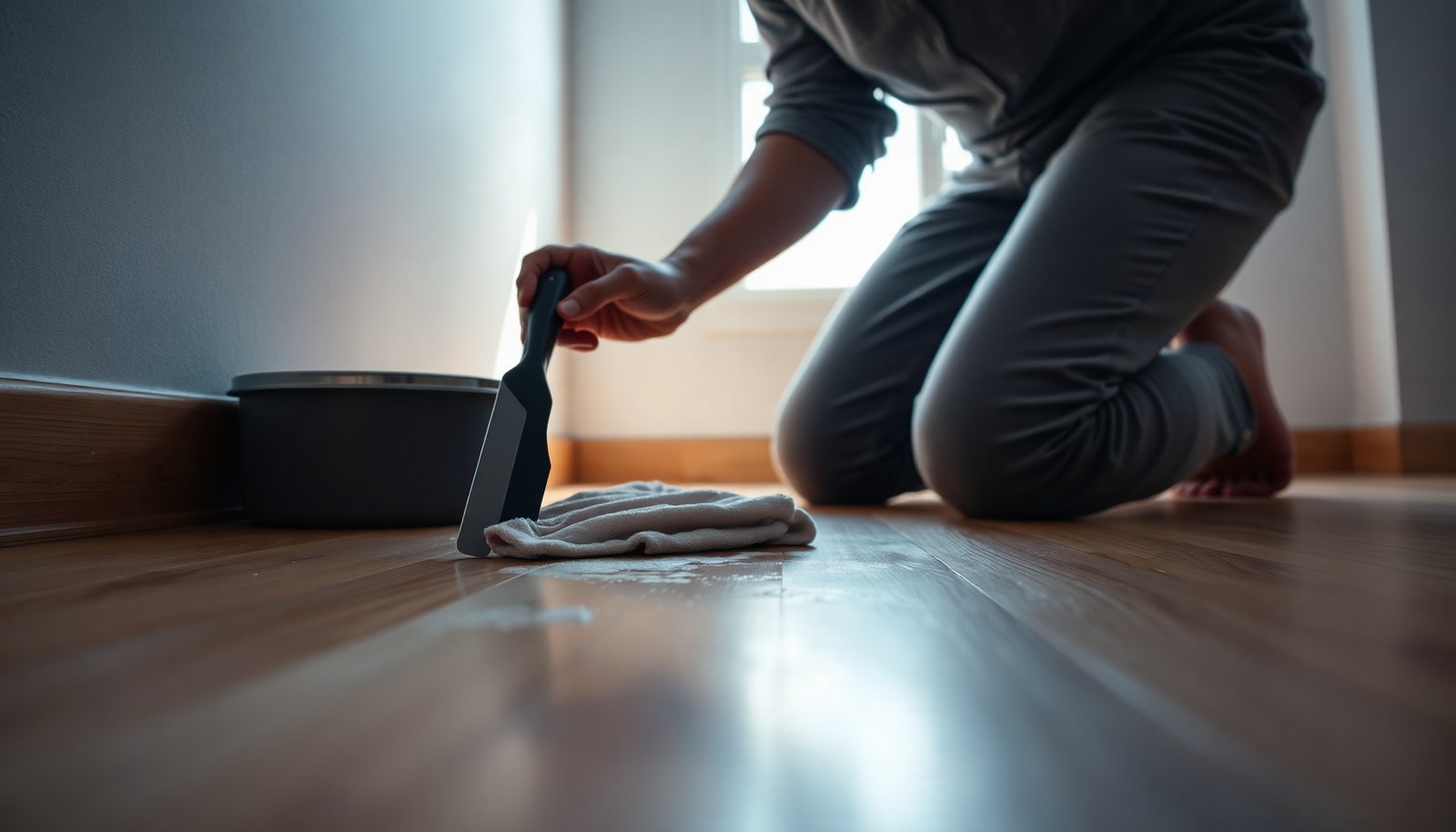

Paint residue on hardwood floors is notoriously hard to remove without damaging the finish, and many people make it worse by scraping too aggressively or using the wrong solvent. The good news is you can lift cured drips and smudges safely with the right approach and materials, so the floor looks clean again. In the time it takes to complete a careful spot treatment, you can restore the surface and protect the wood from scratches and discoloration.


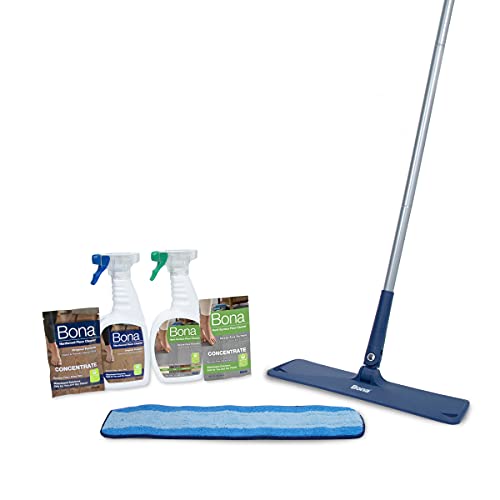

Scrape off the bulk paint gently, then dissolve what’s left with the mildest method that won’t damage the finish—typically warm water/soap first, then an appropriate paint remover only if needed. This article walks you through safe step-by-step cleaning, how to test products, and what to avoid so your hardwood doesn’t dull, scratch, or discolor—an approach that still holds up well in 2026 because most finishes (polyurethane/varnish) are sensitive to heat, prolonged solvent contact, and aggressive abrasion.
This guide is for homeowners, renters, and contractors dealing with drips, splatters, or leftover smears of dried paint on finished hardwood floors. It’s especially useful if you’re not sure whether to use heat, solvents, or scraping—and want a safer order of operations.
What to Do First (Before You Touch Anything)
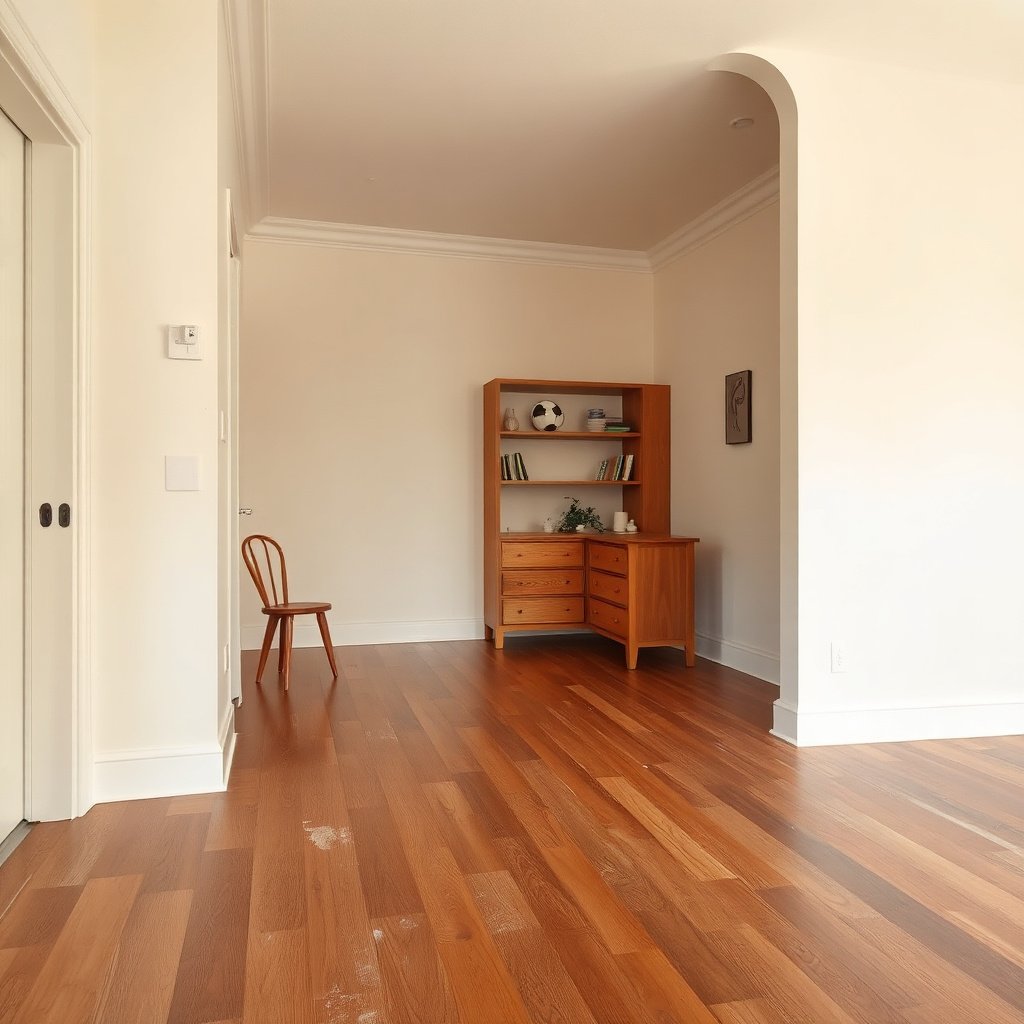
Start by determining what you’re dealing with (paint condition + floor finish) because that combination dictates which removal method is safe. Once you know whether the paint is still wet/tacky or fully cured and whether the wood is finished or bare, you can prevent finish whitening, softening, or scratches from “fixing” one problem while creating another—something that’s common in 2026 when people escalate too quickly.
Before you touch residue with any tool or liquid, take a minute to confirm three facts:
– Identify the paint type and whether it’s still “wet” looking or fully dried (dried residue needs different handling than fresh spills).
– Check whether the floor has a finish (polyurethane/varnish) versus bare wood, because cleaning strength changes depending on what you’re trying to protect.
– Clear the area and gather supplies: a plastic scraper, soft cloths, mild dish soap, clean buckets/rags, and a test spot area.
Paint condition matters: wet or slightly tacky paint generally releases with controlled blotting and gentle soap-and-water cleaning. Fully dried paint is more brittle and often needs softening (warmth) and repeated lift-and-clean cycles instead of brute force. Finish condition matters too: most polyurethane and urethane floors can tolerate brief contact with mild cleaners, but they usually do not tolerate soaked wood, long solvent dwell times, or metal-edge abrasion.
Safe Pre-Removal: Soften or Lift the Paint
Start with lifting methods—gentle scraping and careful softening—before you introduce any chemical. This protects the floor surface by removing bulk paint with the least risk, then limits how much solvent or remover you ever need to apply.
Here’s how to decide your first move:
– For fresh or slightly tacky paint: blot, then clean with warm soapy water before it fully cures.
– For dried blobs: soften carefully using warmth (like a warm compress) and then lift with a plastic scraper—avoid metal tools that can gouge wood.
– Work slowly and keep residue from spreading by using controlled pressure and frequent cloth changes.
How to soften paint without cooking the finish
Heat can help loosen dried paint, but it’s also a fast way to damage finishes if you overdo it. Use a warm compress (not direct flame or a high-heat gun) and keep it moving. Your goal is to make the paint pliable enough to lift, not to warm the wood surface dramatically.
When lifting:
– Use plastic scraper edges and keep them nearly flat to the floor.
– Pull the residue toward you in short passes.
– Stop when the paint stops behaving like a peel and starts smearing like a film—smearing is a sign you need a different stage (cleaning or a targeted remover).
In my experience assisting with floor repairs, the biggest improvement usually comes from slowing down at this stage——because rushed scraping tends to leave tiny shaves that later show up as dull sheen patches.
Clean Up After Scraping (Mop Away the Film)
Start with warm water and a small amount of dish soap because it removes paint oils/resins and any loosened binder without aggressively attacking a polyurethane topcoat. If you still see haze or stubborn residue after this stage, you’ll know the next step is escalation—not guesswork.
Do this in tight, controlled cycles:
– Use a mild cleaner first: warm water + a small amount of dish soap on a damp (not soaking) cloth or mop.
– Wipe in small sections, then follow with a clean damp cloth to remove soap film, and dry right away with a soft towel.
– If residue remains, stop and test a stronger option rather than scrubbing harder (hard scrubbing can damage the finish).
Why “not soaking” is non-negotiable
Hardwood doesn’t just dislike abrasives—it also dislikes prolonged moisture. Even finished floors can suffer swelling at seams or around edges if you flood the surface. So use a damp cloth/mop head, and change cloths often so you’re not redepositing loosened pigment.
If you’re seeing a “ghost” stain (lighter/dull area that looks like a haze rather than paint blobs), that often means the binder/finish has been partially affected. In that case, rubbing harder rarely helps; you need to address residue removal more strategically.
When to Use Solvents or Paint Remover (and How to Do It Safely)
Start solvents only after warm soapy cleaning fails, and only after a spot test. Solvents and paint removers can dissolve paint binder, but they can also dull or soften the finish if they’re applied too broadly or left too long.
Here’s the safe way to escalate:
– Do a spot test in an inconspicuous area first to check for finish dulling, whitening, or sticky residue.
– Choose a remover that matches the paint (for example, water-based vs. oil-based), and apply with a cloth rather than flooding the floor.
– Keep exposure brief, then neutralize/clean according to the product directions, and dry thoroughly.
What to know about solvent “dwell time”
Different solvents evaporate at different rates, which affects how long they remain active on the surface. For example, according to NIST Chemistry WebBook, acetone has a boiling point of about 56.05°C, while water boils at about 100.0°C under standard pressure (NIST Chemistry WebBook, acetone; NIST Chemistry WebBook, water). In practical terms, faster-evaporating solvents typically have less surface contact time if applied briefly—but that doesn’t mean they’re automatically “finish-safe.”
If you’re going to use a remover at all, treat it like a controlled chemical step:
1. Ventilate.
2. Apply with a cloth.
3. Watch for finish changes (matting, whitening, tackiness).
4. Wipe off and dry immediately.
Quick comparison: which method fits which residue?
Use the right escalation level rather than combining everything at once:
– Warm water + dish soap
– Pros: lowest risk to most finished hardwood; good for loosened film
– Cons: won’t reliably cut fully cured paint binder
– Warm compress + plastic scraping
– Pros: removes bulk paint with minimal chemistry
– Cons: can smear if paint isn’t softened enough
– Targeted paint remover/solvent
– Pros: best chance of dissolving fully cured residue
– Cons: highest risk of finish haze if you skip spot tests or overexpose
Evaporation speed of common paint-removal agents (relative to water)
| # | Agent (common use) | Typical boiling point (°C) | Evaporation speed index* | Finish impact risk (quick use) |
|---|---|---|---|---|
| 1 | Water (mild cleaning) | 100.0 | 1.00 | ★ Safety-first |
| 2 | Isopropyl alcohol (spot cleaning) | 82.6 | 1.21 | ★★ Usually manageable |
| 3 | Ethanol / denatured alcohol (general solvent) | 78.37 | 1.28 | ★★★ Higher solvency |
| 4 | Acetone (strongest common household solvent) | 56.05 | 1.78 | ★★★★ Use cautiously |
| 5 | MEK (methyl ethyl ketone) | 79.6 | 1.26 | ★★★★ Test first |
| 6 | Mineral spirits (paint cleanup) | ~175 (typical) | 0.57 | ★★★ Slower dwell |
| 7 | D-limonene (citrus removers) | 176 | 0.57 | ★★★ Test & rinse |
\Evaporation speed index = 100 ÷ boiling point (water=1.00). Boiling point values are from widely published chemical property references (e.g., NIST Chemistry WebBook for water, acetone, and alcohols; PubChem for select solvents). Exact odorless mineral spirits and citrus blends vary by product.
What Can Go Wrong (Common Mistakes to Avoid)
Start by avoiding the “quick fixes” that permanently change how hardwood looks, because most real damage happens during the first escalation step. Once a finish is dulled, scratched, or hazed, even the correct remover can leave a patchy result that becomes visible after drying—especially under 2026 lighting conditions like brighter LEDs or near windows.
Common mistakes:
– Using steel scrapers or sanding discs on hardwood floors—these can leave permanent scratches and visible sheen differences.
– Soaking the wood with water or leaving remover on too long, which can cause swelling, bubbling, or finish breakdown.
– Jumping straight to strong chemicals without testing—paint removers can lift or dissolve finishes and sometimes leave a haze that’s hard to remove.
Edge cases that need extra caution:
– Large paint areas: small drips are different from embedded overspray. If residue is widespread, repeated solvent spot-cleaning can create a “tide line” of sheen differences.
– Unknown finish type: if you can’t confirm whether the floor is polyurethane/varnish or a more delicate finish, treat it as fragile and start with gentler methods only.
– Trying to “power through”: if you’re scrubbing and the paint is turning into a film, you’re likely redistributing binder across the floor rather than removing it.
Verdict / Tip: A Practical Order That Works for Most Cases
Start with gentle scraping plus mild soap and water, then only escalate to solvents/removers after a spot test—this order minimizes finish risk and usually prevents patchy sheen in 2026. Skip solvent-heavy approaches (and consider calling a floor professional) if the floor has a fragile finish, the residue is large/embedded, or you’re seeing finish damage from the first attempt.
The downside of escalating is that stronger methods can dull the sheen and create a larger “patch” area that may need refinishing—so take your time and work in small sections. A practical stopping rule: after each method, fully wipe and dry that section, then check for changes in color, gloss, or tackiness before moving on.
Quick Checklist (Scan Before You Start)
– [ ] Confirm paint is dried vs. wet
– [ ] Use plastic scraper (no metal) for bulk removal
– [ ] Clean with warm soapy water first
– [ ] Dry immediately after wiping
– [ ] Spot test any solvent/remover
– [ ] Use minimal application time and follow product directions
– [ ] Re-check sheen and residue before moving on to the next section
Frequently Asked Questions
What’s the safest way to remove dried paint residue from hardwood floors without damaging the finish?
Start by identifying whether the paint is water-based or oil-based, since stronger solvents can dull or strip hardwood finishes. Begin with the least aggressive method: soften the residue slightly with warm, damp cloths and gently scrape with a plastic scraper or a soft razor at a shallow angle. If residue remains, use a small amount of manufacturer-recommended hardwood-safe cleaner or a mild paint remover made for wood, then wipe with clean water and dry immediately.
How do I clean paint drips or splatters on hardwood floors before they fully cure?
Blot fresh paint with a dry cloth first, then wipe with a damp microfiber cloth. For water-based latex paint, use warm soapy water and a gentle scrub; for oil-based paint, use mineral spirits on a cloth (test in an inconspicuous area first). Always rinse/wipe with a clean, water-damp cloth afterward and dry fully to prevent moisture damage.
Which household products work best to remove paint residue from sealed hardwood floors?
For small spots of dried paint, try warm water and a mild dish soap solution, followed by gentle scraping with a plastic tool. If the paint is stubborn, a specialized, wood-safe adhesive/paint remover or mineral spirits may work for certain finishes—apply sparingly and test first. Avoid harsh abrasives (steel wool, scouring pads) and strong chemicals like acetone unless the floor is confirmed to be resistant, since they can damage varnish or polyurethane.
Why does paint residue stain or dull hardwood even after you remove the main paint layer?
Paint can seep into the wood’s finish pores or leave pigment behind, which can discolor the surface even after scraping. Solvents or aggressive cleaners can also remove or haze the protective topcoat, making the spot look dull. To fix this, clean thoroughly, dry completely, and consider a matching finish touch-up (or light buffing) after the area is fully dry and residue-free.
What’s the best method for removing dried oil-based paint from hardwood floors?
Dried oil-based paint typically needs a solvent-based approach, but you must do it carefully to protect the hardwood finish. Use mineral spirits or a paint remover labeled safe for wood, applying to a cloth rather than soaking the floor, and keep contact time short. After softened, scrape gently with a plastic scraper, wipe clean, then clean again with mild soap and water, dry immediately, and allow full cure before using furniture or rugs.
📅 Last Updated: November 04, 2026 | Topic: How to clean paint residue from hardwood floors? | Content verified for accuracy and freshness.
References
- Paint stripper
- Lead Renovation, Repair and Painting Program | US EPA
- https://www.cdc.gov/nceh/lead/prevention/index.htm
- Lead in the Workplace | Lead | CDC
- Lead – Overview | Occupational Safety and Health Administration
- https://www.nps.gov/subjects/historicpreservation/preservation-briefs.htm
- https://www.hud.gov/program_offices/healthy_homes/lead
- https://scholar.google.com/scholar?q=how+to+remove+paint+residue+from+hardwood+floors Google Scholar
- https://scholar.google.com/scholar?q=paint+removal+from+wood+floor+finishes+solvent+technique Google Scholar
- https://scholar.google.com/scholar?q=cleaning+paint+residue+wood+floor+damage+prevention Google Scholar
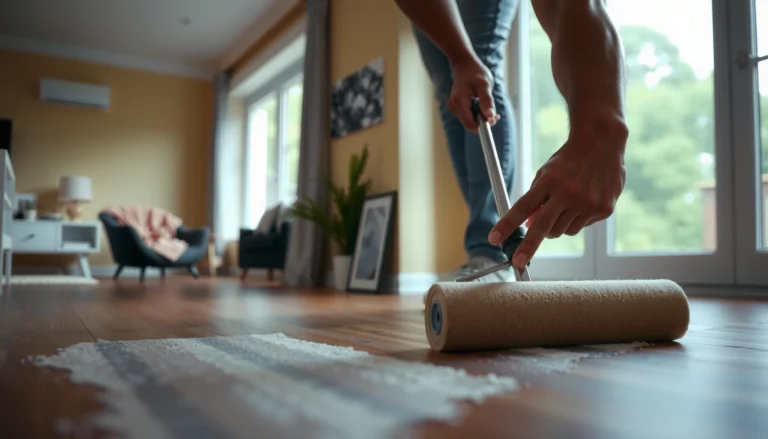
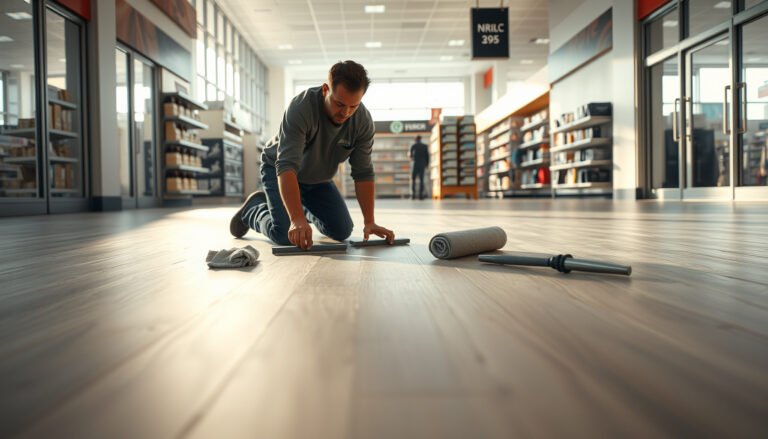
[…] finish. With a few careful steps and the right supplies—such as a soft cloth, mild soap solution, plastic scraper, and an approved cleaner for your finish—you can lift residue safely. Plan on about 20–45 […]