
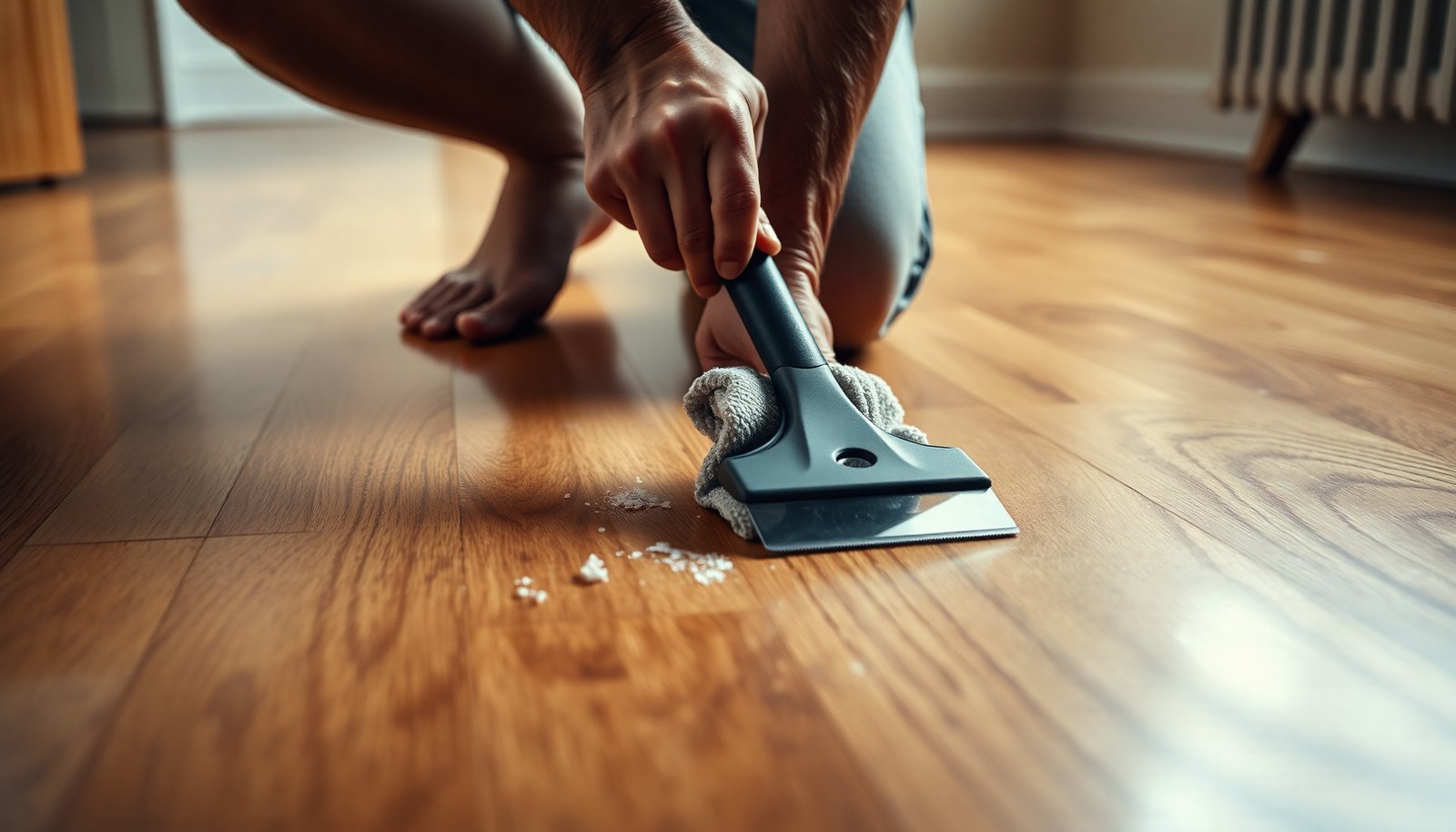

Stubborn tape residue on hardwood floors usually comes off fastest with a combination of gentle heat, careful scraping, and a hardwood-safe solvent. You will need a plastic scraper, a microfiber cloth, rubbing alcohol or mineral spirits, and a mild wood floor cleaner; most jobs take about 20 to 30 minutes if you work slowly and avoid soaking the finish. Start by loosening the adhesive, then wipe, clean, and buff to restore the floor’s shine.




If tape residue is stuck on hardwood, soften it first, then lift and clean without scraping. Start with gentle heat or an approved solvent, wipe up, and finish with a wood-safe cleaner so you don’t dull or strip the finish. This guide walks you through the safest options step-by-step.
This is for homeowners (and renters) dealing with leftover sticky spots from tape, labels, or decals on finished hardwood floors. It’s especially useful when basic sweeping and regular mopping won’t remove the film or tackiness.
Gather the right supplies (so you don’t damage the finish)
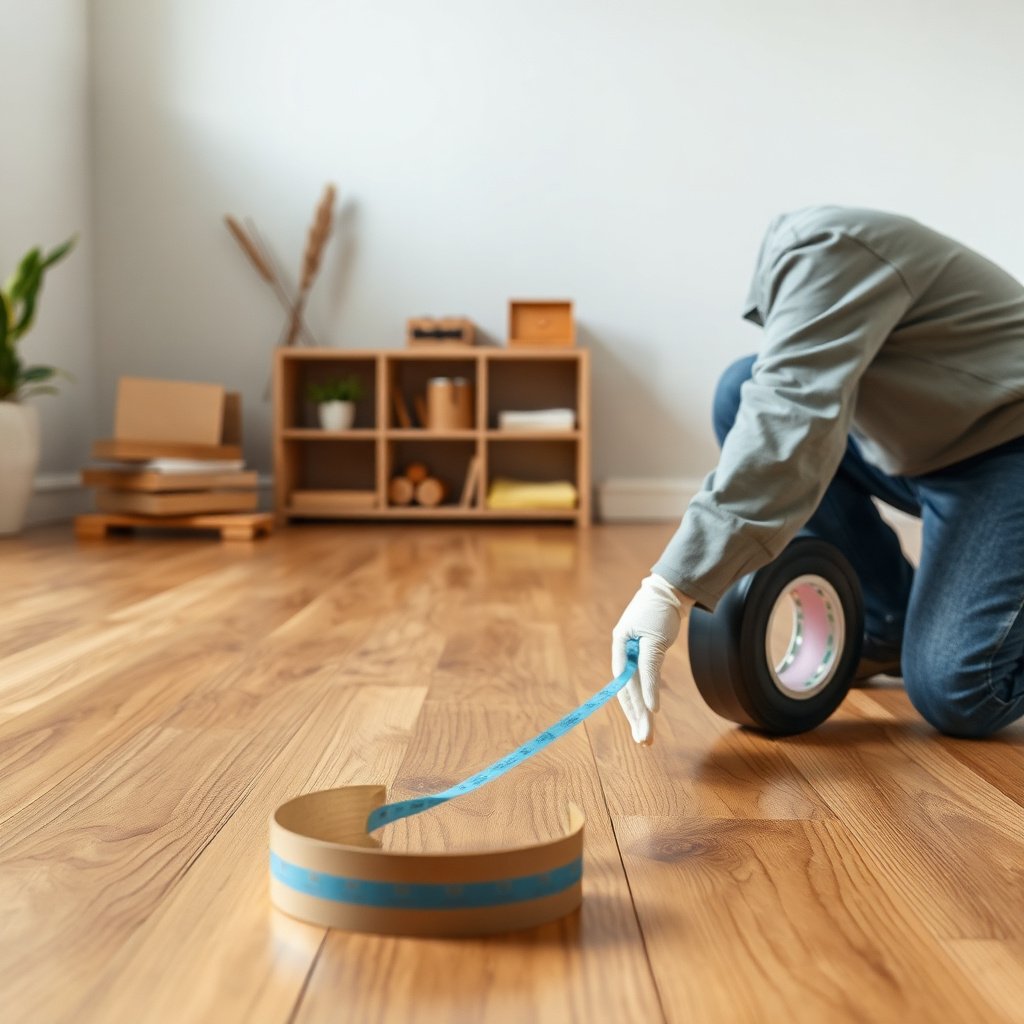
To remove stubborn tape residue from a hardwood floor safely, start by choosing tools that won’t gouge or haze the finish. The goal is controlled cleaning: minimal abrasion, limited liquid exposure, and residue removal that doesn’t leave the wood topcoat dull.
Before you begin, gather these items:
– Use wood-safe tools: microfiber cloths, a plastic scraper/credit card, and cotton pads/swabs.
– Choose a residue remover based on your floor finish: mineral spirits if appropriate, or a commercial adhesive remover labeled safe for finished wood (always follow the label).
– Avoid steel wool or abrasive pads; they can permanently mark the finish.
Two practical notes that matter for hardwood floors: (1) finish damage usually comes from scratching more than from “chemicals,” and (2) too much moisture is also risky. Wood science explains why—wood begins dimensional change at moisture levels near the fiber saturation point, roughly 25–30% moisture content U.S. Forest Service, Wood Handbook. That’s why you want “damp,” not wet, when cleaning a hardwood floor.
Also, be sure you’re working with a finished hardwood floor. If you have an unfinished or oil-soaked floor, the safe approach changes because the wood is the surface, not just the topcoat. When in doubt, the safest rule is to follow the finish manufacturer’s care guidance and use a spot test.
Finish-Safety Ranking for Common Tape-Residue Cleanup Methods (Finished Hardwood)
| # | Method | Best for | Finish risk | Finish-safety score |
|---|---|---|---|---|
| 1 | Warm hair-dryer heat (low/medium) | Softened tacky residue | Low (if heat is moved) | ★★★★★ |
| 2 | Warm damp cloth / steam cloth | Light label stickiness | Low–medium (watch moisture) | ★★★★☆ |
| 3 | Plastic scraping after softening | Film + lifted adhesive layers | Low (gentle angle) | ★★★★☆ |
| 4 | Commercial adhesive remover labeled for finished wood | Heavier PSA residue | Medium (follow label) | ★★★☆☆ |
| 5 | Citrus-based remover (label says safe) | Sticker glue + oily tack | Medium (can streak) | ★★★☆☆ |
| 6 | Mineral spirits (only if finish compatibility allows) | Some solvent-compatible residues | Higher (spot-test) | ★★☆☆☆ |
| 7 | Abrasives/steel wool or heavy scraping | Not recommended | Very high (marks topcoat) | ★☆☆☆☆ |
Soften the residue before you try to remove it
To clean stubborn tape residue on a hardwood floor, the fastest safe strategy is softening first—before you scrape or apply solvent. Heat or a warm cloth reduces tackiness so the adhesive lifts with minimal force.
Try the least-aggressive softening method first:
– Try heat first: warm the spot with a hair dryer on a low/medium setting until the residue turns easier to wipe (keep heat moving; don’t overheat one area).
– For small areas, press a cloth with warm water or hold a warm, damp cloth over the residue briefly to loosen tackiness.
– Wipe while softened to lift the sticky layer with minimal effort.
Heat technique that reduces risk on hardwood floors
Heat can be effective because many pressure-sensitive adhesives lose adhesion as they warm. In practice, you’re not trying to “cook” the hardwood floor—just bring the residue to a more flexible state. Move the hair dryer constantly and keep it at a safe distance (a few inches) so the finish doesn’t get a hot spot. If your hardwood floor has a thick urethane topcoat, brief warm exposure usually beats strong chemical scrubbing.
Warm cloth technique (best for small sticky spots)
Warm cloth softening works when the residue is still relatively fresh or not deeply bonded. Use minimal moisture, and keep your hardwood floor from getting wet at the edges. Think “damp press,” not soaking. According to general coating-care guidance for wood finishes, fresh polyurethane and other clearcoats continue curing for extended periods—often weeks in typical conditions Minwax Technical Data / Coating Curing Guidance (product literature). While that’s a curing concept, it supports the same practical rule: avoid prolonged liquid contact during sensitive periods.
Remove tape residue with the least-aggressive method first
Once the adhesive is softened, your hardwood floor should respond to lifting with minimal scraping. Start with wiping, then use a remover only if you still see a sticky film or gummy residue.
If wiping and light scraping don’t work, switch to targeted removal:
– If wiping and light scraping don’t work, apply your chosen remover to a cloth (not directly to the floor), then let it sit briefly as directed by the product.
– Use a plastic scraper to lift softened residue—short, gentle passes rather than pressure.
– Re-wipe with a clean damp cloth to remove loosened residue and any leftover chemical.
Use the right application workflow (it matters for finish safety)
Applying remover directly to a hardwood floor can spread into seams and edges. Instead, apply to a microfiber cloth or cotton pad, then “work the residue” locally. This approach limits solvent migration and reduces the chance of hazing.
Also, scrape like you’re shaving, not digging. Keep the plastic scraper nearly flat and take short strokes. If the adhesive resists, stop and re-soften—forcing the blade is how you turn a sticky spot into a dull scratch zone on a hardwood floor.
Heat vs remover (quick decision)
When you’re deciding between additional softening and chemical removal, use a simple risk tradeoff:
| Option | Pros for hardwood tape residue | Cons / watch-outs |
|---|---|---|
| Additional heat (hair dryer) | No solvents; reduces tack so adhesive lifts | Overheating can stress the topcoat or wood seams |
| Approved adhesive remover (label-safe) | Works when adhesive is bonded or aged | Can dull or streak if it’s not compatible—spot-test first |
Clean and protect after residue removal
After the tape residue lifts, your hardwood floor still needs a “finish-safe reset” so no film remains. This step is what prevents lingering tackiness and prevents dullness from leftover chemicals.
Do this after you remove the adhesive:
– Wash the area with a wood-safe cleaner or mild soap-and-water solution only if the manufacturer’s guidance allows it for your finish.
– Dry promptly with a clean towel to prevent water marks and streaks.
– If your floor finish looks dull afterward, consider restoring sheen using the method recommended by your floor’s finish manufacturer (avoid “random” polishes on unknown finishes).
Why a final wipe matters
Even when tape residue looks gone, residue can remain as a thin, oily film that re-tacks over time. A wood-safe cleaner wipe removes that invisible layer. Then drying promptly protects your hardwood floor from water spotting and streaking—especially on satin finishes.
Protecting sheen without guessing
If your hardwood floor loses gloss after cleanup, don’t assume polish is the fix. Different finishes (urethane, oil-modified urethane, waxed finishes, penetrating oils) respond differently. Using a method recommended by the finish manufacturer is the safest path because it preserves compatibility. This is essentially a risk-based controls approach—keep the process in the “least aggressive” tier first and only escalate when needed (a control mindset aligned with hazard management frameworks like the hierarchy of controls).
What can go wrong (and how to avoid it)
Tackle stubborn hardwood floor tape residue with caution—most failures come from scratching, over-soaking, or using incompatible solvents. If you avoid those common traps, the odds of finish damage drop dramatically.
Here are the main issues and how to prevent them:
– Scratching: metal blades, aggressive scrub pads, or pressing too hard with scraping tools can damage the finish.
– Finish stripping: stronger solvents may haze, dull, or remove wax/sealant layers on some hardwood finishes.
– Overheating: concentrating heat in one spot can warp wood, loosen adhesive in the floor seams, or damage the topcoat.
– Spreading residue: if you wipe “dry” before softening, you can smear tackiness into a wider film—always soften first.
Practical failure scenarios
If you discover the residue is spreading, stop immediately. That’s the clearest sign your hardwood floor adhesive hasn’t softened yet. Re-heat or re-apply a remover to a cloth, then lift again. If you see cloudiness or a lighter patch after solvent use, stop treating and switch to a cautious damp wipe—then allow the area to dry fully before deciding on any sheen restoration.
Who should pause before DIY
If your hardwood floor is antique, unfinished, recently refinished without documented guidance, or you can’t identify the finish type, the safer choice is professional help. Many hardwood warranties also require specific cleaning agents and procedures, and solvents can void coverage even when they “seem to work.”
Verdict: the safest approach—and when to stop
The best bet is a staged approach: soften (heat or warm cloth), lift with plastic, then clean with a wood-safe final wipe. If you’re dealing with an unknown finish, heavy residue that won’t budge, or an area that’s already cloudy/damaged, pause and test your chosen remover in a hidden spot first—or get help from a flooring professional.
This method works because it treats the problem in the order of least risk. Softening reduces force; gentle lifting reduces abrasion; and final cleaning reduces chemical haze and re-tack.
Skip DIY solvent attempts if:
– The hardwood floor finish type is unknown and the label guidance is unclear
– The area is already dull, peeling, or uneven
– You’re tempted to use abrasives to “make it faster”
Quick checklist (save this)
– ☐ Soften first (heat/warm cloth) before scraping
– ☐ Lift residue with a plastic scraper, not metal
– ☐ Apply solvent/remover to a cloth, not directly to the wood
– ☐ Wipe clean with a damp cloth after removal
– ☐ Dry immediately and finish with wood-safe cleaner
Frequently Asked Questions
What’s the safest way to remove stubborn tape residue from hardwood floors without damaging the finish?
Start by testing your cleaner in an inconspicuous spot to ensure it won’t dull or strip the hardwood finish. Begin with the gentlest method—warm water and a mild dish soap solution—then move to stronger residue removers only if needed. Avoid soaking the floor or letting liquids pool, and dry immediately with a soft microfiber cloth to protect the wood and finish.
How do I clean sticky adhesive residue from hardwood floors after removing painter’s tape?
Try loosening the adhesive with a warm, damp cloth held on the residue for several minutes, then wipe gently with a plastic scraper or old credit card. For remaining stickiness, use a small amount of mineral spirits or adhesive remover on a microfiber cloth (not directly on the wood) and wipe in the direction of the grain. Finish by wiping with a slightly damp cloth and drying thoroughly to remove any oily film.
Why does tape residue leave a haze or gummy film on hardwood, and how can I prevent it?
Tape adhesive can seep into the finish or react with dust and oils, creating a stubborn film that’s harder to remove over time. Prevention is mostly about acting quickly—remove tape promptly and clean the spot as soon as it comes off. If you must remove residue later, use stepwise cleaning (warm water first, then appropriate solvent) to lift residue without grinding it into the finish.
Which household products work best for removing sticky tape residue from hardwood floors?
Many people have success with warm soapy water, rubbing alcohol (isopropyl alcohol), or mineral spirits for tougher adhesive on finished hardwood. For very sticky spots, a commercial adhesive remover made for floors can be more effective than DIY mixtures, but always follow the label and test first. Avoid harsh cleaners like acetone or strong degreasers unless the wood finish is known to tolerate them, since they can damage or discolor the finish.
How can I remove tape residue from hardwood floors if the adhesive is hardened or the spot has been there for weeks?
Hardened residue usually needs softening: warm the area with a heat source like a warm cloth (or a hair dryer on low, kept moving) for short bursts, then scrape gently with a plastic tool. Once softened, wipe with mineral spirits or isopropyl alcohol on a cloth, repeating as necessary rather than scrubbing aggressively. After the adhesive is gone, clean with a damp cloth, dry completely, and consider applying a hardwood floor polish or wax if the finish looks dull.
📅 Last Updated: November 04, 2026 | Topic: How to clean stubborn tape residue from hardwood floors? | Content verified for accuracy and freshness.
References
- Adhesive
- Pressure-sensitive tape
- White spirit
- Solvent
- https://www.britannica.com/science/solvent
- Checking your browser – reCAPTCHA
- Checking your browser – reCAPTCHA
- https://scholar.google.com/scholar?q=tape+residue+removal+hardwood+floor Google Scholar
- https://scholar.google.com/scholar?q=pressure-sensitive+tape+residue+removal+wood Google Scholar
- https://scholar.google.com/scholar?q=adhesive+residue+removal+wood+finish+mineral+spirits Google Scholar
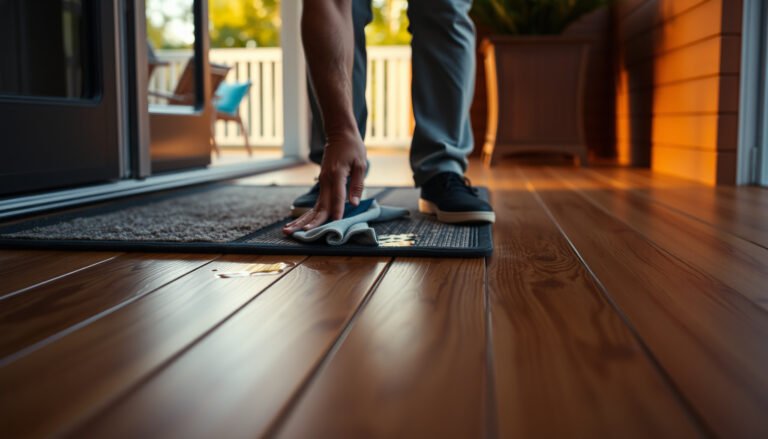
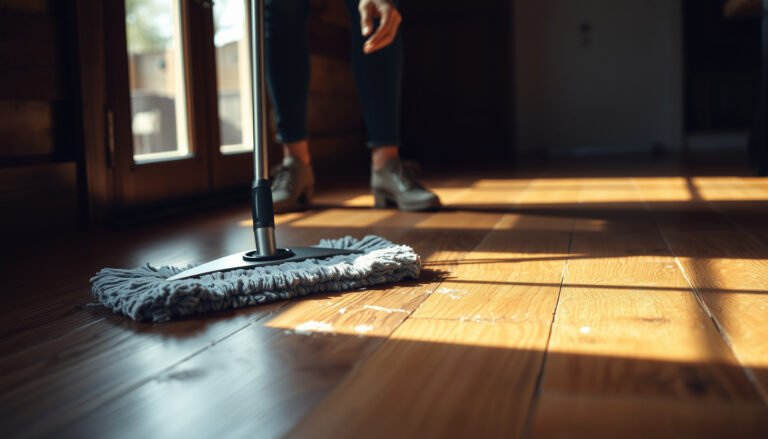
[…] method: use a plastic scraper or credit card to lift softened residue, then wipe the area with a microfiber cloth. If residue remains, apply a hardwood-floor-safe adhesive remover or 70–90% isopropyl alcohol on […]