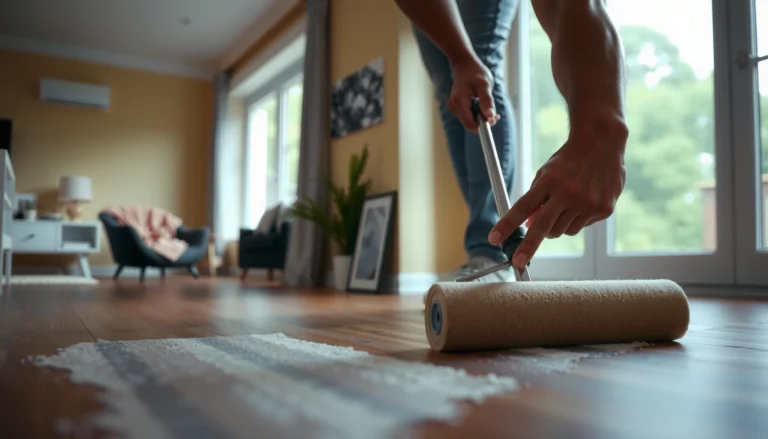
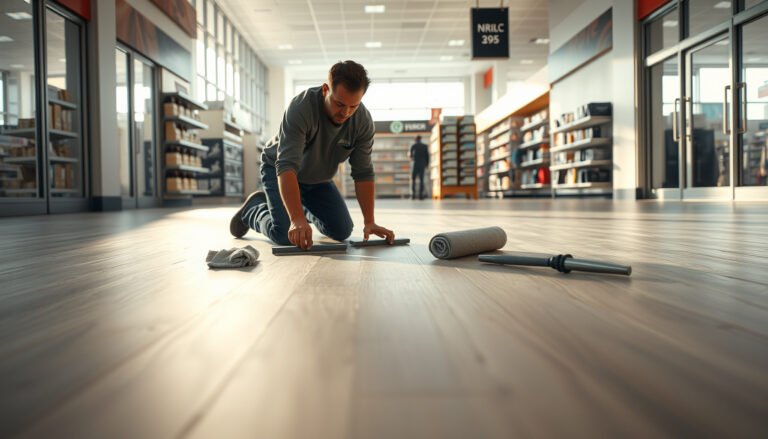
After a proper deep clean, tape residue comes off hardwood without haze or gouges, so your floor looks even and feels smooth again. Follow a simple sequence—soft scraping, targeted solvent or heat, then pH-neutral mopping—using microfiber cloths, a plastic scraper, and the right cleaner for your finish. Plan about 45 to 90 minutes of careful work, and you’ll be able to restore the surface instead of leaving sticky spots behind.



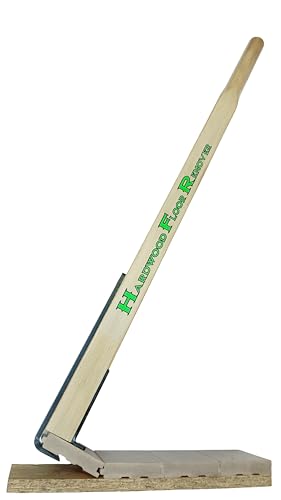
Warm the adhesive residue first, then dissolve and lift it gently with a pH-neutral cleaner and a plastic/nylon scraper, finishing with a thorough pH-neutral cleanup and complete drying. This approach removes sticky tape marks from finished (sealed) hardwood floors while protecting the floor’s sheen and topcoat.
If the tape left behind a cloudy film or gummy spots—after packing tape, painter’s tape, duct tape, or labels—this is for you. It’s especially relevant for sealed hardwood floors where you want a deep clean without stripping the finish, including when the residue has been sitting for days or weeks (common during moves, renovations, or storage).
Gather what you need (and what to avoid)
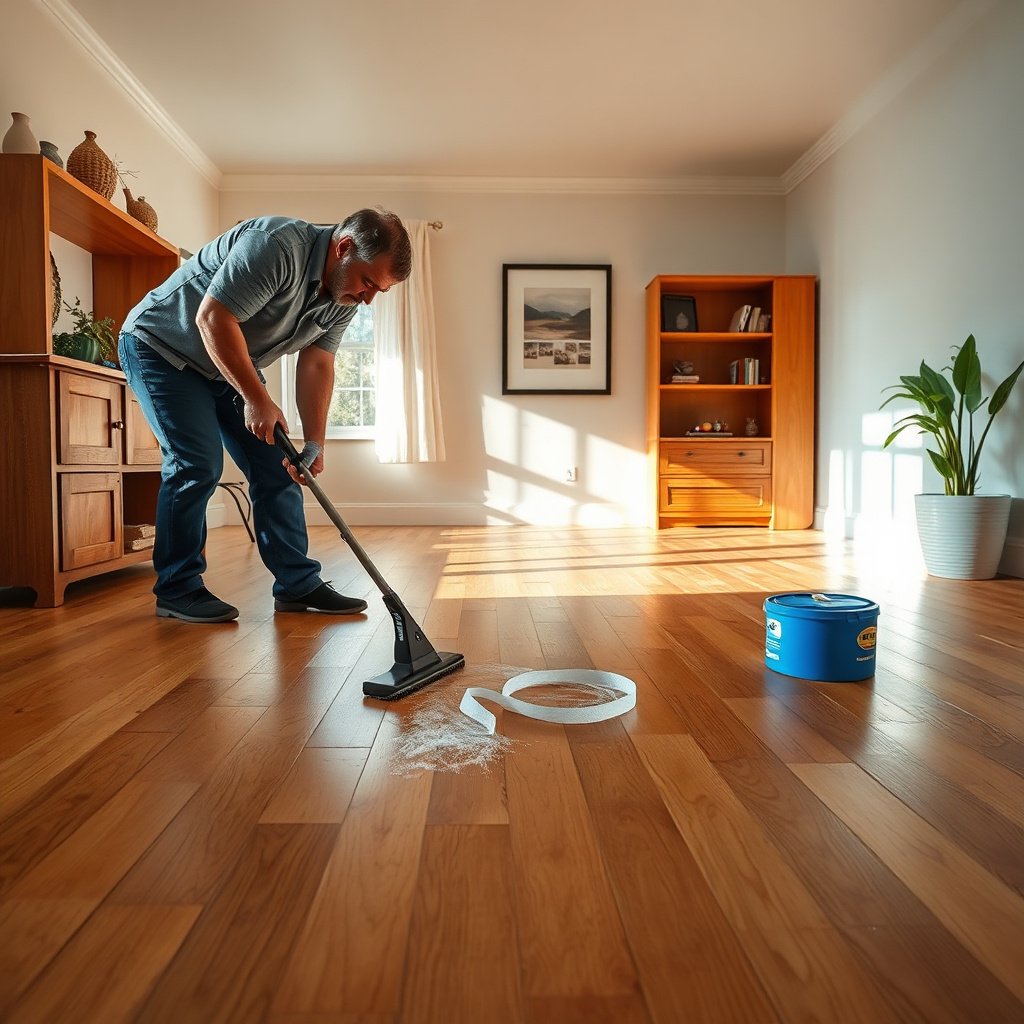
Use tools that soften and lift residue without abrading the finish. For finished hardwood floors, the safest workflow is: microfiber + pH-neutral cleaner + gentle scraping, with targeted adhesive-remover products only when the label says they’re compatible.
– Use: microfiber cloths, soft nylon scraper or plastic razor (carefully), mild dish soap or a pH-neutral wood floor cleaner, and a residue remover compatible with your floor’s finish.
– Avoid: steel wool, abrasive pads, harsh solvents, “mystery degreasers,” and anything that can dull or dissolve the finish.
– Optional but helpful: warm water, a hair dryer on low/medium, and painter’s tape remover pads/disposable cloths if you have them.
pH Compatibility Guide for Cleaning Tape Residue on Finished Hardwood
| # | Cleaner/Agent (common use) | Typical pH (approx.) | Best role on tape residue | Finish safety (higher = safer) |
|---|---|---|---|---|
| 1 | Distilled water (for controlled dampening) | pH 7.0 | Pre-wipe & wipe-down | ★★★★★ |
| 2 | pH-neutral wood floor cleaner (labeled) | ~pH 6.0–8.0 | Main residue cleanup | ★★★★★ |
| 3 | Mild dish soap (very diluted) | ~pH 7–9 | Fallback for small areas | ★★★★☆ |
| 4 | Baking soda solution (light mix) | ~pH 8.3 | Occasional degreasing support | ★★★☆☆ |
| 5 | White vinegar (5% acetic acid) | ~pH 2.4–3.0 | Usually avoid on finished floors | ★☆☆☆☆ |
| 6 | Household ammonia (typical) | ~pH 11+ | Often avoid for sheen protection | ★☆☆☆☆ |
| 7 | Chlorine bleach solutions (typical) | ~pH 11+ | Avoid on finished hardwood | ☆☆☆☆☆ |
Soften the tape residue first
Use warmth to make adhesive pliable so it lifts instead of smearing. For most finished hardwood floors, softening first is the key difference between “gummy mess” and clean residue removal.
– Apply gentle warmth: hold a hair dryer on low/medium a few inches away for short bursts, or place a warm damp cloth over the residue for a few minutes.
– Work in small sections so the adhesive stays pliable instead of drying back out.
– Test a corner spot if you’re unsure how your floor responds to heat or moisture.
Hardwood finishing layers (polyurethane, urethane-modified finishes, sealed acrylic topcoats) are designed to handle light cleaning, not aggressive scrubbing. When tape adhesive remains tacky, the goal is to change its working state—softened adhesive releases more readily during wipe-and-lift passes, rather than being forced deeper into the finish.
Remove the sticky layer safely
Use the least aggressive method first: dissolve, then lift. On sealed hardwood, the “wrong” scraping pressure is what turns tape residue into finish haze.
– Start with the least aggressive method: wipe with a damp cloth using a pH-neutral cleaner, then re-warm and repeat if needed.
– If residue remains, use a soft plastic scraper at a low angle to lift the softened gunk without gouging the wood.
– For stubborn adhesive, use a tape-residue remover method appropriate for finished hardwood (follow the product label; don’t freehand a strong solvent).
In practice, the adhesive’s texture often changes in stages: first it looks glossy and sticky, then it becomes stringy or crumbly as it warms and emulsifies, and finally it leaves behind a faint cloudy film. The final film removal is what restores an even sheen on finished hardwood floors—so avoid rushing to “stronger” chemicals before you’ve gotten the bulk of the adhesive off.
Deep clean after residue removal
Use a full-area pH-neutral cleanup so the spot blends in visually. After tape adhesive is lifted, the floor can still look uneven because residue leaves behind surfactant film (a thin, oily layer that dulls shine).
– Wash gently: after the last sticky spot is gone, clean the whole affected area with a pH-neutral hardwood cleaner (or a very mild mix of dish soap and water if that’s all you have—use sparingly).
– Dry thoroughly: buff with a dry microfiber cloth to prevent streaks and water marks.
– Check for uneven sheen: if the area looks dull next to the surrounding floor, repeat a gentle cleaner pass rather than add more heavy-duty chemicals.
This step matters because “cloudy film” is rarely just adhesive—it’s often a combination of dissolved residue, oils, and cleaners left behind from partial wipe-ups. For sealed hardwood floors, repeated gentle cleaning beats one aggressive wipe, especially when the goal is visual uniformity (matching gloss/sheen across boards).
What can go wrong (and how to prevent it)
Hardwood damage usually happens from pressure, moisture, or incompatible chemistry—not from the residue itself. If you see problems, stop and adjust before you permanently change the finish.
– Gouges and scratches: scraping too hard or using metal tools can leave visible damage—always use plastic/nylon and a light touch.
– Finish haze or dull spots: aggressive solvents or abrasive pads can permanently change sheen; if your adhesive won’t lift easily, stop and reassess your approach.
– Water damage risk: soaking hardwood or letting cleaner sit can cause swelling—use minimal moisture and dry promptly. According to the U.S. Forest Service’s Wood Handbook, wood reaches fiber saturation at roughly ~30% moisture content, which is far beyond what you want from routine cleaning (U.S. Forest Service, Wood Handbook (fiber saturation concept)).
– Residue re-softening: some adhesives get tacky again if overheated or if you clean with the wrong solvent—work slowly and clean thoroughly after.
A common failure mode is “overheating to speed up the job.” Heat can soften adhesive, but it can also soften or temporarily swell certain finish layers, which increases smearing and makes residue removal harder. Keep the hair dryer moving, use short bursts, and stop immediately if you notice the finish looking different.
Verdict: best approach for most hardwood floors
For most finished hardwood floors, the safest “deep clean” method is: warm to soften → wipe/dissolve with a gentle cleaner → carefully lift with a plastic/nylon scraper → finish with a pH-neutral cleanup and thorough drying. Skip solvent-heavy or abrasive methods if your floor has an unknown or delicate finish, is already worn, or you’re not confident about how it reacts—when in doubt, start mild and escalate only as the label instructions allow.
Quick checklist (scan/save)
– Warm the residue (hair dryer low/medium or warm damp cloth)
– Wipe with pH-neutral cleaner
– Gently lift with plastic/nylon scraper (low angle, light pressure)
– Re-clean the area with a pH-neutral product
– Dry/buff with microfiber to avoid streaks
Can I use vinegar or rubbing alcohol on hardwood?
It depends on your floor’s finish and what the label says for your specific product—some people’s “home remedies” can dull or haze finishes. Vinegar is typically acidic (about pH 2.4–3.0 for common household solutions), and acidity can be risky for some sealed topcoats. If you’re not sure, use a pH-neutral hardwood cleaner first and follow the adhesive remover instructions on the product label. According to NIST, pH 7.0 is neutral (at 25°C) and the pH scale is logarithmic, so vinegar-like acidity represents a much stronger deviation from neutral (NIST, pH definition and neutral point).
What if the residue is cloudy or leaves a film?
A cloudy film usually needs repeated gentle cleaning: soften again, wipe/dissolve, then deep clean and dry thoroughly. Avoid abrasive pads because they can make the area permanently look dull compared to the rest of the floor. If the spot still looks hazy after a clean-and-dry cycle, it often means you need to remove remaining residue plus any leftover cleaning film—don’t jump straight to harsher chemicals.
Will a hair dryer damage hardwood?
Warmth helps, but the risk comes from overheating or drying out the finish. Use short bursts on low/medium heat and keep the dryer moving; stop if you notice any finish changes. For best results in 2026 (and for long-term finish protection), keep the hair dryer several inches away and avoid concentrating heat on one spot for too long.
What’s the safest way to scrape adhesive off?
A plastic razor or soft nylon scraper used at a low angle is typically the gentlest option. Don’t press hard—let softening and cleaner do the work. If you have to apply significant force, that’s a signal the residue isn’t softened enough or isn’t being dissolved yet, and you should switch back to the wipe-and-warm cycle rather than scraping deeper.
How long does this usually take?
Small spots can take 10–20 minutes, while multiple tape seams or older adhesive can take longer with multiple gentle passes. If you’re still seeing tackiness after a careful clean-and-dry cycle, pause and reassess your approach. In 2026, the most reliable time-saver is consistency: warm, dissolve, lift, then deep clean—rather than alternating random solvents and scrapers.
If you follow the sequence—soften, dissolve, lift gently, then deep clean and dry—you’ll remove tape residue while protecting the wood’s finish. Work section by section, keep moisture controlled, and stop when sheen changes start to appear; that’s your signal to adjust the method instead of forcing the finish to “survive” harsher steps.
Frequently Asked Questions
What is the best way to remove tape residue from hardwood floors without damaging the finish?
Start by softening the residue with gentle heat (a hair dryer on low) or a damp cloth, then wipe with a microfiber cloth. If residue remains, use a small amount of mineral spirits on a hidden area first, then gently rub with the grain and follow with a cleaner made for hardwood. Avoid soaking the floor or using harsh solvents that can dull or strip the topcoat.
How do I deep clean hardwood floors after removing painter’s tape residue?
After scraping off the bulk residue, deep clean by mopping with a hardwood floor cleaner diluted exactly as directed. Use a microfiber mop and wring it thoroughly so you don’t leave standing water, then do a second pass with clean water (if your product instructs it) to remove any remaining film. Finally, dry with a clean towel to prevent streaking and water spotting.
Which products are safe for deep cleaning tape residue on sealed hardwood floors?
Look for “hardwood floor cleaner” products designed for sealed wood finishes, and consider mineral spirits for stubborn adhesive only after spot testing. You can also use isopropyl alcohol (lightly applied) for some adhesive types, but keep it minimal and never let it pool. For best results, always follow with a finish-safe cleaner and avoid abrasive pads that can scratch the floor.
Why does tape residue stick to hardwood, and how can I prevent it next time?
Tape adhesive can bond more strongly to hardwood when it’s exposed to heat, sunlight, or long contact time, leaving a sticky film after removal. To prevent residue, use low-tack painter’s tape, apply it briefly, and remove it while the surface is cool whenever possible. If you must keep tape up longer, test a small area first and avoid pressing tape down more than necessary.
How do I remove sticky adhesive residue from hardwood floors if it won’t come off with basic cleaning?
Try a two-step approach: first apply gentle heat to loosen the adhesive, then wipe with a microfiber cloth while it softens. For remaining buildup, use a cloth lightly dampened with mineral spirits or a small amount of isopropyl alcohol, working in small sections and wiping up immediately. Once the residue is gone, deep clean the area with a hardwood floor cleaner and buff dry to restore shine and remove any solvent film.
📅 Last Updated: November 04, 2026 | Topic: How to deep clean hardwood floors to remove tape residue? | Content verified for accuracy and freshness.
References
- 404 Error
- https://www.armstrongflooring.com/support/floor-care.html
- https://www.brucefloor.com/floor-care/
- IICRC – A non-profit organization for the Inspection, Cleaning, and Restoration Industries.
- https://en.wikipedia.org/wiki/Adhesive_residue
- https://scholar.google.com/scholar?q=hardwood+floor+tape+residue+removal Google Scholar
- https://scholar.google.com/scholar?q=remove+adhesive+residue+from+wood+floor+mineral+spirits Google Scholar
- https://scholar.google.com/scholar?q=pressure-sensitive+tape+residue+removal+wood+surface Google Scholar