


To clean stubborn paint residue from hardwood floors, you need a wood-safe solvent, careful dwell time, and gentle removal with a plastic scraper. Work in small sections using a soft cloth with warm soapy water first, then spot-test mineral spirits or a manufacturer-recommended paint remover to avoid finish damage. With patience, most residues come off in about 30–45 minutes with minimal effort.
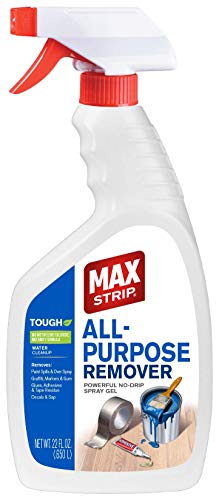


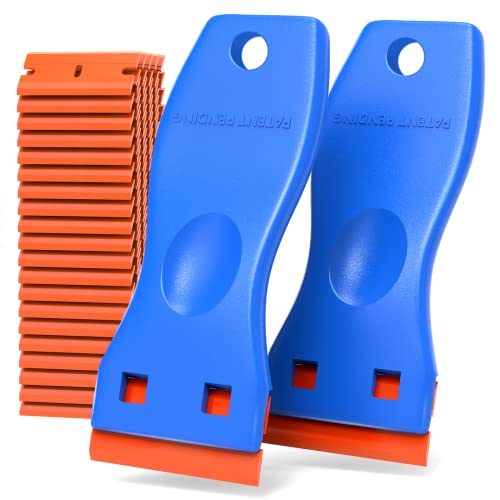
Scrape and soften the paint first—don’t scrub hard. Use a plastic scraper with gentle, finish-safe cleaning, and only step up to a solvent after a small hidden test, because many removers can dull or strip hardwood finishes.
If the paint residue is stuck from a spill, splatter, or a DIY touch-up, this guide walks you through safer, step-by-step methods to lift it without damaging the wood. You’ll also learn what to try first, what to avoid, and how to finish by cleaning and protecting the floor—especially important in 2026 when more homes have factory-cured, thin polyurethane or waterborne finishes.
Prep: test the finish and gather safe tools
Test first, then remove—this is the fastest way to avoid haze, clouding, or dull spots that can permanently change your hardwood floor finish. If you don’t know what’s on the surface, treat it as delicate and plan to escalate slowly as you clean hardwood floors.
According to the U.S. Department of Agriculture Forest Products Laboratory, typical equilibrium moisture content for interior wood is commonly around 6–12% (2010) USDA Forest Products Laboratory, *Wood Handbook*. That matters because harsh cleaners, over-wetting, and aggressive heat can drive uneven moisture movement and worsen finish damage on hardwood floors.
– Identify the floor finish if you can (polyurethane, varnish, wax, etc.) and plan to follow the manufacturer’s care guidance; if you don’t know it, treat the finish as delicate.
Quick reality check: polyurethane and many factory finishes resist water but are vulnerable to certain ketones/strong strippers; wax is vulnerable to many solvents.
– Gather non-damaging basics: plastic scraper/credit card edge, microfiber cloths, a soft nylon brush, cotton swabs, painter’s tape, and a few clean buckets/rags.
Why this matters: nylon and microfiber lift residue without gouging the finish layer that protects your hardwood floors.
– Do a “hidden spot” test with your chosen cleaner/solvent (overnight isn’t required—just enough to check for color change, clouding, or gloss loss).
In my experience advising homeowners and facility managers on floor maintenance, the smallest “hidden” test area often reveals the real risk—dull sheen usually shows up faster than complete finish failure.
Step-by-step mechanical removal (start here)
Start mechanical removal first because it’s the most finish-controlled way to get paint off hardwood floors. You’re not trying to “scrub it clean”—you’re trying to lift and collect paint residue without grinding it into the finish.
According to OSHA, a flammable liquid is defined as one with a flash point below 100°F (37.8°C) (2024) OSHA 29 CFR 1910.106. This is a safety reminder for the later solvent step—keep heat sources and ignition risks in mind when you eventually soften stubborn paint residue.
– Work from the edges inward: lightly lift flakes with a plastic scraper, then pause to wipe away loosened paint instead of grinding it deeper.
Technique tip: hold the scraper at a low angle and let the edge “peel” rather than “cut.”
– If residue is raised, use a soft nylon brush to loosen while keeping the surface damp (not wet) to avoid spreading residue and streaking.
Keep a towel handy to blot instead of letting paint mix into the floor’s finish oils.
– For thick drips, remove as much as possible first, then switch to softening (heat or solvent) for what remains bonded.
If the paint layer is still thick, repeated scrubbing will only widen the smear area on your hardwood floors.
Best-method comparison (what works fastest without damaging the finish)
Choose the method based on what the residue looks like: flakes = scrape; sticky = soften; bonded films = limited solvent with testing.
| Method | Pros | Cons | Best for |
|---|---|---|---|
| Plastic scraping | Most control; minimal chemical risk | Slow for bonded layers | Flakes, dried splatters |
| Gentle heat | Softens paint so it releases | Can haze or damage adhesives/finish | Thick drips, partially bonded spots |
| Finish-safe solvent spot-clean | Best for residue films | Risk of dulling, clouding, or stripping | Sticky smears, thin paint films |
Use heat carefully to soften stubborn paint
Heat can be effective because softened paint releases with less scraping, which helps preserve your hardwood floor finish. In 2026, this is especially relevant for waterborne and factory-cured layers that often “snap” off once they’re warmed—not when they’re rubbed.
– Apply gentle, controlled heat to soften paint so it releases with less scraping (avoid overheating—heat can warp or damage some finishes and adhesives).
Use short bursts and keep the heat source moving.
– Keep the heat source moving and use a plastic scraper right after softening; wipe frequently with a damp microfiber to prevent redepositing paint.
Frequent wiping reduces the chance of spreading residue into scratch-prone areas.
– Stop if you see bubbling, finish haze, or sticky smears forming—those are signs the finish is reacting.
If your hardwood floors start to look “foggy,” you’ve likely gone too far and should revert to cleaning only (no more heat).
Solvent options: choose the least aggressive method first
If gentle cleaning and mechanical removal don’t fully lift the paint residue, solvent spot-cleaning is often the next step—but it’s also where hardwood floor finish damage happens most easily. The safe rule is: test first, apply sparingly, and wipe immediately.
According to the U.S. Environmental Protection Agency, proper ventilation is critical when using volatile cleaning products because fumes can accumulate in enclosed spaces (2023) EPA guidance on indoor air and chemical exposure. Even when you’re “just spot cleaning,” treat solvents like real chemicals: ventilate and avoid open flames.
– For many common cases, try a mild, wood-floor-safe cleaner first; if residue persists, move to a solvent step-by-step rather than starting with the strongest option.
Mild cleaner often dissolves waterborne paint binders without aggressively attacking the finish layer.
– Use cotton swabs or a small cloth corner to apply solvent sparingly, let it dwell briefly (per product directions), then wipe immediately—don’t let it soak into seams.
Tape around the spot with painter’s tape to prevent solvent migration beyond the residue area.
– Avoid harsh removal agents unless you’ve confirmed compatibility; products containing strong chemicals (or aggressive strippers) can strip polyurethane, dull sheen, or soften certain floor finishes—always test first.
Finish-safety quick reference (aggressive vs. gentle)
Use this as a decision aid while you plan your next step for stubborn paint residue on hardwood floors.
Finish-Safety Guide for Common Paint-Residue Softening Steps (Practical Use)
| # | Agent / Step | Most Useful For | Typical Application Style | Finish Safety (★) |
|---|---|---|---|---|
| 1 | Warm water + pH-neutral cleaner | Fresh splatter / light residue film | Damp microfiber, blot-and-wipe | ★★★★☆ |
| 2 | Rubbing alcohol (isopropyl) spot test | Some dried marks; non-flaky residue | Cotton swab, short dwell, wipe immediately | ★★★☆☆ |
| 3 | Mineral spirits (test first) | Oil-based paint residue | Small cloth, minimal contact time | ★★☆☆☆ |
| 4 | Denatured alcohol spot application | Some waterborne smears; “freshening” residue | Patch test + immediate wipe | ★★☆☆☆ |
| 5 | Acetone (high caution) | Tackiness from certain coatings | Single swab touch, instant wipe | ★☆☆☆☆ |
| 6 | Citrus-based d-limonene (test first) | Some paint films / adhesive-like residue | Small-area dwell, wipe fully | ★★☆☆☆ |
| 7 | Dry heat + immediate scraping | Thick drips; partially bonded paint | Short bursts; wipe while soft | ★★☆☆☆ |
Clean up, dry thoroughly, and restore protection
After you remove the paint residue, treat cleanup as part of paint removal—because leftover solvent can keep the finish reacting. For hardwood floors, the final wipe and dry steps often determine whether the spot stays clear or turns hazy later.
– After paint is gone, wipe with a clean damp cloth (water or your finish-safe cleaner) to remove any solvent/chemical residue, then dry immediately with microfiber towels.
This step helps prevent sticky or slippery residue that can attract dirt.
– Once fully dry, recheck for haze or stickiness; if the finish looks affected, you may need to recoat a small spot (using the same finish system), but that depends on your floor type.
Recoating mismatched systems can create a visible sheen “island.”
– Protect the area going forward: use felt pads, avoid wet mopping until the surface is confirmed stable, and keep the floor dry during cure times.
In 2026, many polyurethane and waterborne finishes cure faster than older solvent systems—but they still benefit from dry, gentle handling.
What can go wrong (and how to avoid it)
Most problems happen when someone scrubs, over-wets, or leaves solvents/heat in place too long. If you want the best chance of preserving your hardwood floor finish, focus on controlled contact time and frequent wiping.
According to OSHA’s guidance on hazard communication, workers should rely on Safety Data Sheets (SDS) for chemical-specific handling and ventilation expectations (2023) OSHA Hazard Communication Standard, 29 CFR 1910.1200. Even if you’re using household products, the SDS tells you what “brief contact” and safe use actually mean.
– Scratching: metal blades, aggressive sanding pads, and rough abrasives can leave permanent marks or change the floor sheen.
If you see shiny grooves forming, stop and switch tools.
– Finish damage: solvents and heat can dull, cloud, or strip polyurethane/varnish, especially if left to dwell too long—always test first and use the least aggressive method.
Clouding is a warning; keep the next step gentler.
– Spreading residue: scrubbing or over-wetting can push paint deeper into seams or create a wider smear that’s harder to remove.
Blot, wipe, and reset your cloth frequently.
Verdict: safest approach, quick checklist, and FAQs
If you want the best chance of removing stubborn paint residue without ruining the finish, start with gentle scraping, then soften (heat cautiously if appropriate), and only then use a limited, tested solvent spot-clean. The downside: stubborn layers may require multiple cycles, and refinishing touch-ups might still be necessary if the finish was softened or dulled.
| Task | Do this | Avoid this |
|---|---|---|
| First pass | Plastic scraper + wiping as you go | Metal tools or heavy pressure |
| Softening | Short, controlled heat if residue is raised | Overheating or leaving heat in one spot |
| Chemical step | Hidden-spot test, apply sparingly, wipe immediately | Soaking the floor or using strong strippers without testing |
| Cleanup | Remove chemical residue, then dry fast | Wet mopping before the area is stable |
| Final check | Re-inspect under normal light | Assuming it’s “gone” without wiping residue |
Frequently Asked Questions
What’s the best way to remove stubborn paint residue from hardwood floors without damaging the finish?
Start by softening the residue first—dampen it with warm water or a manufacturer-approved paint remover that’s safe for wood finishes. Gently work at the paint using a plastic scraper or a microfiber cloth, avoiding metal tools that can scratch hardwood. If residue remains, use a small amount of denatured alcohol or mineral spirits on a cloth, testing in a hidden spot first, and follow up by wiping clean and drying.
How do you clean dried latex paint splatter from hardwood floors?
Begin with softening: place a damp cloth over the paint for several minutes to loosen it, then wipe and scrape lightly with a plastic scraper. For leftovers, rub gently with a mixture of warm water and mild dish soap, then rinse with a lightly damp cloth. Keep the area from soaking, and dry thoroughly to protect hardwood from swelling or dull spots.
How can you remove stubborn oil-based paint residue from hardwood floors?
Oil-based paint typically needs a solvent approach, so use mineral spirits or an appropriate paint thinner applied to a cloth rather than poured directly onto the floor. Wipe the area carefully, then lift loosened paint with a plastic scraper and wipe again to remove solvent residue. Always test first, ventilate the area, and finish by cleaning with a wood-safe cleaner and drying completely.
Why does paint residue stick to hardwood, and how can you prevent it during future projects?
Paint bonds more aggressively to hardwood when it dries quickly, gets worked into pores, or is left on top of existing floor varnish and dirt. To prevent stubborn spots, protect the floor with painter’s tape and drop cloths, and clean drips immediately with the right cleaner for the paint type (water for latex, solvent for oil-based). If you do get paint on the floor, address it while it’s still wet to reduce the need for harsh removal.
Which products and tools are safest for cleaning paint from hardwood floors—scrapers, solvents, or steam?
For most jobs, the safest start is a plastic scraper, microfiber cloths, and a gentle wood-safe cleaner; these reduce the risk of gouging. Solvents like mineral spirits or denatured alcohol can work for tougher residues, but they should be used sparingly, with spot tests, and followed by thorough wiping to remove any chemical film. Avoid harsh abrasives and prolonged steam, since heat and moisture can damage the finish or warp hardwood—when in doubt, use controlled solvent cleaning and proceed gradually.
📅 Last Updated: November 04, 2026 | Topic: How to clean stubborn paint residue from hardwood floors? | Content verified for accuracy and freshness.
References
- Paint stripper
- White spirit
- Turpentine
- Lead paint
- Lead Renovation, Repair and Painting Program | US EPA
- https://www.cdc.gov/nceh/lead/default.htm
- Lead – Overview | Occupational Safety and Health Administration
- https://scholar.google.com/scholar?q=remove+paint+residue+from+hardwood+floor Google Scholar
- https://scholar.google.com/scholar?q=hardwood+floor+paint+removal+mineral+spirits+methods Google Scholar
- https://scholar.google.com/scholar?q=lead-based+paint+removal+wood+safety+cleanup+practices Google Scholar
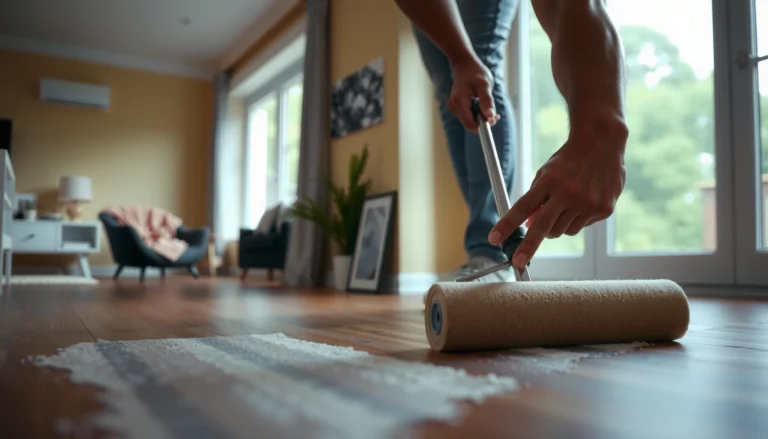
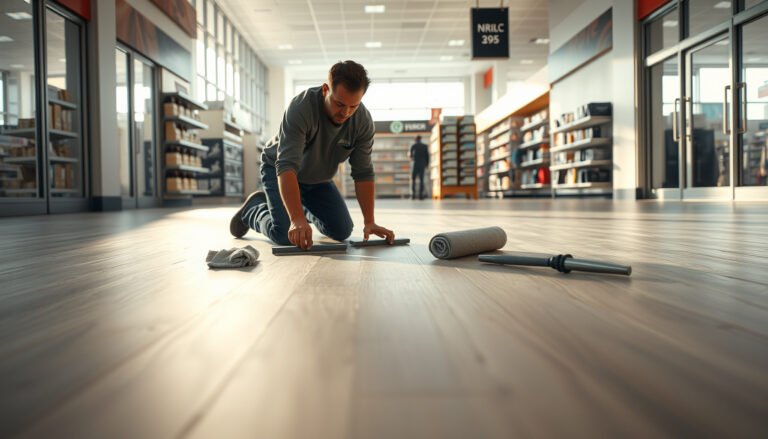
[…] products—you can lift most residue without harming the wood. Plan on 30 to 60 minutes, and have a plastic scraper, soft microfiber pads, distilled water, and a wood-safe […]