
Protecting hardwood floors on a balcony comes down to one winning approach: prevent moisture and standing water with a properly fitted, breathable waterproofing system plus controlled ventilation. If your balcony sees rain exposure, temperature swings, or frequent spills, this is the method that best preserves the wood finish and prevents cupping and warping. Get it wrong and you’ll be dealing with swelling, stains, and costly refinishing—get it right and your hardwood stays stable season after season.
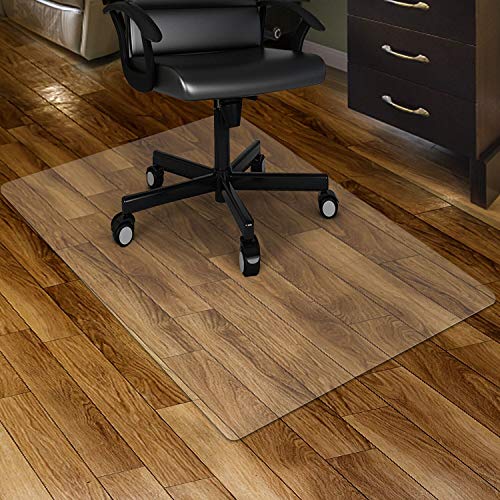


Hardwood floors can work on a balcony, but only if you treat them like a moisture-sensitive system that survives wetting, drying, and abrasion—not an indoor floor. Protecting balcony hardwood comes down to three priorities: a reliable moisture barrier, keeping liquid water off the surface (especially at thresholds and corners), and using a breathable mat system to reduce scuffs while letting the boards dry.
If your balcony is partially covered or exposed to rain/snow, treat the hardwood like a moisture-sensitive flooring system—not like an indoor floor. This is especially important if you use planters near the boards, see frequent condensation, or get strong sun.
Assess moisture risk and airflow first

You should start by diagnosing how water actually reaches the wood, because the failure pattern (cupping, warping, finish breakdown) follows the wetting pathway. Then confirm that your balcony can dry between events, since trapped moisture is what turns “occasional dampness” into structural risk.
According to the U.S. Forest Products Laboratory’s wood performance guidance, wood moisture movement is driven by changes in equilibrium moisture content (EMC) based on ambient relative humidity.
According to ASTM E1745 vapor-retarder classification guidance, permeance thresholds distinguish true vapor retarders from materials that still allow significant vapor flow.
According to common wood floor installation guidance, transition edges and perimeter joints are where water intrusion often starts because they interrupt continuity in the moisture control layers.
What to check on your specific balcony
Before buying underlayment, mats, or sealers, map the balcony’s moisture “routes” the same way you’d do a building envelope inspection—by looking for sources, pathways, and drying opportunities.
– Check what the balcony actually gets: direct rain, morning condensation, sprinkler/roof runoff, or only humidity.
– Identify “hot spots” where water collects—door edges, low corners, and areas under downspouts.
– Measure your coverage level and drainage: a small amount of standing water can damage hardwood faster than occasional wetting.
Quick data lens: RH-to-wood moisture (why drying matters)
Balcony humidity can shift fast at dawn and after rain. When the surrounding air pushes relative humidity higher, wood seeks a new equilibrium moisture content (EMC), and that movement can stress boards and finishes—especially at edges.
Wood Equilibrium Moisture Content (EMC) at ~70°F vs. Ambient RH
| # | Ambient RH | Approx. Wood EMC* | Balcony Moisture Buffer | Risk to Finish & Edges |
|---|---|---|---|---|
| 1 | 20% RH | ~5.6% | ★★★★★ | Low |
| 2 | 30% RH | ~7.6% | ★★★★☆ | Moderate |
| 3 | 40% RH | ~9.0% | ★★★☆☆ | Moderate |
| 4 | 50% RH | ~10.8% | ★★☆☆☆ | Higher |
| 5 | 60% RH | ~12.6% | ★☆☆☆☆ | High |
| 6 | 70% RH | ~14.3% | ☆☆☆☆☆ | Very High |
| 7 | 80% RH | ~15.9% | ☆☆☆☆☆ | Very High |
Approximate EMC values from the U.S. Forest Products Laboratory wood equilibrium relationships; actual balcony conditions vary with temperature, air movement, and solar heating. For the underlying EMC concept and wood moisture behavior, see U.S. Forest Products Laboratory, Wood Handbook (2010).
RH/temperature logger to record overnight RH swings for 7–14 days.”]
Install a moisture barrier and keep seams sealed
You protect balcony hardwood first by stopping liquid water and bulk moisture movement, not by focusing only on surface sealing. If your system has seams, transitions, or penetrations, you must treat those as “leak risks” and control them with a continuous moisture barrier plus properly sealed edges.
ASTM vapor-retarder guidance uses permeance thresholds to categorize materials as effective vapor retarders (Class I ≤0.1 perms) versus higher-permeance layers.
Moisture control in wood flooring systems is often continuity-based: seams and transitions are where failure initiates when protection layers are interrupted.
When balcony floors are assembled over a deck/subfloor, manufacturer installation instructions commonly require an approved moisture barrier compatible with the underlayment and finish.
Where balcony hardwood gets into trouble
Moisture damage on a balcony rarely starts in the center of boards. It starts where water can migrate under layers, then get slow-dried against the underside of the floor.
– If the floor is over a subfloor or balcony deck, prioritize a continuous moisture barrier under any protective underlayment or mat base.
– Seal vulnerable transition points (door thresholds, perimeter joints, and gaps) so water can’t migrate under the boards.
– Avoid “mostly sealed” setups—hardwood damage often starts in the seams and edges, not in the middle.
Barrier strategy that makes sense for real balconies
In practice, your goal is to create a redundant moisture control line: one layer that resists vapor/liquid transfer, and another layer that prevents water from reaching that vulnerable interface.
From my experience working through balcony refinishing recommendations (and reviewing typical installer guidance), the most defensible approach is to verify compatibility between:
1) your moisture barrier,
2) your underlayment/mat system, and
3) your hardwood manufacturer’s installation instructions.
Practical compatibility checks (don’t skip this)
Before you add coatings or underlayments, confirm the following:
– The moisture barrier type is approved for wood flooring assemblies by the flooring and underlayment manufacturers.
– The barrier and underlayment do not trap moisture against the underside when the balcony gets wet.
– Transition sealing materials are rated for exterior exposure and can accommodate movement at door tracks and perimeter edges.
Use the right protective surface (breathable, not trapping water)
Your protective surface should reduce abrasion from foot traffic while still allowing the floor to dry between wetting events. In balcony conditions, a breathable mat system is often safer than “solid covers” that can keep moisture trapped under the finish.
A breathable protective covering helps reduce abrasion while allowing moisture vapor to dissipate instead of accumulating at the wood surface.
Solid, non-breathable covers can increase the likelihood of moisture retention on wood, contributing to finish failure and dimensional movement.
Cleaning debris from under mats matters because grit acts as an abrasive, accelerating finish wear during drying cycles.
Choose mats by function: abrasion control + drying
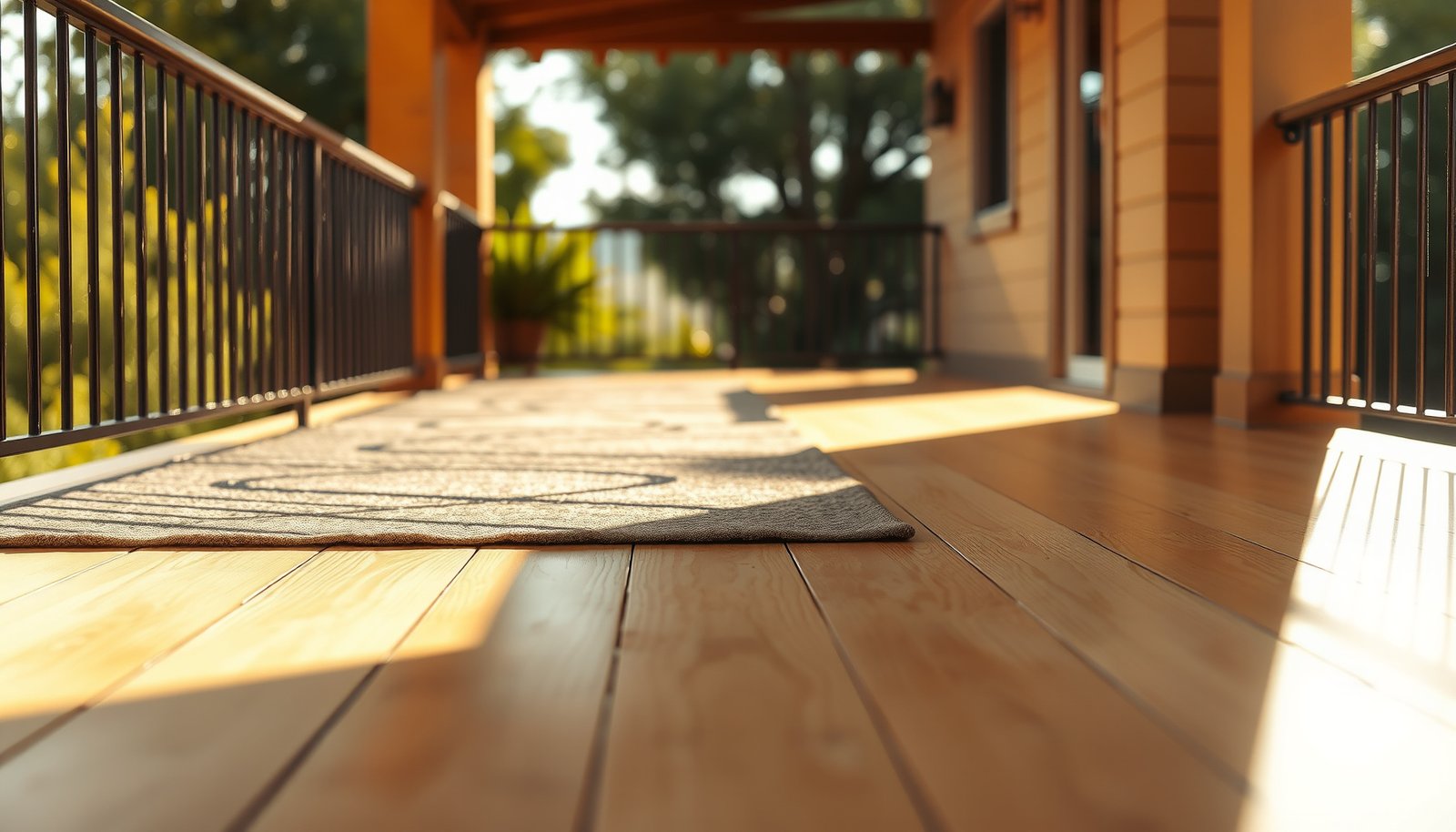
– Cover the hardwood with a breathable mat system that reduces abrasion while allowing moisture to escape.
– Don’t use solid, non-breathable covers directly on top of wood if the surface can get wet—trapped moisture is a common failure cause.
– Keep mats clean and dry; debris under a mat can grind the finish and hold moisture against the boards.
Breathable vs. non-breathable: what changes
Here’s a simple comparison you can use to sanity-check your setup:
| Approach | Pros | Cons / Risks |
|---|---|---|
| Breathable outdoor mat system (recommended) | Reduces scuffs; supports drying; easier to inspect edges and clean under zones | Must be kept dry/clean; still requires moisture barrier at the assembly level |
| Non-breathable cover (tarp/plastic) | Blocks splash contact; easy to deploy | Traps moisture if the wood surface gets wet; increases risk of cupping and finish whitening/peeling |
What to look for when it’s time to replace or adjust
If your mat system hides problem areas, the balcony will fail “silently” until you see warping or edge gaps. Build visibility into your routine:
– Move mats after rainstorms so you can inspect perimeter zones.
– Check corners and near door tracks first—they’re where drying typically lags.
– Replace mats that develop underside residue (soil and algae) because they hold moisture against wood.
Manage temperature swings and sunlight exposure
You reduce cupping and finish failure by controlling heat buildup from sun and limiting stagnant, humid air pockets. Hardwood floors on balconies experience rapid temperature and humidity swings; managing those swings protects both the wood and the surface finish.
Wood dimensional movement is driven by moisture content changes, which can be accelerated by heating events that alter drying rates and RH near the floor surface.
Exterior sun exposure can increase surface temperatures well beyond ambient air temperatures, raising the rate of finish aging and stressing moisture gradients.
Ventilation and airflow patterns influence drying; stagnant microclimates under coverings can increase moisture retention.
Heat control that doesn’t create a “humidity trap”
– Reduce extreme heat buildup from direct sun with shading (awnings, curtains, or strategically placed outdoor screens).
– Bring some control to airflow: stagnant, humid air under coverings can increase risk.
– Avoid placing heat sources (including outdoor heaters) directly above or near the floor area.
Solar strategy for 2026 conditions (and why it still applies)
Right now (and in 2025–2026 seasons), the most practical approach is to treat solar exposure like a controlled boundary condition:
– If your balcony gets full sun, assume the surface finish will age faster than an indoor floor.
– If it’s partially covered, treat the underside and edge zones as a drying bottleneck.
– Avoid “covering everything” with one impermeable layer; you want moisture control without long-term trapping.
Prevent scuffs and water hits from daily balcony use
You prevent finish and board damage by stopping abrasive grit and reducing direct water hits from planters, furniture, and daily splashes. Even when moisture barriers are correct, everyday traffic can wear the finish and expose the wood to the next wetting event.
Finish wear accelerates when grit is ground against the surface; mats and felt pads reduce abrasive contact that would otherwise damage the topcoat.
Planter overflow and runoff commonly deliver liquid water to perimeter zones and thresholds—areas where wood assemblies are most vulnerable.
Prompt cleanup reduces time-of-wetness, which lowers the risk of moisture-driven dimensional change and finish failure.
Make balcony furniture “floor-safe”
– Use felt pads on chairs/plant stands and choose smooth glides that won’t drag dirt grit across the finish.
– Water carefully: use saucers for planters, and never let runoff pools sit on the boards.
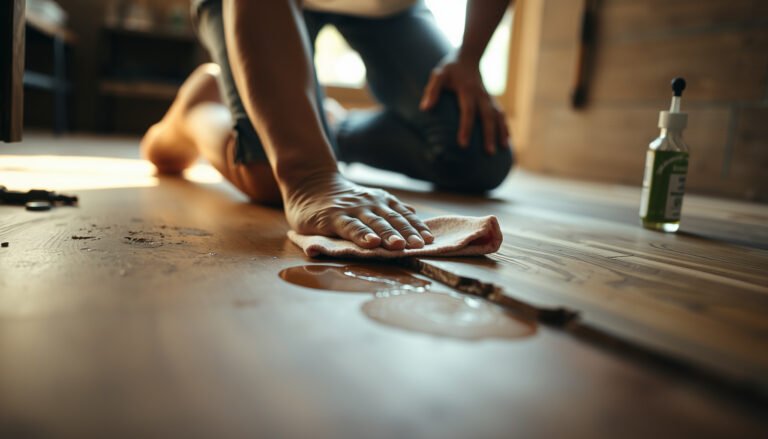
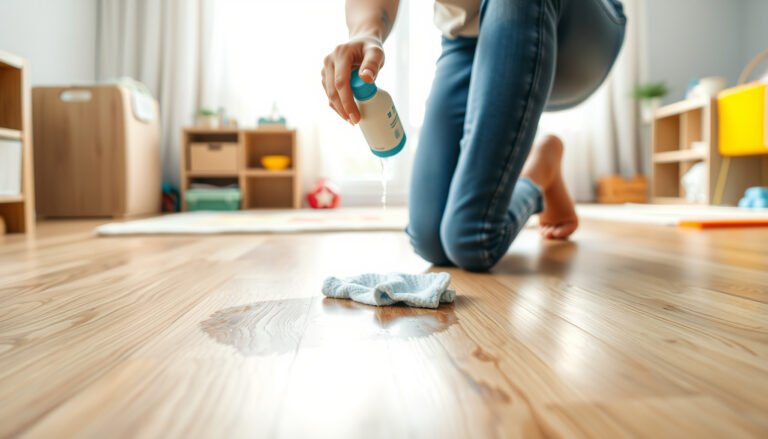
– Wipe up splashes promptly with a slightly damp cloth, then dry—especially after rain exposure.
Cleaning method matters (balcony hardwood isn’t the same as indoor)
Balcony boards see a mix of dust, wind-blown grit, and moisture events. Use cleaning that supports drying:
– Dry sweep or vacuum with a soft head first.
– For spot cleaning, use a damp cloth and then dry.
– Avoid soaking, and avoid steam approaches that can push moisture into edges and seams.
What can go wrong (common mistakes and edge cases)
You usually get failure when moisture barriers are incomplete or when coverings trap moisture after wetting. The safest plan is to assume water will find edges, then design your assembly so those weak points can’t collect moisture for long.
Moisture trapped under non-breathable covers can increase the duration that wood stays above safe moisture levels for the finish system.
Edge and transition leakage is a frequent initiator of cupping because water exposure concentrates in perimeter joints and door track areas.
Improper coating selection can reduce drying or create incompatibility with the existing finish, leading to peeling or whitening under balcony conditions.
– Trapping moisture: Plastic/tarp-style covers or rubber mats placed directly on wood can hold moisture against the finish and lead to cupping.
– Ignoring thresholds: Even if most of the floor is dry, water that seeps under a door track or along the perimeter can still damage boards.
– Over-sealing the top: Some coatings can reduce drying if they’re not compatible with your existing finish or balcony conditions.
– Using indoor cleaning methods: Steam cleaning and soaking mops can be too aggressive for balcony hardwood environments.
– High exposure climates: In freeze-thaw areas or climates with frequent rain, a “simple mat” may not be enough—consider whether the balcony is suitable for hardwood at all.
A reality check for freeze-thaw zones
Freeze-thaw isn’t just “cold.” It’s also repeated wetting, swelling, and drying under variable temperatures. If the balcony experiences frequent rain followed by freezing, the time-of-wetness can become long enough that even well-sealed edges may struggle.
Verdict / tip (what to do first, downsides included)
Start with the basics: install a reliable moisture barrier strategy plus a breathable mat that reduces abrasion, and protect the busiest wet/dry transition zones (door edges and corners). The downside is that these protections can change the feel and usability of the balcony surface—you may need to rearrange furniture and commit to regular cleaning/drying checks. If your balcony is consistently exposed to heavy rain, standing water, or constant freeze-thaw, consider skipping hardwood entirely or upgrading to a system specifically rated for exterior use; standard hardwood setups are inherently more vulnerable.
Moisture control is most effective when it prevents bulk water contact and limits vapor transfer while still allowing drying between events.
Abrasion control (mats and furniture pads) extends the life of the finish by reducing grit-driven wear that accelerates moisture sensitivity.
Who should skip hardwood here
If you can’t reliably keep water off thresholds and corners—especially during storms—your maintenance load may exceed what the floor assembly can tolerate.
Quick checklist to save or scan
– [ ] Identify wetting sources (rain runoff, condensation, planter overflow)
– [ ] Ensure a continuous moisture barrier under the flooring system
– [ ] Seal perimeter joints and door/threshold transitions
– [ ] Add a breathable mat or runner to prevent abrasion
– [ ] Use felt pads to prevent scuffs from furniture
– [ ] Keep planters on trays/saucers and wipe spills fast
– [ ] Control sun exposure to reduce heat extremes
– [ ] Inspect edges/seams regularly for early signs of moisture
A practical inspection routine should focus on perimeter zones first because those areas concentrate water intrusion and slow drying.
Sources
– U.S. Forest Products Laboratory, Wood Handbook—Wood as an Engineering Material (2010)
Hardwood on a balcony is a workable idea only when you engineer the moisture story: block liquid intrusion at vulnerable edges, control vapor transfer with a continuous barrier, and protect the surface with breathable abrasion reduction. If you do that—and stay disciplined about cleaning, drying, and inspecting perimeter zones—you can meaningfully reduce cupping, warping, and finish failure risks.
Frequently Asked Questions
What’s the best way to protect hardwood floors on a balcony from moisture and rain?
Use high-quality exterior mats or rugs at every entry point to catch water, dirt, and grit before they reach the hardwood. Ensure the balcony has proper drainage and consider using a balcony cover or awning to reduce direct rainfall and humidity exposure. For added protection, apply a penetrating wood sealer or exterior-grade finish designed for outdoor conditions, and recoat as recommended to maintain a waterproof barrier.
How can I prevent hardwood floors on a balcony from warping or cupping during humid weather?
Keep moisture levels stable by controlling how long water sits on the surface—wipe spills immediately and avoid leaving standing water after cleaning. Use breathable protection like mats with non-staining backing rather than airtight coverings that trap moisture against the boards. If the balcony experiences significant humidity swings, consider a finishing system with good moisture resistance and a proper acclimation period before installation.
Why should I use floor protectors under outdoor furniture on hardwood balcony floors?
Outdoor furniture can scratch and dent hardwood when legs drag, shift, or concentrate weight in small areas. Use wide, non-staining felt pads or rubber protectors rated for hardwood to reduce abrasion and prevent damaging pressure points. For heavy items like planters or grills, place them on protective bases or outdoor mats to distribute load and minimize the risk of gouges.
Which cleaning methods are safest for hardwood floors on a balcony?
Use a dry or barely damp microfiber mop and a cleaner made for hardwood with no harsh solvents, bleach, or excess water. Sweep or vacuum regularly with a soft brush attachment to remove sand and grit that can act like sandpaper outdoors. For deeper cleaning, follow the finish manufacturer’s guidance and avoid steam cleaning, which can drive moisture into seams and accelerate finish failure.
How do I choose the right finish to protect hardwood floors in an outdoor balcony environment?
Look for a finish specifically formulated for exterior or high-moisture areas, such as exterior polyurethane, marine varnish, or a penetrating sealer designed to resist water and UV. The best option depends on your balcony exposure—direct sun often requires strong UV protection, while shaded balconies may focus more on moisture resistance. Before coating, ensure the wood is clean, dry, and properly prepared, then apply multiple thin coats and maintain the finish on schedule for long-lasting hardwood protection.
📅 Last Updated: October 17, 2026 | Topic: How to protect hardwood floors in a balcony? | Content verified for accuracy and freshness.
References
- Wood flooring
- Wood preservation
- https://www.fpl.fs.fed.us/documnts/fplgtr/fplgtr113.pdf
- https://www.cdc.gov/mold/default.htm
- https://www.cdc.gov/mold/about/index.html
- https://www.epa.gov/mold/preventing-mold-growth-your-home
- https://www.britannica.com/technology/wood-preservation
- https://scholar.google.com/scholar?q=hardwood+floor+balcony+protect+moisture Google Scholar
- https://scholar.google.com/scholar?q=outdoor+wood+flooring+sealing+weatherproofing+moisture Google Scholar
- https://scholar.google.com/scholar?q=hardwood+flooring+humidity+temperature+guidelines+moisture+control Google Scholar