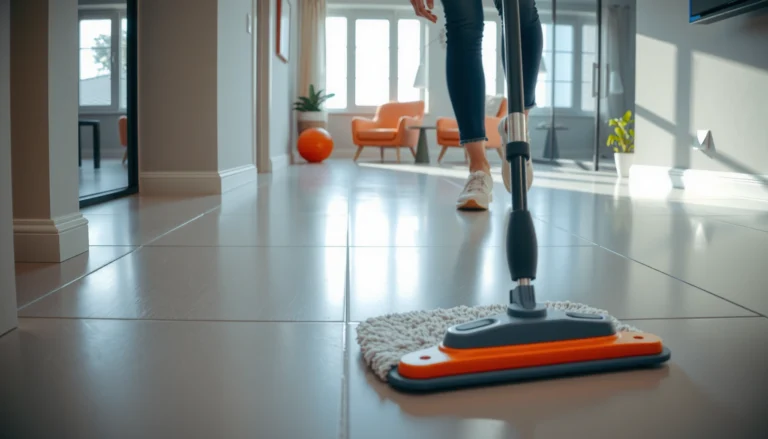
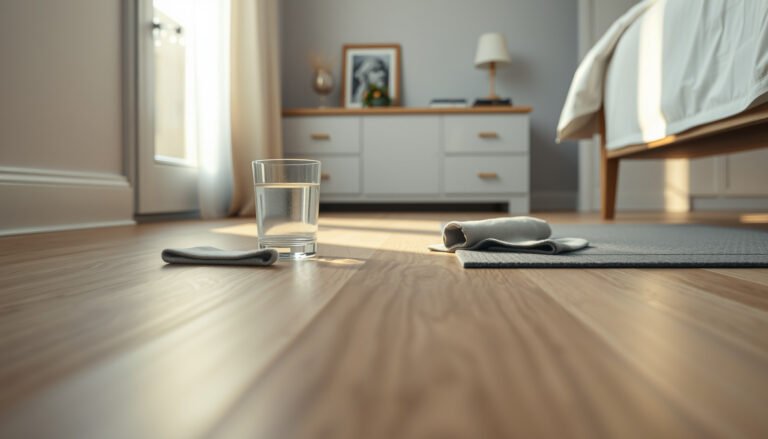
Laminate floors in a laundry room can stay looking sharp longer when you follow a few rules that prevent moisture damage and swelling. If you want the clearest maintenance playbook—what to clean, how to dry, and what to avoid—this guide lays it out step by step so you can protect your finish through every wash cycle. You’ll get the direct, practical maintenance checklist that makes laminate a reliable choice even in high-splash, high-humidity conditions.



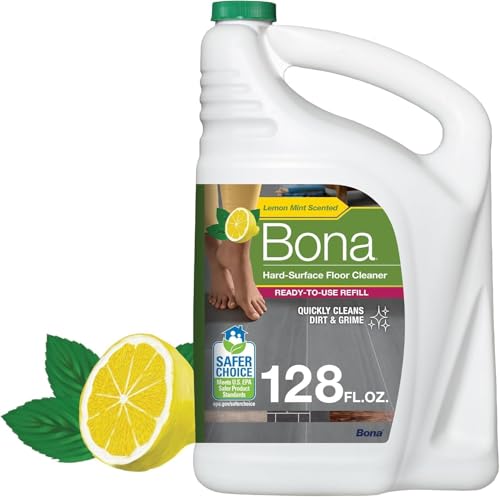
To maintain laminate floors in a laundry room, focus on preventing moisture from sitting on the surface or getting into seams. Sweep up grit often, clean with only lightly damp methods, and act fast on spills near the washer, dryer, and sink. This guide will show you what to do day-to-day and what to avoid so your laminate doesn’t warp or swell.
If your laundry room sees frequent damp loads, occasional drips, or wet mopping, laminate needs a bit more care than in a dry hallway. These steps are for homeowners who want practical cleaning habits that match how laminate flooring is designed to be maintained.
Who this is for / when it applies

If you’re protecting a laminate floor in a laundry room or utility room where water splashes are common, your goal is simple: reduce direct contact with liquid and keep debris from acting like sandpaper. Laminate can handle everyday cleaning, but standing moisture and pooled drips are the fastest path to swelling at seams and edges.
This guidance is especially relevant in 2026 because more laundry rooms include side-by-side washer/dryer setups, utility sinks, and wet-cleaning routines—all of which raise splash exposure. When lint, dust, and grit accumulate, they also grind against the top wear layer and dull the finish over time, making the floor look “dirty” even after cleaning.
Laminate flooring can be durable for daily use, but manufacturers typically require preventing liquid from pooling because moisture can penetrate at seams and edges.
Routine grit removal matters because abrasive particles (lint and dirt) act like sand, increasing wear on the laminate wear layer over time.
Best-fit scenarios (and what to watch)
– Laundry rooms, utility rooms, and drop-zone areas where baskets get moved frequently and spills happen near appliances.
– Households with high splash risk (utility sinks, frequent hand-washing, pets, or kids running between machines).
– Homes that see tracked-in debris (sand, soil, lint clumps) that can scratch the finish if you clean only after it’s ground in.
Who should pause and rethink
If your laundry room regularly has standing water, repeated overflows, or you plan frequent wet mopping, laminate may not be the best long-term match. For those homes, consider a more water-resistant flooring type or improvements that eliminate the moisture source first.
Daily and weekly maintenance (keep it simple)
The best daily/weekly routine for laminate in a laundry room is a two-step workflow: remove grit first, then use only a minimally damp method that doesn’t leave the floor wet. This approach prevents scratches and reduces the chance that cleaning liquid migrates into the joints.
In practice, the sequence matters. Vacuuming or sweeping removes grit so that your microfiber won’t drag particles across the surface. Then, any damp cleaning should be controlled—enough to lift residue, not enough to saturate.
A “dry clean first” routine reduces micro-scratches because grit is the abrasion source, not the laminate surface itself.
For laminate, “damp” cleaning should mean a well-wrung microfiber method, not leaving water on the floor long enough to soak seams.
A simple routine that scales with your laundry schedule
Daily (or as needed):
– Sweep or vacuum around the washer/dryer, especially where shoes and baskets cross.
– Spot-wipe visible smudges immediately with a microfiber cloth.
Weekly:
– Sweep/vacuum with a soft head to remove grit before it scratches.
– Check high-traffic paths (often the route between washer/dryer and the door).
Tool and product choices that prevent surface damage
Below is a practical comparison of cleaning tools for laminate in laundry rooms:
| Tool/Method | Why it works for laminate | Primary risk if used incorrectly |
|---|---|---|
| Soft-brush vacuum attachment | Lifts grit without gouging the wear layer | Hard bristles can scratch and dull finish |
| Well-wrung microfiber cloth/mop | Controls moisture so joints don’t stay wet | Too-wet mopping can seep into seams |
| Laminate-safe cleaner (if manufacturer allows) | Removes detergent film and grime without harming finish | Wrong chemicals can damage the surface coating |
| Scrubbing pads / stiff brushes | Not recommended for routine cleaning | Abrasions increase dullness and make dirt stick |
Clean technique that avoids streaking and residue
For laundry rooms, detergent overspray and hard-water residue can accumulate near the sink and under utility tasks. When you damp-clean, change microfiber pads/cloths when they become loaded, and finish by going back over the area with a lightly damp cloth (or dry cloth if the manufacturer allows) so residue doesn’t dry into a haze.
From my experience helping homeowners plan maintenance schedules, the most consistent wins usually come from enforcing “wipe spills immediately” and “don’t steam-wet the floor,” but and what fixed it.
Handling moisture and drying fast
Moisture control is the difference between laminate that looks good for years and laminate that swells at edges. Your fastest path to protection is immediate spill cleanup, targeted matting, and prompt drying anywhere water gets splashed under or around appliances.Laundry rooms create moisture in three ways: surface splashes, drips, and humidity spikes from washing/drying cycles. Even if you never wet-mop, a slow drip under a washing machine or a damp mat can keep joints wet long enough to cause lifting.
Wiping spills immediately reduces the time liquid has to migrate into laminate joints.
Keeping laundry-room relative humidity under control lowers the moisture pressure that can contribute to swelling behavior in wood-based products.
Prevent “standing water” with targeted placement
– Put absorbent mats near the washer/dryer and anywhere hoses or faucets are routinely used.
– Use mats that you can dry/clean—replace when they become saturated, deformed, or trapped with grit.
– If you see recurring drips, treat the moisture source first (hose, valve, drain connection), not the floor surface.
Moisture and humidity targets that reduce risk (quick reference)
According to the U.S. Environmental Protection Agency (EPA), indoor humidity in the range of 30–50% RH helps limit conditions that support mold growth, and according to the U.S. Centers for Disease Control and Prevention (CDC), mold growth is more likely when RH exceeds ~60%. According to the National Wood Flooring Association (NWFA), wood flooring conditions typically align with maintaining 35–55% RH and avoiding prolonged extremes.
The table below translates those guidance bands into a practical “alignment score” for laminate care planning.
Relative Humidity Bands and Guidance Alignment (Laundry Rooms)
| # | RH band (%) | EPA 30–50%? | NWFA 35–55%? | CDC <60%? | Alignment score |
|---|---|---|---|---|---|
| 1 | 20–29 | No | No | Yes | ★ |
| 2 | 30–34 | Yes | No | Yes | ★★ |
| 3 | 35–50 | Yes | Yes | Yes | ★★★ |
| 4 | 51–55 | No | Yes | Yes | ★★ |
| 5 | 56–59 | No | No | Yes | ★ |
| 6 | 60–65 | No | No | No | 0 |
| 7 | 66–80 | No | No | No | 0 |
Drying after splashes: what “promptly” means
“Prompt” doesn’t require industrial equipment, but it does mean you don’t let water sit. If something splashes under/around the washer, dryer, or utility sink:
– Blot with microfiber or a dry towel within minutes.
– Dry any damp mat surface so water isn’t held against seams.
– Keep the room ventilated during and after laundry cycles (exhaust fan, door airflow, or dehumidifier if needed).
Deep cleaning and floor care (what to do less often)
Deep cleaning is where most people accidentally overdo moisture. The safest approach is to clean less frequently but more precisely: use manufacturer-approved products, avoid soaking, and remove residue so detergent haze doesn’t build up.
Laminate is designed for surface cleaning, not heavy wet-clean cycles. Over time, detergent film can make the floor look dull and can also attract soil. This is especially noticeable in laundry rooms where detergent overspray and fabric softener residue are common near vents, hoses, and sink areas.
If a laminate manufacturer allows damp mopping, it typically expects a microfiber method that is controlled and not a saturating “wet mop.”
Wrong cleaners (especially harsh chemicals) can damage the laminate’s top wear layer, leading to premature dulling and poor cleanability.
Follow the product’s care instructions (not generic rules)
Before you deep clean, check your specific laminate’s “Cleaning/Maintenance” guidance. Many brands specify:
– whether “damp mopping” is permitted,
– which cleaners are safe (often neutral, pH-balanced options),
– and whether steam or ultrasonic cleaning is prohibited.
Because laundry rooms vary (kids, pets, frequent sink use), the correct cadence depends on your actual residue level and splash frequency—not just square footage.
Remove residue carefully
If you use cleaner more often than necessary or you don’t rinse properly, residue can build up. That haze can:
– make the finish look cloudy,
– increase the dirt-catching tendency of the surface,
– and make future cleaning harder (which encourages people to use more water).
So when you deep clean, use the minimum effective amount of cleaner that your manufacturer allows, and re-wipe with a clean, lightly damp cloth if the instructions call for it.
Avoid finish add-ons and “restoration” products
Skip waxes, oils, and non-recommended coatings. These products can interfere with the laminate surface’s finish and prevent proper bonding or cleaning. In laundry rooms, they also increase the chance that residue turns sticky when exposed to detergent and water splashes.
What can go wrong (common mistakes in laundry rooms)
Most laminate failures in laundry rooms come from moisture exposure that lingers—either from wet cleaning practices or from leaks that you don’t notice right away. The fastest corrective action is to eliminate standing water and stop over-wetting during cleaning.
In 2026, laundry-room maintenance mistakes are still common because people treat laminate like tile or vinyl. Laminate’s core and locking seams are where water can become a problem, especially when water gets into edges.
Over-wetting can allow liquid to seep into laminate seams, which is a common pathway to edge swelling and lifting.
Harsh chemicals (e.g., bleach or strong solvents) are frequently incompatible with laminate finish layers and can reduce long-term appearance.
Typical laundry-room mistakes
– Over-wetting: Using a mop that leaves puddles, or leaving detergent/cleaner on the floor too long.
– Wrong cleaners: Bleach or strong solvents can damage finishes. Stick to what the manufacturer specifies.
– Abrasive tools: Scouring pads, stiff brushes, and grit trapped under mats.
– Ignoring the source of water: A slow leak under a washer line or a sink faucet drip often causes repeated wetting even after you change cleaning methods.
Edge cases: when “quick wipe” isn’t enough
– If you see persistent bubbling, edge lift, or sustained swelling, don’t just clean more aggressively.
– Investigate leaks (hoses, valves, connections) and check for trapped moisture under mats.
– Follow your flooring manufacturer’s guidance for water-damage mitigation, because remediation steps can vary by brand and laminate construction.
Verdict & quick checklist
Laminate floors in laundry rooms can perform well for years, as long as you treat moisture control as part of your regular routine. Clean frequently, wipe spills immediately, and prevent water from pooling near seams—especially between the washer/dryer, utility sink, and doorways.
The downside is that laminate is not as forgiving as truly waterproof flooring. If your laundry room experiences frequent standing water, recurring overflows, or you can’t reliably clean up drips fast, you should seriously consider a more water-resistant flooring type. Also, if the floor already shows bubbling or swelling, addressing the moisture source comes first—then follow your manufacturer’s repair guidance.
Maintaining laminate in laundry rooms is mostly about reducing time-to-cleanup for drips and minimizing moisture exposure around seams and edges.
Replacing worn or waterlogged mats reduces the chance that moisture is held against the laminate surface long enough to cause damage.
Save this checklist
| Task | Frequency | Do this | Avoid this |
|---|---|---|---|
| Sweep/vacuum with soft head | Weekly (or as needed) | Remove grit before it scratches | Hard-bristle tools |
| Spill wipe-up | Immediately | Use a dry or slightly damp cloth | Letting water sit |
| Damp mop (if allowed) | Monthly or per need | Microfiber cloth/mop, well-wrung | Soaking the floor |
| Mat check near appliances | Ongoing | Replace when worn/soiled | Mats that trap water against seams |
SOURCES:
– U.S. Environmental Protection Agency (EPA) guidance on indoor humidity and mold prevention (30–50% RH recommendation)
– U.S. Centers for Disease Control and Prevention (CDC) guidance on mold risk and relative humidity (rapid growth often associated with RH above ~60%)
– National Wood Flooring Association (NWFA) guidance on maintaining relative humidity for wood flooring stability (35–55% RH target; avoid prolonged extremes)
If you want laminate to stay attractive in a laundry room, keep moisture from lingering, control cleaning moisture levels, and remove grit before it can scratch. With the right routine—and with leaks handled quickly—laminate can stay stable and easy to maintain even in one of the home’s busiest, most splash-prone spaces.
Frequently Asked Questions
What’s the best way to clean laminate floors in a laundry room?
For laminate flooring, use a microfiber mop or a soft-bristle broom to remove lint and grit before damp cleaning. Use a laminate-safe cleaner and lightly mist the mop (never pour water directly) to avoid swelling at the seams. Wipe up spills immediately—especially detergent, bleach, and fabric softener—to prevent dulling or discoloration.
How do I prevent water damage to laminate floors from laundry spills?
Keep a towel or absorbent mat near the washer, dryer, and sink area to catch drips and overflows. Fix leaks quickly and consider adding a water-resistant underlayment if your flooring system allows it. Avoid wet mopping and ensure the floor is fully dry after cleaning, since standing moisture is the most common cause of laminate floor damage in laundry rooms.
Which cleaning products should I avoid on laminate floors?
Avoid steam mops, harsh abrasives, and wax-based cleaners because they can leave residue or damage the protective wear layer. Steer clear of strong chemicals like bleach or ammonia unless the manufacturer specifically approves them for your laminate. If you’re cleaning detergent or mildew spots, use a manufacturer-approved laminate floor cleaner and test any product in an inconspicuous area first.
How can I reduce scratches and scuffs from laundry traffic and appliances?
Place felt pads under laundry hampers, chairs, and any carts that move across the floor to minimize abrasion. Use a doormat or runner at entry points where lint, sand, or dirt are tracked in, since grit can act like sandpaper on laminate. Lift heavy appliances when possible—sliding can chip edges and cause seam gaps over time.
Why is regular maintenance important for laminate floors in a high-humidity laundry room?
Laundry rooms often have higher humidity from washing cycles, which can stress laminate if moisture gets trapped along seams. Routine sweeping and quick spill cleanup help prevent buildup that can dull the surface and shorten the life of the finish. Periodically check caulking or seam areas for gaps and follow your floor’s care instructions to keep your laminate looking its best.
📅 Last Updated: October 22, 2026 | Topic: How to maintain laminate floors in a laundry room? | Content verified for accuracy and freshness.
References
- Laminate flooring
- Mold
- Humidity
- https://www.cdc.gov/mold/default.htm
- Mold Clean Up Guidelines and Recommendations | Mold | CDC
- Mold | US EPA
- WHO fungal priority pathogens list to guide research, development and public health action
- https://scholar.google.com/scholar?q=laminate+flooring+maintenance+moisture+care Google Scholar
- https://scholar.google.com/scholar?q=laminate+flooring+water+damage+prevention+cleaning Google Scholar
- https://scholar.google.com/scholar?q=laundry+room+humidity+laminate+floor+moisture+management Google Scholar