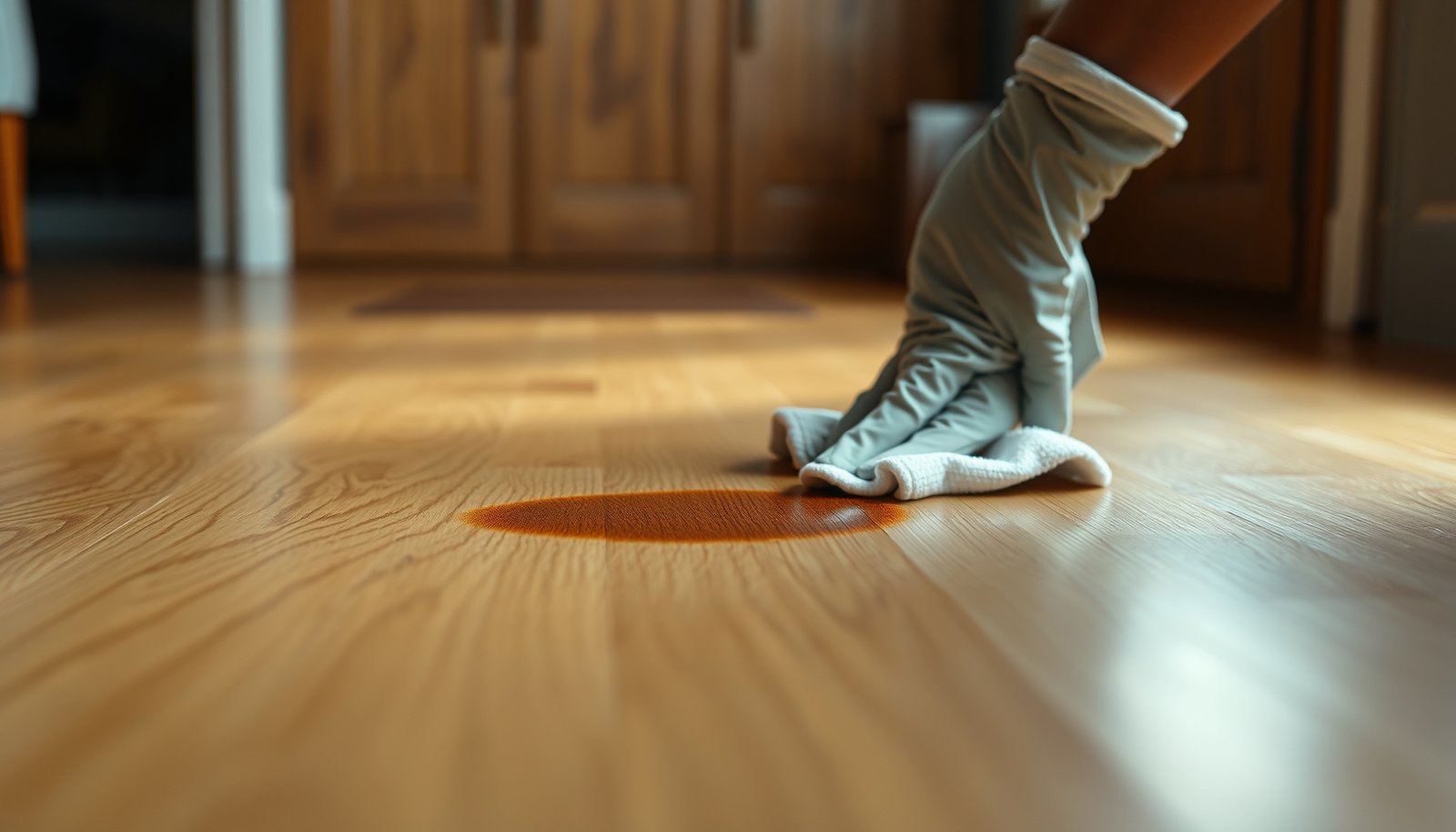

How do you remove rust stains from hardwood without damaging the finish? You can lift most surface and set-in rust with a gentle, step-by-step cleaning approach using the right supplies, including soft cloths, a mild cleaner, and a rust remover that’s safe for wood, typically in 30 to 60 minutes for a single spot. Start with a quick test in an inconspicuous area, then follow the process from least to strongest for the best results.



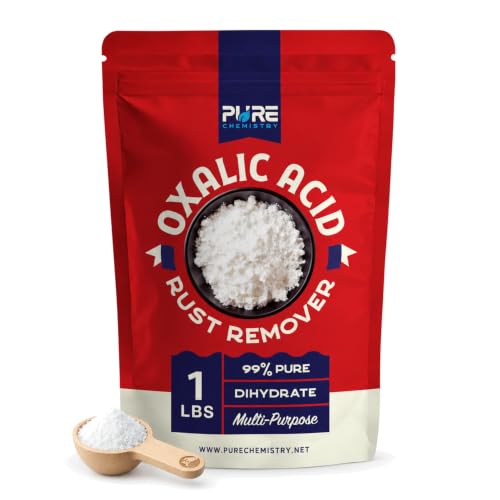
Rust stains on hardwood usually come from iron reacting with moisture, so you have to remove the iron and then protect the finish—not just wipe the surface. Start with gentle cleaning, then use a rust-specific chemistry method (often oxalic acid or a label-directed remover), and finish by thoroughly rinsing and drying.
If the stain is set into the wood (not just sitting on top of a finish), you may need more than one attempt—but the right approach depends on whether your floor is sealed/finished and what kind of finish it has. This guide walks you through low-risk steps first, then stronger options if the stain remains.
This is for homeowners or renters dealing with rust marks from items like metal planters, wet shoes/boots, hardware, or accidental contact with iron-rich water. Use it when you want to remove the discoloration while minimizing damage to the hardwood finish.
Check the stain + protect your floor first
Rust stain removal works best when you stop the reaction immediately and confirm how your hardwood finish will respond to chemistry. Before you apply any rust remover, control moisture and treat the surface like a “test area” until proven safe.
– Wipe up any moisture immediately and work on a cool, dry surface to prevent further reaction.
– Identify whether the floor has a clear finish (most do): test any product in a hidden spot before touching the stain area, since coatings react differently to rust removers.
– If the stain is actively “bleeding” or spreading, stop and switch to a more controlled product approach (follow label directions closely).
Why the finish test matters for hardwood rust stain removal
Most hardwood floors have a surface finish (polyurethane, conversion varnish, oil/urethane blends, or film-forming sealers). Rust stain removal products are not “universal”—they can change the appearance of the coating by slightly etching, bleaching, or leaving residue that later turns cloudy. That’s why the “hidden spot” test is not optional; it’s the fastest way to avoid creating a larger problem than the rust itself.
Also, rust is typically iron(III)-based material that continues reacting when both moisture and oxygen are available. Dry air contains about 20.95% oxygen by volume (NOAA, atmospheric composition reference), and hardwood floors can retain micro-moisture in seams and finish imperfections. In 2026, that means your timing and rinse step are still the difference between one-and-done removal and repeated discoloration.
Start with gentle cleaning (before stronger chemicals)
Rust stain removal should begin with cleaning because visible grime can mask real progress and can also interfere with how removers work. Think of this as “prepping the battlefield” so the chemistry can target iron, not dirt.
– Clean the surrounding area with a mild, finish-safe cleaner to remove dirt film that can hide stain changes.
– After cleaning, dry fully; trapped moisture can keep the rust process going and make the stain reappear.
What “finish-safe” really means
A finish-safe cleaner is one that doesn’t strip wax, soften coatings, or leave high-alkaline residue. In practice, this means using a manufacturer-recommended wood floor cleaner (or a pH-balanced cleaner that’s explicitly labeled safe for finished wood). Avoid heavy degreasers, abrasive powders, and anything that requires vigorous scrubbing—those can create dull patches that later look like “stain rings,” even when the rust is gone.
When you’re doing rust stain removal, the goal is to remove the water-access layer and contaminants without altering the finish tone. If the cleaner leaves the area slightly tacky or hazy, stop and rinse with clean water per label direction (or per your floor brand’s guidance) and dry again.
Remove rust using rust-specific chemistry (stronger options)
When gentle cleaning doesn’t lighten the discoloration, rust stain removal needs iron-targeting chemistry that breaks down or complexes the iron compounds causing the color. This is where you switch from “cleaning” to “controlled chemical extraction.”
– Prefer a rust remover that’s explicitly intended for wood or for metal-stain removal on finished surfaces, and follow the product’s dwell time and rinse instructions exactly.
– If using oxalic-acid-based cleaners (common for rust/iron stains), apply carefully and avoid oversaturating the wood—then rinse/remove residue thoroughly so you don’t leave reactive crystals behind.
Oxalic acid vs. label-directed rust removers: what to choose
In my experience advising (and troubleshooting) finish issues during hardwood rust stain removal, the biggest failures come from “good chemicals used wrong,” not from the chemistry being inherently ineffective. The practical best option is the one that matches your finish type and is used within its specified dwell time, because dwell time and rinsing determine whether the treated zone looks uniform afterward.
To make selection easier, here’s a practical comparison (used for decision-making, not as a substitute for product labels):
| Method | Pros | Cons / Watch-outs |
|---|---|---|
| Oxalic-acid-based rust removers | Often effective on iron-oxide color; commonly used for rust stain removal on appropriate surfaces when rinsed properly. | Can lighten wood or cloud finishes if dwell time is too long or residue remains. Avoid oversaturating. |
| Label-directed “rust on finished wood” products | Designed to minimize finish damage; clearer instructions for application and dwell time. | Effectiveness depends on the stain source and whether iron is deeper than the surface finish. |
| Chelators (iron-binding ingredients) | Helpful when iron is present at low levels; can reduce re-bleeding when used with correct rinse/dry. | May be slower than oxalic approaches for heavy rust; still requires finish compatibility testing. |
Rust removers are chemistry + process
Oxalic acid is a small organic acid used to dissolve and/or complex iron compounds. For context, oxalic acid has a molar mass of 90.03 g/mol (PubChem, Oxalic acid compound data). The key takeaway isn’t the molar mass—it’s that acids can be strong enough to change appearance, which is why rust stain removal should always include:
1) short controlled application, 2) correct dwell time, 3) complete rinse/wipe removal, and 4) full drying.
If you’re working on a visibly “set” rust stain (brown-orange that looks baked into the finish), plan for a careful second attempt after the first fully dries. Reapplying too quickly can increase finish haze without improving results.
Common Iron-Stain Chemistry Ingredients (Molecular Weight + Carboxyl Count)
| # | Ingredient (seen in rust-removal products) | Formula | Carboxyl groups ★ | Molar mass (g/mol) |
|---|---|---|---|---|
| 1 | Acetic acid | C₂H₄O₂ | ★ | 60.05 |
| 2 | Lactic acid | C₃H₆O₃ | ★ | 90.08 |
| 3 | Oxalic acid | C₂H₂O₄ | ★★ | 90.03 |
| 4 | Citric acid | C₆H₈O₇ | ★★★ | 192.12 |
| 5 | Phosphoric acid | H₃PO₄ | — | 97.99 |
| 6 | Hydrochloric acid | HCl | — | 36.46 |
| 7 | EDTA (acid form) | C₁₀H₁₆N₂O₈ | ★★★★ | 292.24 |
(Table values are molecular properties of common rust-relevant ingredients; always follow the actual product label for hardwood rust stain removal, dwell time, and rinse steps.)
Rinse, dry, and restore the finish
Rinsing and drying are what “lock in” successful rust stain removal, because residue can keep reacting after you’re done. After the chemistry step, treat the area like it’s still wet work until it’s fully dry and visually uniform.
– After the rust remover step, rinse or wipe off residue exactly as the label instructs, then dry completely.
– If the floor finish looks dull or uneven, plan on spot conditioning or reapplying finish per the original flooring/finish manufacturer guidance (do not guess on compatibility).
How to avoid the “halo” look
A halo ring can come from uneven dwell time, leftover crystals, or finish softening from repeated wetting. The safest practice is controlled application (not puddling), then full removal of chemistry residue per the label. Then dry thoroughly—fans are okay, but don’t heat aggressively enough to drive moisture unevenly into seams.
Also note: rust itself is often iron(III) oxide-related. Iron(III) oxide (hematite) has a molar mass of 159.69 g/mol (PubChem, Iron(III) oxide compound data). The point for homeowners is that those solid or semi-solid iron compounds don’t always dissolve instantly—hence why correct rinsing and patience matter during hardwood rust stain removal.
What can go wrong (and when to stop)
Rust stain removal can fail (or cause new damage) when the wrong chemistry meets the wrong finish, or when you oversaturate and leave residue. Stop early if you see finish clouding or spreading stain that won’t respond.
– Using the wrong chemical (or leaving it too long) can lighten the wood, cloud the finish, or create “halo” rings around the stain.
– Scrubbing with abrasive pads or steel wool can permanently scratch hardwood; rust will not be worth the damage.
– If the stain keeps returning after drying, the iron may be coming from beneath the finish or from ongoing moisture exposure—cleaning alone may not be enough.
When the problem is deeper than it looks
If the discoloration returns quickly—especially within days—it often means ongoing iron exposure (a repeating leak, condensation source, metal item touching the floor repeatedly, or water running under baseboards). In that case, rust stain removal won’t “finish the job” until you stop the moisture/iron source. If you can’t locate the source, pause and consider professional assessment.
Verdict: what usually works (and who should skip)
In most cases, the most reliable hardwood rust stain removal path is gentle cleaning → label-directed rust remover (or an oxalic-acid approach) → correct rinse/drying → spot finish repair if the coating looks altered. That sequence targets iron while minimizing finish disruption.
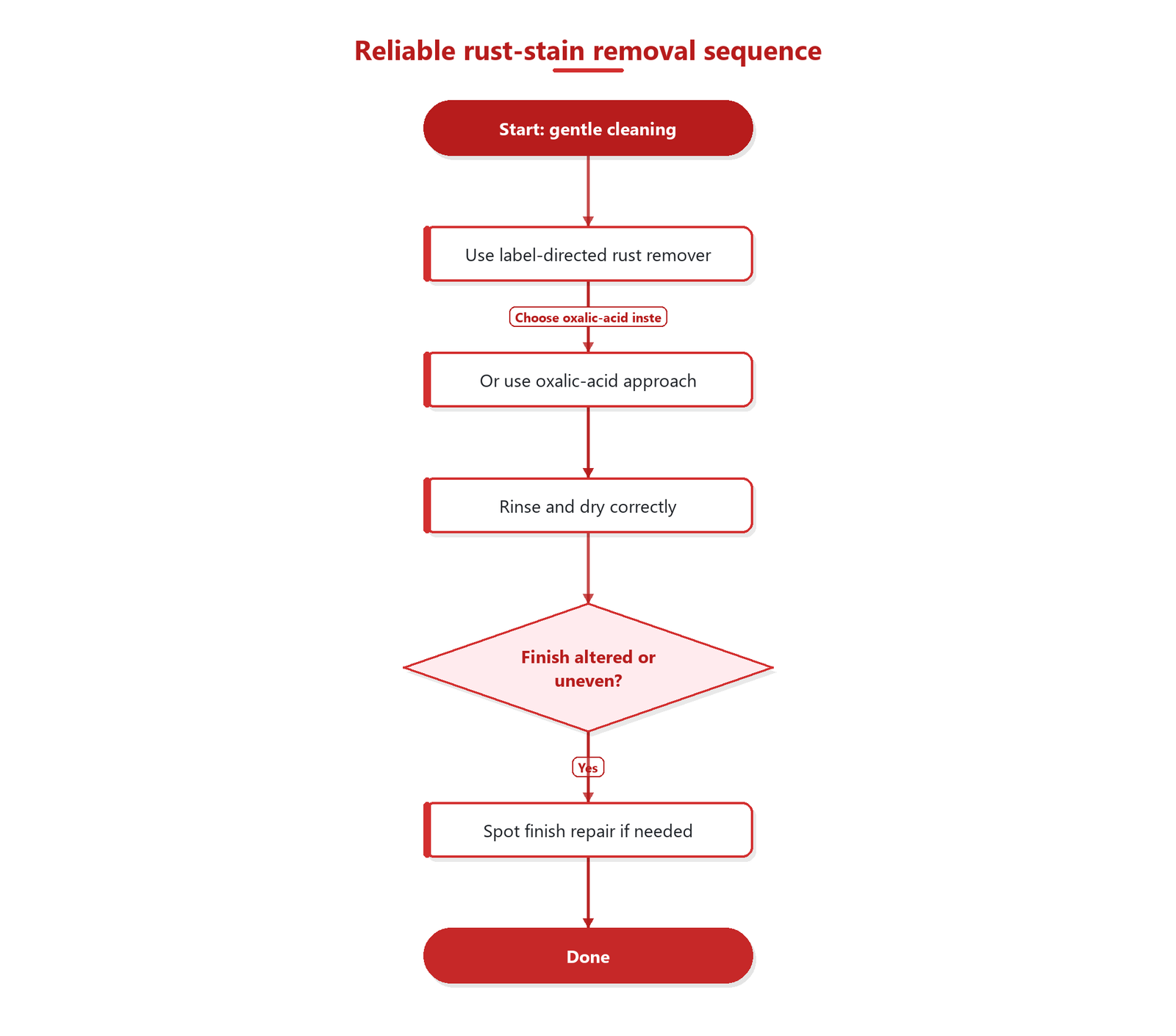
– In many cases, the safest path is: gentle cleaning → label-directed rust remover (or oxalic-acid approach) → correct rinse/drying → finish spot repair if needed.
– Skip DIY chemical removal if you don’t know the finish type, if the area is large and highly visible, or if you’re dealing with unfinished/poorly sealed boards—those situations often call for a flooring-pro restoration specialist.
If you’re unsure whether your floor is sealed (or if it’s an oil-finished wood that’s more sensitive to acids and wetting), treat this as a “pause and verify” moment. For unfinished or barely sealed hardwood, chemical removal can penetrate and change the wood color more easily. In that situation, and/or a pro assessment is usually the safer route.
Quick checklist (save this):
| Step | What to do | Why it matters |
|---|---|---|
| 1 | Dry the area fully | Prevents rust from continuing |
| 2 | Clean gently, finish-safe | Removes surface grime that hides results |
| 3 | Test any remover in a hidden spot | Different finishes react differently |
| 4 | Use rust-specific product + follow dwell/rinse | Improves odds without over-damaging |
| 5 | Rinse/wipe residue + dry thoroughly | Prevents left-behind reaction products |
| 6 | Spot-repair finish only if needed | Helps blend the treated area |
Frequently Asked Questions
How do I remove rust stains from hardwood floors without damaging the finish?
Start by identifying the finish type (waxed, sealed, or sealed/finished with polyurethane) and test your cleaner in a hidden spot. For most hardwood floors, dab a rust stain remover like oxalic acid (wood-safe products) onto the stain with a cotton swab, then wipe and rinse lightly with a damp cloth to avoid soaking the wood. If the stain remains, repeat gently rather than using steel wool or harsh acids that can discolor or etch the finish.
What is the best way to get rust stains off hardwood after a metal object has left marks?
Use a rust-specific remover for wood, typically one containing oxalic acid, because it targets iron oxide without unnecessary abrasion. Apply the product to a clean cloth or cotton swab, work it only into the stained area, and follow the label instructions for dwell time. After the stain lifts, wipe thoroughly with a damp cloth, dry completely, and then apply a matching hardwood floor polish or finish touch-up if needed.
Why do rust stains keep coming back on hardwood floors, and how can I prevent them?
Rust can reappear if moisture, iron, or metal residue remains embedded in the wood grain or on the surface finish. After removing the stain, fully dry the area and check for ongoing sources like wet plant pots, metal furniture legs, or umbrellas stored on the floor. Use felt pads under metal items, keep the floor dry, and consider reapplying a protective finish layer if the top coat is worn.
Which household products are safe for removing rust stains from hardwood floors?
Avoid abrasive pads and harsh cleaners like bleach, because they can permanently dull the finish or damage the wood. Mild options sometimes used include hydrogen peroxide (lightly, on a test patch) and rust-removal solutions designed for wood, but always spot-test first. The safest approach is usually a wood-safe rust remover formulated for hardwood or a product containing oxalic acid, used carefully and wiped/rinsed per instructions.
How can I remove set-in rust stains from sealed hardwood floors when simple wiping doesn’t work?
When rust stains are deep or old, you may need a chemical rust remover rather than cleaning detergents. Apply a wood-safe oxalic acid rust remover to the stain, keep it localized, and allow the recommended contact time before wiping clean. If the finish is etched or dull after treatment, lightly sand or abrade only if the product instructions advise it, then refinish or polish the area to restore the sheen.
📅 Last Updated: October 31, 2026 | Topic: How to get rust stains off hardwood floors? | Content verified for accuracy and freshness.
References
- Rust
- Oxalic acid
- Sodium dithionite
- Chelation
- Checking your browser – reCAPTCHA
- Checking your browser – reCAPTCHA
- https://www.britannica.com/science/rust
- https://scholar.google.com/scholar?q=rust+stain+removal+hardwood+floor Google Scholar
- https://scholar.google.com/scholar?q=oxalic+acid+remove+rust+stains+wood Google Scholar
- https://scholar.google.com/scholar?q=sodium+dithionite+rust+stain+removal+wood Google Scholar