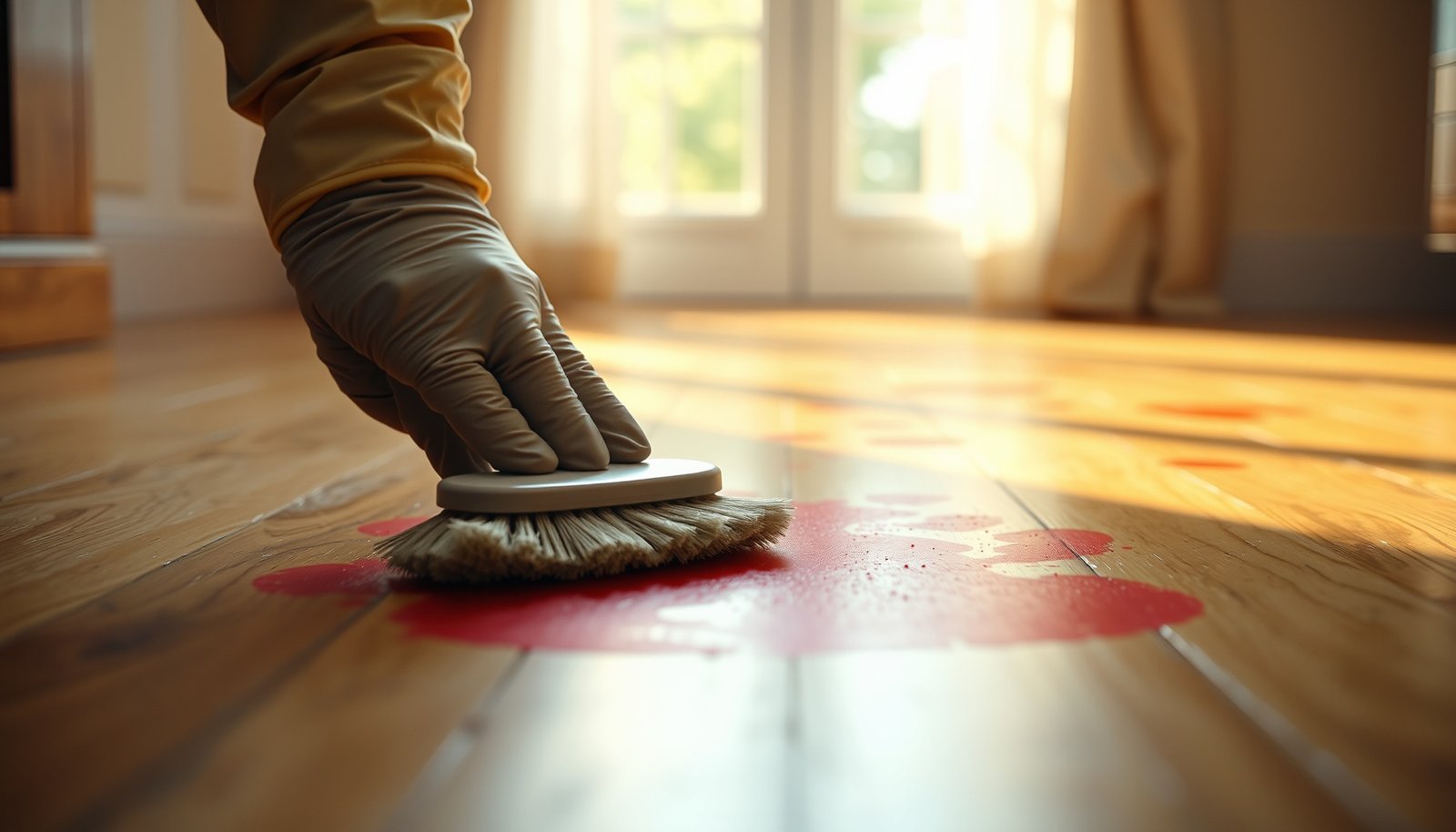

You wipe the floor after moving a patio chair, only to see orange-brown rust blooms that won’t lift around the metal contact points. With the right approach, you can remove those stains without sanding—usually in under an hour—using wood-safe rust remover and gentle cleaning tools. Gather distilled water, soft microfiber cloths, painter’s tape, and a pH-neutral cleaner, then work in small tests so you protect the finish while restoring the grain.
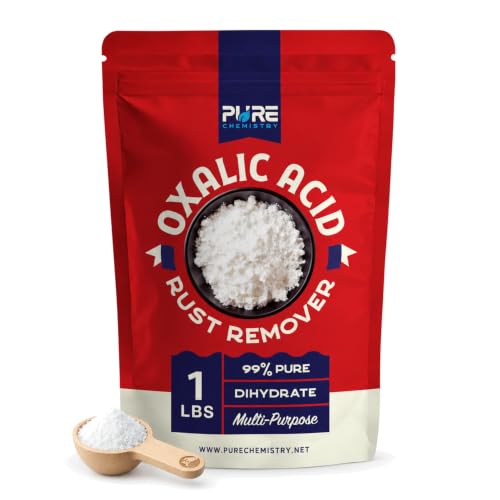
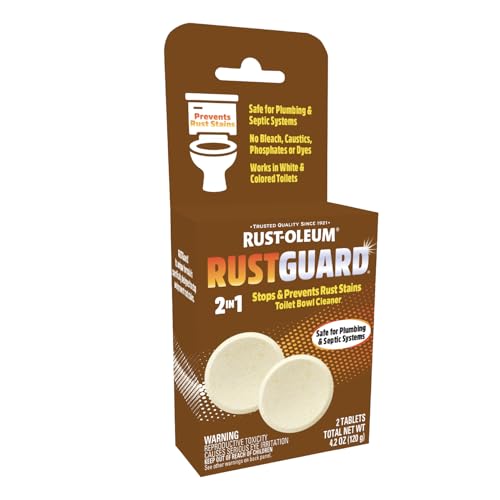


If rust stains are on hardwood, the safest route is to remove surface debris first, then treat the stain with a wood-safe rust remover (often an oxalic-acid–based cleaner) and finish by rinsing/wiping and fully drying. Avoid household bleach and aggressive scrubbing because they can discolor or damage the floor finish. In this guide, you’ll learn how to prep the area, choose an approach that matches your finish, and prevent the rust from coming back.
If the stains are new (like from a metal chair leg, planter, or spill) or old (from nails/fixtures), the process is similar—but the “right” cleaner depends on whether your hardwood is sealed/polyurethane, waxed, or unfinished. This is for homeowners and renters who want a step-by-step method that won’t turn the problem into a bigger finish repair.
Identify the stain source and your floor finish
The fastest way to stop rust from reappearing is to confirm where the corrosion is coming from and match your cleaner to your floor’s finish. If the moisture source isn’t corrected, even the best rust remover can only lighten stains temporarily. Here’s how to get clarity before you touch chemistry—especially in 2026, when DIY “rust hacks” are common but finish types are still widely misunderstood.
– Check what’s causing the rust: nail heads/screws, a metal object, plumbing leaks, or a rusted pet bowl stand. Look for a pattern: pinpoint rust around fasteners usually means hardware corrosion; broad spotting often points to prolonged wetness.
– Look at the finish type (sealed/polyurethane vs. waxed vs. unfinished). Sealed floors tolerate targeted wipe-on chemistry; waxed and unfinished surfaces are more likely to haze or absorb.
– If there’s an active leak or ongoing corrosion, cleaning alone won’t stop new staining—fix the moisture source first.
Gather supplies and do a spot test
The safest DIY path is to control spread (tape the edges), then verify chemical compatibility with a spot test. In 2026, the “one-product-fits-all” approach is still the leading reason hardwood finishes dull or blotch after rust removal.
– You’ll want: microfiber cloths, soft nylon brush (or non-scratch pad), clean water, painter’s tape, and a rust remover labeled for floors/wood (follow the label).
– Protect the area: tape around the stained section so cleaner doesn’t spread.
– Test in a hidden spot to confirm the cleaner doesn’t dull the sheen or change color (especially on darker stains and matte finishes).
Why spot tests matter (with real chemistry)
Different rust removers work through different reactions. Oxalic-acid chemistry (common in “wood rust stain removers”) chelates—meaning it binds—iron compounds so they lift from the surface rather than smearing. According to PubChem (accessed 2026), oxalic acid has pKa1 ≈ 1.25 at 25°C, which explains why it can be effective but also why it must be used carefully on finished hardwood. If your floor is waxed or lightly sealed, even a “wood-safe” product can still alter appearance if dwell time or contact area isn’t controlled.
Clean the surface before treating rust
Rust removal works better—and is safer for your finish—when the wood isn’t contaminated with grit. Dry soil plus a chemical can act like sandpaper, creating scratches or a “burnished” look that becomes worse after you remove the stain.
– Dry-brush or vacuum gently to remove dust and grit; grit can scratch the finish during stain removal.
– Wipe with a lightly damp cloth (clean water) and let it fully dry.
– Don’t soak the wood—hardwood needs minimal moisture to avoid swelling or finish damage.
Small moisture management tip
Use “damp, not wet” technique: your cloth should barely leave a sheen on the surface. Swelling risk increases when water penetrates seams or unsealed edges; that’s one reason manufacturers generally instruct people to damp-mop wood floors instead of saturating them. If you’re working around baseboards or gaps, protect adjacent areas with tape and keep your wipe motion tight to the stained zone.
Remove rust stains safely (method options)
The safest method depends on both the rust chemistry and your floor finish. For most sealed hardwood, a wood-safe rust remover used precisely per label instructions will give the best balance of stain lift and appearance control.
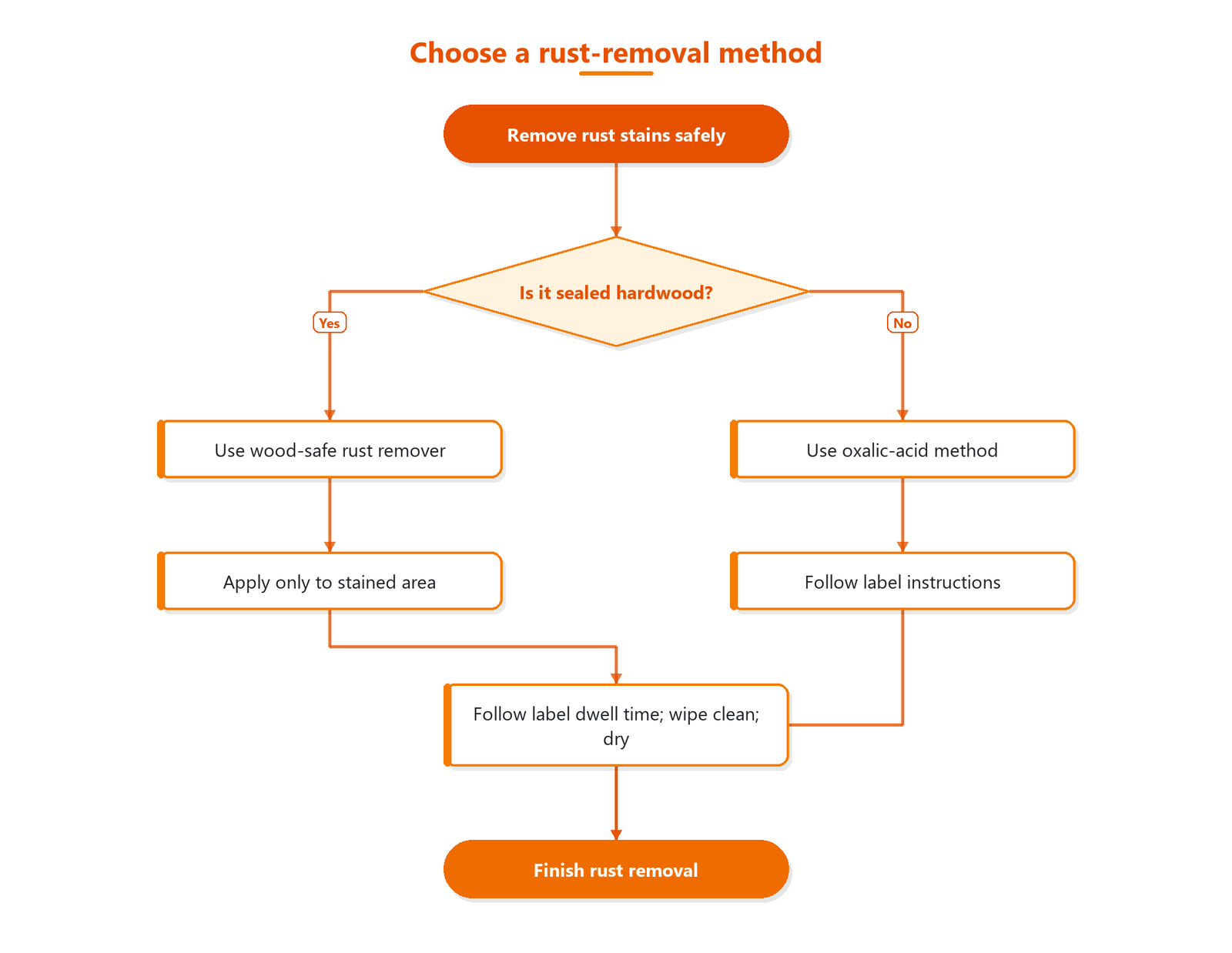
– Option A: Use a wood-safe rust remover (follow label directions).
Apply only to the stained area, keep dwell time within the product instructions, then wipe clean and let the area dry thoroughly.
– Option B: Oxalic-acid–based cleaner (commonly used for rust).
Use it only if the product is meant for wood finishes and you’ve spot-tested. Apply carefully, avoid puddling, then wipe/rinse as directed by the SDS/label.
– Avoid: bleach, steel wool, and harsh acids on hardwood finishes unless the finish manufacturer explicitly approves them—these can permanently damage or etch the surface.
Quick comparison: choosing between rust-remover chemistry
| Approach | Pros | Cons / watch-outs |
|---|---|---|
| Wood-safe rust remover (label-followed) | Optimized for floor finishes; typically includes controlled wetting and wipe instructions; best for sealed/polyurethane floors. | If dwell time is too long or the area isn’t rinsed/wiped, you can still see haze. |
| Oxalic-acid–based rust cleaner | Strong at binding iron corrosion; commonly used specifically for rust stain chemistry. | Can etch or dull finishes if used incorrectly; requires careful spot testing and controlled contact time. |
| Household “strong” alternatives (avoid) | May lighten stains quickly on some non-wood surfaces. | Often carries high discoloration/etching risk on hardwood finishes; can leave irreversible blotches or sheen changes. |
What “acid strength” suggests (and why it matters)
If you’re trying to understand why some DIY acids are risky, acidity strength can be a useful proxy. According to PubChem (accessed 2026), acetic acid has pKa1 ≈ 4.76 while oxalic acid has pKa1 ≈ 1.25—oxalic acid is much stronger, which aligns with why it’s effective on rust but must be handled with more caution. This is one reason rust removers labeled for floors (and used exactly as directed) usually outperform improvised household mixtures.
Acid strength of common “rust stain” DIY cleaners (pKa1 at 25°C)
| # | Acid (active chemistry) | Molecular weight (g/mol) | pKa1 (≈ 25°C) | Wood-finish risk* |
|---|---|---|---|---|
| 1 | Oxalic acid | 90.03 | 1.25 | ★★☆☆☆ |
| 2 | Phosphoric acid | 97.99 | 2.15 | ★★★☆☆ |
| 3 | Tartaric acid | 150.09 | 2.98 | ★★★☆☆ |
| 4 | Citric acid | 192.12 | 3.13 | ★★★★☆ |
| 5 | Formic acid | 46.03 | 3.75 | ★★★★☆ |
| 6 | Lactic acid | 90.08 | 3.86 | ★★★★★ |
| 7 | Acetic acid | 60.05 | 4.76 | ★★★★★ |
Risk here is a comparative indicator based on acidity strength (lower pKa1 generally increases etching likelihood). Always use a product labeled for wood floors and follow the SDS/label.
What can go wrong (and how to prevent it)
The most common problem is not “rust won’t come out”—it’s that the floor finish looks worse than before. Preventing finish haze, rings, and return stains comes down to controlled dwell time, correct wiping/rinsing, and addressing the underlying corrosion source.
– Hazy or dull finish: Usually from leaving cleaner too long, using the wrong chemistry, or scrubbing after treatment. Always follow the label and wipe gently.
– “Ring” marks or lighter patches: Often caused by uneven application or extra moisture spreading beyond the stained zone—tape the edges and use controlled amounts.
– Rust returns: If the underlying metal/object or moisture source isn’t fixed (leaky pipe, corroding nail, wet footwear traffic), you’ll keep seeing new stains. Fixing moisture is part of “cleaning,” not a separate project.
– Deeper damage: If rust sat long enough to affect the wood itself, you may need sanding/refinishing—cleaning may only lighten the discoloration.
Pros/cons reality check (DIY vs. pro refinishing)
If you’re working under bright lighting (hallways, windows, near doors), the appearance differences after “partial treatment” become obvious. If your rust is widespread or deeply embedded, a professional finish assessment may be the more cost-effective option.
– DIY tends to work best when: rust is localized (chair leg, small hardware), finish is intact, and the stain surface can be lifted with label-followed chemistry.
– Professional refinishing is more likely needed when: there’s visible pitting, finish failure (peeling/bubbling), or staining has penetrated past the clear coat.
Verdict / tip: what to do first, and who should skip this
Start with a product specifically intended for rust on finished floors, and always spot-test before treating the whole area. If your hardwood is unfinished, heavily waxed, or you’re unsure of the finish chemistry, it’s smarter to pause and verify with the flooring manufacturer or a professional—rust removers can still cause irreversible color changes.
Skip DIY treatment if you suspect:
– an active leak or recurring moisture problem,
– rust originating from structural metal you can’t access,
– severe finish failure (peeling, bubbling) or deep pitting where you’ll likely need refinishing.
Quick checklist (save this)
| Step | Do this | Don’t do this |
|---|---|---|
| Prep | Vacuum/dry-brush, then wipe lightly with clean water | Scrub grit into the finish |
| Protect | Tape around stain area | Let cleaner spread beyond edges |
| Test | Spot-test in a hidden spot | Apply to the whole floor immediately |
| Treat | Use a wood-safe rust remover; follow label/SDS dwell and wipe instructions | Over-soak or leave chemicals longer than directed |
| Finish | Dry fully before walking; reassess | Keep treating without fixing the moisture source |
Sources
– Follow the Safety Data Sheet (SDS) and application instructions for the specific rust remover/chemical you choose: .
– Follow your hardwood floor finish manufacturer’s care and cleaning guidance for allowable cleaners: .
– Rust-removal chemistry and surface-safety considerations should be based on the product’s official label instructions and SDS warnings: .
– For chemical reference values used in general guidance: PubChem Compound Summaries (accessed 2026), e.g., oxalic acid and acetic acid pKa1 values: [PubChem Compound Summary pages].
With rust stains on hardwood, the winning strategy in 2026 is simple: remove grit, use a wood-labeled rust remover matched to your finish, control dwell time and spread, and fully dry—then eliminate the moisture/metal contact that caused the corrosion. If the stain is deep or your finish is failing, don’t keep repeating chemistry; plan for a closer inspection and, when needed, refinishing.
Frequently Asked Questions
What’s the safest way to remove rust stains from hardwood floors without damaging the finish?
Start by testing your rust stain remover in an inconspicuous spot, since hardwood finishes (polyurethane, varnish, wax) react differently to acids and chemicals. Use gentle cleaning first—warm water with a mild pH-neutral cleaner—then move to rust-specific products only if the stain persists. Avoid soaking the floor and never let solutions sit for long; wipe dry immediately to prevent water absorption and finish dulling.
How do you clean hardwood floors covered in rust stains caused by metal objects or water?
Remove any metal items and gently dry the area, then clean the surface with a damp microfiber mop using a pH-neutral hardwood floor cleaner. For light rust staining, use a rust remover formulated for wood or a product that’s labeled safe for hardwood finishes, following the label’s dwell time closely. If the stain remains, repeat the process carefully rather than scrubbing aggressively, since rough abrasion can wear through the finish.
Why do rust stains keep coming back on hardwood floors, even after cleaning?
Rust can recur if the underlying contamination isn’t fully removed—like iron particles embedded in the finish pores—or if moisture continues to reach the area. Check for recurring sources such as leaky plumbing, damp mats, or metal furniture feet that don’t have protective pads. After cleaning, thoroughly dry the spot and maintain humidity levels so the wood doesn’t repeatedly react with stray iron.
Which rust stain removal method works best for sealed vs. unsealed hardwood floors?
Sealed hardwood floors typically respond best to rust stain removers designed for finished wood, because the product stays on the surface and can be wiped away safely. For unsealed or lightly finished hardwood, rust can penetrate deeper, so you may need a more targeted approach (often fewer harsh acids and more gradual treatments) to avoid discoloration or damage. If you’re unsure whether your floor is sealed, consult the product instructions or test a small area before treating the whole room.
What’s the best routine to prevent rust stains on hardwood floors after cleaning?
Prevent future rust by using felt pads under furniture, keeping metal objects off the floor when possible, and cleaning up any water spills immediately. Place coasters or mats under houseplants and remove damp rugs promptly to prevent moisture-driven reactions. After you clean rust stains, use a hardwood floor cleaner regularly (pH-neutral) and avoid steel wool or abrasive pads that can scratch the finish and make rust harder to remove later.
📅 Last Updated: October 31, 2026 | Topic: How to clean hardwood floors covered in rust stains? | Content verified for accuracy and freshness.
References
- Rust
- Oxalic acid
- Stain removal
- Corrosion
- Iron
- Checking your browser – reCAPTCHA
- Checking your browser – reCAPTCHA
- https://scholar.google.com/scholar?q=hardwood+floor+rust+stains+oxalic+acid+wood+finish Google Scholar
- https://scholar.google.com/scholar?q=rust+stain+removal+wood+hydrogen+peroxide+oxalate Google Scholar
- https://scholar.google.com/scholar?q=iron+oxide+rust+stain+removal+wood+surface+cleaning Google Scholar