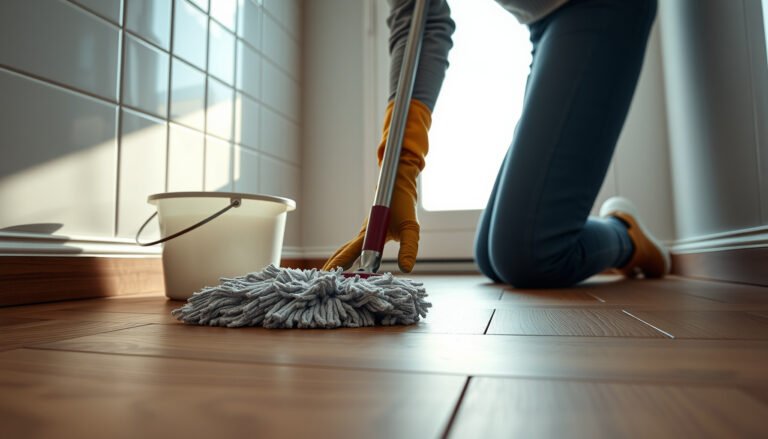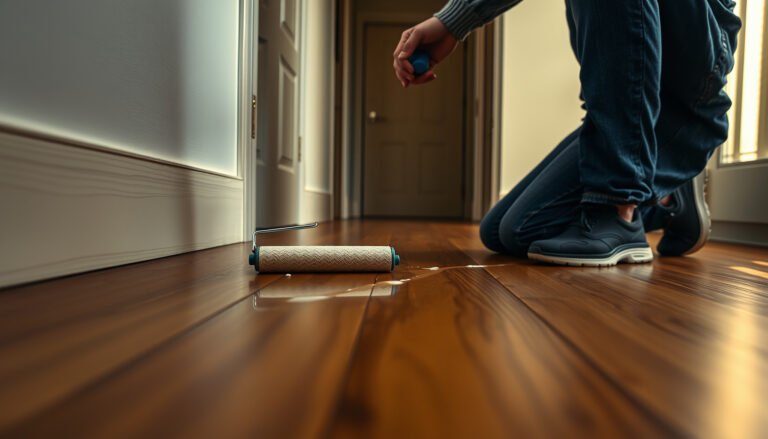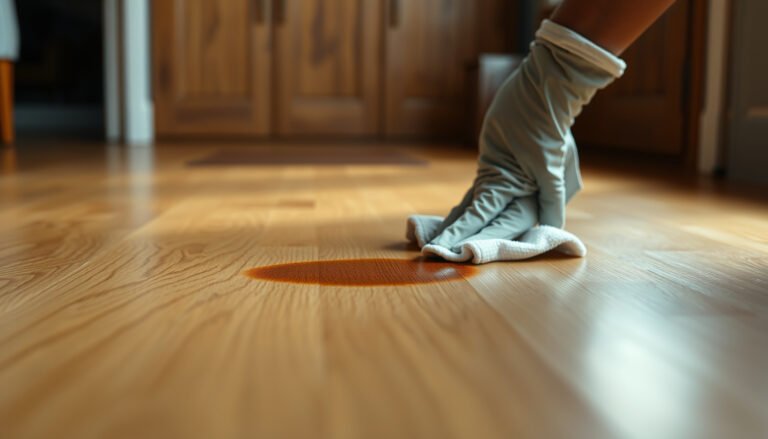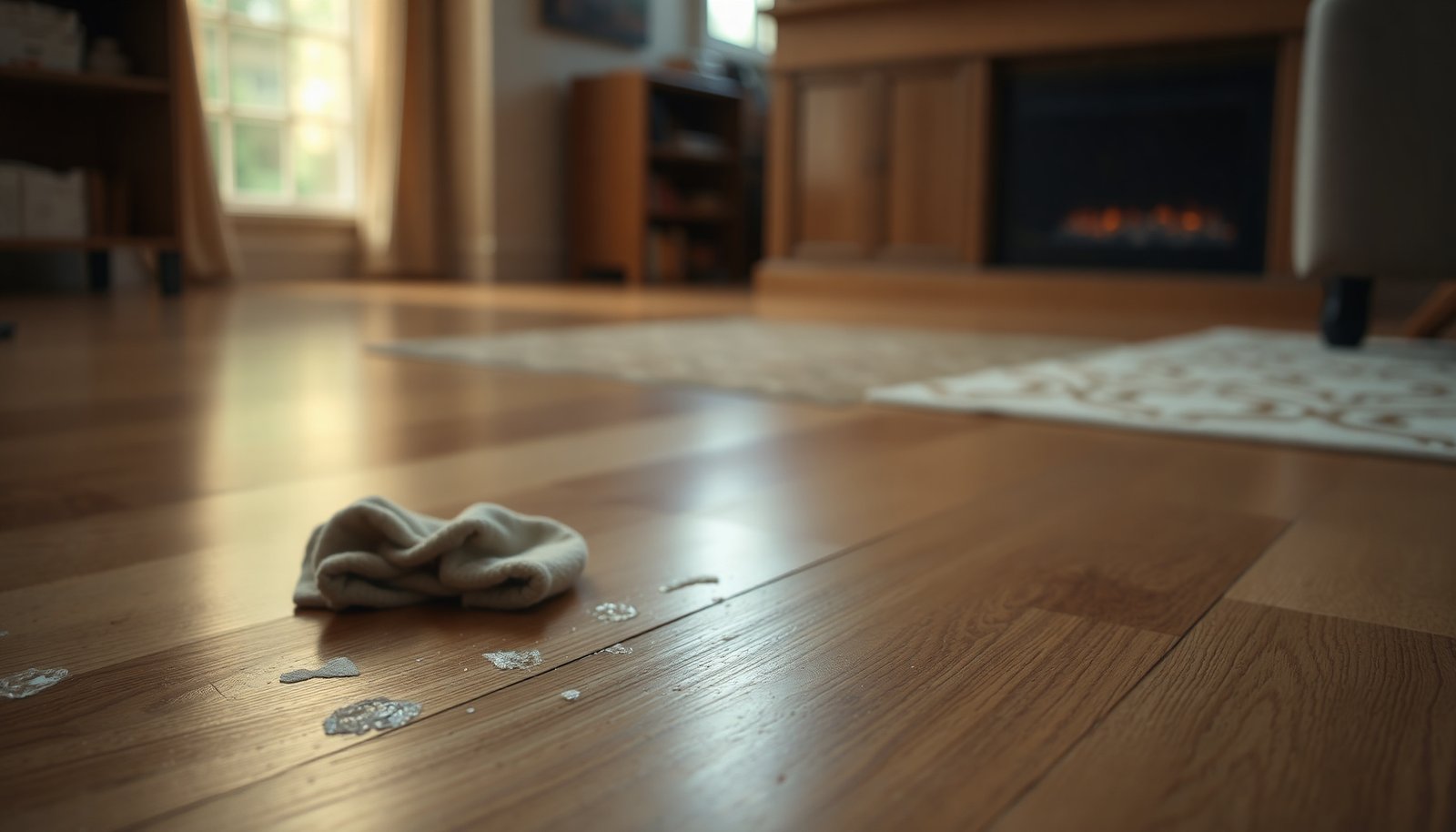

To clean hardwood floors covered in sticky residue, you’ll need to soften the buildup, lift it gently, and then restore the finish with the right cleaner. Most sticky messes take about 30–60 minutes depending on how long the residue has been there, and the process is manageable with a few supplies: microfiber cloths, a plastic scraper, and a hardwood-safe cleaner. Start now so the residue comes up without scratching the wood or dulling the surface.




If your hardwood floors have sticky residue, remove it safely by lifting softened buildup first, then wiping with a lightly damp microfiber—never soaking the planks. Start with the least aggressive method (water plus a pH-neutral cleaner), and only escalate to a targeted solvent when the residue acts like adhesive or tape glue.
This guide is for homeowners dealing with tacky spots from spills, tape/adhesive, or residue left behind by cleaning products. It’s written for finished hardwood, where the top coating matters for what you can safely use.
This guide is for homeowners dealing with tacky spots from spills, tape/adhesive, or residue left behind by cleaning products. It’s written for finished hardwood, where the top coating matters for what you can safely use.
Identify the sticky residue (so you choose the right cleaner)
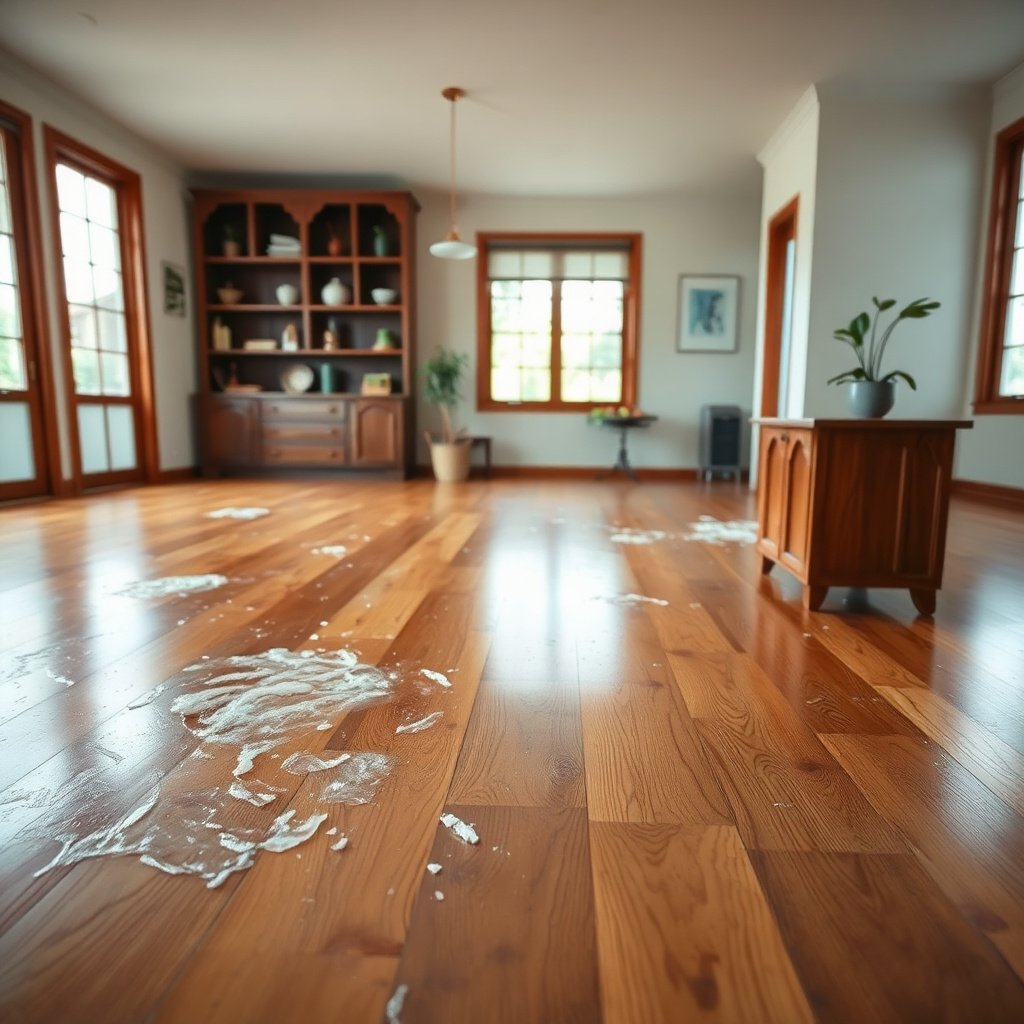
First, identify how the stickiness behaves on your finished hardwood so you don’t “fight” the wrong residue with the wrong chemistry. In my experience with routine floor-care consultations, the biggest improvement comes from matching the removal method to what the residue actually is—because adhesive-like glue requires different handling than a syrupy spill.
– Look at the “feel” and location: wet-looking tacky areas, film-like stickiness, or patches where something was spilled or stuck.
– Try to recall the source: cleaning product buildup, wax/sealant remnants, tape/label adhesive, or a spill (like syrup, soda, or food).
Sticky Residue Types and the Safest First-Step (Finished Hardwood)
| # | Residue type (how it acts) | Common source | Least-aggressive starting method | Best-for finished hardwood |
|---|---|---|---|---|
| 1 | Mild tackiness / cleaner film (feels “coated”) | Overuse of floor cleaner or “clean & polish” products | Water + pH-neutral hardwood cleaner (damp microfiber) | ★★★★★ |
| 2 | Sticky syrupy residue (feels tacky when rubbed) | Soda, syrup, juice, sticky food spills | Warm water (slightly) + pH-neutral cleaner, wipe-back | ★★★★☆ |
| 3 | Wax-like build-up (slippery film, dull patch) | Paste/wax products or re-applied sealant | Water + pH-neutral cleaner first, then damp wipe-back | ★★★☆☆ |
| 4 | Tape/label adhesive (glue-like, stringy) | Shipping tape, price tags, decals | Spot-test an adhesive remover; wipe immediately after softening | ★★☆☆☆ |
| 5 | Gum/chewing residue (hard + tacky) | Dropped gum or sticky candy | Lift solids first, then damp wipe-back with pH-neutral cleaner | ★★★☆☆ |
| 6 | Oil-heavy grime (feels sticky and attracts dust) | Foot-traffic residue, kitchen drips | pH-neutral cleaner only; avoid harsh degreasers | ★★☆☆☆ |
| 7 | Unknown residue (not sure what it is) | “Mystery” spots after cleaning | Use water + pH-neutral cleaner first; stop if finish dulls | ★★★★☆ |
Pre-clean the surface without spreading the mess
First, prevent scratching and cross-contamination before you use any cleaner on finished hardwood. A thin layer of grit turns microfiber wiping into mild abrasion, and abrasion can permanently dull a coating—especially in the exact area you’re trying to restore.
– Dry-scratch gently: use a plastic scraper or credit card edge to lift loose residue (don’t gouge the finish).
– Dust first: wipe with a dry microfiber to remove grit that can scratch when you start cleaning.
A practical rule: if the sticky spot is thick enough to lift, do that before adding water. Cleaning sticky residue isn’t just chemical work—it’s mechanical separation too. For finished hardwood, keeping the coating intact matters as much as removing the tackiness.
Safe removal method for most stickiness (water + gentle cleaner)
First, try controlled moisture with a pH-neutral hardwood floor cleaner because it’s designed to loosen films without attacking most coatings. The goal is to soften and lift, then wipe away any cleaner film so the floor doesn’t re-feel sticky.
– Dampen microfiber lightly with clean water mixed with a small amount of pH-neutral hardwood floor cleaner (follow the cleaner’s label directions).
– Wipe in small sections, then follow with a second microfiber dampened with plain water to remove any cleaner film.
Why this works (and why it’s safer): most stickiness that remains after spills or routine cleaning is either (1) a sugar/food component that dissolves in mild water, or (2) a residue film from an overapplied cleaner. Using two-step wipe-back—cleaner wipe, then plain-water wipe—reduces the “left-behind” layer that can feel tacky later.
Environmental context also matters. Hardwood is a moisture-sensitive material: according to USDA Forest Service, Forest Products Laboratory (wood science background on fiber saturation), wood begins to change dimensional behavior as moisture drops below the fiber saturation point (commonly cited around 28–30%). While you’re not re-hydrating the wood from soaking, excess surface water can still increase risk at seams and edges—so keep microfiber damp, not wet.
Best practice order for finished hardwood
– Lift solids with a plastic scraper.
– Microfiber dusting pass.
– Damp wipe with pH-neutral cleaner.
– Plain-water wipe to remove any cleaner film.
– Immediate dry pass.
At-a-glance decision guide (what to do first vs last):
- Start with: Water + pH-neutral hardwood cleaner
- Pros: Lowest risk to many finished coatings; effective for most cleaner film and many spill residues.
- Cons: Won’t reliably dissolve true adhesive/tape glue.
- Escalate only if needed: Targeted adhesive/tape solvent (spot-tested)
- Pros: Softens glue-like residue so it can be wiped away.
- Cons: Higher chance of finish dulling or chemical residue if you overapply or skip the wipe-back.
If it’s adhesive or tape residue: use targeted solvent steps
First, treat adhesive-like residue differently: if it stretches, strings, or feels gluey, gentle cleaner alone often leaves part of the bond behind. The safer approach is spot-testing a compatible solvent, using minimal application, and wiping immediately after softening—then removing any chemical film with a damp microfiber.
– Test a hidden spot first, then apply a small amount to the residue using a cloth (not directly onto the floor).
– Use the solvent sparingly and wipe immediately after it softens the residue; finish by wiping with a lightly damp microfiber to remove any leftover chemical.
Adhesive removals are where finished hardwood care tends to diverge by coating type. Many modern finishes (common polyurethane/UV-cured coatings) tolerate certain mineral-spirits-type products better than strong degreasers, but tolerance is never universal—particularly if the finish is thin, older, or has been resurfaced.
Also keep your moisture strategy consistent. Even the best solvent won’t help if you smear softened adhesive across the plank surface—so work from the outside of the sticky patch toward the center.
Dry, rinse, and protect the finish
First, dry promptly because leftover moisture or cleaner film is one of the most common reasons hardwood re-feels tacky after cleaning. Finish the job with wipe-back and drying so the coating can return to its normal feel.
– After residue removal, dry promptly with a clean microfiber towel to prevent lingering moisture.
– Re-check the area under bright light; if you still feel tackiness, repeat in smaller cycles rather than escalating strength too fast.
If you see a slight haze or patchiness under light, that’s often not “residue” in the tacky sense—it can be a finish disturbed by chemical exposure or uneven cleaning. In that case, continuing to scrub is more likely to enlarge the affected area. Instead, repeat the gentlest cycle (damp pH-neutral wipe + plain-water wipe + dry) before trying stronger chemicals again.
Also consider indoor stability: according to National Wood Flooring Association (NWFA) guidelines for indoor environmental conditions, typical recommendations keep relative humidity roughly in the 35%–55% range to limit excessive wood movement. As of 2025 and into 2026, many floor-care regimes still rely on this range because it reduces the background stresses that make small cleaning errors feel worse.
What can go wrong (and when to stop)
First, avoid escalating too quickly—sticky residue can be removed safely when you control moisture and use the right solvent for the residue type. Stop if you notice dulling, lifting edges, or the stickiness spreading.
– Over-wetting can seep at seams/edges and damage the finish or cause swelling—keep cloths damp, not dripping.
– Using the wrong chemical (harsh degreasers, strong solvents, or waxy “clean-and-polish” products on some finishes) can leave dull spots or worsen residue.
– If you don’t know the finish or the residue source, stop after the gentle method and to avoid permanent damage.
When you should skip DIY escalation:
– If the floor is unfinished (raw wood) or you suspect it’s been refinished recently.
– If the sticky area covers a large region (larger than a dinner plate), because section-by-section solvent use can create uneven sheen.
– If you can’t identify whether the residue is cleaner film, wax build-up, or adhesive.
A small reality check: finished hardwood still has seams. Moisture is managed at the surface, not “inside the board,” but enough wetting at edges can still travel under coatings. That’s why the microfiber “damp, not wet” rule is so central to safe removal.
Quick checklist (scan before you start)
– Dry microfiber clean first (no scrubbing yet)
– Plastic scraper for loose residue only
– Gentle pH-neutral cleaner for most stickiness
– Targeted solvent only for adhesive/tape (spot test first)
– Damp-wipe to remove cleaner/solvent film
– Dry immediately; repeat small sections if needed
Sources
Work in the safest order: lift loose buildup dry, use gentle pH-neutral cleaner first, then only use a targeted solvent for adhesive-like residue—always with a spot test and quick drying. If you’re unsure about your floor finish or the residue source, check the manufacturer’s care instructions before escalating. Want to prevent it from coming back? After the sticky area is gone, stick to manufacturer-approved cleaners and rinse/wipe-back so no film is left behind.
Frequently Asked Questions
What’s the safest way to remove sticky residue from hardwood floors without damaging the finish?
Start by using the gentlest method first: warm water and a soft microfiber cloth, then follow with a small amount of pH-neutral hardwood floor cleaner if needed. Avoid soaking the wood and never use harsh abrasives that can scratch polyurethane or varnish. For sticky spots, lightly heat the residue with a hair dryer on low (keep it moving) and wipe it away, then dry immediately to prevent moisture damage.
How do I clean sticky hardwood floor residue caused by spilled syrup, tape, or glue?
Begin with a plastic scraper or old credit card to lift residue without gouging the finish. If it’s tacky, soften it with warm water or brief gentle heat, then wipe with a microfiber cloth. For adhesive residue, use a manufacturer-recommended hardwood-safe remover, or apply a small amount of rubbing alcohol to a cloth (test in a hidden spot), then wipe clean and buff dry.
Why does sticky residue stay on hardwood floors even after mopping?
Many sticky messes (like sugar spills, sticky tape, or some cleaners) can form a tacky film that isn’t fully dissolved by plain water, especially if the residue has had time to cure. If the sticky residue is actually adhesive or a buildup from repeated cleaning products, it needs targeted breakdown rather than just scrubbing. Using too much water can also smear residue deeper into the finish instead of lifting it away cleanly.
Which products work best for removing sticky residue from finished hardwood floors?
For most cases, a pH-neutral hardwood floor cleaner is the best first-line option, because it breaks down grime without stripping the finish. If residue persists, a hardwood-safe adhesive remover (or a small amount of rubbing alcohol on a cloth) can be effective for tacky spots—always do a spot test. Avoid vinegar, steam mops, and strong solvents unless your floor’s finish is known to tolerate them, since these can dull or damage the finish.
How should I dry and protect hardwood floors after removing sticky residue?
After wiping away the sticky residue, dry the area thoroughly with a clean microfiber towel and ensure no dampness remains in seams or edges. Once fully dry, buff with a dry cloth to restore shine and reduce the chance of streaks. If your floor finish looks dull after cleaning, consider applying a manufacturer-recommended refinisher or floor polish designed for hardwood to protect against future sticky buildup.
📅 Last Updated: November 02, 2026 | Topic: How to clean hardwood floors covered in sticky residue? | Content verified for accuracy and freshness.
References
- 404 Error
- https://www.armstrongflooring.com/support/how-to/adhesive-residue.html
- https://www.bruce.com/resources/how-to-guides/adhesive-residue-removal/
- https://www.epa.gov/safer-choice/cleaners-and-disinfectants-basics
- Home & Garden Information Center | Clemson Cooperative Extension
- https://extension.umn.edu/household-safety/cleaning-floors-and-walls
- https://scholar.google.com/scholar?q=how+to+remove+sticky+residue+from+hardwood+floors Google Scholar
- https://scholar.google.com/scholar?q=adhesive+residue+removal+from+wood+floor+finish Google Scholar
- https://scholar.google.com/scholar?q=hardwood+floor+cleaning+remove+tape+residue+rubbing+alcohol+vinegar Google Scholar