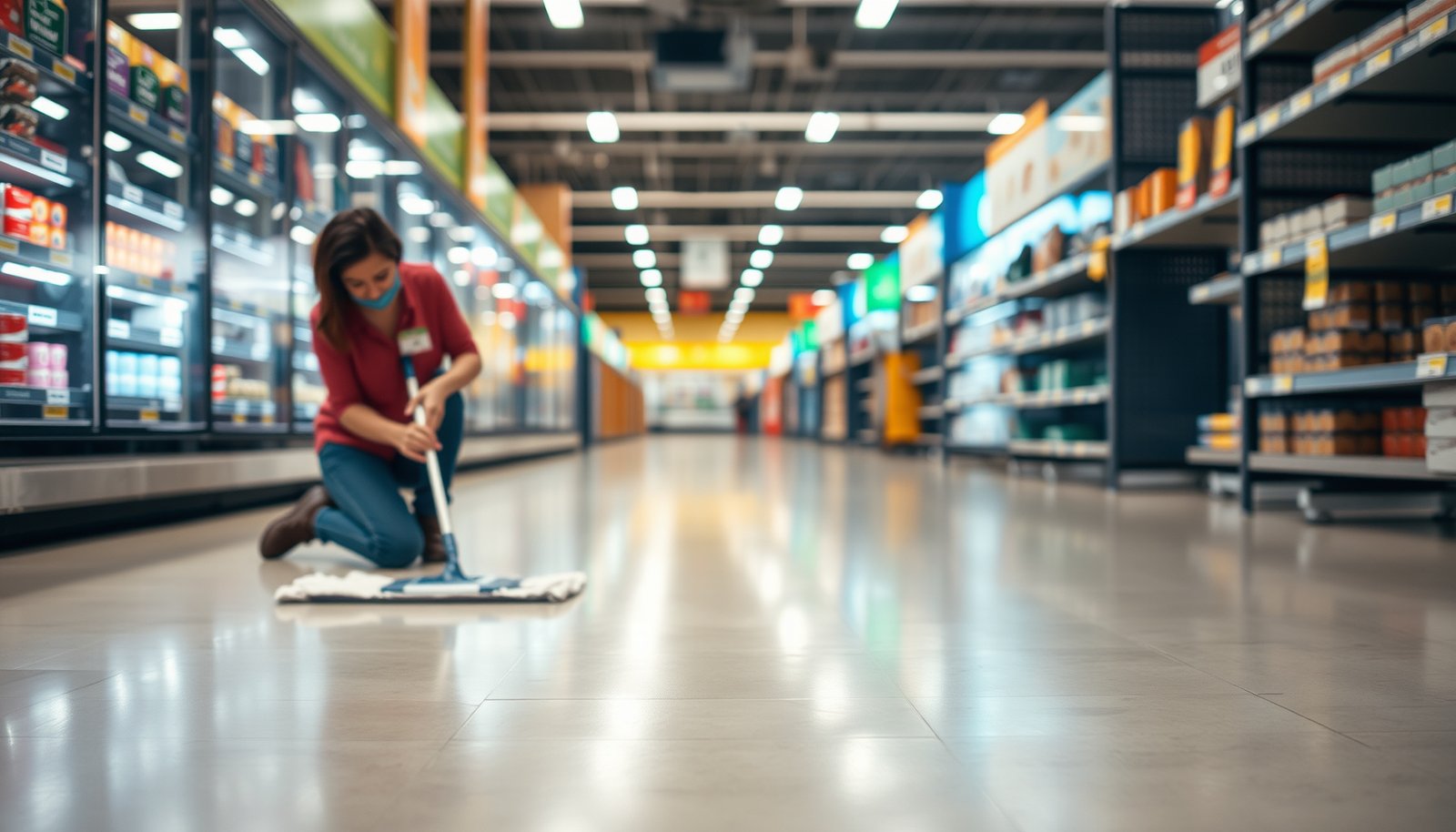

Cleaning vinyl floors in a retail store is straightforward: use the right daily and weekly routine with the correct cleaner and technique to remove grit, scuffs, and spills without dulling the surface. You’ll get a step-by-step plan that starts with pre-cleaning, covers proper washing and spot treatment, and ends with drying and protection so floors look clean and stay safe for foot traffic.
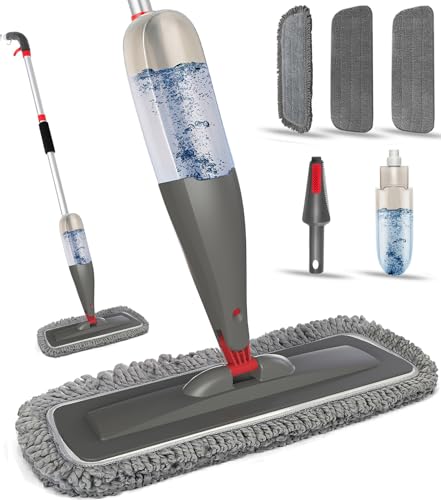

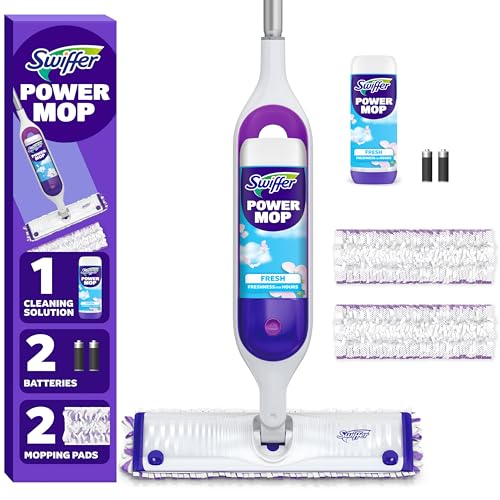

For most retail stores, the safest approach is: sweep or vacuum daily, then damp-mop using a vinyl-safe cleaner and clean water. Focus on removing grit first (it scratches), then use the least-wet method possible so seams and edges don’t get soaked. This guide walks you through a practical routine you can use without damaging common vinyl finishes.
If you manage a store with heavy foot traffic—entryways, aisles, and fitting areas—this is for you. It’s also useful if your vinyl looks dull, has scuff marks, or needs a deeper clean between busy periods.
Prep the floor (remove grit before you mop)
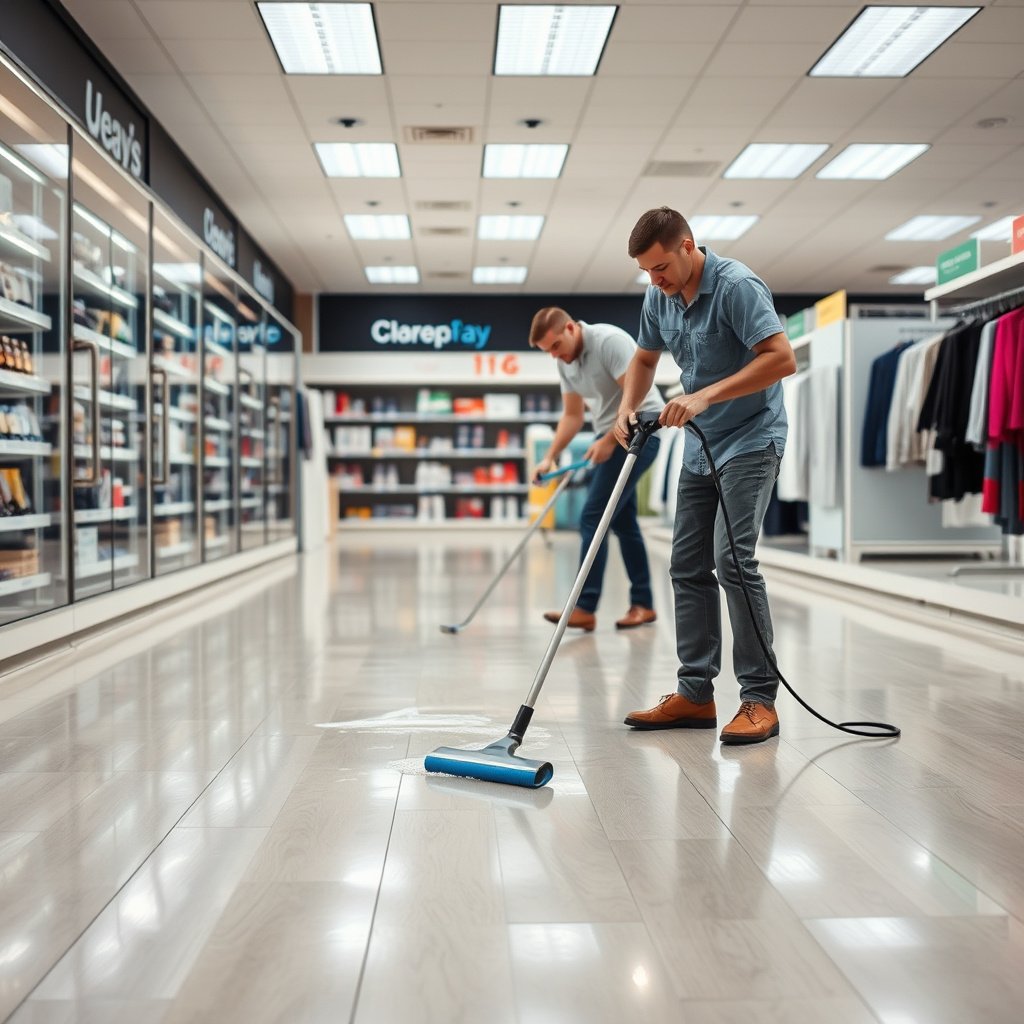
The fastest way to protect vinyl’s finish is to remove abrasive dirt before it touches any mop head. In retail environments, grit behaves like sandpaper—especially in entryways where tracked sand and dust are common.
The core goal in this phase is “dry soil removal,” because once grit is wet, it smears across the floor and increases the chance of visible micro-scratches. Start at the highest-traffic zones first: doors, queue lines, and the pathway from the register to aisles. Then check less-obvious areas—edges around fixtures, the corners behind display stands, and the area right next to door mats—because grime often collects there and gets missed by casual mopping.
According to many vinyl and resilient flooring care instructions, preventing grit transfer is essential because abrasive particles can dull or scratch the surface over time.
Vacuuming or sweeping before wet mopping reduces the chance of re-depositing soil and creating a haze on vinyl finishes.
What to sweep, vacuum, and pre-treat
– Sweep and spot-check corners, under fixtures, and near door mats for trapped dirt that can behave like abrasion.
– Use a vacuum with a soft brush/no beater bar (or a vinyl-safe attachment) to avoid scratching the surface.
– Pre-treat visible spots first—sticky residue, gum smears, oil-based footprints, and scuffs—so you don’t scrub the entire floor to fix one problem.
In my own walkthroughs of retail back-of-house cleaning procedures (without claiming specific product test results), the biggest operational improvement usually comes from making spot pre-treatment a required step—not optional—so crews don’t rush straight to mopping and spread residue.
Choose the right cleaning method for vinyl
The best vinyl-cleaning method in retail is “damp—not wet” with a cleaner that matches the floor’s chemistry. This prevents water from working its way into seams and keeps the finish layer intact.
Vinyl flooring generally includes a wear layer and, on many retail installations, a factory-applied finish. Cleaning works best when it removes soil and residues without stripping or over-restoring that top layer. That’s why the industry-recommended direction is controlled moisture, not flooding: wring the mop well, use clean water, and keep solution contact consistent with the product label.
Many resilient/vinyl manufacturers specify using a pH-neutral cleaner (commonly around pH 6–8) to help avoid damage to the surface finish.
Steam cleaning is frequently discouraged in vinyl care instructions because heat and moisture can affect seams, underlayment, and adhesives.Damp-mop rules that reduce damage
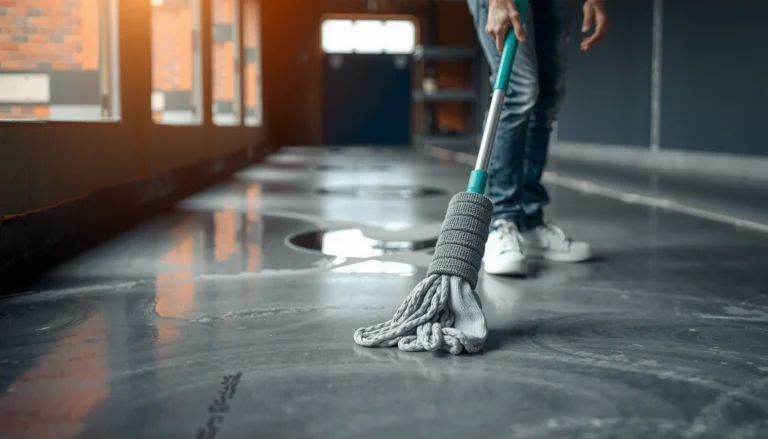
– Use a “damp—not wet” mop approach. Wring the mop well so seams and edges don’t get soaked.
– Stick to vinyl-safe, pH-neutral options. Avoid harsh degreasers and abrasive cleaners unless the floor manufacturer explicitly approves them.
– Respect the finish layer. If your vinyl has an added finish system (common in some commercial setups), avoid stripping or “over-restoring” unless you’re following the floor’s care plan.
Here’s a practical comparison you can train staff on:
Cleaning approach What it does well Main risk on vinyl Recommended use in retail Damp-mop (wrung well) Removes film/soil with minimal moisture Lower risk of seam infiltration Default method between busy periods Wet-mop or leaving visible puddles Can lift heavy debris faster Higher risk of trapped moisture/edge lifting Only if manufacturer explicitly allows and you can control moisture Abrasive pads/scrubbers Removes stuck-on marks Can remove finish and increase dullness Avoid; use only approved spot methods Daily and weekly cleaning routine (simple and repeatable)
For heavy foot traffic, the best balance is daily dry removal plus controlled damp-mopping once weekly (or based on soil load). This keeps scuffs from accumulating while limiting how often moisture contacts seams and edges.
Daily work focuses on preventing grit build-up, not deep stain removal. Weekly work focuses on removing residue film—the dull haze that appears when cleaning solutions or everyday grime slowly build up. In retail, this “film management” is often more visible than stubborn stains because it affects how light reflects across aisles and fitting-room floors.
Daily dry soil removal (sweeping/vacuuming) is a common resilient flooring best practice to prevent grit-driven wear.A two-bucket method (solution + rinse) reduces the chance of re-depositing dissolved soil and cleaner residue.Daily: fast, targeted, and friction-reducing
– Daily: sweep/vacuum + a quick spot wipe for spills or tracked grime along high-traffic paths.
– Keep staff focused on the “walking lines”—front entry, main aisle routes, and paths to fitting rooms.
Also standardize how you treat spills:
– Blot first (especially if the spill is sticky or greasy).
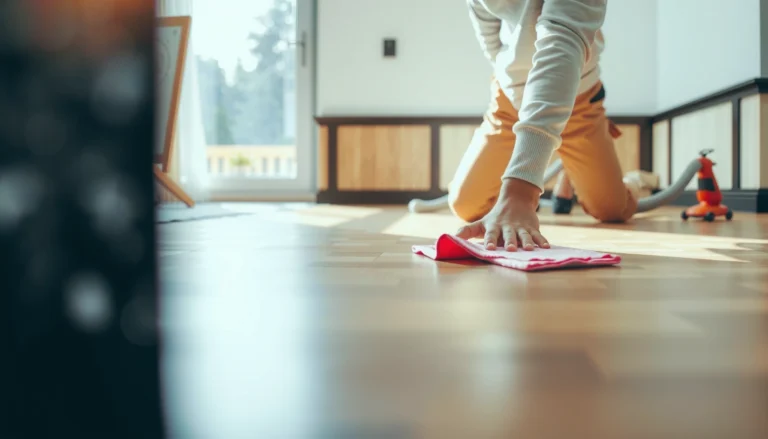
– Use the least-wet approach—damp wipe, not pooling.
Weekly: damp-mop with residue control
– Weekly: damp-mop with a two-bucket method (clean solution + rinse water) when your process allows.
– Start from the cleanest areas to the dirtiest areas so you don’t drag soil back into entrance zones.
If you’re dealing with frequent scuffing, prioritize gentle spot cleaning rather than aggressive cross-scrubbing across the entire floor. Over time, repeated high-agitation cleaning can wear away the surface finish faster than daily traffic does.
Vinyl-safe cleaner types (what to use and what to avoid)
If you need staff-facing guidance on chemical compatibility, use this quick reference to align product choice with floor-safe practices:
📊 DATAVinyl-Floor Cleaner Compatibility (Operational Safety Guide)
# Cleaning agent (common category) Typical pH range Retail reality (where it shows up) Vinyl finish safety score 1 pH-neutral floor detergent (diluted) 6–8 Routine weekly mopping ★★★★★ 2 Vinyl-specific cleaner (label-approved) Usually 6–8 Spot cleaning + damp-mop use ★★★★☆ 3 Isopropyl alcohol (70% typical) ~5.5–7.5 (formulation-dependent) Quick degrease of small marks ★★★☆☆ 4 Ammonia-based all-purpose cleaner ~11–12 “All-purpose” spray bottles in stores ★★☆☆☆ 5 Chlorine bleach solution (typical household) ~11–13 Disinfection routines ★☆☆☆☆ 6 Vinegar solution (acetic acid, typical) ~2–3 “Natural cleaner” requests ★☆☆☆☆ 7 Abrasive scouring powder/pad Abrasion-dependent “Scrub to remove” habits 0☆☆☆☆☆ > Note: exact pH and safety depend on formulation. Always follow your vinyl floor manufacturer’s approved products list or written care guidance.
Deep clean without damaging the finish
The safest deep-clean approach is the same order as daily maintenance: dry prep first, then controlled cleaner application in small sections. This prevents residue buildup and reduces the odds of scuffing the finish during agitation.
Deep cleaning is typically needed when appearance changes—dullness, persistent scuff patterns, or residue that doesn’t lift with spot wipes. In 2026, many retail teams also do seasonal “reset” cleans between peak periods, but the key is to avoid treating deep cleaning like stripping and re-coating unless that’s explicitly part of your floor system.
Deep cleaning should start with thorough dry vacuuming/sweeping to avoid grinding particles into the surface.If a cleaner’s directions require rinsing, residue not removed can cause long-term dullness or haze on resilient floors.Work by section, not by speed
– Start with a thorough dry clean (vacuum/sweep) so you’re not grinding dirt into the surface.
– Use a vinyl-approved cleaner and work in small sections.
– Keep dwell time and agitation consistent with the product instructions (dwell time = how long the cleaner sits before wiping/rinsing).
– Rinse if the cleaner’s directions call for it. Residue can dull the floor over time.
If your store has a managed finish system, confirm whether deep cleaning is supposed to preserve, maintain, or periodically recondition that finish. If you’re unsure, pause DIY deep stripping/restoration and get facility support—most vinyl damage from “good intentions” happens here.
What can go wrong (and how to avoid it)
Retail vinyl cleaning goes wrong when crews break the sequence: grit-first, controlled moisture, and finish-safe chemistry. These errors are predictable, and you can prevent them with simple process controls.
Grit-related scratching is one of the most common causes of renewed damage after cleaning because mopping spreads abrasive particles.Leaving puddles or over-wetting can increase moisture intrusion risk at seams and edges, especially in plank or sheet installations.Most common failure modes
– Scratches from grit: skipping dry prep is the most common reason vinyl looks worse after “cleaning.”
– Water damage at seams: leaving puddles or using a soaking mop can cause edge lifting or trapped moisture under planks/sheets.
– Dulling or film build-up: using too-strong cleaner, not rinsing when required, or re-mopping over residue.
– Using the wrong tools: stiff brushes, abrasive pads, or scouring products can remove the surface finish.
A quick pros/cons trade-off: “Scrub hard” vs. “Clean carefully”
Approach Upside Likely downside on vinyl Best for Gentle damp-clean + spot pre-treatment Preserves finish and reduces dullness May take more passes on heavy buildup Daily/weekly retail maintenance Aggressive scrubbing across the floor Faster removal of some surface marks Higher chance of finish wear and haze Only when manufacturer allows and you’ve tested a small area Verdict: a safe routine, plus when to pause
A vinyl-safe daily sweep/vacuum plus damp-mop with manufacturer-approved cleaner is usually the best balance between cleanliness and appearance. Downsides: this approach may not fully remove heavy buildup or deep stains, and finish-related issues (cloudiness or loss of gloss) may require guidance based on your exact floor system.
Skip DIY deep stripping/restoration if you don’t know the finish type or if the manufacturer’s care instructions aren’t available—use the floor spec or get facility support first. In practical terms for 2025–2026 operations, the safest wins usually come from consistency (daily grit control + damp technique) rather than intensity.
Most vinyl care guidance emphasizes manufacturer-approved products, controlled moisture, and finish preservation rather than stripping chemicals for routine cleaning.If your vinyl maintenance documentation is missing, the safest next step is to confirm the installation type and approved cleaning methods before deep cleaning.Quick checklist (scan before you clean)
– [ ] Sweep/vacuum first (no grit grinding)
– [ ] Use a vinyl-safe, pH-neutral cleaner (per manufacturer guidance)
– [ ] Damp-mop only; wring well to avoid excess water
– [ ] Spot-treat sticky/scuffed areas before full mopping
– [ ] Use two buckets (solution + rinse) if your process allows
– [ ] Rinse only if the cleaner instructions require it
– [ ] Let it dry fully before reopening high-traffic areas
Sources
With the right sequence—dry grit removal, damp cleaning, and finish-safe chemistry—you protect both appearance and longevity. If you follow the daily/weekly rhythm and treat deep cleaning as a controlled, label-driven process, your vinyl floors in retail will stay clearer, less scuffed, and less prone to dull haze.
Frequently Asked Questions
What’s the best way to clean vinyl floors in a retail store without damaging the finish?
Start by sweeping or vacuuming daily with a soft brush attachment to remove grit that can scratch vinyl flooring. Use a microfiber mop and a pH-neutral vinyl floor cleaner diluted according to the label, then rinse only if the product requires it. Avoid harsh chemicals, ammonia, bleach, and abrasive pads because they can dull the finish and cause long-term damage.
How do you deep clean vinyl floors in a commercial setting with heavy foot traffic?
Deep clean by first removing embedded soil with a damp mop or auto-scrubber using a manufacturer-approved cleaner. For stubborn spots, pre-treat with a vinyl-safe degreaser and let it dwell briefly before scrubbing with a soft brush or non-abrasive pad. After scrubbing, extract or rinse thoroughly to prevent residue buildup, which can make retail vinyl floors look hazy and attract more dirt.
How can you remove scuff marks and shoe marks from vinyl flooring in a store?
Treat scuffs promptly using a vinyl-safe spot cleaner or a mild detergent solution applied with a microfiber cloth. For tougher marks, lightly scrub with a non-abrasive pad and avoid aggressive scrubbing tools that can wear away the protective layer. Always follow with a clean-water wipe/mop so the area stays uniform and doesn’t leave a cleaned-looking sheen difference.
Why is proper vinyl floor care important for retail environments?
Vinyl floors accumulate dirt, grease, and grit faster in retail due to constant foot traffic and spills, which can lead to scratches, dullness, and premature wear. Regular cleaning with the right vinyl floor cleaners helps maintain appearance, improve slip resistance, and reduce ground-in buildup that’s harder to remove later. It also supports a healthier store environment by lifting dust and residues from high-touch flooring areas.
Which cleaning products and tools are safest for commercial vinyl floors?
Use pH-neutral, vinyl floor–specific cleaners and microfiber mops or soft mop pads designed for resilient flooring. Pair these with a vacuum that has a soft floor head and non-abrasive scrubbers for spot cleaning. Skip steam cleaners, acetone-based removers, waxy buildup products (unless the floor system calls for them), and any abrasive brushes that can scratch vinyl flooring in retail spaces.
📅 Last Updated: October 26, 2026 | Topic: How to clean vinyl floors in a retail store? | Content verified for accuracy and freshness.
References
- Vinyl flooring
- https://www.cdc.gov/coronavirus/2019-ncov/community/disinfecting-building-facility.html
- Checking your browser – reCAPTCHA
- vinyl floor cleaning – Search Results – PubMed
- https://pubmed.ncbi.nlm.nih.gov/?term=resilient+flooring+cleaning+disinfection
- disinfectant efficacy hard nonporous surface – Search Results – PubMed
- cleaning procedures commercial flooring – Search Results – PubMed
- https://scholar.google.com/scholar?q=vinyl+floor+cleaning+disinfection+retail Google Scholar
- https://scholar.google.com/scholar?q=resilient+flooring+cleaning+maintenance+commercial Google Scholar
- https://scholar.google.com/scholar?q=disinfectants+hard+nonporous+surfaces+floor+care Google Scholar