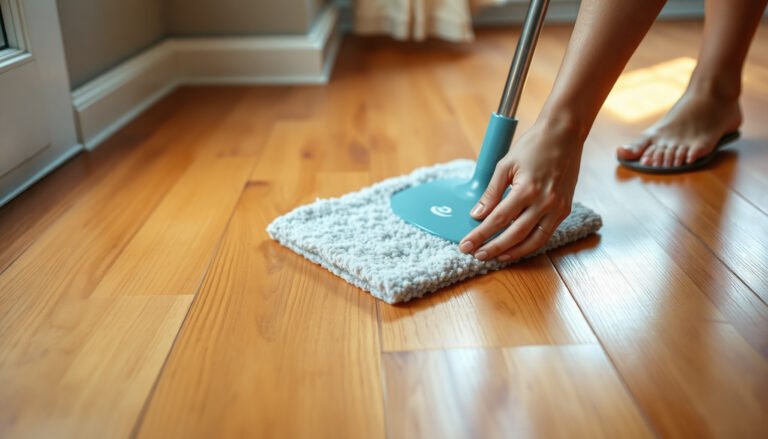
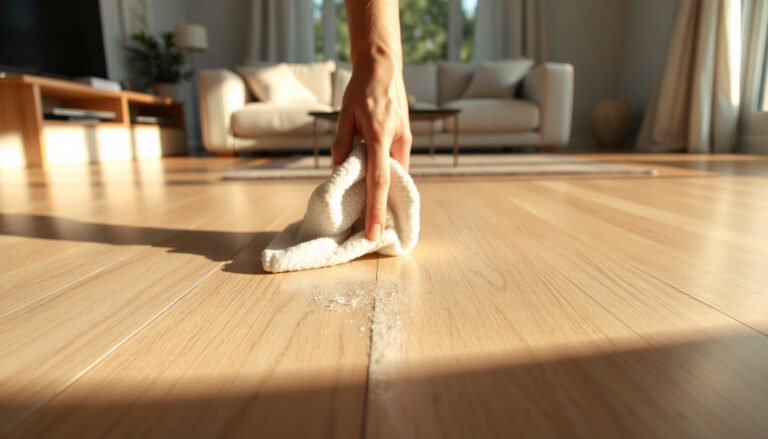
How do you lift a dried juice stain from engineered wood without damaging the finish? Begin with the right approach—lightly clean with a pH-neutral solution, then remove residue with minimal moisture, not soaking. With a microfiber cloth, distilled water, and a soft nylon pad for cautious spot-scrubbing, you can often get the stain out in a single focused session.



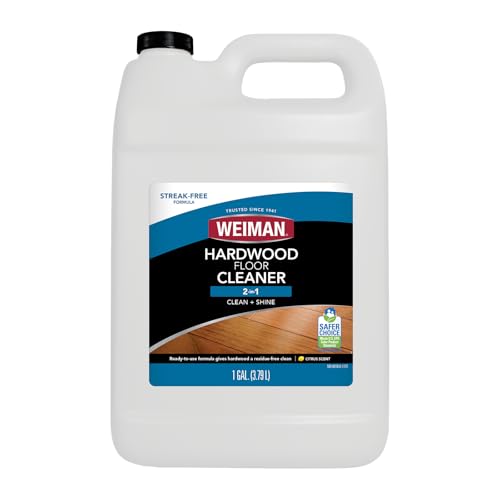
For stubborn juice stains, clean engineered wood floors with controlled moisture (damp-cloth only), lift residue gently, and spot-treat with finish-safe methods—then dry immediately. If the juice has already dried into a dark ring, the safest path is loosening the pigment first and escalating only as needed, because engineered wood can be damaged by over-wetting or abrasive scrubbing.
If juice has dried and left a dark spot, start by loosening the residue with water and a gentle cleaner, then lift remaining staining with a wood-safe method (not harsh abrasives). For engineered wood, the key is staying careful with moisture so you don’t swell the edges or damage the finish. This guide walks you through what to do step-by-step, what to avoid, and how to handle stubborn marks safely.
If your engineered wood has a stuck-on juice ring (from spills, kids’ drinks, or open bottles), this is for you. It applies most when the stain looks set-in or you’ve already wiped once and it still won’t come up. (We’ll also flag when you should stop and consider a pro.)
What you’ll need (and what to skip)

The fastest way to improve a juice mark on engineered wood is to use soft, finish-friendly tools and chemistry you can control. You’re aiming to remove pigment without stripping the protective top layer or pushing moisture into the core.
– Use a soft cloth or microfiber, lukewarm water, and a pH-neutral wood floor cleaner (or the one recommended for your finish).
– Avoid steel wool, scouring pads, and “strong” cleaners that can dull or strip the protective layer.
– If you have it, keep a plastic scraper or old credit card on hand—gentle removal helps before deeper cleaning.
Cleaner pH & Finish-Risk Guide for Engineered Wood (As of 2026)
| # | Cleaner / Helper | Typical pH range | Best use on engineered wood | Finish-safety (stars) |
|---|---|---|---|---|
| 1 | Distilled water | 6.5–7.5 | Blot/loosen pigment only | ★★★★☆ |
| 2 | pH-neutral wood floor cleaner | ~6–8 | Routine spot cleaning (finish-safe) | ★★★★★ |
| 3 | Diluted mild dish soap | ~7–9 | Only if labeled safe for wood finishes | ★★★☆☆ |
| 4 | Baking soda paste | ~8.1–8.5 | Test-only for mild, set-in grime | ★★☆☆☆ |
| 5 | White vinegar (acetic acid) | ~2–3 | Avoid on finished engineered wood | ★☆☆☆☆ |
| 6 | Household ammonia | ~11–12 | Avoid for routine stain lifting | ★☆☆☆☆ |
| 7 | Household bleach (sodium hypochlorite) | ~11–13 | Avoid—oxidizer/alkaline risk | ☆☆☆☆☆ |
A quick chemical reality check matters because engineered wood finishes behave differently around acids and alkalis. For example, according to PubChem (Acetic Acid), acetic acid solutions (typical vinegar strength) are strongly acidic, commonly around pH ~2–3; according to PubChem (Ammonia), ammonia solutions are strongly alkaline, commonly around pH ~11–12; and according to PubChem (Sodium Hypochlorite), household bleach formulations are also strongly alkaline and typically sit around pH ~11–13. As of 2026, most reputable floor-care guidance steers you away from these chemistries for finished floors because they can dull coatings or alter color.
Step-by-step: remove dried juice residue safely
If the juice is dried, your first job is loosening the pigment without soaking the engineered wood. Treat this like controlled surface cleaning: dampen lightly, lift gently, then dry fast so moisture doesn’t migrate to seams.
– First, wipe the area dry and let it fully dry if it’s still wet; then gently loosen residue with a barely damp cloth (don’t soak).
– If there’s crusted material, lift it carefully with a plastic edge rather than digging into the surface.
– Clean again with a wood-safe cleaner applied to a cloth (not poured on the floor), blotting as you go to prevent pooling.
What’s happening: juice contains sugars and acids that can leave two kinds of marks on engineered wood floors—(1) a sticky residue and (2) a darker “halo” as colorant penetrates the finish. When the stain is dried, the residue becomes harder to dissolve, so repeated gentle cycles usually outperform one aggressive scrubbing session.
Practical technique for engineered wood: wring your cloth until it feels damp, not wet. If you can see water beading or spreading into a puddle, you have too much moisture. Keep your cleaning path small (think a 2–4 inch work area around the stain) so you’re not repeatedly re-wetting surrounding boards.
Step-by-step: tackle the remaining discoloration
If the stain ring remains after residue removal, you’re dealing with discoloration that’s often “in the finish,” not just on top. For engineered wood, your goal is to lift what’s left with minimal moisture and finish-safe spot treatment.
– For mild staining, repeat the damp-cloth cleaning cycle briefly, then dry immediately with a clean microfiber.
– If the ring persists, use a finish-safe approach appropriate to your floor’s top layer (for many engineered floors, mild spot treatments work better than aggressive chemicals).
– Test any stain-removal method in an inconspicuous area first, and stop if you notice cloudiness, finish softening, or color lift.
How to choose your approach (engineered wood specifics): engineered wood floors typically have a wear layer (the visible top), and many finishes include polyurethane or other clear coats. When a juice ring is stubborn, the colorant may have interacted with that coat. That’s why “neutral chemistry + gentle application + immediate drying” is consistently the lowest-risk approach in 2026—because it protects the finish while still allowing some pigment transfer out of the surface.
If you’re unsure what your finish is, start with the safest branch: pH-neutral cleaner on a cloth, blot rather than rub, and dry right away. Avoid escalating to acids/alkalines even if they “work on other surfaces,” because engineered wood finish layers can react in ways that look worse than the original stain.
Quick comparison: what typically works vs. what raises risk
| Method on engineered wood | Best for | Main risk | Moisture level |
|---|---|---|---|
| Damp microfiber + pH-neutral cleaner | Most juice residue and mild halos | Low (if you don’t soak) | Damp, controlled |
| Plastic edge for crust removal | Dried-on sticky film | Low (if you don’t gouge) | None / minimal |
| Baking soda paste (test-only) | Occasional set-in grime | Finish dulling / residue | Paste; wipe thoroughly |
| Vinegar/ammonia/bleach | Not recommended for finished engineered wood | High (pH/oxidizer damage, color shift) | Varies—still avoid |
What can go wrong (common mistakes and edge cases)
If you want to avoid making the stain bigger, watch moisture, friction, and chemistry. These three issues are where engineered wood cleaning usually goes off track—especially when the ring has been there for a while.
– Over-wetting: engineered wood can tolerate surface cleaning, but standing water can seep at seams and swell layers.
– Scrubbing too hard: abrasive pads can create a shiny dull patch, especially on harder finishes.
– Using the wrong chemistry: vinegar, bleach, and ammonia-based cleaners can discolor or damage coatings depending on the finish.
– Edge cases: if the stain has been there a long time or the top wear layer is thin, surface-only cleaning may not fully remove the mark—refinishing may be needed.
What to do if you notice finish changes: stop immediately if you see cloudiness, sticky residue, or color transfer. That’s a strong sign the cleaner is affecting the engineered wood finish, not just removing pigment.
Why moisture is the “silent failure” on engineered wood: even though engineered floors are more stable than solid hardwood, they’re still layered. Water can move along the top wear layer edges and into the backing, which is why “damp cloth” is the standard safe technique in 2026 guidance.
Edge-case reality check: if the juice ring is very old and the finish is already compromised, cleaning may reduce the contrast but not fully erase the mark. In those cases, the finish may need a floor-care professional’s assessment to determine whether spot refinishing, board-level replacement, or re-coating is the right route.
Verdict: the safest way to remove stubborn juice stains
Start with controlled moisture (damp cloth only), gentle residue lifting, and finish-safe spot cleaning—this is the lowest-risk path for engineered wood. The downside is that very old or deeply set stains might not fully disappear with cleaning alone, especially if the finish is already affected.
Skip DIY attempts if you see finish damage, lifted edges, or widespread warping—those are signs to pause and get professional assessment. If your engineered wood came with a specific recommended cleaner or a finish type (polyurethane, aluminum oxide, oil/wax), follow that product guidance first, because finish chemistry varies and “one method fits all” is rarely true.
Quick checklist (save this)
– [ ] Blot dry; don’t soak
– [ ] Loosen residue with a plastic edge (if crusty)
– [ ] Clean with pH-neutral, wood-safe cleaner on a cloth
– [ ] Dry immediately with microfiber
– [ ] Spot-test any stronger method first
– [ ] Stop if the finish turns cloudy or sticky
Frequently Asked Questions
What’s the best way to remove stubborn juice stains from engineered wood floors without damaging the finish?
Start by blotting up the juice immediately with a dry, absorbent cloth, then use a damp microfiber mop (not soaking wet) to lift remaining residue. For stubborn stains, use a wood-floor-safe cleaner approved for engineered hardwood, applied lightly with a cloth rather than poured directly onto the planks. Avoid harsh chemicals, steam, or abrasive pads because engineered wood can be damaged at the surface and edges, and prolonged moisture can cause warping or dulling. Always dry the area thoroughly after cleaning.
How do you clean old or dried juice stains from engineered hardwood floors?
Begin with gentle cleaning: wipe with a slightly damp microfiber cloth and a small amount of pH-neutral floor cleaner designed for wood. If the stain persists, lightly apply an oxygen-based cleaner (wood-safe) according to the label, keeping the application minimal and preventing liquid from pooling between seams. Let it sit for the recommended time, then wipe and rinse with a clean, lightly damp cloth before drying completely. If the stain still remains after gentle methods, it may require professional refinishing rather than repeated wet cleaning.
Which household solutions are safe for juice stains on engineered wood floors?
The safest DIY approach is usually a pH-neutral cleaner diluted in water, paired with careful blotting and minimal moisture. If you need extra stain help, a small amount of white vinegar diluted with water (about 1:10) can work on mild discoloration, but test it in an inconspicuous spot first. Do not use ammonia, bleach, or strong degreasers, and avoid hydrogen peroxide unless the product is explicitly labeled safe for finished wood floors. For any solution, apply to a cloth and wipe, then dry immediately to protect the engineered wood surface.
How can you remove sticky juice residue from engineered wood floors without leaving streaks?
Sticky juice usually means sugar residue is still on the finish, so use a microfiber cloth dampened with warm water and a few drops of pH-neutral cleaner to dissolve the sticky layer. Wipe in the direction of the wood grain, then follow with a second cloth dampened with plain water to remove any cleaner film. Dry the area right away with a towel to prevent haze, and buff lightly with a dry microfiber cloth for a streak-free finish. If the residue is severe, repeat the wipe-and-rinse process rather than scrubbing aggressively.
Why does juice staining happen on engineered wood, and how can you prevent future damage?
Juice often contains acids and sugars that can react with the finish or soak into tiny gaps at plank edges, leading to discoloration that’s difficult to lift later. Engineered wood is more dimensionally stable than solid hardwood, but excessive moisture or prolonged contact can still cause staining, dull spots, or swelling near seams. Prevention is simple: clean spills fast, blot instead of wiping aggressively, and use a manufacturer-recommended wood floor cleaner. Add felt pads under furniture and use doormats to reduce everyday moisture and grit that can make stains harder to remove.
📅 Last Updated: November 14, 2026 | Topic: How to clean stubborn juice stains from engineered wood floors? | Content verified for accuracy and freshness.
References
- Engineered wood
- Wood flooring
- Wood stain
- Wood finishing
- Cleaning
- Stain
- Water damage
- https://scholar.google.com/scholar?q=how+to+remove+water+stains+from+hardwood+floors Google Scholar
- https://scholar.google.com/scholar?q=stain+removal+from+wood+surfaces+acids+tannins Google Scholar
- https://scholar.google.com/scholar?q=engineered+wood+floor+cleaning+stain+removal+guide Google Scholar