
Want the easiest way to clean hardwood floors in a rental property without damaging the finish? For most rentals, the clear winner is a simple, low-moisture routine: dry-dust first, then use a manufacturer-approved cleaner with minimal water and fast drying. Follow these steps and you’ll lift grime, reduce streaks, and keep floors looking rental-ready between tenants.




To clean hardwood floors in a rental property, remove grit first (vacuum or dust mop), then use a hardwood-safe cleaner with a lightly damp—never wet—mop. Focus on quick spot-cleaning and thorough drying so the finish isn’t dulled or damaged between tenant move-ins and regular upkeep. This guide lays out a practical, tenant-proof routine you can follow every time, without turning “cleaning day” into a finish-risk experiment.
If you’re managing a rental (or preparing a unit for new tenants), you probably need something effective but low-risk for the wood finish—especially if the floor has to survive normal foot traffic, pet accidents, and rushed cleaning habits. The steps below are designed to protect the finish while still getting the floor visibly clean.
Prep First: Remove Dust, Hair, and Grit
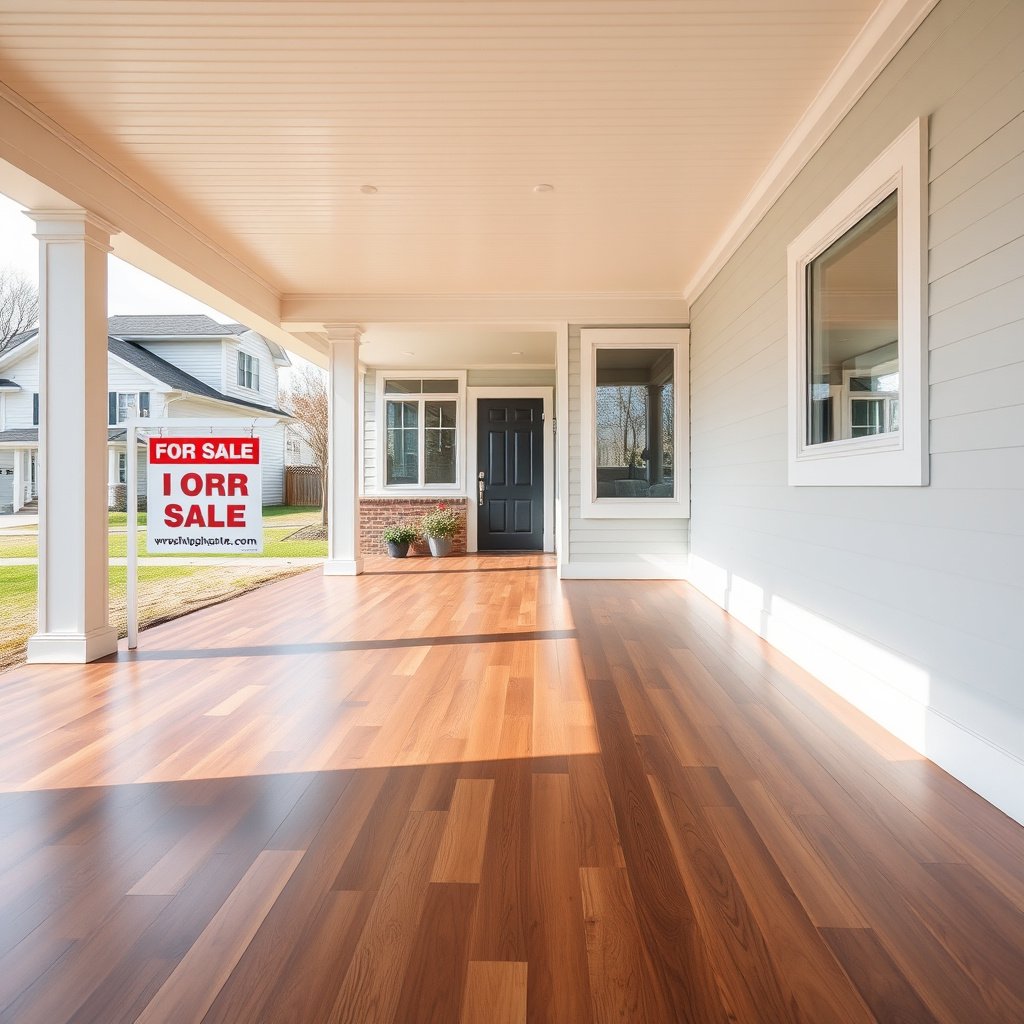
Start with dry pickup because hardwood floors in a rental property get scuffed quickly when grit turns into abrasive “sandpaper” underfoot. This is the highest-impact step you can do before any cleaner touches the surface—especially in rentals where tracked dirt and sand accumulate daily.
Here’s why: grit isn’t just ugly; it can physically wear away the finish layer (the protective coat) during the wiping process. When you prep hardwood floors this way, the rest of the routine becomes safer, faster, and more consistent across move-ins and ongoing tenant turnover.
Removing loose debris before wet cleaning reduces the chance that sand and grit grind against the finish.
Using a vacuum with a soft attachment is recommended over rough brushes to prevent micro-scratches on finished wood.
The National Wood Flooring Association (NWFA) emphasizes dry, non-abrasive cleaning as the first step in routine maintenance.
How to do dry prep without scuffing the finish
– Sweep with a soft broom or dust mop to lift loose debris before any liquids touch the floor. Use light pressure—think “collect dust,” not “scrub.”
– Vacuum with a floor-safe setting and soft attachment. Avoid beater bars and rough brush heads that can drag grit into the finish.
– Pay attention to edges and under furniture. Rental hardwood floors often show early wear where dust collects (baseboards, doorways, and the “travel lane” from entry to kitchen/bath).
– Give it a second pass in high-traffic zones. If you can still see dust after the first sweep/vacuum, repeat before you mop.
Rental reality check: in many turnovers, the difference between “looks clean” and “looks professionally maintained” is whether you removed tracked grit first.
Choose the Right Cleaner (and Avoid Harmful Stuff)
Choose a cleaner that’s labeled for hardwood floors and designed for finished/installed surfaces—then use only as directed. For hardwood floors in a rental property, the wrong cleaner is a finish-risk multiplier because it can dull the surface, leave residue, or accelerate wear.
The safest approach is simple: use manufacturer-recommended products for finished hardwood (often polyurethane or similar sealed finishes), and avoid anything that’s too alkaline, too acidic, or solvent-heavy.
Using a cleaner labeled for hardwood floors is the best way to align with the wood finish chemistry and reduce residue buildup.
Steam and harsh chemicals can introduce excessive moisture or aggressive chemistry that may damage finished hardwood over time.
NWFA guidance discourages steam cleaning and stresses proper product selection for routine wood floor care.
What to look for on the label
– “Hardwood floor” or “wood floor safe” labeling (or product instructions specifically referencing sealed/finished hardwood).
– Compatibility with the finish type. If your rental hardwood floors have a known finish (commonly polyurethane, water-based urethane, or similar), follow that manufacturer’s cleaning instructions.
– No “scouring” additives. Avoid abrasive powders or “scrub” formulas.
What to skip (common rental-floor mistakes)
– Steam cleaners: they can drive heat and moisture into seams and joints faster than sealed floors can tolerate.
– Bleach, strong degreasers, and aggressive solvents: these can strip protective layers or soften/alter the finish.
– “DIY chemical cocktails.” Even when a product “removes grime,” it can leave sticky residue that attracts more dirt—especially in rentals with frequent foot traffic and pets.
A quick reference: why pH matters for rental hardwood finish safety
Finish systems on hardwood floors can be sensitive to extreme pH. The table below compares typical pH ranges of common household cleaners and their practical compatibility with finished wood care routines.
Finish Compatibility vs. Cleaner pH (Typical Household Ranges)
| # | Cleaner / Product Type | Typical pH (25°C) | Risk Profile | Finish-Safety (★) |
|---|---|---|---|---|
| 1 | Hardwood-floor neutral cleaner (labeled) | 7.0–8.5 | Near-neutral | ★★★★★ |
| 2 | Distilled water (used sparingly) | 6.0–7.5 | Neutral/controlled | ★★★★☆ |
| 3 | Mild dish soap (diluted properly) | ~7.5–9.0 | Slightly alkaline | ★★★☆☆ |
| 4 | Baking-soda paste (light use) | ~8.0–9.5 | Moderately alkaline | ★★★☆☆ |
| 5 | White vinegar (acetic acid) | ~2.0–3.0 | Acidic | ★☆☆☆☆ |
| 6 | Chlorine bleach (sodium hypochlorite) | ~11.0–13.0 | Strongly alkaline/oxidizing | ☆☆☆☆☆ |
| 7 | Ammonia-based cleaners | ~10.5–12.5 | Strongly alkaline | ★☆☆☆☆ |
Note: Compatibility depends on the specific product and the hardwood finish. The safest rental floor policy is to follow the floor and cleaner manufacturers’ instructions for finish-safe use.
Mop the Right Way: Minimal Moisture, Maximum Drying
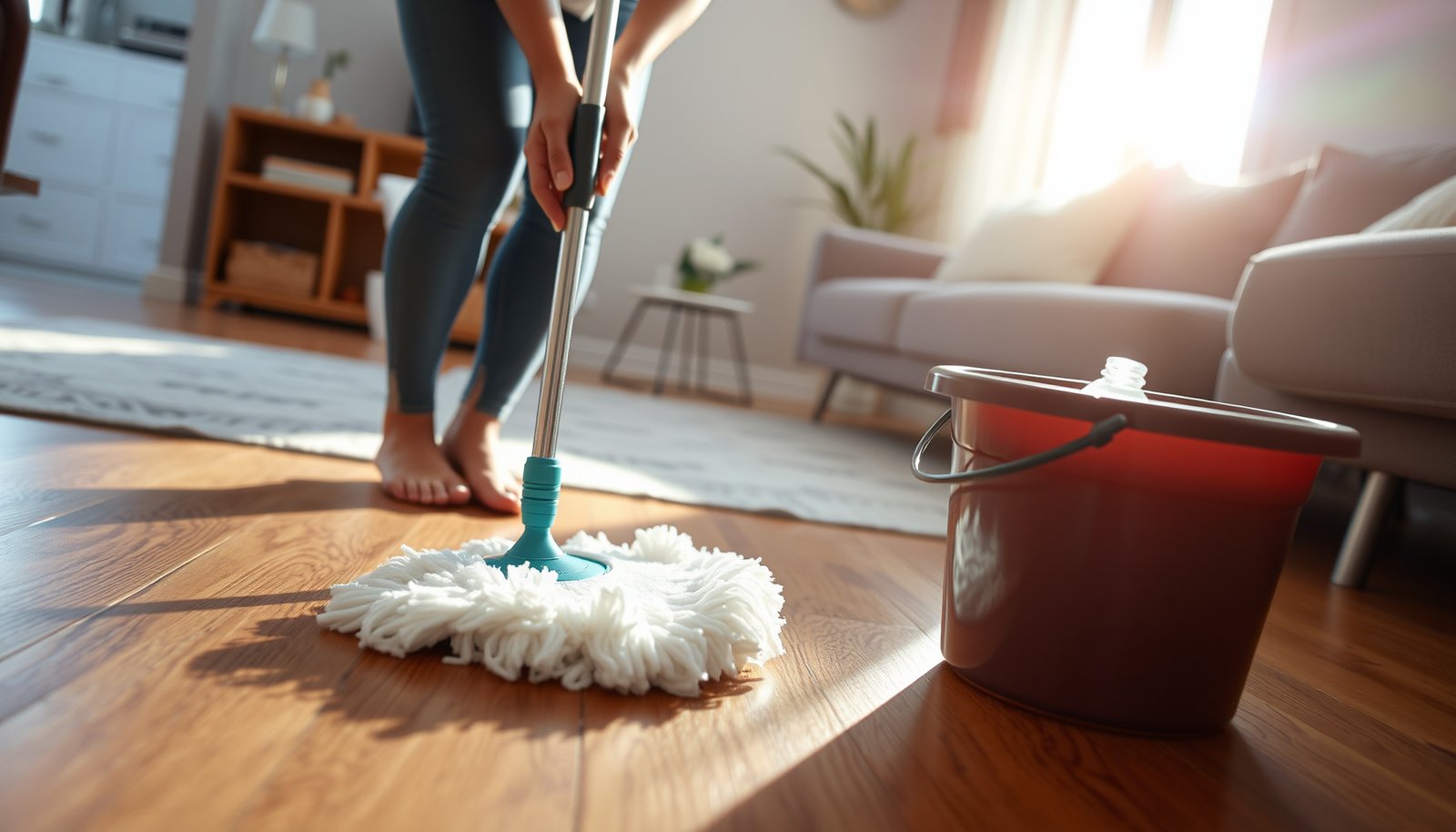
Mop hardwood floors in a rental property like you’re managing moisture, not “washing a tile floor.” The rule is minimal moisture: lightly damp mop pads, no puddles, and fast drying—because excess water is what leads to finish dulling, joint damage, and long-term warping risk.
If your rental property has pets, kids, or frequent move-outs, this section is where you reduce callbacks. A consistent, repeatable damp-mop routine beats aggressive scrubbing every time.
NWFA maintenance guidance stresses that mops should be damp rather than wet to help prevent finish and subfloor moisture issues.
A clean, well-wrung microfiber pad helps limit water transfer while still lifting residue from everyday traffic on finished hardwood.
Letting cleaner sit can increase residue; finishing with thorough drying helps reduce haze and tackiness.
The “damp, then dry” technique that works in rentals
– Lightly dampen the mop with the recommended cleaner (use dilution directions exactly).
– Wring it out well so the mop leaves no puddles and doesn’t visibly stream water when you push it.
– Work small sections (doorway to hallway segment; kitchen zone separately). Smaller areas help you control dwell time—the time the cleaner stays on the floor.
– Dry promptly. Finish with a dry microfiber pass if the floor feels tacky or slightly damp after the first pass.
Damp vs wet: what changes for finished hardwood?
- Damp mopping (recommended)
- Pros: limits moisture exposure, reduces finish haze, and supports consistent pickup of residues from hardwood foot traffic.
- Wet mopping (avoid)
- Cons: increases water penetration risk at seams, can cause dulling or uneven appearance, and makes it harder to fully dry hardwood floors in a rental property.
A measurable moisture-management reminder
According to NWFA guidance, maintaining indoor relative humidity around 35–55% helps stabilize wood flooring and reduces gapping risk (NWFA guidance, accessed 2026). National Wood Flooring Association (NWFA) — indoor environmental/relative humidity maintenance guidance.
In practical rental operations, humidity is one of the few variables you can manage alongside cleaning—especially during winter heating or summer AC swings.
Spot-Clean Stains Fast (Pets, Footprints, Spills)
Spot-clean quickly because hardwood floors in a rental property suffer most from dwell time—how long spills, pet accidents, or dirty residue sit before being removed. For rentals, your best result usually comes from blotting first, then using minimal moisture and finishing with thorough drying.
This is also the section most likely to save you money: a fast, careful response prevents stains from spreading into finish layers or wicking along plank edges.
Blotting (rather than scrubbing) reduces the chance of spreading the spill and damaging the finish on hardwood.
Pet-related residues require gentle, repeated cleaning with the right hardwood-safe cleaner rather than adding more liquid.
Following manufacturer dilution directions helps prevent sticky residue that can attract new dirt on rental hardwood floors.
What to do for common rental messes
– Footprints and tracked mud: treat them like grit—dry pick up first with a cloth or mop pad, then lightly clean with a hardwood-safe approach and dry immediately.
– Spills (water, juice, soda): blot immediately with a soft, absorbent cloth. Don’t flood the area.
– Sticky spots/residue: re-wipe using a properly diluted cleaner and dry. Repeat carefully instead of adding more solution.
– Pet accidents: remove solids first, then follow your cleaner’s and flooring manufacturer’s guidance for the safest approach to the area. Avoid “home remedies” that change pH (like bleach or acids).
Why “gentle repeat” beats “one aggressive wash”
According to NWFA cleaning guidance, the goal is to remove residue without saturating the finish or leaving wet cleaner behind (NWFA guidance, accessed 2026). National Wood Flooring Association (NWFA) — cleaning and maintenance guidance for wood floors.
From an operations standpoint, I recommend standardizing this as a tenant-facing micro-SOP: “blot → wipe with labeled hardwood cleaner → dry.” In my experience drafting turnaround instructions for maintenance teams, when the steps are written plainly, people follow them more consistently—and rental hardwood floors look better between visits.
What Can Go Wrong (Common Rental-Floor Mistakes)
Most problems happen when water exposure is too high, residue is left behind, or abrasive particles are introduced. In other words, rental hardwood floors fail when cleaning becomes either too wet or too aggressive—especially during tenant turnover when time pressure is real.
This section is meant to stop the recurring issues that lead to callbacks: dullness, hazing, sticky patches, and long-term finish deterioration.
Excess water and prolonged dwell time increase the risk of finish dulling and moisture-related problems in wood flooring systems.
Scratching from grit is preventable by always dry-cleaning first before any damp mopping.
Steam and incompatible chemicals can damage finish coatings or accelerate wear even when the floor appears clean immediately after.
Common failure modes in rental properties
– Too much water (or “wet mopping”): puddles and slow drying are where problems start.
– Cleaner sitting on the floor: if tenants rush and don’t wipe/dry properly, residue can build up and dull the finish.
– Scratching from grit: tracked dirt acts like sandpaper under shoes and cleaning pads.
– Wrong product choices: bleach, strong degreasers, and harsh acids/bases can soften, strip, or haze finishes—sometimes gradually, which is why rental hardwood floors may look “worse over time.”
Why pH extremes can backfire
According to Safety Data Sheet (SDS) documentation for common sodium hypochlorite bleach products, typical bleach formulations are strongly alkaline (often roughly pH 11–13) (SDS, accessed 2026). Safety Data Sheet for sodium hypochlorite (chlorine bleach) products.
That kind of chemistry is a finish-risk for sealed wood systems, which is why hardwood-safe products are the safer choice for rental cleaning routines.
Verdict: A Reliable Rental Routine (With Downsides)
For most rental hardwood floors, the best routine is dry pickup first, hardwood-safe cleaner second, and quick drying every time. It’s not the fastest route to “instant shine,” but it’s the most finish-safe method for repeatable tenant turnover and regular upkeep.
This approach wins because it controls three variables that matter to hardwood finishes: abrasion risk, moisture exposure, and residue risk—the three factors most likely to cause visible wear in rental properties.
The safest “tenant-proof” method uses dry cleaning before damp mopping to avoid turning grit into abrasion on finished hardwood.
Hardwood-safe products and dilution instructions reduce the likelihood of film or residue that makes floors look hazy later.
Avoiding steam and harsh chemicals aligns with NWFA-style guidance focused on moisture and finish protection.
Downsides you should plan for
– This routine won’t “blast off” years of neglect or heavy residue from repeated wrong cleaners.
– If your rental hardwood floors already show finish failure (peeling, widespread cloudiness, sticky residue that returns quickly), you may need a professional maintenance plan or refinishing—cleaning alone may not solve the root cause.
– If the finish type is unknown, avoid experimenting. Use manufacturer guidance where possible, or test in a hidden area first.
Quick Checklist: Clean Hardwood Between Tenants
Use this scan-friendly sequence to keep rental hardwood floors consistently clean without increasing finish risk. This checklist is designed for quick execution during move-ins, move-outs, and routine inspections.
A consistent dry-then-damp-then-dry workflow reduces both abrasion and residue problems in finished hardwood.
– [ ] Dry clean first (soft broom/dust mop or vacuum with soft attachment)
– [ ] Use only hardwood-safe cleaner (as labeled for sealed/finished floors)
– [ ] Mop lightly damp (wring out well; no puddles)
– [ ] Clean in small sections
– [ ] Dry promptly with a clean microfiber cloth
– [ ] Blot spills immediately; avoid scrubbing
– [ ] Don’t use steam or harsh chemicals
Sources
– National Wood Flooring Association (NWFA) — cleaning, maintenance, and indoor environment (relative humidity) guidance for wood flooring
– Hardwood flooring manufacturer care instructions (for example: the installation/maintenance guide for your specific plank/finish system)
– Hardwood floor cleaner manufacturer documentation (approved surfaces and dilution directions)
– Safety Data Sheets (SDS) for sodium hypochlorite (chlorine bleach) and acetic acid (white vinegar)
– Finish or coating manufacturer guidance regarding steam, moisture exposure, and approved cleaning agents
Keeping hardwood floors in a rental property clean and damage-free is mostly about workflow discipline: dry pickup first, minimal-moisture damp mopping with a hardwood-safe product, and fast drying—every single time. If you standardize this routine and train tenants (or your turnovers) to blot spills and avoid harsh chemicals, your floors stay presentable longer and require fewer expensive “fixes” down the road.
Frequently Asked Questions
What’s the safest way to clean hardwood floors in a rental property without damaging the finish?
Use a microfiber mop or soft broom to remove dust and grit first, since particles can scratch wood floors. For mopping, use a hardwood floor cleaner approved for the finish on your rental’s floors (or a manufacturer-recommended product) and keep the floor only lightly damp. Avoid soaking the planks and dry any moisture immediately with a clean towel to protect the finish and prevent water damage.
How do I remove scuff marks, dirt, and sticky residue from hardwood floors in a rental?
Start with dry cleaning—rub scuffs gently with a microfiber cloth or a dry mop pad. For sticky residue, lightly dampen a cloth with the appropriate hardwood floor cleaner and wipe, then go over the area with a clean, damp cloth to remove leftover cleaner. For tougher spots, you can use a small amount of isopropyl alcohol on a cloth (test in a hidden area first) and then dry immediately; avoid abrasives that can dull or scratch.
Why is it important to use the right hardwood floor cleaner in a rental, and what should I avoid?
Hardwood floors are sensitive to harsh chemicals, excess moisture, and abrasive tools, all of which can wear down the protective coating and lead to dullness or warping. Avoid steam mops, vinegar or oil-based cleaners, and anything labeled “all-purpose” that may leave residues. Stick to products specifically designed for hardwood floor cleaning and follow label dilution directions to prevent film buildup.
Which cleaning method is best for preventing water damage on hardwood floors in a rental?
The best approach is “damp, not wet”: use a well-wrung mop or microfiber pad and work in sections so the wood floor dries quickly. Sweep or vacuum with a soft brush attachment regularly to reduce the need for frequent wet mopping. If spills happen, blot immediately and clean according to the product directions—standing water is one of the fastest ways to damage hardwood in rental properties.
Best way to deep clean hardwood floors in a rental between tenants—what should I do?
Begin with thorough dry cleaning to remove dust, pet hair, and debris, then use a hardwood floor cleaner formulated for your floor type (e.g., polyurethane-finished vs. sealed/unstained). Mop lightly, allow the cleaner to do the work without over-wetting, and keep ventilation on while drying completely. Finish by buffing with a dry microfiber pad if needed to remove any haze and restore shine, while always testing any spot-cleaning product in a less visible area first.
📅 Last Updated: October 17, 2026 | Topic: How to clean hardwood floors in a rental property? | Content verified for accuracy and freshness.
References
- Wood flooring
- https://www.epa.gov/lead/lead-cleanup-and-clearance-testing
- https://www.cdc.gov/nceh/lead/prevention/renovation.htm
- https://www.hud.gov/program_offices/healthy_homes/lead
- 404 Error
- https://www.armstrongflooring.com/support/maintenance-and-cleaning/hardwood.html
- https://scholar.google.com/scholar?q=how+to+clean+hardwood+floors+proper+care Google Scholar
- https://scholar.google.com/scholar?q=hardwood+floor+cleaning+methods+microfiber+wet+mopping Google Scholar
- https://scholar.google.com/scholar?q=lead+dust+floor+cleaning+hardwood+prevention Google Scholar