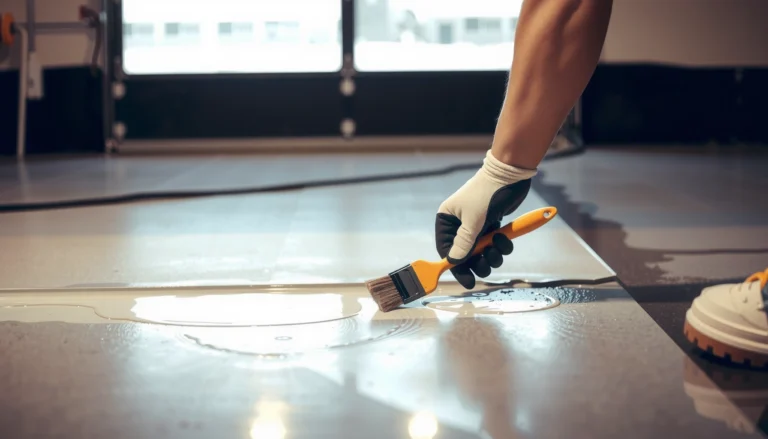
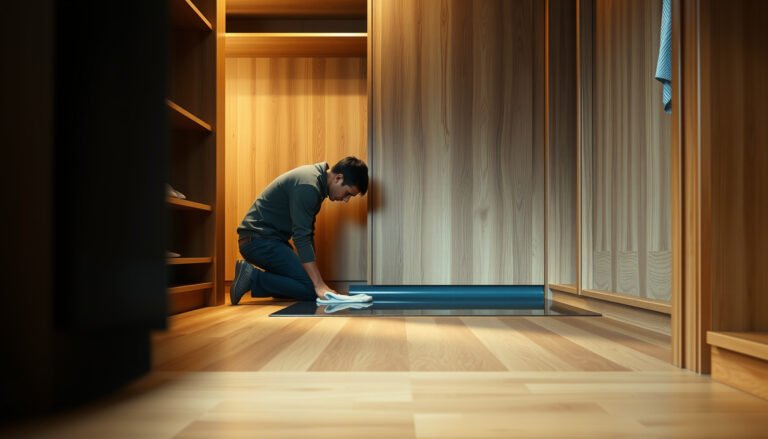
You can remove streaks from hardwood floors and finish with a clear, haze-free shine using the right cleaner and wiping technique. This straightforward process typically takes about 20–40 minutes, depending on the size of the area, and it helps you avoid leaving film behind. You will need a microfiber mop or soft cloth, pH-neutral wood floor cleaner, two clean buckets or rinsing water, and dry buffing cloths, then follow a simple sequence to lift residue and polish it out.




If your hardwood floors are streaky, the fix is usually using too much cleaner/soap residue or not rinsing/drying properly. Start with a microfiber mop and a correctly diluted, pH-neutral cleaner, then do a clean-water “rinse” pass and buff dry—this removes the leftover film that creates the shiny, rainbow, or cloudy streak look.
Who this is for

This applies when your streaks show up after mopping, spot-cleaning, or using “no-rinse” products that leave residue. It’s also a good approach for polyurethane-finished hardwoods, but you should pause and check your floor’s care instructions first.
Why streaks happen on hardwood
Hardwood floors look streaky when cleaning leaves behind a thin layer of chemistry (or re-deposits grime) across the finish. Research into surface-cleaning chemistry consistently points back to residue, water dynamics, and technique as the main drivers—especially on polyurethane and other clear-coat finishes.
– Residue buildup: Over-concentrated cleaner, oily soaps, or tacky “shine” products can leave a film.
– Dirty mop water: Reusing cloudy water just spreads the same residue across more boards.
– Over-wetting & drying problems: Too much moisture (or wiping in circles) can make streaks look worse.
The specific mechanism: why “film” turns into haze
On most sealed hardwoods, the finish is essentially a clear surface designed to shed water. When you apply soap-like cleaners (or even some “no-rinse” formulas), surfactants and oils can remain on the surface. As the water evaporates, that residue concentrates into a microscopic layer, which scatters light and makes streaks look glossy, cloudy, or rainbow—an effect that often shows up in 2026 as more people switch to quick, “easy” floor products. For context, pH matters too: according to NIST, pH is logarithmic, meaning a 1.0 pH-unit change corresponds to a 10× change in hydrogen-ion activity (1999). In other words, “almost neutral” cleaners aren’t the same as truly pH-neutral formulas for sensitive finishes.
Supplies and prep you’ll need
The right tools and prep prevent the two biggest streak causes: grit-scrubbing and uneven product spread. Before you start, gather what you need so you can control dilution, rinse properly, and buff dry without re-wetting.
– Microfiber mop pads (at least 2) and a bucket(s) of clean water
– A pH-neutral hardwood floor cleaner (use what’s recommended for your finish)
– Drying cloth or buffing towel (microfiber) to finish the surface without reintroducing moisture
so you can match the right cleaner guidance.
Typical pH of Common Cleaners vs Neutrality for Hardwood Film (25°C)
| # | Cleaner/solution | Typical use form | Typical pH | Neutrality score |
|---|---|---|---|---|
| 1 | Clean water | Plain (mop rinse) | ~7.0 | 96 ★★★★★ |
| 2 | pH-neutral floor cleaner | Diluted per label | ~6.5–8.0 | 86–92 ★★★★☆ |
| 3 | Rubbing alcohol (isopropyl) | Spot wipe (sparingly) | ~5.5–7.0 | 60–78 ★★★☆☆ |
| 4 | Baking soda solution | Dissolved/very dilute | ~8.3–8.5 | 70 ★★★☆☆ |
| 5 | White vinegar | 5% acetic acid | ~2.4–2.9 | 28–38 ★☆☆☆☆ |
| 6 | Household ammonia | Diluted household product | ~11–12 | 8–25 ★☆☆☆☆ |
| 7 | Chlorine bleach | Unscented dilute | ~11–13 | 0–20 ★☆☆☆☆ |
Step-by-step: streak-free hardwood cleaning
This process removes the residue film that causes haze, then restores a uniform dry surface by rinsing and buffing. It’s designed so you don’t keep re-distributing the same detergent across hardwood floors.
– Sweep or vacuum with a soft floor head; streaks get “wiped” into the finish if you drag debris.
– Spot-check high-traffic areas where residue usually accumulates.
2. Use the correct dilution (don’t guess)
– Follow the label for dilution and never mix cleaners.
– If you’re using a concentrate, use to avoid leaving film.
3. Mop with minimal product
– Lightly dampen the microfiber (it should not drip).
– Work in small sections so the floor doesn’t dry mid-pass with dirty water/film.
4. Rinse with clean water
– Go over the same section with a fresh mop pad and plain clean water to lift residue.
– This is the step many people skip, which is why “streaky clean” keeps returning.
5. Buff dry immediately
– Dry with a clean, dry microfiber towel.
– Use gentle, straight passes instead of heavy circular scrubbing to avoid redistributing residue.
A simple technique rule that prevents “re-streaking”
On hardwood floors, circles tend to move dissolved residue around the finish. Straight, overlapping passes reduce the chance you’ll draw a new “edge” of detergent film. Also, keep your rinse step genuinely clean: if your clean-water bucket starts looking gray, empty it and refill—dirty rinse water defeats the purpose.
Why “no-rinse” products can still haze
No-rinse products may be formulated to minimize residue, but they can still leave a thin surfactant layer on hardwood floors—especially if the pad is too wet or if you apply more product than the label allows. In 2026, it’s common to see multi-surface formulas; multi-surface does not always mean multi-finish, and sealed hardwood polyurethane finishes can show haze faster when the product sits on top rather than fully emulsifies and lifts.
| Approach | Pros (why it helps streak-free hardwood) | Cons (what can still cause haze) |
|---|---|---|
| Cleaner only (skip rinse) | Faster and may clean light footprints on hardwood floors. | Often leaves surfactant/soil-film that later shows as lines or clouding. |
| Cleaner + clean-water rinse (recommended) | Removes residue before it concentrates during drying—key to avoiding haze. | Requires an extra pass and immediate buff drying for best results. |
| Spot treatments with DIY acids/alkalis | Can cut certain spots quickly on some finishes. | Higher risk of finish dulling, especially if pH is far from neutral or if overused. |
What can go wrong (and how to avoid it)
When streaks persist, it’s usually because concentration, rinse quality, or finish compatibility is off. This section helps you diagnose the failure mode so hardwood floors don’t end up “streak-cleaned” repeatedly.
– You used too much cleaner: If streaks persist, the most common cause is product concentration—repeat with proper dilution and add the clean-water rinse.
– You’re on an incompatible finish: Oil/wax finishes often need different cleaners than polyurethane; using the wrong product can create haze.
– Bad technique repeats the problem: If you mop with the same pad you used at the start, you’ll keep smearing residue. Swap to a clean pad mid-job if it gets dull or dirty.
Over-wetting: the finish-risk behind “more water fixes it”
Over-wetting doesn’t just delay drying—it can temporarily push moisture into seams and edges, which makes streaking and haze more visible as the surface dries unevenly. According to U.S. Forest Products Laboratory, wood properties change dramatically around the fiber saturation point, which is commonly near ~25–30% moisture content for many woods (Wood Handbook). This is why “damp” beats “wet” for hardwood floors, even with polyurethane: the goal is controlled cleaning, not soaking.
Verdict: what to do next
This method is a reliable “reset” when streaks are caused by residue, dirty water, or incomplete rinsing—especially after mopping. Downsides: it takes an extra rinse/buff pass, and using the wrong cleaner for your finish can worsen haze. Skip this approach (and switch to the manufacturer’s specific routine) if you’re dealing with an oil/wax finish or if your floor care guide explicitly forbids certain cleaners.
Quick scan checklist (save this)
| Step | Do this | Avoid |
|---|---|---|
| Prep | Sweep/vacuum first | Mopping over grit |
| Cleaner | Use pH-neutral cleaner + correct dilution | Guessing amount or mixing products |
| Mopping | Lightly damp microfiber, small sections | Soaking the boards |
| Rinse | Clean-water pass | Skipping rinse after “no-rinse” products |
| Finish | Buff dry with clean towel | Leaving moisture to air-dry |
Streaky hardwood floors usually come from cleaner residue and incomplete rinsing/drying. Mop with the right diluted pH-neutral cleaner, rinse with plain clean water, then buff dry right away—this combination targets the film that creates haze and lines. If streaks still return quickly, re-check your product/finish compatibility and repeat the process using clean pads and a thorough water rinse.
Frequently Asked Questions
How do I clean streaky hardwood floors without leaving more marks?
Start by vacuuming or dry mopping to remove grit, which can create smear streaks when you add moisture. Use a hardwood floor cleaner diluted exactly per the label, and apply it to a damp microfiber mop rather than soaking the boards. After mopping, do a quick pass with a clean, dry microfiber cloth to catch any remaining cleaner and polish the surface.
What’s the best way to remove streaks from sealed hardwood floors?
For sealed hardwood floors, streaks are often caused by residue from too much cleaner or improper dilution. Re-mop the area with only warm water (or a very light hardwood floor cleaner dilution) using a damp microfiber mop, then dry immediately with a towel. If streaking persists, lightly buff with a clean microfiber pad to lift film and restore a clear finish.
Why do my hardwood floors get streaks after mopping, even when I use a “wood-safe” cleaner?
Many streaky hardwood floor problems come from using the wrong amount of cleaner or leaving cleaner on the surface. Also, an over-wet mop, dirty microfiber pads, or using a waxy or oily product can leave a thin residue that dries into lines. To prevent this, rinse your mop frequently, use the correct dilution, and avoid pooling or soaking water.
Which microfiber mop pads and cleaning methods reduce streaking on hardwood?
Use microfiber pads specifically labeled for hardwood or that are lint-free and washable; replace or thoroughly clean pads so they don’t redeposit oils. A “damp not wet” method works best: wring out the mop until it’s nearly dry, then mop in the direction of the wood grain. Finish with a dry microfiber mop or towel buff to remove excess moisture and streak-causing residue.
How do I fix stubborn streaks caused by hard water, residue, or previous cleaning products?
If streaks look like cloudy film, try a controlled approach: wipe the area with a slightly damp microfiber cloth using distilled water, then buff dry. For heavy residue, use a hardwood floor cleaner designed to remove film and follow the dilution and dwell time exactly—never combine multiple products. After correction, switch to a consistent routine with proper cleaner dilution and immediate drying to keep streaks from returning.
📅 Last Updated: November 04, 2026 | Topic: How to clean hardwood floors covered in streaks? | Content verified for accuracy and freshness.
References
- Wood flooring
- https://www.epa.gov/coronavirus/cleaning-and-disinfecting-your-home
- https://www.mayoclinic.org/healthy-lifestyle/home-health/in-depth/cleaning/art-20044808
- https://www.bbc.com/newsround/48919520-how-to-clean-hardwood-floors
- Client Challenge
- https://scholar.google.com/scholar?q=how+to+clean+hardwood+floors+without+streaks Google Scholar
- https://scholar.google.com/scholar?q=hardwood+floor+streaks+residue+cleaning+microfiber Google Scholar
- https://scholar.google.com/scholar?q=polyurethane+finished+wood+floor+cleaning+best+practices+streaks Google Scholar