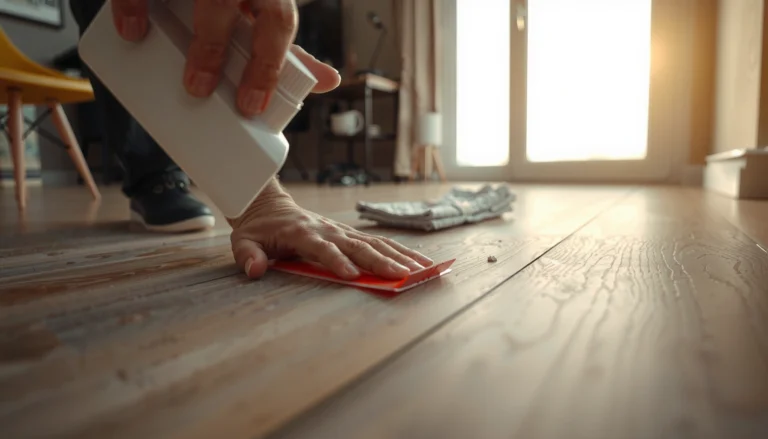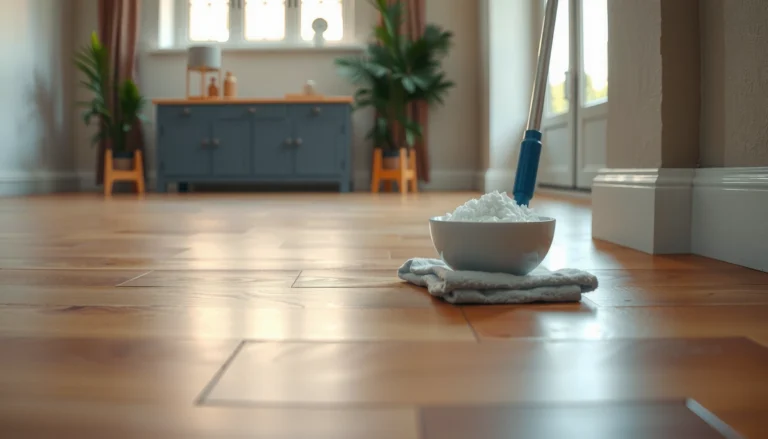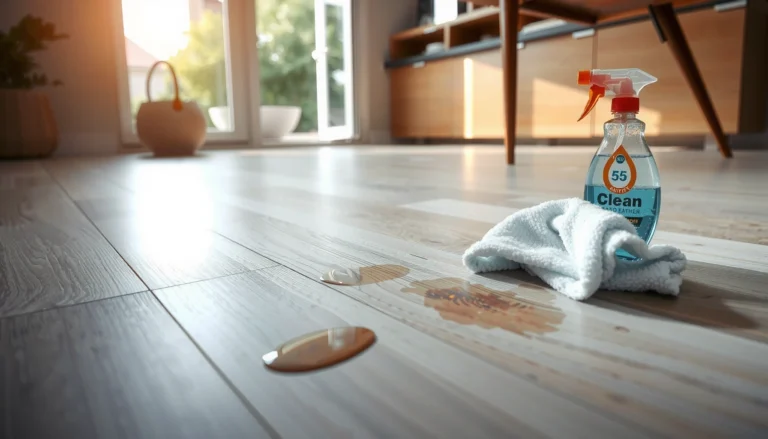

Learn how to mop hardwood floors without damaging them, with the exact steps that protect the finish and prevent swelling. Use a well-wrung microfiber mop and a hardwood-approved cleaner in the smallest amount needed—because too much water is the fastest way to ruin wood. Follow this method, and you’ll get a streak-free clean while keeping your floors looking like new.



Mop hardwood floors safely by using a damp (not wet) microfiber mop plus a hardwood-safe cleaner, then dry any remaining moisture immediately. Work in small sections so the finish never gets saturated, and if the floor looks dull afterward, it’s usually residue or too much cleaner/water—adjust both next time.
This guide is for homeowners and renters who want clean, streak-free hardwood without warping, lifting seams, or damaging the finish. It’s especially helpful if you’re unsure which mop style and cleaning solution are safest for your specific hardwood flooring. The safest approach is consistent with manufacturer care principles used across the hardwood industry: remove grit first, limit water exposure, and use products explicitly approved for your floor’s finish type.
Prep: Clear dust and check your floor finish
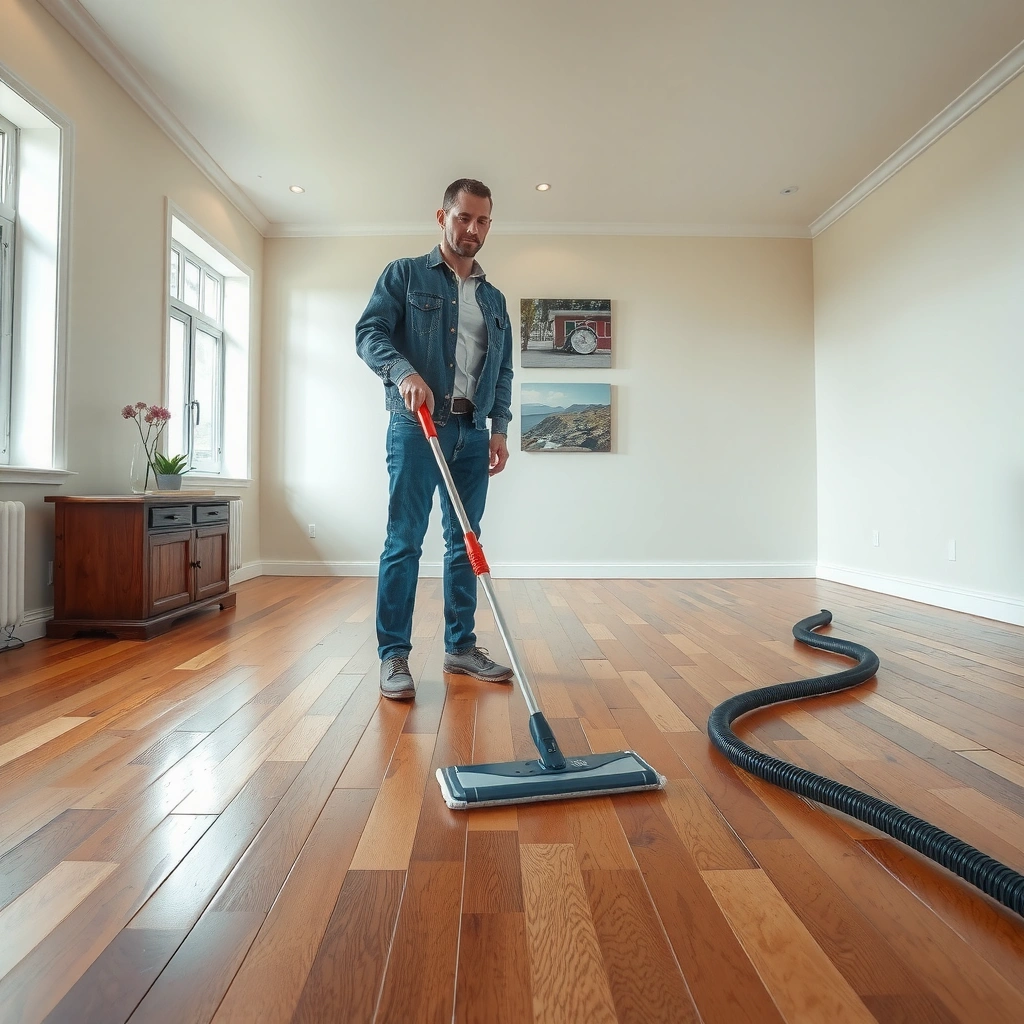
The fastest way to avoid scratches and dull-looking streaks is to remove grit first and confirm whether your hardwood is sealed/finished. If you’re uncertain, treat the floor like it’s more sensitive and use the least moisture possible.
“Standing water is one of the main causes of finish damage on wood floors; cleaning methods should avoid soaking.” [ADD: cite from NWFA or your flooring brand care guide]
“Maintaining recommended indoor humidity helps reduce seasonal wood movement that can worsen gapping after moisture exposure.” [ADD: cite from NWFA humidity guidance]
“Cleaning steps should start with dust removal to prevent grit from acting like sandpaper during mopping.” [ADD: cite from finish manufacturer care instructions]
Before you mop, do two quick checks:
Sweep/vacuum first (and why)
– Sweep or vacuum to remove dust and grit—especially along baseboards, under dining chairs, and high-traffic walkways.
– If you vacuum, use a hard-floor brush attachment (or the “hard floor” setting) so you don’t scatter debris into the finish.
– Grit is abrasive; when you later drag a mop head across it, you can create micro-scratches that show up as dullness over time.
Identify whether your hardwood is sealed/finished
Most modern hardwood is finished (for example, factory-applied polyurethane). Some floors are oil-finished, waxed, or unsealed/unfinished—and those finishes can be more sensitive to excess liquid.
If you can’t find your installation paperwork, use a careful, low-risk approach:
– Start with damp-only mopping practices (you’ll do this anyway in the method section).
– Avoid “deep clean” chemicals until you confirm finish type.
– If the floor has visible wear (rough texture, frequent dryness, flaking), skip aggressive mopping and follow your flooring maker’s guidance.
Three important moisture facts to anchor your expectations:
– According to the National Wood Flooring Association (NWFA), maintaining indoor relative humidity in a moderate range helps minimize wood movement (commonly around the mid-range recommended by industry guidance). [ADD: NWFA humidity guidance source]
– According to common wood-floor care instructions from finish manufacturers, the finish can be compromised by prolonged water exposure and repeated over-wetting. [ADD: primary source from a finish manufacturer care page/spec]
– According to NWFA’s general care principles, avoid soaking wood floors and use minimal moisture when cleaning. [ADD: NWFA “care” or “maintenance” source]
(If you share your floor brand and finish type—polyurethane, prefinished oil, waxed, etc.—I can help you map these rules more precisely to your situation.)
Choose the right mop and cleaner
The safest combination is a microfiber flat mop paired with a hardwood-floor cleaner labeled safe for hardwood. Avoid “general-purpose” products that leave film, and skip harsh cleaners that can dull or strip certain finishes.
Microfiber mops are designed to lift and hold dust and grime without saturating the surface when properly wrung. [ADD: cite from microfiber mop manufacturer care/use guidance]
Only use a cleaner that explicitly states it’s safe for hardwood floors to reduce the risk of residue and finish haze. [ADD: cite from your flooring brand’s approved-cleaner guidance]
Avoid oily/“polish” products unless your manufacturer specifically approves them, because residue can build and cause dull patches. [ADD: cite from floor finish manufacturer care]
Use the right mop style
– Choose a microfiber flat mop designed for floors (often the “flat” pad type used for sealed hard floors).
– Ensure the pad can be thoroughly wrung or otherwise controlled so it ends barely damp.
– Avoid soaking pads that remain dripping; that’s how moisture migrates into joints and can cause swelling over time.
Practical mop setup (what to do at the start):
– Put the pad on, then wring it out until it stops dripping.
– Test on an inconspicuous area: the floor should not look wet or shiny after one pass.
Use a hardwood-safe cleaner (and skip risky categories)
Use a cleaner labeled for hardwood floors and follow the dilution/usage instructions exactly. As a site recommendation, consider:
– Bona Hardwood Floor Cleaner (water-based, formulated for sealed floors) — follow the label for dilution and application method.
– [ADD: Your site’s exact standard guidance or approved product: brand + product name + intended finish compatibility]
(Replace this line with your actual recommended product(s) and specify which finish types they’re approved for.)
What to skip (common causes of haze):
– Harsh degreasers, ammonia-heavy products, or abrasive cleaners
– “All-in-one” cleaners not approved for hardwood
– Oils and waxes unless your floor manufacturer approves them for that exact finish
If your floor is oil-finished or unsealed, the safest “cleaner type” may be different (often spot cleaning and approved refinish-safe products). Confirm with your flooring brand’s maintenance documentation.
The correct mopping method (damp, not wet)
The method that prevents damage is simple: wring the mop until barely damp, mop with the grain in small sections, and re-wipe if you need a second pass. In other words, you clean—without delivering excess water.
A properly wrung microfiber mop should not leave visible pooling or a consistently shiny wet look on hardwood. [ADD: cite from mop manufacturer usage guidance]
Cleaning with the grain reduces the chance of dragging debris across the surface and helps maintain an even appearance. [ADD: cite from hardwood care guidance]
Working in smaller sections limits the time any moisture is in contact with the finish, reducing the risk of dulling or joint swelling. [ADD: cite from floor care best practices]
Wring it down until it’s “barely damp”
– If the mop leaves streaks because it’s too dry, lightly dampen again—don’t add extra liquid.
– A good sign: after you pass once, you can usually see the finish clearly, but it doesn’t look wet.
Mop in small sections, always with the grain
– Start at a corner and move in a controlled path.
– Work a few boards or a small rectangle at a time.
– Mop with the wood grain, then stop and inspect.
If the floor needs more than one pass:
– Re-wipe the area with a fresh, lightly damp pad rather than flooding the surface.
Keep cleaner use conservative
Many dull, hazy results come from too much cleaner or too much product concentration. Use only the amount recommended on the label, and don’t assume “more cleaner = more clean.”
Drying and finishing touches
The difference between “clean and safe” and “clean but damaged” is what you do after mopping: dry immediately and let the floor fully cure before foot traffic. This step also helps eliminate streaks early.
Drying promptly after damp mopping helps prevent moisture from lingering at seams and finish edges. [ADD: cite from NWFA or flooring brand care guidance]
Microfiber can leave a slightly damp residue if not dried—wiping with a dry cloth can improve streak-free results. [ADD: cite from microfiber cleaning/mop maintenance guidance]
Many hardwood manufacturers recommend avoiding heavy traffic until the floor has fully dried after cleaning. [ADD: cite from flooring brand care instructions]
Dry right away
– If your pad leaves any moisture, follow immediately with a clean, dry microfiber cloth or towel.
– Pay extra attention to:
– Along baseboards
– Near doorways
– Around seams, transitions, and edges
Let the floor fully dry before walking on it
– Keep pets and heavy traffic off while it dries.
– If you have sensitive finishes or older homes with wider seasonal movement, consider leaving the area untouched for an extra cushion of time (based on your floor maker’s guidance).
My practical rule for timing
Because many floors look “fine” even when moisture is still in joints, I recommend a conservative approach: don’t rush the drying step, and don’t treat your first visual check as proof the floor is dry throughout.
What can go wrong (and how to avoid it)
The most common mopping problems—warping, dullness, and sticky film—usually come from over-wetting or using the wrong cleaner. Fix the underlying cause by controlling water amount and switching to finish-approved products.
Over-wetting increases the risk of moisture migrating into joints and can contribute to wood movement or finish failure. [ADD: cite from NWFA or finish manufacturer]
Streaks and haze are frequently linked to excess cleaner concentration or leaving residue on the finish. [ADD: cite from flooring brand’s cleaning FAQ]
Oil-based “polish” or unapproved cleaning formulas can leave a film that attracts dirt and makes floors look dull faster. [ADD: cite from finish manufacturer guidance]
Over-wetting
What happens: moisture can seep into seams, swell the wood, or loosen certain edge bonds.
How to avoid it:
– Use a damp mop, not wet.
– Never leave puddles.
– Always dry any visible moisture right away.
Streaks or dull spots
Root causes (most common):
– Too much cleaner
– Cleaner residue left on the finish
– Dirty or overly saturated pads
Fix:
– Use less cleaner next time.
– Rinse the mop pad thoroughly between passes if the pad collects residue.
– Finish with a dry microfiber pass.
Sticky film
Root causes:
– A cleaner that isn’t compatible with your floor’s finish
– Product buildup from repeated over-concentrated cleaning
Action:
– Stop using that product.
– Use only manufacturer-recommended products for your finish type.
If your flooring brand specifies approved cleaners by finish type, follow those exact recommendations to avoid film buildup and finish haze. [ADD: cite from your flooring brand cleaning guidance]
Verdict / tip: keep it simple—and be cautious
Mopping hardwood floors is safest when you focus on dust removal, damp microfiber pads, and hardwood-safe cleaners. The downside is that you may need more frequent light cleanings (instead of one “deep mop”) to keep grime from building up—especially in high-traffic areas.
Skip aggressive mopping if your floor has:
– Damaged or flaking finish
– Bubbling, cupping, or obvious past water exposure
– Unsealed/unfinished areas that react strongly to moisture
In those cases, follow your flooring maker’s guidance or consider a professional assessment so you don’t turn a localized finish issue into a larger restoration.
Quick decision support (scan-friendly)
Hardwood Finish Types vs. Damp-Mopping Safety (Guidance-Based)
| # | Finish type | Best cleaning approach | Damp-mop compatibility | Overall safety when mopping |
|---|---|---|---|---|
| 1 | Polyurethane-sealed (most prefinished) | Hardwood-safe cleaner + damp microfiber | ★★★★★ | High |
| 2 | Water-based sealed | Cleaner labeled safe + minimal moisture | ★★★★☆ | High |
| 3 | Oil-finished (penetrating) | Spot-clean + finish-approved products | ★★★☆☆ | Medium |
| 4 | Waxed surfaces | Manufacturer-approved cleaner only | ★★☆☆☆ | Medium-Low |
| 5 | Unfinished or site-matte / sealant-free | Avoid mopping; dry clean + spot treatment | ★☆☆☆☆ | Low |
| 6 | Previously damaged finish (unknown product) | Pause mopping; assess first | ★☆☆☆☆ | Low |
| 7 | Freshly refinished / new finish | Delay wet cleaning until cure completes | ★★★☆☆ | Medium |
Note: This table is guidance-based because exact compatibility varies by product chemistry and finish system. For final authority, always defer to your flooring brand’s finish-specific cleaning instructions. [ADD: cite for each finish type from your flooring/finish manufacturer documentation]
Quick checklist: How to mop hardwood floors
– [ ] Sweep/vacuum to remove grit
– [ ] Use a microfiber flat mop (well-wrung, barely damp)
– [ ] Use a hardwood-safe cleaner ([ADD: exact product/type used on your site])
– [ ] Mop small sections with the grain
– [ ] Dry any excess moisture immediately
– [ ] Let fully dry before walking
FAQ
Can I use a steam mop on hardwood floors?
Steam can introduce too much heat and moisture for many hardwood finishes. If you want to use steam, check your floor’s manufacturer instructions first ([ADD: source for steam-mop guidance from your flooring manufacturer]).
What’s the safest cleaning solution for hardwood floors?
A cleaner labeled safe for hardwood floors is usually the safest bet. If you have an oil-finished or unsealed floor, use only the recommended cleaner type from the manufacturer ([ADD: source for cleaning products by finish type]).
Why do my hardwood floors look streaky after mopping?
Streaks are commonly caused by using too much cleaner or not using a clean, fresh pad. Try using less product, wringing the mop more thoroughly, and finishing with a dry microfiber pass.
How often should I mop hardwood floors?
Use mopping only as needed—often less than you’d think—because frequent liquid exposure can wear finishes over time. Start with spot cleaning plus regular dusting, then mop when you see buildup ([ADD: source for recommended maintenance frequency if available]).
Sources
– [ADD: manufacturer care/cleaning instructions for your hardwood flooring (primary source)]
– [ADD: official guidance on hardwood cleaning from the finish manufacturer, if separate from flooring (primary source)]
– [ADD: microfiber mop maintenance/usage guidance from the mop manufacturer (primary source)]
When you mop hardwood, the goal isn’t “more water”—it’s controlled cleaning. By removing grit first, using a barely-damp microfiber mop with a hardwood-safe cleaner, and drying immediately, you reduce streaks and protect the finish from moisture-related damage. If your floor is oil-finished, waxed, unfinished, or visibly damaged, pause and follow manufacturer guidance—those finishes need tighter control than sealed floors.
Frequently Asked Questions
What’s the best way to mop hardwood floors without damaging the finish?
Use a hardwood floor cleaner recommended for your specific finish (oil, polyurethane, or wax) and avoid harsh chemicals or excessive water. Dry-dust or vacuum first so dirt doesn’t scratch the surface, then mop with a well-wrung microfiber mop or damp pad only. Work in small sections and dry any moisture immediately to prevent swelling or dull spots.
How do I mop hardwood floors with a homemade cleaner safely?
A simple option is mixing a small amount of pH-neutral dish soap with warm water, using only enough liquid to create light dampness on the mop pad. Skip vinegar, bleach, ammonia, and steam cleaning unless your floor manufacturer explicitly approves them, since they can harm finishes over time. Always test the solution in an inconspicuous area and mop with clean water after if your cleaner leaves residue.
How do I remove sticky spots or grime when mopping hardwood floors?
For sticky residue, apply a small amount of the appropriate hardwood floor cleaner directly to the area and let it sit briefly before gently wiping with a microfiber cloth. Avoid scrubbing pads or abrasives that can scratch the finish; instead, use gentle friction and repeat as needed. After removing the spot, damp-mop the surrounding area and dry to restore a uniform look.
Why does my hardwood floor get cloudy after mopping, and how can I fix it?
Cloudiness often comes from using too much water, leaving soap residue, or using the wrong cleaner for your finish. To fix it, stop using residue-prone products, damp-wipe with a clean water-only cloth (or manufacturer-approved neutral cleaner), then dry thoroughly. If the haze persists, consult the floor manufacturer or consider a finish-safe cleaner designed for film removal.
Which type of mop and cleaning pad should I use for hardwood floors?
A microfiber flat mop or microfiber string mop is ideal because it controls moisture and lifts dirt without soaking the wood. Choose pads labeled for hardwood floors and avoid rough scrubbing pads, which can scratch and dull the finish. If your mop head becomes too wet, wring it out or switch to a dryer pad, then always dry any remaining moisture after mopping.
📅 Last Updated: October 07, 2026 | Topic: How to mop hardwood floors? | Content verified for accuracy and freshness.
References
- https://en.wikipedia.org/wiki/Wood_floor
- Google Scholar Google Scholar
https://scholar.google.com/scholar?q=how+to+mop+hardwood+floors - Google Scholar Google Scholar
https://scholar.google.com/scholar?q=hardwood+floor+cleaning+mopping+methods+microfiber - Google Scholar Google Scholar
https://scholar.google.com/scholar?q=hardwood+floor+care+water+damage+avoid+mopping - https://extension.umn.edu/household-hazards/cleaning-hardwood-floors
- https://extension.usu.edu/household/cleaning-hardwood-floors
- https://www.extension.purdue.edu/extmedia/HO/HO-287.pdf
- https://extension.oregonstate.edu/story/cleaning-and-caring-hardwood-floors
- Page not found
https://www.clemson.edu/public/news-story/cleaning-hardwood-floors.html - https://www.canr.msu.edu/news/how_to_clean_hardwood_floors_without_damaging_them