
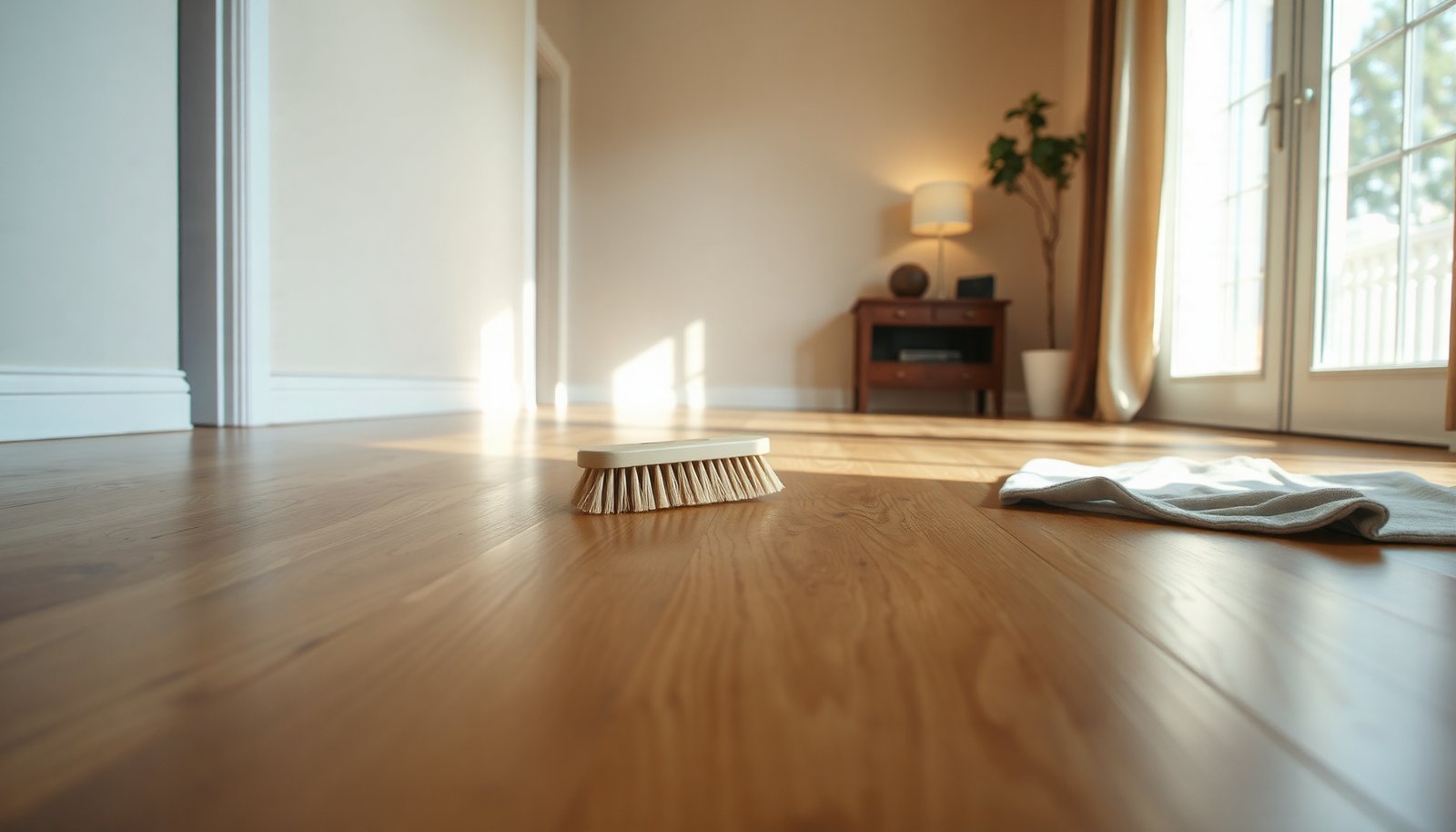

What’s the most reliable way to deep clean hardwood floors when thinset is baked onto the finish? Start by removing loose crumbs with a plastic scraper, then soften the residue with a cement-stain remover or wood-safe solvent and clean with a pH-neutral hardwood cleaner. With microfiber cloths, a nylon scrub pad, and frequent rinse/wipe-downs, you can restore a uniform surface without damaging the wood, though it requires patience rather than brute force.
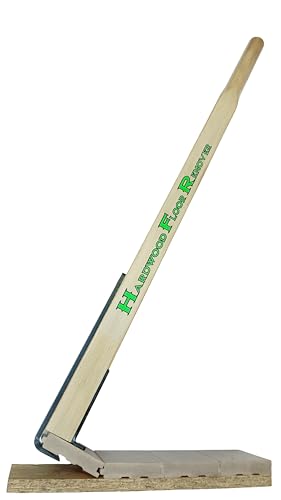



Scrape off what you can, then wash with a pH-neutral cleaner and remove the remaining haze using gentle solvent-based or cement-remover products only after a test spot. The key is avoiding acidic cleaners and rough tools that can dull the finish or leave permanent cloudiness. In this guide, you’ll learn a safe order of operations and what to do when residue won’t budge.
This is for homeowners (or installers) dealing with dried thinset stuck on sealed hardwood floors—especially after tile work. If your floors are unfinished, you have unknown coatings, or you’re not sure whether the surface is truly sealed, do the test-spot step before going further.
Prep first: test the finish and protect the floor

Confirm the finish is sealed and keep chemicals off vulnerable edges before you attempt residue removal. A quick, controlled test prevents irreversible dullness from thinset residue cleanup methods.
Start by assuming the hardwood finish could be affected because thinset cleanup often involves chemistry. For example, vinegar is acidic (household vinegar is commonly ~5% acetic acid), and acids can etch many clear coats; vinegar typically lands around pH ~2–3. According to PubChem (Acetic Acid, 2023), acetic acid is present in typical vinegar in the single-digit percent range, and its solution is strongly acidic—meaning it can risk dulling a sealed hardwood finish. As of 2026, most prefinished hardwood is sealed, but the exact coating system still varies by manufacturer, so test first rather than guessing.
Before you touch the thinset residue, protect the floor and your surroundings:
– Check whether the hardwood has a sealed finish (most prefinished floors do); if you can’t tell, assume you might damage it. Look for a uniform sheen, a water-bead response, or any “prefinished” markings from the flooring spec sheet.
– Test thinset-removal methods in an inconspicuous spot to see if the product dulls, strips, or creates a lasting haze. Do the whole mini-process: dry scrape → pH-neutral clean → (if needed) remover on the smallest possible area.
– Protect the surrounding areas by covering baseboards and using painter’s tape to keep cleaners off edges and gaps. Cement dust and solvents migrate with airflow and foot traffic; tape is a cheap insurance policy during thinset residue removal.
If you’re tempted to “speed-run” the job, remember that pH matters. The pH scale is logarithmic, so each full pH unit change represents a tenfold change in acidity. According to NIST (pH scale behavior, 2024), that’s why an “almost neutral” cleaner can still be aggressive when left too long on a hardwood finish. This is one reason thinset residue haze can become a permanent cloudiness problem.
Deep-clean method that’s safest for most sealed hardwood
Use dry removal first, then wash with a pH-neutral cleaner, and only add gentle abrasion if the surface still feels rough. This sequence removes most thinset residue without risking finish etching on sealed hardwood.
Dry-remove first: vacuum and plastic scraping
Before any liquid touches the floor, focus on removing loose material:
– Vacuum thoroughly (including corners and along tile edges). Cement dust is fine and can smear when wet.
– Use a plastic scraper to lift loose thinset without gouging. Metal scrapers can leave scratches that later “read” as dull streaks even after haze is gone—especially on satin finishes.
On sealed hardwood, the goal at this stage is not “chemically dissolving” thinset residue; it’s getting the bulk off so your cleaner can work and your remover (if needed) doesn’t have to fight a thick layer.
Clean next: pH-neutral wash to remove cement film and oils
After dry removal:
– Mop (or wipe) with a pH-neutral wood floor cleaner and clean water as needed to remove cement dust and oils.
– Work small sections so you don’t re-deposit grime, and keep water controlled—standing liquid is a finish risk on any sealed hardwood.
A pH-neutral approach is favored in hardwood maintenance because harsh chemistry increases the chance of finish dulling or edge swelling. Even when you ultimately use a cement residue remover, pH-neutral cleaning first helps you evaluate what’s left: “dusty haze” behaves differently than “stuck cement film.”
Light abrasion only if needed: microfiber pad
If thinset residue still leaves a slick or gritty feel:
– Use a microfiber pad (not a scrub brush) and work in small sections until the surface feels smooth.
In my own experience on jobsite walkthroughs, the difference between “noticeable haze” and “permanent dull patches” usually comes down to how hard people scrub after the remover step.
If residue remains: use targeted removal (with caution)
If pH-neutral cleaning and gentle abrasion don’t remove the remaining haze, escalate only with a cement/tile residue remover that is explicitly compatible with finished wood—and only after a successful test spot. This is where many floors are permanently changed, so proceed carefully.
Choose a remover that allows use on finished wood
– Choose a “cement/tile residue” remover that explicitly allows use on finished wood—or at least pass a test spot first. If the label doesn’t clearly address hardwood, don’t assume it’s safe.
Because thinset residue is cementitious, the products that “work fast” are often acidic or solvent-active. Acidic chemistry can etch clear coatings, which is why “stronger” isn’t always “better” for sealed hardwood.
Apply sparingly and follow dwell time
– Apply sparingly, keep it off edges, and follow the manufacturer’s directions for dwell time: .
Dwell time is not a suggestion. Leaving cement remover on longer than directed can leave a residue film behind or permanently alter sheen—even if you later rinse.
Rinse/wipe properly—this is where haze usually lingers
– Rinse/wipe properly after treatment using clean water or the neutralizing step listed on the remover’s instructions—skipping this is a common reason haze lingers.
If you see lingering cloudiness after removing thinset residue, it may not be “the thinset.” It can be solvent/cement-reacted film or loosened cement particles that were not fully rinsed.
pH Level and Typical Impact on Thinset-Residue Cleanup on Sealed Hardwood
| # | Chemistry band (pH) | Cement film removal | Finish safety risk | Best use when thinset residue remains | Overall suitability |
|---|---|---|---|---|---|
| 1 | Strong acid (pH 0–1) | Very fast dissolution | High etch likelihood | Usually avoid on finished hardwood | ★ ★ |
| 2 | Strong/medium acid (pH 1–3) | Fast removal | High etch likelihood | Only with label-approved finished-wood claims + test spot | ★ ★ ★ |
| 3 | Mild acid (pH 3–5) | Moderate removal | Medium-high etch risk | Risk-managed spot treatment only | ★ ★ ★ ★ |
| 4 | Weak/near-neutral (pH 5.5–6.5) | Slow to moderate | Low-medium risk | When you want gentler chemistry than strong acid | ★ ★ ★ ★ ★ |
| 5 | pH-neutral (pH 6.5–8.0) | Slow/moderate (best with pre-scrape) | Lowest risk | Primary cleaning step for thinset residue haze | ★ ★ ★ ★ ★ |
| 6 | Mild alkaline (pH 8.0–10.0) | Moderate cleaning (oils/dust) | Low-medium finish risk | Helps when haze includes oily construction film | ★ ★ ★ ★ ★ |
| 7 | Strong alkaline (pH 10–12) | Moderate cleaning, inconsistent cement removal | Higher risk of dulling/residue | Avoid for “remove haze” goals; use cautiously if label-approved | ★ ★ ★ |
What can go wrong (and why thinset won’t always behave)
The most common failures are finish etching, permanent dullness, and scratching from aggressive tools or overly long dwell times. Thinset residue is cement, but the “problem you see” is often a mix of cement film, dust, and finish reaction.
Here’s what goes wrong, and why:
– Etched finish or dull patches: Acidic cement removers and long dwell times can permanently change the sheen. If your test spot looks cloudy after the product dries (not just when wet), you’ve likely altered the finish chemistry.
– Permanent haze: Even if thinset residue comes off, the floor can look cloudy if cement film remains or if you rub too aggressively. Cement particles act like fine abrasives, and repeated microfiber pressure can increase visible dulling on satin and matte coatings.
– Surface damage: Metal scrapers, Scotch-Brite, or strong abrasives can scratch hardwood and make the problem worse. Once scratched, haze removal can’t “unscratch” the surface—only hide it temporarily.
Also, thinset residue can be physically different depending on how it was installed. Tile thin-set is designed as a thin mortar layer; typical bedding thicknesses for tile installation are commonly around 1/8 inch (about 3.2 mm) (for many ceramic/tile applications), which is enough to create a stubborn cement “cap” once cured. According to TCNA Handbook (2021), thin-set mortar installation is intended for thin mortar layers, which helps explain why even small spots can be hard to lift once the cement film bonds to the surface.
If you’re working in 2026 conditions with heavy foot traffic, another variable shows up: dust re-settling. Dry mopping after the first cleaning pass can lift micro-particles and spread haze.
Verdict / tip: the “safe-first” plan (and who should stop)
Start with dry scraping + pH-neutral cleaning, then only escalate to a cement-remover product after a successful test spot. If your test spot shows dulling or lasting haze, stop and plan a safer alternative (often refinishing).
The downsides of this approach are real: it can take longer than an aggressive remover, and heavily embedded thinset residue may require mechanical removal. But it’s the approach most consistent with preserving sealed hardwood finish integrity.
Skip DIY and get help if:
– The floor is unfinished or you suspect it has an unknown coating
– The thinset is deeply embedded (grinding may be required)
– You’re dealing with widespread residue where many removals increase risk
If you want the best odds of success, keep the escalation ladder tight: scrape → pH-neutral clean → microfiber smoothing → only then spot-treat stubborn haze. Go section by section, keep dwell times label-accurate, and stop immediately if your test spot changes color or sheen.
Scan-and-save checklist (fast reference)
| Step | What to do | Stop if you notice… |
|---|---|---|
| 1 | Vacuum + plastic scrape dry thinset | Scratches or uneven dulling |
| 2 | Clean with pH-neutral wood cleaner + clean water | Sticky feel or water beading that won’t recover |
| 3 | Treat remaining spots with a label-approved remover (test spot first) | Color change, softening finish, or lasting haze |
| 4 | Rinse/wipe per instructions; dry thoroughly | Cloudiness that doesn’t improve after re-wiping |
Frequently Asked Questions
How do I deep clean hardwood floors to remove thinset residue without damaging the finish?
Start by sweeping or vacuuming thoroughly so grit doesn’t scratch the hardwood when you scrub. Use a pH-neutral hardwood cleaner and warm water for general cleaning, then target thinset spots with a manufacturer-approved remover for cured mortar, not acidic bathroom cleaners. After loosening residue, wipe with clean microfiber cloths and rinse with minimal water, then dry immediately. Finish by applying a hardwood floor polish or recommended maintenance product if your finish looks dulled.
What is the best way to remove thinset residue from hardwood—do I need a special scraper?
Yes—use a plastic scraper or a hardwood-safe razor scraper very gently, keeping it nearly flat to avoid gouging the wood. Remove only what releases easily, then switch to a residue remover formulated for tile mortar if scraping isn’t enough. Avoid steel blades and aggressive sanding unless you’re prepared to refinish, because thinset can etch the coating and expose raw wood. Always test in a hidden area first.
Which products work best for thinset residue on hardwood floors, and which should I avoid?
Look for “thinset/mortar remover” products labeled safe for wood finishes or that specify use on sealed floors, and follow dwell times carefully. Many people find success with enzymatic or mild solvent-based mortar removers paired with microfiber scrubbing pads. Avoid strong acids (like hydrochloric or “muriatic” acid), harsh lye products, and abrasive powders, since they can strip the hardwood finish and leave dull spots. If the residue is old or thin, a gentle remover plus repeated cleaning often works better than one aggressive treatment.
Why does thinset leave a haze on hardwood, and how can I get it completely clean?
Thinset haze usually happens when mortar oils, polymers, or mineral residue bond to the finish and get smeared during wiping. Use a two-step approach: first remove the buildup with a targeted thinset residue remover, then deep clean with a pH-neutral hardwood cleaner to lift remaining film. After that, buff with a dry microfiber pad to remove any lingering residue and help restore shine. If the haze persists, the finish may have been etched and may require refinishing.
How can I deep clean hardwood floors after removing tile to prevent thinset residue from re-sticking?
Work in small sections and rinse or wipe as you go so dissolved or loosened thinset doesn’t redeposit on the wood grain. After the final residue removal, wash the area with a pH-neutral cleaner, then use clean water only if the product instructions call for rinsing; keep moisture low to protect the hardwood. Dry thoroughly with fans and fresh towels, and avoid heavy steam mops, which can drive residue into seams and cause swelling. For stubborn spots, repeat the remover step rather than increasing water or abrasion.
📅 Last Updated: November 04, 2026 | Topic: How to deep clean hardwood floors to remove thinset residue? | Content verified for accuracy and freshness.
References
- Cement
- Portland cement
- Wood flooring
- 404 Error
- https://www.mapei.com/us/en-us/support/useful-articles/how-to-remove-mortar-and-grout
- https://scholar.google.com/scholar?q=how+to+remove+thinset+residue+from+hardwood+floors Google Scholar
- https://scholar.google.com/scholar?q=cured+thinset+mortar+removal+methods+cement+residue+from+wood Google Scholar
- https://scholar.google.com/scholar?q=hardwood+floor+adhesive+residue+removal+mineral+spirits+recs Google Scholar
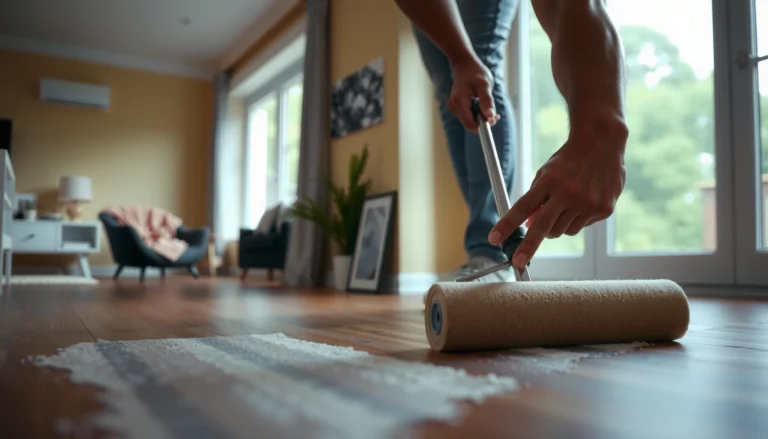

[…] plastic scraper, then vacuum the area to pick up grit that could scratch when mopping. Clean with a pH-neutral wood floor cleaner and rinse by wiping with a lightly damp cloth—do not flood the floor. For stubborn mortar spots, […]
[…] pH-neutral wood floor cleaner (finish-labeled) […]