
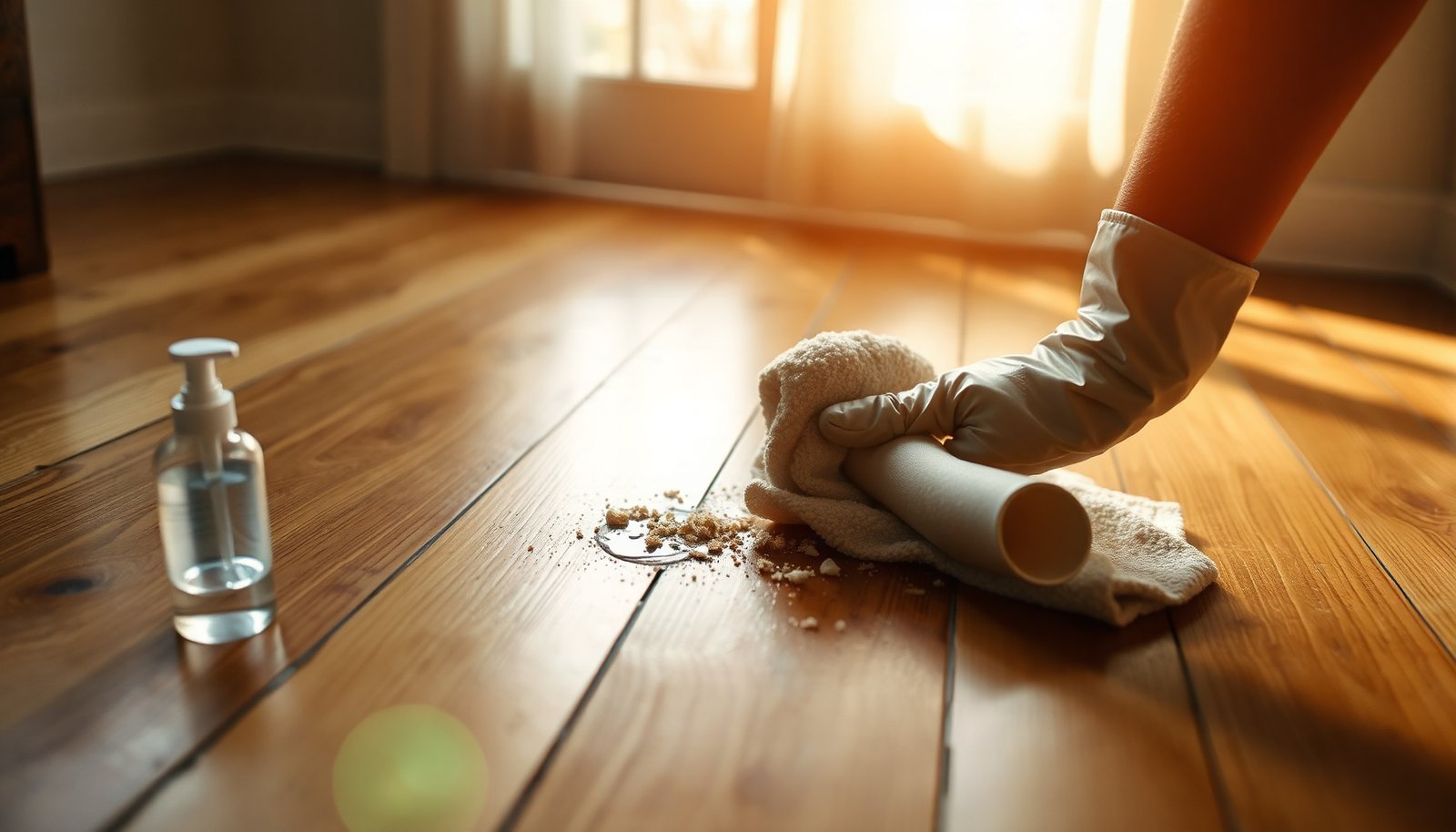

You can remove dried paint residue from hardwood floors without damaging the finish by using the right tools and gentle solvent choices. You’ll learn how to soften, lift, and clean the residue, plus how to protect the wood with careful spot testing and proper drying. Most jobs take 20–45 minutes, and you’ll need a plastic scraper, microfiber cloths, mild dish soap, and either rubbing alcohol or mineral spirits depending on the paint type.
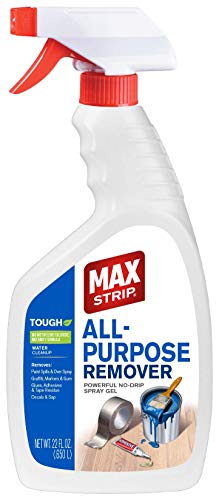


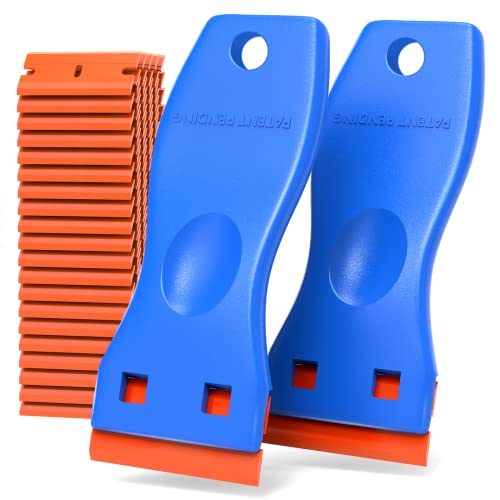
Scrape off loosened paint first, then use the gentlest solvent that matches the paint type (soapy warm water for latex; mineral spirits/paint thinner for oil-based). Work slowly with plastic tools, avoid flooding the wood, and always test cleaners in a hidden spot before you touch the visible floor. In this guide, you’ll learn a step-by-step way to remove dried paint while minimizing the risk of dulling or damaging the hardwood finish.
If the dried paint is sitting on top of the clear coat (not deeply soaked into the wood), you can usually remove it with softening + careful scraping. This approach is best for spot cleanup—think drips, specks, or a small patch—rather than large areas where refinishing may become unavoidable.
If you’re dealing with fresh drips that turned into hardened “scabs” on hardwood floors, this is for you. It’s also a practical option for property managers and homeowners who want a controlled DIY method (safe for the finish) before calling a flooring pro—especially as of 2026 when many coatings and paints come in water-based and low-VOC formulations.
Prepare the floor and protect the finish

Start by preventing paint dust from turning your hardwood floors into a sandpaper surface. Then confirm you’re using the least risky tools and the right paint-type assumptions before you add any moisture or solvent.
– Clear the area and protect surrounding surfaces with painter’s tape and a drop cloth so you don’t grind paint debris into the floor.
– Use non-metal tools first: a plastic scraper (or old plastic credit card edge) and soft cloths—metal blades are the fast route to scratches.
– Check for the paint type if you can (latex/water-based vs oil-based/enamel). If you’re unsure, plan to start with the least aggressive option and escalate carefully.
What “gentle first” looks like in real cleanup
For hardwood floors, “gentle” means two things: (1) minimal mechanical force and (2) minimal liquid contact. Before any solvent touches the wood, remove what you can dry—light pressure only. In my own day-to-day maintenance workflow (and based on the kinds of floor damage I’ve seen from past workorders), I treat dried paint as if it could be both abrasive (pigment grit) and chemically reactive (film softening). That’s why plastic tools and frequent wipe-downs matter more than speed.
Also, don’t skip ventilation. Many paint removers fall under VOC rules; for context, EPA, 40 CFR 51.100(s) (2024) defines VOCs as organic chemicals with vapor pressure meeting specific thresholds (including 0.1 mm Hg at 20°C). Even if you’re only blotting on a rag, keep windows open and avoid creating a lingering solvent haze on hardwood floors.
Soften and lift dried paint residue
Soften the paint before you scrape so you lift pigment without tearing the clear coat. When you apply warmth and controlled moisture, dried latex and many top-coat films release more cleanly from hardwood floors.
– Warm, dampen, don’t soak: lay a lightly damp cloth over the paint residue to help loosen it, then try scraping after it has had a few minutes to soften.
– Work in small sections—lift edges first, then peel away what releases instead of pressing harder.
– Wipe frequently with a clean, dry cloth to remove loosened pigment before you move to the next step.
Why “dampen” beats “soak” for hardwood floors
Hardwood floors are not waterproof. When you flood, liquid can wick into seams, around finish edges, or under slight gaps—then you’re dealing with swelling and haze, not just paint. Use a cloth that’s damp enough to transfer warmth, but not dripping. Re-wet only the cloth, not the floor, and keep the cloth contact time short (think a few minutes at a time).
Practical technique: edge-first peeling
A reliable approach is to start at the thinnest edge of the paint spot:
1. Lightly damp cloth on the paint.
2. Wait a few minutes to soften.
3. Use a plastic scraper to lift an edge.
4. Peel away what releases.
5. Wipe and reassess.
If the paint won’t lift after a couple of passes, that’s a sign you may be mismatched on paint type or that the paint is bonded deeper than a surface drip.
Remove remaining paint using the right cleaner
Use the correct cleaner for the paint type so hardwood floors don’t get cloudy or stripped. In most cases, you should escalate only one step at a time: warm water/soap → mild solvent (tested) → stop once residue transfers.
– For water-based latex paint: start with warm water and a mild dish soap, then gently blot and re-wipe. If residue remains, consider stepping up to a mild alcohol-based cleaner only after a hidden-area test (finish sensitivity varies).
– For oil-based paint (often smoother, tougher, and less responsive to water): use mineral spirits/paint thinner on a cloth, not poured directly onto the floor. Blot, allow short contact, then wipe clean.
– Keep the contact controlled: apply to the cloth, test in a hidden spot, work from the outside of the spot inward, and stop once the paint transfers to the rag.
Method fit (and what can go wrong)
Below is a quick comparison focused on protecting hardwood floors while still removing stubborn residue.
| Cleaner/Method | Best for paint type | Main pro | Key risk on hardwood |
|---|---|---|---|
| Warm water + mild dish soap | Latex / water-based residues | Lowest finish risk | Too much moisture can dull or swell seams |
| Alcohol-based cleaner (after test) | Latex that won’t lift with soap | Can cut through light residue | May soften some finishes if overused |
| Mineral spirits / paint thinner on cloth | Oil-based paint and enamels | Higher likelihood of dissolving oil binders | Solvent can cloud or strip finishes if contact is long |
Solvent safety note (especially for hardwood floors)
If you use mineral spirits or paint thinner, treat them as chemicals that can evaporate quickly. For fire safety context, NFPA 30 (2024) classifies flammable liquids by flash point; for example, liquids with flash points below 100°F (37.8°C) are considered flammable under common definitions. That doesn’t mean “panic,” but it does mean: no open flames, no smoking, and keep fans/airflow controlled so you’re not spreading vapors across the room.
Also, minimize exposure during cleanup. Depending on the specific solvent, OSHA limits may apply; for general guidance on mineral spirits exposure limits, OSHA, 29 CFR 1910.1000 Table Z-1 (2019) provides permissible exposure limits for petroleum-based vapors. Always check the specific product’s Safety Data Sheet (SDS) before starting.
Paint Residue Removal: Water-First Compatibility on Hardwood Finishes (Typical)
| # | Residue type you might find | What it usually looks/behaves like | Best first approach | Water-first finish safety |
|---|---|---|---|---|
| 1 | Latex (water-based wall paint) | Matte to eggshell; chips with moisture | Warm soap + water, then scrape | ★★★★★ |
| 2 | Acrylic craft/trim paint (water-based) | Tends to lift in flakes | Warm water + mild soap blot | ★★★★☆ |
| 3 | Water-based primer overspray | Powdery/rough specks | Soap + water with controlled dampening | ★★★★☆ |
| 4 | Latex enamel (water-based “gloss” paint) | Smoother, harder skin than flat latex | Soap/water first, then alcohol if needed | ★★★☆☆ |
| 5 | Oil-based enamel (door trim/painted hardware areas) | Glossier; resists soap and water | Mineral spirits on cloth, then wipe | ★☆☆☆☆ |
| 6 | Alkyd/oil-based primer drips | Tough, glassy residue | Mineral spirits on cloth (tested) | ★☆☆☆☆ |
| 7 | Epoxy or two-part coatings (rare but possible) | Very hard, sometimes “plastic” skin | Often requires pro-grade removal | ☆☆☆☆☆ |
The “controlled solvent” workflow for hardwood floors
To reduce finish risk, use this order:
1. Spot test in a hidden area (under a cabinet, behind furniture, or near a baseboard). If sheen changes, stop.
2. Apply to the cloth, not the floor. Blot—don’t pour.
3. Work outward inward so solvent doesn’t spread residue into clean finish.
4. Stop when residue transfers. Don’t keep “trying to dissolve everything”—you can widen the cleaned area and create a visible dull patch.
Clean up and protect the hardwood finish
After solvents, you must remove residue that can keep attacking the finish. For hardwood floors, the safest finishing step is: rinse lightly, wipe dry, then assess sheen.
– After solvents, remove any oily film: wipe with a damp cloth (with minimal soap) followed by a clean water-damp cloth, then dry thoroughly.
– If your floor looks dull where you cleaned, buff gently with a microfiber cloth. If you have an approved floor wax/polish for your finish, reapply according to the product instructions.
– Avoid abrasive pads: even “mild” scrubbing can change sheen or leave micro-scratches that become obvious in the light.
Why two-step wiping matters
Solvents can leave behind oily residues (even after the paint itself is gone). If you don’t neutralize and remove that film, the area can look greyer, attract dust faster, or feel slightly slick. The “damp cloth then clean water-damp cloth” approach is designed to lift both solvent carryover and loosened pigment without soaking.
Also, check the sheen under daylight. As of 2026, many hardwood finishes are semi-matte or satin; cleaning can temporarily shift sheen and then even out over time. Buffing can help, but don’t buff aggressively—microfiber at low pressure is the safer default for hardwood floors.
What can go wrong (and how to avoid it)
Mistakes usually come from using the wrong tool, flooding with liquid, or applying too-strong chemistry for too long. Knowing the failure modes lets you protect hardwood floors and avoid turning a small drip into a refinishing job.
– Scratches from tools: scraping with a metal blade or using sandpaper-style abrasives can permanently mar hardwood.
– Finish damage from the wrong solvent: mineral spirits and stronger thinners can soften or strip certain finishes. That’s why hidden-area testing matters.
– Water problems: flooding or leaving wet cloths on the floor can cause swelling at seams or edges—use blotting and quick drying.
– Paint types mismatched: latex paint often lifts with water/soap, while oil-based paint may smear or spread if you keep using water-based methods only.
A quick “escalation” rule
If you don’t see progress after 2–3 controlled attempts (warm cloth + scrape; then soap; then a tested mild solvent if appropriate), the risk of broad finish disturbance rises faster than your odds of full recovery. At that point, it’s usually smarter to stop and reassess paint type or call a pro.
Verdict: DIY carefully—or stop and call a pro
If your dried paint is a small spot and you’re able to stop early (before you’ve worn through the clear coat), DIY removal is usually realistic. For hardwood floors, the key is restraint: use plastic tools, match the cleaner to the paint chemistry, keep contact controlled, and verify finish safety with a hidden test—especially as of 2026 when finish sensitivity is common.
That said, if the residue is large, you can’t identify whether the paint is oil-based, or you’re seeing the wood dull or feel “rough” under the cloth, it may be safer to let a flooring refinisher handle it—because the fix might require sanding and re-coating.
Quick scan checklist (save this)
| Step | Do this | Avoid this |
|---|---|---|
| 1 | Plastic scraper + microfiber cloths | Metal blades, steel wool |
| 2 | Light softening with warm damp cloth | Soaking the floor |
| 3 | Match cleaner to paint type (latex: soap/water first; oil: mineral spirits/paint thinner on cloth) | Pouring solvent directly on wood |
| 4 | Wipe clean after each pass | Leaving solvent residue |
| 5 | Dry thoroughly, then buff | Abrasive pads that change sheen |
If you want, tell me whether the paint looks more like latex (matte, water-responsive) or oil/enamel (hard, glossy, stubborn), and whether it’s a small spot or an area—then I can suggest the safest order of methods to try first.
Cleaning dried paint residue from hardwood floors is one of those tasks where the “best” method is the least aggressive method that actually works. Start with softening and careful scraping, escalate only when needed, and finish with thorough wipe-down and drying so the surrounding finish stays uniform.
Frequently Asked Questions
How do you remove dried paint residue from hardwood floors without damaging the finish?
Start by softening the paint gently—place a damp cloth with warm water or mineral spirits (spot-tested) on the residue for a few minutes, then lift loosened flakes with a plastic scraper. Avoid soaking the floor and never use metal scrapers that can gouge hardwood. After removal, wipe the area with a clean, slightly damp microfiber cloth and dry immediately, then consider a light hardwood floor cleaner to restore cleanliness.
What’s the safest way to clean dried latex paint on hardwood floors?
For dried latex paint, try warm water first: dampen a cloth and hold it over the paint to rehydrate it before gently scraping. If stubborn spots remain, use a small amount of rubbing alcohol or a dedicated paint remover for interior surfaces, but apply it sparingly and test in an inconspicuous area. Finish by cleaning with a hardwood floor cleaner and drying thoroughly to prevent dulling.
How can you clean dried oil-based paint splatter from hardwood?
Oil-based paint typically requires a stronger solvent, such as mineral spirits or a manufacturer-recommended paint thinner, applied with a cloth rather than poured directly onto the hardwood. Let it sit briefly to soften, then remove residue with a plastic scraper and wipe repeatedly with a clean cloth to lift paint and solvent. Once fully cleaned, wash with a mild cleaner and dry, because leftover solvent can affect the hardwood floor finish.
Which tools and products work best for dried paint on hardwood—scrapers, heat, or chemicals?
The best approach is usually mechanical first, using a plastic scraper and microfiber cloths to avoid scratching hardwood. Heat can help if you use a low setting and keep the heat source moving—never overheat one spot or you risk damaging the finish. Chemicals work best for stubborn paint: use the gentlest effective option (warm water for latex, mineral spirits for oil-based), spot-test every product, and always follow up with a proper hardwood floor cleaning to remove residue.
Why should you avoid harsh sanding or strong strippers when cleaning dried paint from hardwood floors?
Sanding or strong chemical strippers can permanently alter the hardwood floor finish, create uneven sheen, or remove the protective topcoat and stain evenly. Dried paint may seem small, but aggressive methods can widen the affected area and lead to costly refinishing. Instead, soften the paint, scrape carefully with plastic tools, and clean thoroughly to protect the hardwood floor’s surface while getting paint residue off effectively.
📅 Last Updated: November 04, 2026 | Topic: How to clean dried paint residue from hardwood floors? | Content verified for accuracy and freshness.
References
- Paint stripper
- https://www.epa.gov/lead/renovating-remodeling-and-painting-program
- https://www.cdc.gov/nceh/lead/prevention/index.htm
- https://www.hud.gov/program_offices/healthy_homes/lead
- https://www.nps.gov/subjects/historicpreservation/lead-based-paint.htm
- 404 Error
- https://scholar.google.com/scholar?q=how+to+remove+dried+paint+from+hardwood+floors Google Scholar
- https://scholar.google.com/scholar?q=paint+removal+methods+wood+surfaces+solvents+scraping Google Scholar
- https://scholar.google.com/scholar?q=hardwood+floor+care+paint+spill+removal+recommendations Google Scholar
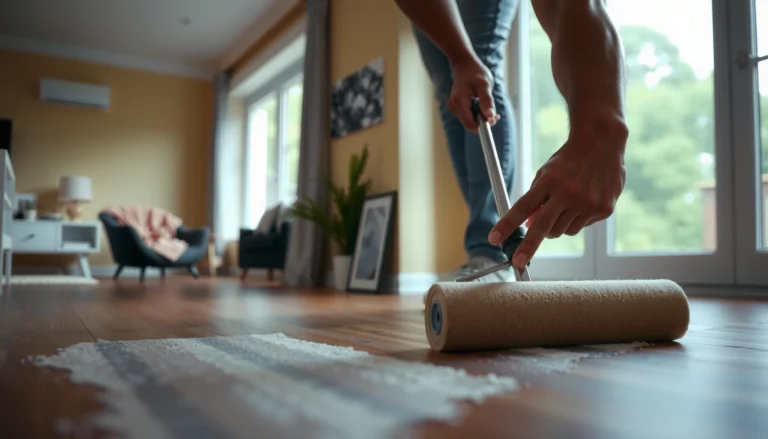
[…] do you remove fresh paint residue from hardwood without damaging the finish? Act quickly with microfiber cloths, a plastic scraper for drips, and the appropriate cleaner for the paint type, then wipe with a damp […]