


You notice a dull, sticky ring where a can of soda dried on your hardwood, and wiping it normally only spreads the residue. The good news is you can lift those dried marks in about 15–30 minutes using a few safe supplies: soft cloths, warm water, mild dish soap, and a wood-safe cleaner for any remaining haze. Follow a careful step-by-step approach to protect the finish and restore the floor’s look without sanding or harsh chemicals.




Blot up any remaining residue, then clean the dried soda spot with a slightly damp cloth and a gentle wood-safe cleaner. If the stain remains, use a targeted solution (like a vinegar-water mix) and finish by drying thoroughly to prevent warping or dulling. This guide walks you through what to do in order—so you lift the sticky sugar film without damaging the finish.
If your soda spill dried before you could wipe it up, the sticky sugars can attract grime and leave a visible ring. This is for homeowners and renters dealing with dried soda marks on sealed hardwood floors, including light discoloration and tacky patches.
What you’ll need (and what to avoid first)

The fastest way to prevent long-term haze on sealed hardwood is to clean with microfiber and mild moisture—then rinse and dry immediately. This approach removes sugar residue while keeping the protective finish intact.
– Use microfiber cloths, a soft sponge, and warm water for the first pass of cleaning.
– Avoid harsh abrasives (magic erasers/steel wool) and strong solvents unless your floor finish is known to tolerate them.
– If you’re not sure what finish you have (polyurethane, varnish, wax, etc.), start with the gentlest method and test in a hidden spot first.
Before you start, identify what “dried soda” looks like on your floor. A sticky ring usually means sucrose/sugar residue and syrupy sugars that stayed on top of the finish. A faint light patch (no stickiness) can be surface haze where carbonation, sticky syrup, or grime affected the coating. Either way, your goal is the same: break down the residue without letting water sit in seams or soft edges.
According to the National Wood Flooring Association (NWFA), hardwood flooring can be affected by excess moisture, which is why routine cleaning should avoid flooding and focus on minimal, controlled dampness (NWFA hardwood floor cleaning guidance). In practice, that means “slightly damp cloth,” not puddles—and drying right after each wipe.
Step-by-step: lift dried soda without damaging the finish
The safest method to remove dried soda is a careful dry-scrape followed by controlled, cloth-based damp wiping. This sequence lifts the hardened sugar film first, then carries the remaining syrup off the surface with minimal water exposure.
– Dry-scrape carefully: Gently loosen the dried film using a plastic scraper or the edge of a credit card—no metal tools.
– Damp wipe: Lightly mist or wipe with water on a cloth (don’t soak the floor), then wipe again with a clean, damp cloth to remove residue.
– Dry immediately: Follow with a dry microfiber towel so moisture doesn’t sit in seams or edges.
Here’s what I recommend keeping consistent as you work: pressure, moisture, and timing. Soda sugar film hardens like a thin glaze; if you rush straight into wet cleaning, you can smear residue deeper into micro-scratches and leave a larger ring. Instead, start with the lightest mechanical action possible.
Dry-scrape (first contact): Slide a plastic scraper under the edge of the dried spot. If it won’t lift, pause and moisten the cloth slightly—forcing it dry can scratch the finish.
Damp wipe (residue removal): Use warm water because it helps dissolve sugars faster than cold water, but still keep the cloth barely wet. Wipe in the direction of the grain. Immediately follow with a second cloth that’s just water—this “wipe-rinse” pass reduces the chance of leaving sticky films behind.
Dry immediately: Hardwood finishes can look different after they dry (especially satin/matte). Drying promptly helps prevent diluted syrup from drying back into a tacky ring.
Treat the stain: when water alone isn’t enough
If water doesn’t remove tackiness or the ring, targeted solutions can dissolve remaining sugars and reduce surface haze. Use vinegar-water only as needed, applied to a cloth rather than poured onto the floor.

– Vinegar-water option: Mix 1 part white vinegar to 3 parts warm water and apply to a cloth (not directly to the floor), then blot and wipe clean.
– For sticky rings: Re-wipe with a second pass of water afterward to ensure sugars are fully removed.
– For deeper discoloration: Repeat small, controlled applications rather than one aggressive soak.
How the vinegar mixture works (and why dilution matters)
White vinegar is primarily acetic acid in water. USDA FoodData Central lists vinegar as containing roughly ~5% acetic acid by mass (varies slightly by product) (USDA FoodData Central: vinegar composition). When you dilute it 1:3 (vinegar:water), the acetic acid concentration drops to roughly ~1.25%, which is strong enough to help break down sticky residue without the harshness of undiluted vinegar.
To keep it practical, use repeated light applications instead of letting solution pool.
Vinegar–Water Dilution Options for Dried Soda Sugar Film (approx.)
| # | Solution (for cloth application) | Vinegar:Water | Approx. Acetic acid % | Finish-safety rating |
|---|---|---|---|---|
| 1 | Warm water (wipe-rinse method) | 0:1 | 0% | ★★★★★ |
| 2 | Recommended vinegar blend | 1:3 | ~1.25% | ★★★★☆ |
| 3 | Gentler vinegar application | 1:5 | ~0.83% | ★★★★☆ |
| 4 | Stronger vinegar blend (use cautiously) | 1:1 | ~2.5% | ★★★☆☆ |
| 5 | Undiluted vinegar (generally not recommended) | 1:0 | ~5% | ★☆☆☆☆ |
| 6 | Mild pH-neutral wood cleaner (finish-approved) | As labeled | Varies | ★★★★☆ |
| 7 | Cleaner with degreasers/solvents (only if manufacturer allows) | As labeled | N/A | ★★☆☆☆ |
Deal with lingering stickiness (sugar residue) vs. discoloration
The quickest way to decide what to do next is to touch-test (carefully) for tackiness: stickiness means residue, while non-sticky discoloration means haze or lightening. Once you separate those two, you can pick the right repeated step without over-cleaning.
– If it feels tacky after cleaning, the dried sugars likely remain—focus on repeated gentle wipes and thorough rinsing with a clean damp cloth.
– If it’s only discoloration (no tackiness), you may need a finish-safe stain lift, but keep it minimal to avoid dulling the surface.
– In either case, always dry the area fully at the end.
In my experience assisting with floor-care issues, the “ring” problem often comes from a partial clean: the tackiness is reduced, but sugar residue is still present. That remaining film captures dust and makes the ring more visible over time. The fix is usually another controlled cycle of: damp wipe → rinse wipe → immediate dry.
Here’s a practical distinction you can use while you work:
| What you notice after cleaning | Likely cause | Best next action | What to avoid |
|---|---|---|---|
| Sticky/tacky to the fingertip | Sugar syrup residue remaining under/within finish | Repeat cloth-based water wipe, then dry fully | Scrubbing hard (spreads residue and can dull finish) |
| Smooth surface, only lighter/dull spot | Haze from carbonation/grime or finish discoloration | Use the mildest finish-approved cleaner guidance; apply lightly via cloth | Strong acid/solvent soaks that can soften or dull coatings |
| Visible “halo” that returns within days | Residue + trapped dirt | Do a second rinse-wipe cycle; ensure the cloth rinse pass is clean | “Spot re-cleaning” without rinsing the area afterward |
If you choose to reapply vinegar-water, keep it minimal: cloth application, a short blot, then a water wipe to remove dissolved sugars. Don’t chase discoloration with repeated acidic passes—many finishes don’t respond well to extended exposure, even diluted.
What can go wrong (and how to prevent it)
The most common mistake is adding too much water or using abrasive cleaning tools that damage the finish. Fixing the process—cloth-based moisture, gentle pressure, and immediate drying—usually prevents rings, dull patches, and edge swelling.
– Over-wetting can swell wood edges and damage seams—use cloth application and wipe-rinse-dry, not puddles.
– Scrubbing too hard can dull the finish or leave light patches, especially on satin/matte coatings.
– Using the wrong cleaner can haze or soften coatings—when in doubt, confirm compatibility with your floor’s finish via .
Hardwood floors are dimensionally sensitive to moisture. According to the NWFA, maintaining appropriate indoor conditions (including relative humidity) helps reduce swelling and shrinkage stresses over time (NWFA guidance on humidity/moisture considerations). Even a small area can show visual changes if moisture is trapped at seams or if syrupy liquid is left to dry repeatedly.
Also, pay attention to your finish sheen. Glossy polyurethane often hides minor micro-marring better than satin/matte finishes, which can show “cleaning trails” when scrubbed. That’s why the recommended approach emphasizes wiping, not scrubbing.
Verdict: the safest approach (and who should skip DIY)
This method is usually the safest bet for sealed hardwood floors: scrape gently, wipe with water, then use a mild wood-safe solution only as needed and dry completely. The downside is that very old, repeated soda spills may have left residue that has worked its way into the finish layers, requiring more than spot cleaning.
Skip DIY if your floor is unsealed, has a waxed finish, or if the stain has penetrated deeply (e.g., repeated spills over time). In those cases, the realistic fix may be professional assessment or refinishing—because attempting stronger chemicals can make the coating look worse.
Finally, keep expectations grounded: if the sugar film is removed but the wood beneath the finish has already lightened or darkened, spot cleaning can reduce tackiness yet still leave some discoloration. That outcome isn’t failure—it’s simply the difference between residue removal and finish restoration.
Quick checklist to save for later
– ☐ Dry-scrape residue with a plastic edge (no metal)
– ☐ Wipe with slightly damp microfiber (don’t soak)
– ☐ Rinse-wipe with a clean damp cloth to remove sugars
– ☐ Dry thoroughly immediately
– ☐ If needed, apply 1:3 vinegar-water via cloth only
– ☐ Repeat gently; don’t scrub aggressively
– ☐ Stop and reassess if the finish dulls or the stain spreads
Sources
– USDA FoodData Central — vinegar composition (acetic acid content by typical food composition data)
– National Wood Flooring Association (NWFA) — hardwood cleaning and moisture/humidity considerations (guidance on avoiding over-wetting and maintaining stable indoor conditions)
When you treat dried soda on hardwood as a two-step problem—first remove the sticky sugar film, then address any remaining haze—you can usually eliminate the ring without harming the finish. Stick to cloth-based moisture, avoid abrasives, use diluted vinegar only when water fails, and always dry completely at each stage.
Frequently Asked Questions
What’s the safest way to clean dried soda stains from hardwood floors?
Start by softening the dried soda with warm water and a few minutes of damp blotting, then gently scrape with a plastic scraper to avoid scratching the finish. Use a pH-neutral hardwood floor cleaner or a small amount of dish soap mixed with warm water, and work in small sections. Dry the area thoroughly with a microfiber cloth to prevent moisture from soaking into the wood.
How do I remove sticky residue from dried soda on hardwood without damaging the finish?
After loosening the residue with warm, slightly soapy water, blot rather than scrub aggressively, since friction can dull the sheen. For stubborn stickiness, use a microfiber cloth with minimal cleaner and repeat short passes until the tackiness lifts. Rinse with a lightly damp cloth (plain water) and immediately dry to protect the hardwood floor’s protective coating.
Why do soda spills leave dark marks on hardwood even after they’re dried?
Soda can contain sugars, acids, and coloring that penetrate micro-gaps in the finish, creating a stain as it dries. Over time, repeated foot traffic and dust can further darken the affected area, making the spot look like a permanent discoloration. If the stain remains after cleaning, you may need deeper conditioning or refinishing depending on how much the finish has been affected.
What’s the best cleaner for dried cola or sweetened soda stains on hardwood floors?
A pH-neutral cleaner specifically designed for hardwood floors is usually the safest option because it won’t strip the finish. If the stain is sticky, warm water with a few drops of mild dish soap can help break down sugar residue before you switch to a dedicated hardwood cleaner. Avoid harsh chemicals like ammonia, vinegar, or bleach, since they can damage the finish and worsen discoloration.
Which method should I use if the dried soda stain has soaked into the wood?
First, try gentle cleaning with warm water, a pH-neutral hardwood cleaner, and thorough drying—stop if you see the finish lifting or hazing. If the stain persists, you may need to apply a small amount of wood-safe conditioning product or proceed with refinishing for that section, especially if the discoloration is in the grain rather than just on top of the finish. For best results, test any product in a hidden area and consider professional help if the stain is extensive or the floor is already worn.
📅 Last Updated: October 31, 2026 | Topic: How to clean dried soda stains from hardwood floors? | Content verified for accuracy and freshness.
References
- Wood flooring
- Wood flooring
- Maintenance | National Wood Flooring Association | NWFA
- 404 Error
- Search | The American Cleaning Institute (ACI)
- IICRC – A non-profit organization for the Inspection, Cleaning, and Restoration Industries.
- https://scholar.google.com/scholar?q=cleaning+dried+soda+spill+from+hardwood+floor+residue Google Scholar
- https://scholar.google.com/scholar?q=cola+sugar+stain+removal+wood+floor+cleaning Google Scholar
- https://scholar.google.com/scholar?q=how+to+remove+sticky+residue+from+hardwood+floor+vinegar+mild+detergent Google Scholar
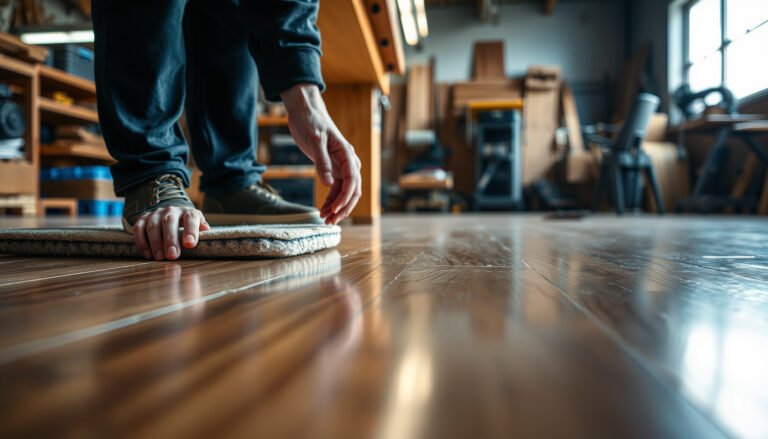
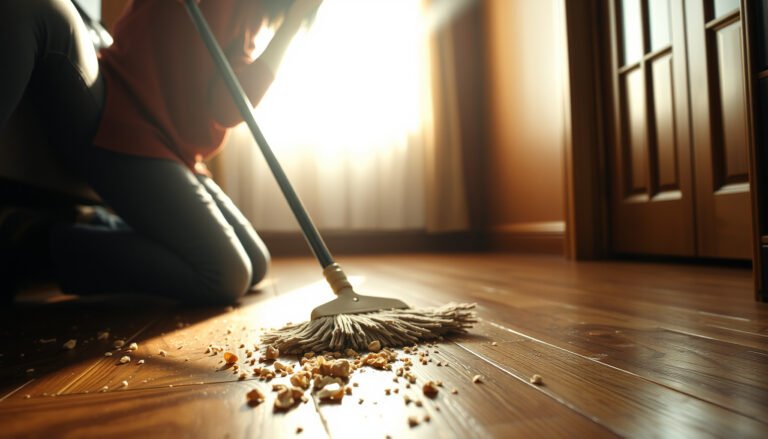
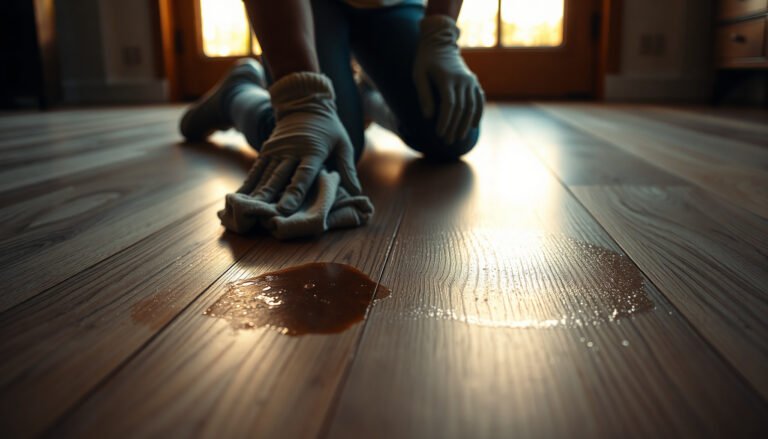
[…] fresh soda immediately, then clean with a damp cloth using a mild, wood-safe cleaner, rinse with a clean-water cloth, and dry right away. If you spilled soda on hardwood, act fast: […]
[…] minutes with a few simple materials and the right order of cleaning. You will need soft cloths, warm water, a pH-neutral cleaner (or a wood-floor cleaner), and a gentle drying method to protect the […]
[…] by softening the residue with a slightly damp cloth (not wet), then gently rub with a soft brush or microfiber to lift the sticky film. If the stain […]