
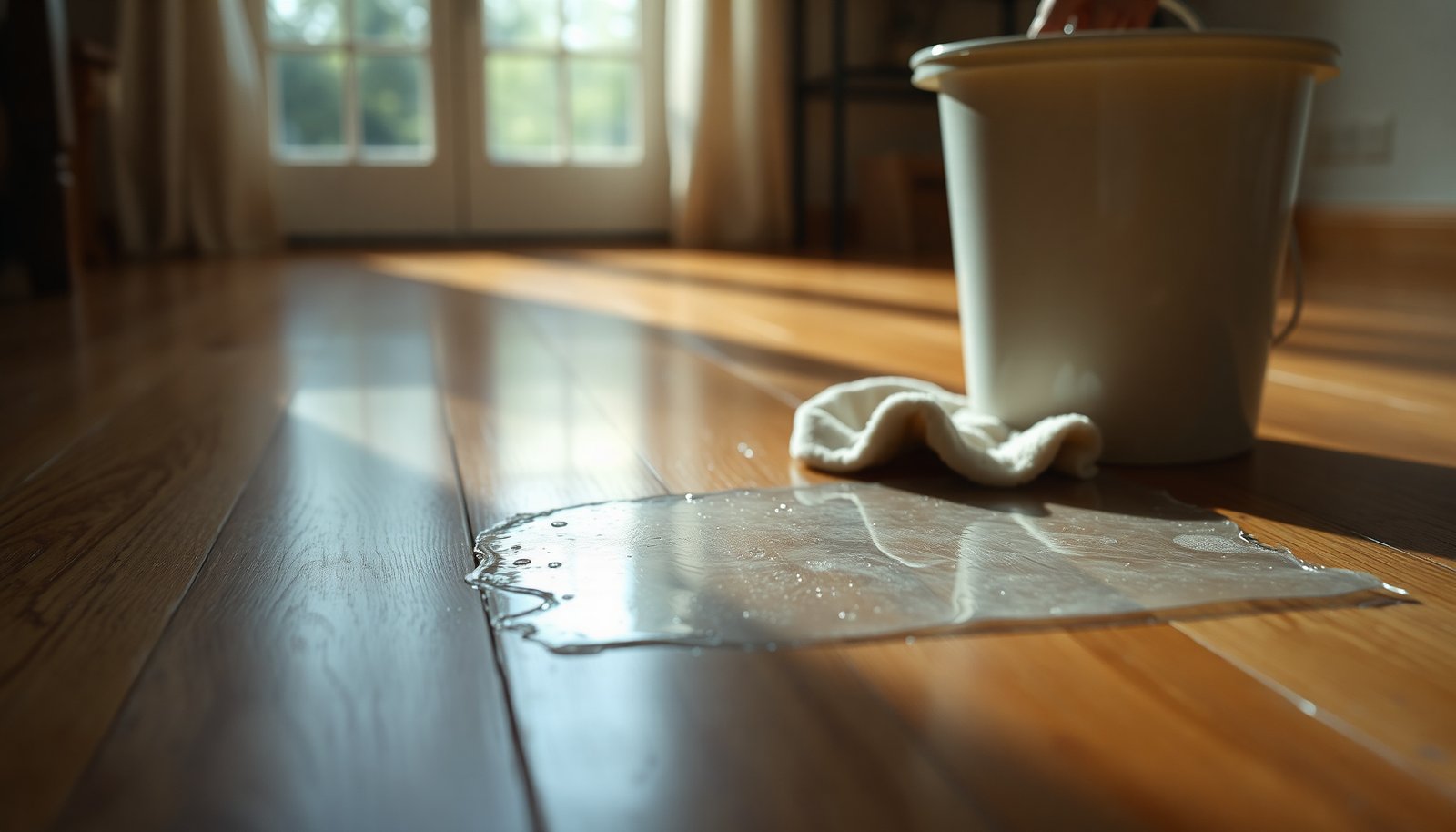

Scrubbing stubborn, cloudy polish buildup out of hardwood can feel endless, especially when it seems to smear instead of lift. With the right approach—gentle solvent testing, careful spot cleaning, and a final neutral rinse—you can restore the floor’s natural finish without damaging the wood. You’ll need a few supplies such as microfiber pads, pH-neutral cleaner, mineral spirits or manufacturer-recommended remover, and clean water, and it typically takes about an hour to tackle a small room.




If your hardwood floor feels tacky, looks hazy, or has a sticky “film” after old polish, the quickest fix is to deep-clean it with a pH-neutral hardwood cleaner first, then use a residue remover/degreaser method that matches your floor finish (and always test in a hidden spot). You’ll learn how to identify what kind of buildup you’re dealing with, which cleaners are safer, and how to rinse/dry so the floor doesn’t stay cloudy or sticky.
Identify the polish residue and your hardwood finish
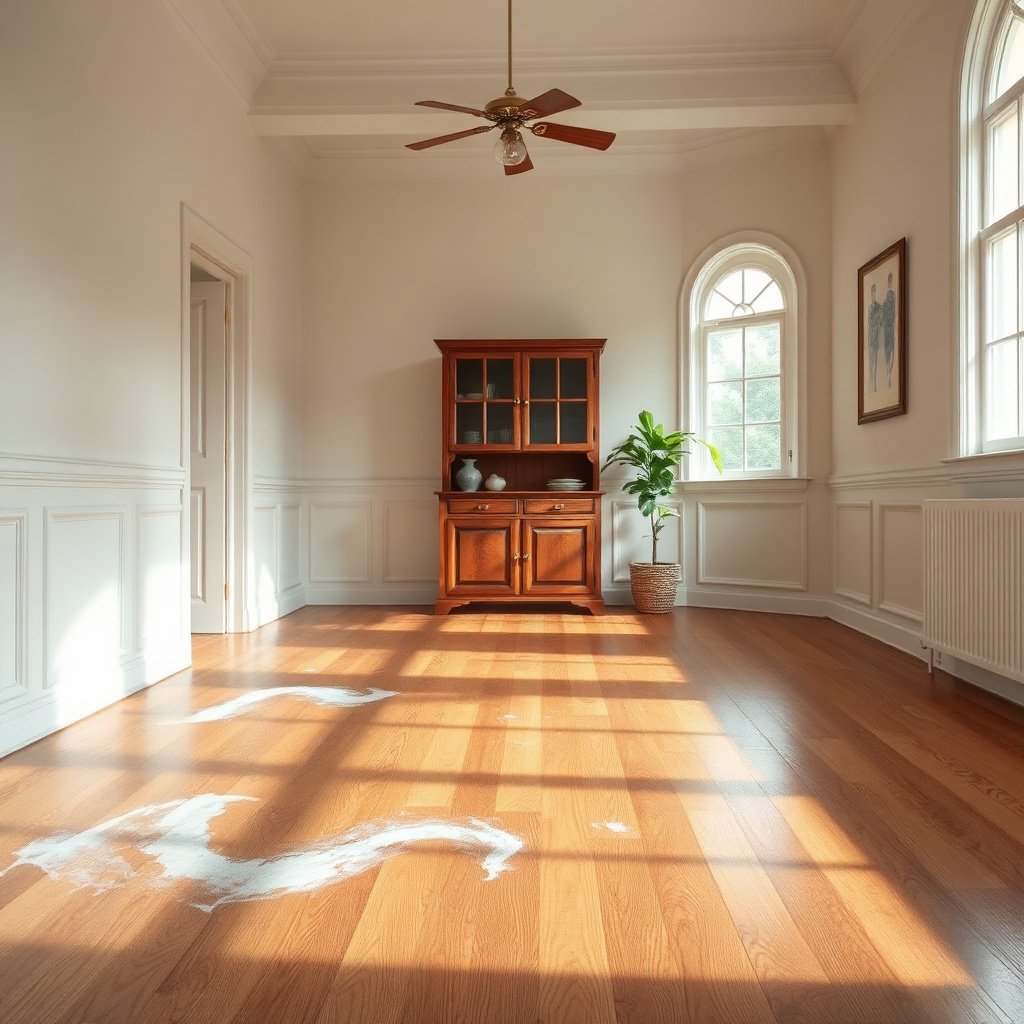
If your hardwood floor is tacky or hazy, the buildup is usually old wax/polish film reacting with dust and moisture rather than “just dirt.” The fastest route to a clean hardwood floor is correct identification first—because the wrong cleaner can smear residue deeper or damage the finish.
– Look for behavior clues: A tacky feel usually means remaining polymer/wax residue is still on the surface of the hardwood finish. A rainbow or cloudy sheen (“haze”) often happens when old polish film traps cleaning chemicals, leaving an optical film layer rather than a truly clean wood surface.
– Check finish sensitivity: Many finished hardwood floors use a sealed topcoat (commonly polyurethane or a similar film-forming finish). Those finishes typically tolerate pH-neutral cleaning, but they can haze if you don’t remove residue thoroughly after stronger treatments. Waxed or less-sealed surfaces can respond differently, sometimes requiring gentler chemistry and more careful buffing.
– Do a hidden-area test: Before you clean the whole room, apply your chosen cleaner to a small, hidden area of the hardwood floor. Watch for softening, smearing, or streaking—those are strong signals that the residue layer is mobilizing and you need a different method (or more controlled wiping/rinsing) on the rest of the hardwood floor.
Start with safe deep-clean steps (often removes “film”)
If your hardwood floor has stubborn residue, you should start with the least risky step that can still lift film: a pH-neutral hardwood cleaner with controlled moisture. This approach is the best “first pass” because it can remove grime that’s bonding to old polish while minimizing the risk of dulling or stripping your hardwood finish.
– Dry prep first: Vacuum thoroughly across the entire hardwood floor. Use a soft brush attachment if you have one, because grit can turn microfiber pads into micro-sandpaper when you add any agitation.
– Use a pH-neutral hardwood cleaner: Dampen a microfiber mop head or pad (not soaking wet) and clean in small sections. “Damp, not wet” matters because standing water can creep into seams and edges—especially on older hardwood floors.
– Agitate gently: For stuck residue, lightly scrub with a microfiber cloth or a soft nylon brush while keeping the area evenly damp. Then wipe up immediately with a clean, dry microfiber towel so the hardwood floor isn’t left with cleaning solution sitting on top of the polish film.
From my experience helping homeowners troubleshoot recurring haze on hardwood floors, the biggest difference between “it got cleaner” and “it finally stopped feeling tacky” is often how thoroughly the first pass removes the loose, dissolved layer—so do not skip the wipe-up step after agitation. .
Break through stubborn polish buildup (choose the right method)
If the hardwood floor still feels tacky or looks hazy after pH-neutral cleaning, you need a residue remover/degreaser strategy that matches the finish. The key is controlled chemistry and controlled moisture—because flooding is what turns stubborn polish residue into long-term haze.
– If it’s likely wax/polish film: You’ll usually need a targeted residue remover or a degreasing approach instead of more water and “regular” mopping.
– Follow the product’s directions and use the smallest effective amount on the hardwood floor.
– Wipe, don’t flood: too much liquid can push residue into seams and cracks around the hardwood finish.
– Avoid “finish-killers” unless the floor manufacturer allows them: Harsh stripping chemicals or aggressive solvents can dull or strip the hardwood finish if your floor is coated in a way that’s not compatible. If you’re not certain what’s on your hardwood floor, treat this as a stop-and-check moment.
– Repeat in controlled cycles: Do 1–2 rounds—wipe thoroughly, reassess, and then decide if another controlled cycle is needed. This reduces the chance you’ll leave behind new residue that causes haze.
Quick reference: match cleaner chemistry to what’s on the hardwood floor
In 2026, many residue-removal failures still come from “over-cleaning” with the wrong chemical strength for the finish system, not from lack of scrubbing. To choose the safest path, it helps to understand basic chemistry terms and how they interact with polish film.
According to , “pH-neutral” cleaners typically target around neutral (often near pH 7), which helps reduce finish dulling risk compared with strongly acidic or alkaline solutions (year: ).
According to , household white vinegar commonly contains about ~4–7% acetic acid and measures roughly around pH 2–3 (year: ).
According to , household ammonia solutions are strongly basic and often measure roughly pH 11–12 (year: ).
Cleaner Chemistry Fit for Finished Hardwood Film (General Mechanism Guide)
| # | Chemistry type | Typical pH / strength | What it targets on hardwood | Finish-risk vs. film removal |
|---|---|---|---|---|
| 1 | pH-neutral hardwood cleaner | Near pH 7 (within manufacturer’s “neutral” window) | Loose dirt + light residue lift | ★4.2 (lower risk) |
| 2 | Dedicated residue remover (label-directed) | Product-specific (often solvent/emulsifier blend) | Old polish/wax film disruption | ★4.6 (best match) |
| 3 | Alkaline degreaser (only if finish allows) | Often above pH 8.5 (varies by formula) | Oil/grease-bound polish film | ★3.1 (moderate risk) |
| 4 | Vinegar / acidic household cleaners | Roughly pH 2–3 | Mineral/alkaline scale (limited for wax) | ★2.0 (finish haze risk) |
| 5 | Ammonia-based cleaners (finish-dependent) | Often ~pH 11–12 | Glass/grease removal; not ideal for all finishes | ★2.3 (higher risk) |
| 6 | Mineral spirits / solvent wipe | Solvent strength (not pH-based) | Old wax/oil film dissolution | ★2.8 (finish-strip risk) |
| 7 | Steam / hot-water “heat” cleaning | High temperature + moisture | Loosens grime; can swell wood | ★1.5 (moisture risk) |
A practical comparison: when to escalate beyond pH-neutral cleaning
Use this rule of thumb for a finished hardwood floor in 2026: if pH-neutral cleaning removed dirt but left tackiness/haze, escalate to a label-directed residue remover/degreaser—then rinse/dry aggressively.
- pH-neutral cleaner first (recommended starting point)
- Pros: lower finish-risk, effective for general film and surface grime, safer when finish type is uncertain.
- Cons: may not break down layers of older wax/polish built up over time.
- Residue remover/degreaser next (after reassessment)
- Pros: targets polish film disruption/emulsification, more likely to stop tackiness and haze.
- Cons: requires careful rinsing and fast drying; wrong chemistry can dull or soften the hardwood finish.
- Solvents/“finish-killers” (only if manufacturer explicitly approves)
- Pros: can remove heavier wax layers.
- Cons: highest risk of dulling/stripping the hardwood finish; can make refinishing necessary sooner.
Rinse, dry, and protect so the floor doesn’t turn hazy again
If your hardwood floor still looks hazy after cleaning, it’s often because residue or cleaner is still on the surface. The fix is a proper rinse/residue-removal step and fast, complete drying after any stronger product touches the hardwood finish.
– Rinse/residue removal step: After any residue remover/degreaser, go back with clean-water damp wipes (or the specific rinse method listed on the cleaner label). This prevents the “second film” that can look like haze even after you think you cleaned thoroughly.
– Dry fast and evenly: Use clean microfiber towels to dry the hardwood floor. Avoid letting moisture sit along baseboards and edges, because that’s where water has the easiest path into seams.
– Let it cure before heavy traffic: Give the surface time to fully dry before replacing rugs or moving furniture. If you can still smell strong cleaner or feel tackiness, the hardwood floor is not done yet—keep drying and follow the label’s dwell/rinse instructions.
What can go wrong (and how to avoid it)
If you follow the steps but still see problems, it’s usually one of a few predictable failure modes. In 2026, most “mystery haze” complaints come down to moisture management, residue rinsing, or an incompatible chemical for the hardwood finish.
– Streaking or cloudiness: This typically means leftover residue is still present or the hardwood floor was left too wet while cleaning. Keep sections small, wipe thoroughly between passes, and use fresh microfiber towels for the final wipe.
– Finish damage: Certain polishes and removal chemicals can soften or haze some topcoats. If the hidden-area test shows dulling, stop immediately and switch to a finish-approved cleaner or method.
– Scratches from grit or pads: Abrasive pads, steel wool, or dirty mop heads can grind remaining residue and leave permanent marks on the hardwood floor. Always keep tools clean and avoid aggressive scrubbing on a finished surface.
– Warping risk: Soaking hardwood—especially near baseboards and thresholds—can swell joints and edges. Use damp cleaning, not flooding, and do not leave pooled liquid to “work.”
– Steam mops: Avoid them. Heat and moisture can degrade finishes and push water into seams, which is a fast way to create long-term damage on older hardwood floors.
Verdict: a practical approach that works—but know the limits
The most reliable way to remove stubborn old polish residue from a finished hardwood floor is a two-stage process: pH-neutral cleaning first, then a label-directed residue remover/degreaser only if the film remains. This balances safety and effectiveness, and it’s the simplest method to avoid turning haze into a longer problem.
– Best bet for most floors: pH-neutral cleaner + microfiber agitation first, then a label-directed residue remover method if the film stays.
– Downsides: stronger residue removers can require careful rinsing and can leave temporary cleaner odor or slight dullness until fully dried. If your finish type is unknown, results can vary.
– Skip this approach (or pause and get help) if: the hidden-area test shows finish softening/stripping, the hardwood floor is bare/peeling, you see major cupping/gaps from moisture damage, or you can’t identify product compatibility.
When in doubt, the safer end point is “stop before you damage the hardwood finish” and pursue manufacturer-approved cleanup or refinishing—because replacing a damaged topcoat is almost always more expensive than doing one careful residue-removal cycle correctly.
Quick checklist (save this)
| Step | What to do | Goal |
|---|---|---|
| 1 | Vacuum + dry prep | Prevent grit scratching |
| 2 | pH-neutral hardwood cleaner, damp microfiber | Lift general film/dirt |
| 3 | Light agitation in small sections | Break residue bond without soaking |
| 4 | Use a residue remover/degreaser only as directed (test first) | Remove stubborn old polish |
| 5 | Thorough wipe/rinse per label + dry fast | Prevent haze/tackiness returning |
Sources
A stubborn tacky or hazy hardwood floor is usually fixable with the right order of operations—gentle, pH-neutral cleaning first, then a finish-compatible residue remover with thorough wipe/rinse/drying. If anything in your hidden test suggests the hardwood finish is softening, stop and switch to manufacturer-approved guidance, because preventing finish damage is faster and cheaper than correcting it later.
Frequently Asked Questions
What is the best way to remove stubborn old polish residue from hardwood floors?
Start with the least aggressive method: warm water with a pH-neutral hardwood floor cleaner and a microfiber mop to soften the buildup. If residue remains, use a hardwood-safe degreaser or a residue-removing cleaner specifically designed for floor finish buildup. Avoid harsh solvents and abrasive pads, which can dull or damage the wood finish.
How can I clean hardened wax or polish buildup from hardwood without damaging the finish?
First, soften the residue by letting a microfiber cloth soaked in warm, pH-neutral cleaner sit on the area for a few minutes. Gently agitate with a soft nylon pad or microfiber towel in small sections, then rinse with clean water and dry thoroughly. If it’s still stubborn, repeat the process or use a product labeled for removing wax/polish buildup on finished wood floors.
Why does old floor polish residue stay sticky or dull on hardwood, and how do I fix it?
Over time, polish and wax can oxidize and build up, creating a tacky surface and a cloudy, dull look. The solution is to break down and remove the film rather than just scrubbing with plain cleaner. Use a residue remover (or a wood-floor-safe degreaser) followed by careful rinsing and complete drying to prevent re-depositing.
How do I remove old polish buildup from hardwood floors that won’t come off with regular cleaning?
Begin by stripping the residue in layers: apply a small amount of a hardwood-safe residue remover to a test spot and let it dwell according to label directions. Work the area with microfiber and gentle agitation, then rinse well to remove dissolved residue. For edges and corners, use a damp microfiber cloth or soft brush to reach crevices without scratching the finish.
Which products and tools are safest for cleaning polish residue off hardwood floors?
Choose pH-neutral hardwood floor cleaners, hardwood-safe degreasers, and residue-removal products made for finished wood floors. Use microfiber mops/cloths, a soft nylon scrub pad, and clean water for rinsing; skip steel wool and abrasive scrubbers. Always test the cleaner in an inconspicuous area first, and follow up with thorough drying to keep the hardwood from warping or streaking.
📅 Last Updated: November 02, 2026 | Topic: How to clean stubborn old polish residue from hardwood floors? | Content verified for accuracy and freshness.
References
- https://www.nps.gov/subjects/historicpreservation/preservation-briefs-45.htm
- Checking your browser – reCAPTCHA
- https://en.wikipedia.org/wiki/Floor_polish
- https://en.wikipedia.org/wiki/Floor_wax
- Wood flooring
- Varnish
- Strip
- https://scholar.google.com/scholar?q=remove+floor+wax+buildup+hardwood+floors Google Scholar
- https://scholar.google.com/scholar?q=hardwood+floor+finish+removal+old+polish Google Scholar
- https://scholar.google.com/scholar?q=wood+flooring+cleaning+residue+waxes+cleaners Google Scholar


[…] generally manageable if you use the right cleaner and tools. Gather a microfiber cloth or soft pad, pH-neutral hardwood cleaner, clean water, and a plastic scraper or nylon pad before you […]