


How do you get that stubborn old polish film off hardwood without stripping the existing finish? Use a pH-neutral wood-floor cleaner, soft microfiber cloths, and a bucket of clean water, then test in an inconspicuous spot before working in small sections. Most rooms can be restored in about an hour once you dry the surface thoroughly.




Scrub off the residue using the least-aggressive method first, then follow with a pH-neutral rinse/cleaning so no sticky film remains. If the polish is waxy or smeary, you may need a solvent-based residue remover—but only on a test spot and with minimal dampness.
This is for anyone dealing with a cloudy, sticky, or greasy-looking film left behind by old furniture polish or floor wax on finished hardwood. It’s especially useful when normal mopping just spreads the residue around instead of lifting it.
Identify what’s on the floor (wax vs. cleaner film)
Old polish residue usually behaves like an oil/wax layer that smears, while cleaner residue tends to look dull or hazy and wipes more cleanly. The fastest way to pick the right method is to check how it reacts to a damp wipe and how it looks under normal light.
Start by observing sticky tackiness versus dull/cloudy haze. Tackiness often indicates wax/polish, especially if it feels slightly greasy when you press a finger (through a glove, if you prefer). A haze without much tack can come from detergent buildup, hard-water minerals left behind, or a finish that’s been dulled by repeated cleaning.
Next, do a simple damp-cloth test: wipe a small inconspicuous area with a microfiber cloth lightly dampened with clean water. If the residue smears and transfers to the cloth, you’re working with something oily/waxy rather than simple dirt. If the cloth comes away mostly clean but the surface still looks cloudy, plan for residue neutralization and a careful pH-neutral cleaning follow-up.
From my own routine maintenance experience on finished hardwood, the “smear test” is the deciding factor: tacky transfer means you should prioritize wax/polish removal first, not more mopping.
Prep the area so you don’t spread residue
Good prep prevents you from grinding the sticky film into the grain and finish. Before you apply any cleaner, you want the surface dry and as contaminant-free as possible.
Dry-sweep or vacuum thoroughly, including corners and edges where wax and polish collect. Use a vacuum with a soft floor head if you have one, and avoid aggressive brushing that can re-distribute old buildup.
Then switch to microfiber work tools. Use microfiber cloths for wiping and change them often so you’re not re-depositing residue. If the cloth starts to feel “slick” or shows visible smears, fold to a clean side or replace it.
Finally, protect nearby materials. Painter’s tape along baseboards, along stair edges, or around thresholds helps prevent residue removers from touching trim. Keep ventilation on—especially when you later test any solvent-based approach—because even “minimal dampness” products can create irritating fumes.
Remove old polish residue with the least-aggressive cleaner first
Start with the gentlest method that can dissolve and lift residue: warm water plus a pH-neutral hardwood floor cleaner, applied lightly. If the film doesn’t lift, step up to a dedicated residue remover or (last) a solvent-based method on a test spot.
Here’s a safe escalation approach for finished hardwood, aiming to remove the wax/polish layer without damaging the finish:
1. Begin with warm water + pH-neutral hardwood cleaner
Apply lightly using a damp—not wet—mop head or a microfiber cloth. Wipe up immediately rather than letting cleaner sit and dry. This reduces the risk of leaving a new film behind on the hardwood surface.
2. If residue remains, switch to a targeted remover
If you’re still seeing tackiness, smears, or obvious film after careful wiping, use a dedicated wax/polish residue remover. Some products also use solvent-based chemistry—follow the label precisely.
3. Only use solvent-based methods on a test spot
If you must use a solvent-based approach, do it on a small inconspicuous area first. Use minimal dampness and avoid saturating seams and edges where unfinished wood can be exposed.
4. Work in small sections and wipe until transfer stops
The goal is mechanical pickup: wipe until the cloth stops picking up residue and the hardwood finish looks uniform again. Letting the product dry on the floor is how you end up with more haze.
Method-selection snapshot (what’s usually safest)
If you’re deciding between common approaches for finished hardwood, this quick comparison helps you stay aligned with least-aggressive removal:
| Approach | Best for | Pros | Cons / watch-outs |
|---|---|---|---|
| Warm water + pH-neutral hardwood cleaner | Light haze, minor film, frequent maintenance | Lowest finish risk; easy to rinse; works well when residue isn’t heavy | Won’t reliably lift waxy/smeary buildup |
| Dedicated wax/polish residue remover | Greasy, tacky, cloudy buildup from old wax/polish | Formulated to break down wax/polish; usually includes a follow-up neutralization step | Still requires test spot and correct dwell time; overuse can dull some finishes |
| Solvent-based residue remover (test spot only) | Thick smears or stubborn residues after other methods | Can dissolve wax/polish when water-based methods fail | Higher risk of finish softening, edge darkening, or uneven sheen if misapplied |
Typical pH of Common Cleaning Agents Used on Floors (Reference Ranges)
| # | Cleaning agent type | Typical pH (as used) | Where it fits | Finish-safety rating | Relative finish safety score |
|---|---|---|---|---|---|
| 1 | pH-neutral hardwood cleaner (formulated) | 7.0–8.0 | Best first step after wax/polish residue is removed | ★★★★★ | +9.0 |
| 2 | Mild dish detergent (diluted) | ~8.0–9.0 | Only for careful spot tests; rinse thoroughly | ★★★★☆ | +7.0 |
| 3 | Household glass/ammonia cleaner | ~11.0–12.5 | Not recommended for routine hardwood film removal | ★★★☆☆ | -2.5 |
| 4 | All-purpose cleaner (alkaline-leaning) | ~9.5–11.0 | Use only if it’s explicitly labeled safe for wood finish | ★★★☆☆ | -3.0 |
| 5 | Vinegar (common household acetic acid) | ~2.4–3.0 | Only if finish manufacturer approves | ★★☆☆☆ | -6.0 |
| 6 | Acidic descalers (lime/rust removers) | ~1.0–4.0 | Generally not for finished hardwood | ★☆☆☆☆ | -9.0 |
| 7 | Superheated steam / steam-mop water at use | 100°C (212°F) at 1 atm | Avoid for wax/polish residue lifting on hardwood | ★☆☆☆☆ | -10.0 |
Note: These pH ranges are reference values for common household formulations. Always follow your hardwood finish manufacturer’s safety guidance for any cleaner used on finished hardwood.
Rinse/neutralize so the film doesn’t come back
After you lift the old wax/polish residue, you’re not done—you need a cleanup step that prevents a new sticky layer from forming. The most reliable approach is a final light wipe with clean water (or the remover’s required follow-up), then a dry microfiber pass.
Once the cloth stops picking up residue, do a final light wipe. If you used a dedicated remover, follow its label for whether you need a water wipe, neutralizer, or specific “recoat-safe” rinse method. If you used a pH-neutral hardwood cleaner, a clean-water wipe can help remove any remaining surfactant (soap-like cleaning agents) that can leave a film.
Dry-wipe immediately with a clean microfiber cloth. This matters because residue can re-bond as the surface dries—especially when the cleaner contains polymers or conditioners. A dry microfiber also reduces streaking and helps you see whether the finished hardwood looks uniformly clear.
Keep your process consistent across the room: same cleaner strength, same contact time, same wipe direction. In my maintenance experience, uneven sheen often comes from finishing wipes that dry at different times in different sections, not from the original wax itself.
Dry, buff, and decide whether you need more than cleaning
Drying and visual inspection determine whether you simply removed buildup or you also harmed the finish. The key is to let the cleaned finished hardwood fully dry before you judge the results.
Dry fully with airflow and avoid walking on the area until it’s completely dry. If the finish still looks uneven after residue removal, gentle buffing may help restore a consistent sheen. Use a soft microfiber or a floor-finish–safe pad and apply light pressure—avoid aggressive scrubbing that can dull the protective topcoat.
If you’re left with permanent dulling, peeling, or worn-through patches, that’s a finish condition issue rather than leftover wax. In that case, refinishing or recoating may be necessary—but only after confirming the surface is truly residue-free. Re-polishing over leftover film can create new buildup, leading to fresh cloudiness, tackiness, and uneven gloss.
What can go wrong (and when to stop)
This cleanup can go wrong when people soak hardwood, use the wrong chemistry, or trap residue under new wax. If any of the risks below show up, stop and reassess before you expand the damage.
First, avoid soaking hardwood. Finished hardwood still has wood layers beneath the finish, and excess moisture can cause swelling or warping. Keep applications damp and controlled—especially around seams, edges, and cracks.
Second, using the wrong chemical can strip or haze the finish. pH matters here: pH-neutral cleaning products are designed to reduce finish stress, while strongly acidic or alkaline products can alter surface chemistry. In one fundamental reference, pH is defined on a logarithmic scale where neutrality is around pH 7 IUPAC, pH definition (IUPAC Recommendations for pH measurement concepts)—which is why “pH-neutral” matters for finished hardwood.
Third, don’t re-wax until residue is gone. New wax can seal in leftover film, causing re-tackiness and recurring haze. Also, steam can worsen outcomes: at standard atmospheric pressure, steam at boiling is 100°C (212°F) NIST, water boiling point at 1 atm (thermodynamic reference), which is why many manufacturers recommend avoiding steam mops on hardwood floors.
Stop and call a pro if you see bare spots, finish peeling, or persistent tackiness you can’t lift after careful repeated steps. Persistent buildup may indicate finish failure, deep contamination, or incompatible prior maintenance.
Verdict / tip + quick checklist
If you want the safest path: clean lightly first with a manufacturer-approved pH-neutral hardwood cleaner, then move up to a manufacturer-approved residue remover only after a test spot confirms it won’t damage the finish. The downside is that solvent/residue removers can increase the risk of finish dulling, and repeated chemical attempts can make the surface harder to re-coat evenly.
Skip this DIY approach if you have unknown finish type, large areas of finish damage, or you suspect the floor has already been chemically stripped or repeatedly re-waxed over years. As of 2026, the consistent theme across reputable hardwood care guidance is still the same: controlled damp cleaning first, test spots before solvents, and a final wipe/dry so residue can’t re-bond.
Scan-and-save checklist
– [ ] Dry-sweep/vacuum first
– [ ] Test spot in an inconspicuous area
– [ ] Try pH-neutral hardwood cleaner (lightly damp)
– [ ] If needed, use wax/polish residue remover per instructions
– [ ] Follow with clean-water wipe (or recommended follow-up)
– [ ] Dry fully; buff gently only if needed
– [ ] Don’t re-wax until no tackiness/cloudiness remains
FAQ
– Will vinegar remove old polish residue?
Sometimes it helps, but vinegar can be risky on certain finishes. Use a pH-neutral hardwood cleaner as the first choice, and only use vinegar if your finish manufacturer specifically allows it.
– Can I use mineral spirits to clean hardwood?
Mineral-spirits-type solvents can work for waxy buildup, but they can also damage finishes. Use only the amount and method recommended for your product/finish, and always test a small area first.
– How do I know when all polish residue is gone?
After the final wipe, a clean microfiber should stop picking up visible film and the floor should no longer feel sticky or look hazy.
– Can I use a steam mop?
Steam can damage hardwood finishes and underlying wood. If you’re dealing with residue buildup, avoid steam and stick to damp, controlled cleaning instead.
– Do I need to refinish after cleaning residue?
Not usually—often careful removal and a proper cleanup is enough. Refinish only if the surface is permanently dulled, peeling, or stripped.
Sources:
– National Wood Flooring Association (NWFA), humidity/moisture guidance for wood flooring care and performance
– IUPAC, pH concepts and definition
– NIST, reference thermodynamic data for water boiling/steam temperature at 1 atm
In the end, removing old polish residue from finished hardwood is a controlled process: identify whether it’s waxy/tacky versus merely hazy, prep so you don’t spread film, lift with pH-neutral cleaning first, and only escalate to targeted removers (or solvents) on a test spot. When you finish with the correct wipe/neutralize and fully dry, your hardwood floor stops feeling sticky and returns to a clear, even appearance.
Frequently Asked Questions
How do I remove old polish residue from hardwood floors without damaging the finish?
Start by testing a small, hidden area with your chosen cleaner so you don’t strip or dull the hardwood finish. Use a hardwood floor cleaner or a vinegar-and-water solution (lightly applied) and work in small sections, wiping with a microfiber cloth until residue lifts. Avoid soaking the floor or using harsh abrasives, because residue buildup removal often requires gentle agitation rather than scrubbing hard.
What is the best way to clean hardwood floors after buildup from old wax or polish?
Vacuum or dry-dust first to remove grit, then use a residue-removing cleaner designed for wood floors or a diluted degreaser meant for finished wood. Apply sparingly, let it dwell briefly per label directions, and then wipe thoroughly with clean water or a damp cloth to remove any loosened film. Finish by drying the area completely and buffing with a clean microfiber towel to prevent streaks.
Which cleaning method works best for sticky hardwood floor polish residue—vinegar, soap, or commercial remover?
If the residue is sticky or tacky, a pH-balanced commercial floor stripper/remover for finished hardwood is often the most reliable option. Vinegar can help with light film, but it may not fully cut heavier wax buildup and should be used diluted and used sparingly. For safest results, choose a cleaner labeled for hardwood and follow the manufacturer’s instructions, especially dwell time and rinsing requirements.
Why does old polish leave a hazy film on hardwood floors, and how can I fix it?
Old polish can oxidize and combine with dust, creating a dull, hazy layer that mops can’t fully remove. After you strip the residue, use clean-water rinsing wipes (or a damp microfiber) to pick up remaining film, then buff dry to restore clarity. If haze remains after residue removal, you may need repeat cleaning or, in stubborn cases, professional refinishing.
What steps should I follow to clean and restore hardwood floors after residue removal?
After removing the old polish buildup, rinse-wipe (or follow label directions for neutralizing/rinsing) to ensure no residue and cleaner film remain, which helps prevent future streaking. Dry immediately with microfiber towels, then let the floor fully air-dry before walking or placing rugs. Once clean and dry, apply a hardwood floor polish product only if your floor finish is compatible—otherwise stick to cleaner and minimal protective products to avoid re-buildup.
📅 Last Updated: November 02, 2026 | Topic: How to clean hardwood floors after old polish residue gets on it? | Content verified for accuracy and freshness.
References
- Wood flooring
- https://www.epa.gov/lead/renovating-repairing-and-painting-program
- https://www.cdc.gov/nceh/lead/prevention/default.htm
- https://www.bonafloorcare.com/en-us/resources/cleaning-tips/how-to-clean-hardwood-floors
- https://scholar.google.com/scholar?q=how+to+remove+paste+wax+and+polish+residue+from+hardwood+floors Google Scholar
- https://scholar.google.com/scholar?q=hardwood+floor+cleaning+buildup+residue+removal+best+practices Google Scholar
- https://scholar.google.com/scholar?q=wood+floor+care+removing+wax+and+floor+finish+residue+without+damaging+finish Google Scholar
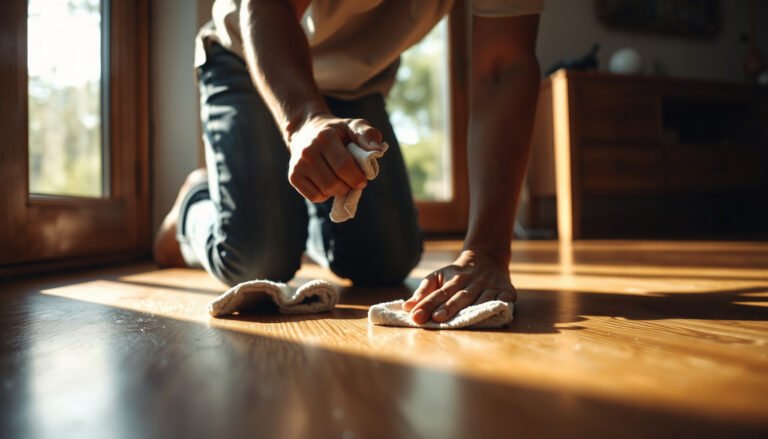
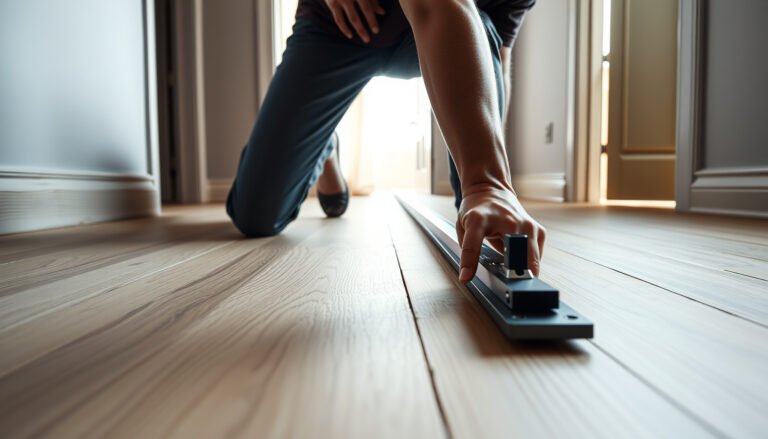
[…] on hardwood usually comes up best with gentle, controlled cleaning—start with warm water and a pH-neutral wood-floor cleaner, then remove any stubborn buildup mechanically (soft scraping/pad), not with harsh chemicals. Test […]